
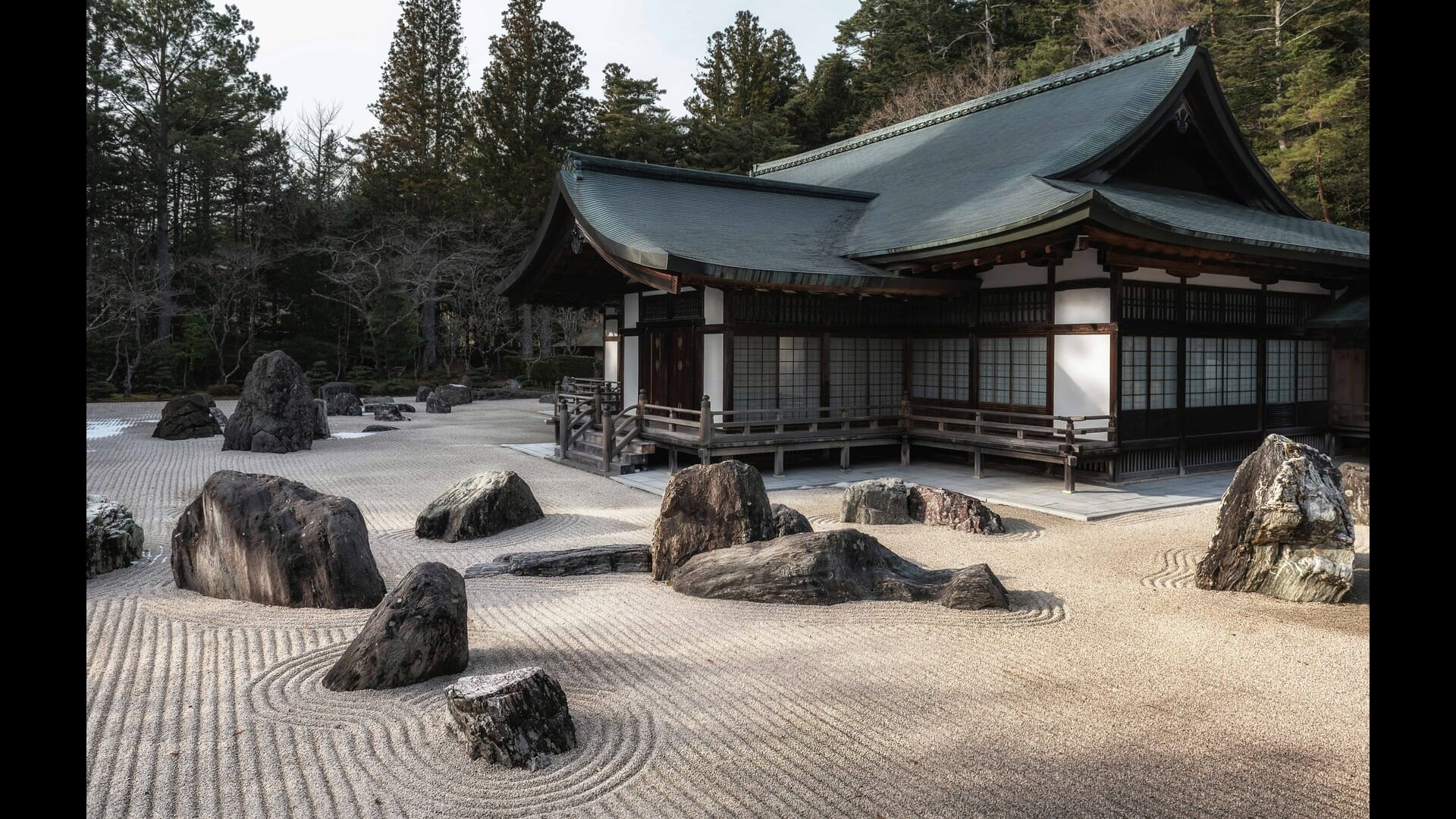
Walking the Historical Nakasendo Trail: A Journey Through Japan's Past
Walking the Historical Nakasendo Trail: A Journey Through Japan's Past
The Nakasendo Trail, an ancient route that once connected Kyoto and Edo (modern-day Tokyo), is a treasure trove of history, culture, and stunning natural beauty. This historical walking trail, which spans approximately 534 kilometers, offers a unique glimpse into Japan's past, allowing travelers to experience the charm of traditional inns, picturesque villages, and breathtaking landscapes.

In this article, we will explore the Nakasendo Trail in depth, providing you with everything you need to know for an unforgettable journey.
What is the Nakasendo Trail? A Historical Overview
The Nakasendo Trail, literally meaning "the Central Mountain Route," was one of the five main roads during the Edo period (1603-1868). It served as a vital link between the imperial capital of Kyoto and the shogunal capital of Edo. The trail was not just a means of transportation; it was a lifeline for merchants, travelers, and samurai, facilitating trade and communication across the mountainous terrain of central Japan.
The Nakasendo Trail is dotted with post towns known as "shukuba," where travelers could rest and replenish their supplies. These towns, such as Magome, Tsumago, and Narai, have preserved their historical charm, allowing visitors to step back in time and experience the hospitality of traditional Japanese inns, or "ryokan."
The Best Time to Walk the Nakasendo Trail
Choosing the right time to walk the Nakasendo Trail can greatly enhance your experience. The trail is accessible year-round, but the best seasons for hiking are spring (March to May) and autumn (September to November). During these months, the weather is mild, and you can enjoy the stunning cherry blossoms in spring or the vibrant autumn foliage.
Summer (June to August) can be hot and humid, while winter (December to February) may bring snow, making some sections of the trail challenging. However, winter also offers a unique experience, with fewer crowds and a serene, snow-covered landscape.
Planning Your Nakasendo Trail Itinerary
When planning your Nakasendo Trail itinerary, consider how much of the trail you want to cover. Many travelers choose to walk the most popular sections, which range from Magome to Tsumago, or Narai to Kiso-Fukushima. Here’s a suggested itinerary for a week-long journey:
Day 1: Arrival in Tokyo
Start your journey in Tokyo, where you can explore the bustling metropolis before heading to the Nakasendo Trail. Visit iconic landmarks such as the Tokyo Tower, Senso-ji Temple, and the vibrant neighborhoods of Shibuya and Shinjuku.
Day 2: Travel to Magome
Take a train from Tokyo to Nakatsugawa, then a bus to Magome, the starting point of the Nakasendo Trail. Spend the afternoon exploring this charming post town, known for its well-preserved Edo-period architecture.
Day 3: Magome to Tsumago (8 km)
Begin your hike from Magome to Tsumago, a scenic 8-kilometer trek through lush forests and rolling hills. This section of the trail is relatively easy and offers stunning views of the Kiso Valley. Once you arrive in Tsumago, explore the town and stay overnight at a traditional ryokan.
Day 4: Tsumago to Kiso-Fukushima (20 km)
On this day, you’ll hike from Tsumago to Kiso-Fukushima, a longer trek of about 20 kilometers. The trail takes you through beautiful landscapes, including cedar forests and mountain streams. Enjoy a well-deserved rest in Kiso-Fukushima, where you can sample local cuisine.
Day 5: Kiso-Fukushima to Narai (10 km)
Hike from Kiso-Fukushima to Narai, a picturesque post town famous for its traditional wooden houses. This section of the trail is relatively flat and allows you to soak in the peaceful surroundings. Spend the night in Narai and explore its historical streets.
Day 6: Narai to Yabuhara (10 km)
Continue your journey from Narai to Yabuhara, another charming post town. This section of the trail offers breathtaking views of the surrounding mountains and valleys. Enjoy a relaxing evening in Yabuhara, where you can unwind in an onsen (hot spring).
Day 7: Return to Tokyo
After a week of hiking, return to Tokyo to explore more of the city or relax before your journey home.
Essential Packing List for the Nakasendo Trail
When preparing for your hike along the Nakasendo Trail, it’s important to pack wisely. Here’s a list of essential items to bring:
- Comfortable Hiking Shoes: Invest in a good pair of hiking shoes that provide support and traction.
- Lightweight Backpack: A comfortable, lightweight backpack will make your hike easier.
- Water Bottle: Stay hydrated by carrying a refillable water bottle.
- Snacks: Pack energy-boosting snacks like nuts, granola bars, or dried fruit.
- Weather-Appropriate Clothing: Dress in layers to accommodate changing weather conditions.
- First Aid Kit: A small first aid kit can be invaluable in case of minor injuries.
- Camera: Capture the stunning landscapes and historical sites along the trail.
- Guidebook or Map: While the trail is well-marked, having a guidebook or map can enhance your experience.
Experiencing Traditional Inns Along the Nakasendo Trail
One of the highlights of walking the Nakasendo Trail is the opportunity to stay in traditional ryokan. These inns offer a unique glimpse into Japanese hospitality and culture.
What to Expect at a Ryokan
At a ryokan, you can expect:
- Tatami-Matted Rooms: Sleep on traditional futons laid out on tatami mats.
- Kaiseki Meals: Enjoy multi-course meals featuring seasonal ingredients and local specialties.
- Onsen Access: Many ryokan have onsen (hot springs) where you can relax after a long day of hiking.
- Warm Hospitality: Experience the warm hospitality of the staff, who often go above and beyond to make your stay memorable.
Recommended Ryokan Along the Trail
- Minpaku Magome: Located in Magome, this ryokan offers a cozy atmosphere and delicious meals.
- Tsumago-ya: Situated in Tsumago, this traditional inn is known for its beautiful gardens and warm hospitality.
- Narai-ya: A charming ryokan in Narai, offering comfortable accommodations and a taste of local culture.
Cultural Experiences Along the Nakasendo Trail
Walking the Nakasendo Trail is not just about the hike; it’s also an opportunity to immerse yourself in Japanese culture. Here are some cultural experiences to consider:
Local Festivals
Depending on the time of year you visit, you may have the chance to experience local festivals. These vibrant events often feature traditional music, dance, and food, providing insight into the region’s culture.
Craft Workshops
Participate in craft workshops offered in some post towns. Learn traditional skills such as indigo dyeing, pottery, or calligraphy, and take home a unique souvenir.
Interacting with Locals
Take the time to interact with locals along the trail. Many residents are eager to share stories about their town’s history and culture, providing a deeper understanding of the area.
The Natural Beauty of the Nakasendo Trail
The Nakasendo Trail is renowned for its breathtaking natural beauty. As you walk, you’ll encounter:
- Lush Forests: The trail winds through dense forests filled with towering cedar and cypress trees.
- Mountain Views: Enjoy panoramic views of the Japanese Alps and surrounding mountains.
- Rivers and Streams: Cross charming wooden bridges over clear mountain streams.
- Wildlife: Keep an eye out for local wildlife, including deer, monkeys, and various bird species.
Tips for Walking the Nakasendo Trail
To make the most of your hiking experience, consider these tips:
- Start Early: Begin your hikes early in the day to avoid crowds and enjoy the tranquility of the trail.
- Stay Hydrated: Drink plenty of water, especially during warmer months.
- Respect Nature: Follow the Leave No Trace principles to preserve the natural beauty of the trail.
- Take Your Time: Allow yourself to enjoy the journey, stopping to take photos and appreciate the scenery.
Conclusion: A Journey Worth Taking
Walking the Nakasendo Trail is more than just a hike; it’s a journey through Japan’s rich history and culture. From the charming post towns to the stunning landscapes, every step along the trail offers a new discovery. Whether you’re a seasoned hiker or a casual traveler, the Nakasendo Trail promises an unforgettable experience that will leave you with lasting memories.
As you lace up your hiking boots and embark on this historical journey, remember to take your time, savor the moments, and immerse yourself in the beauty of Japan’s past. The Nakasendo Trail awaits, ready to share its stories with those willing to walk its path.