
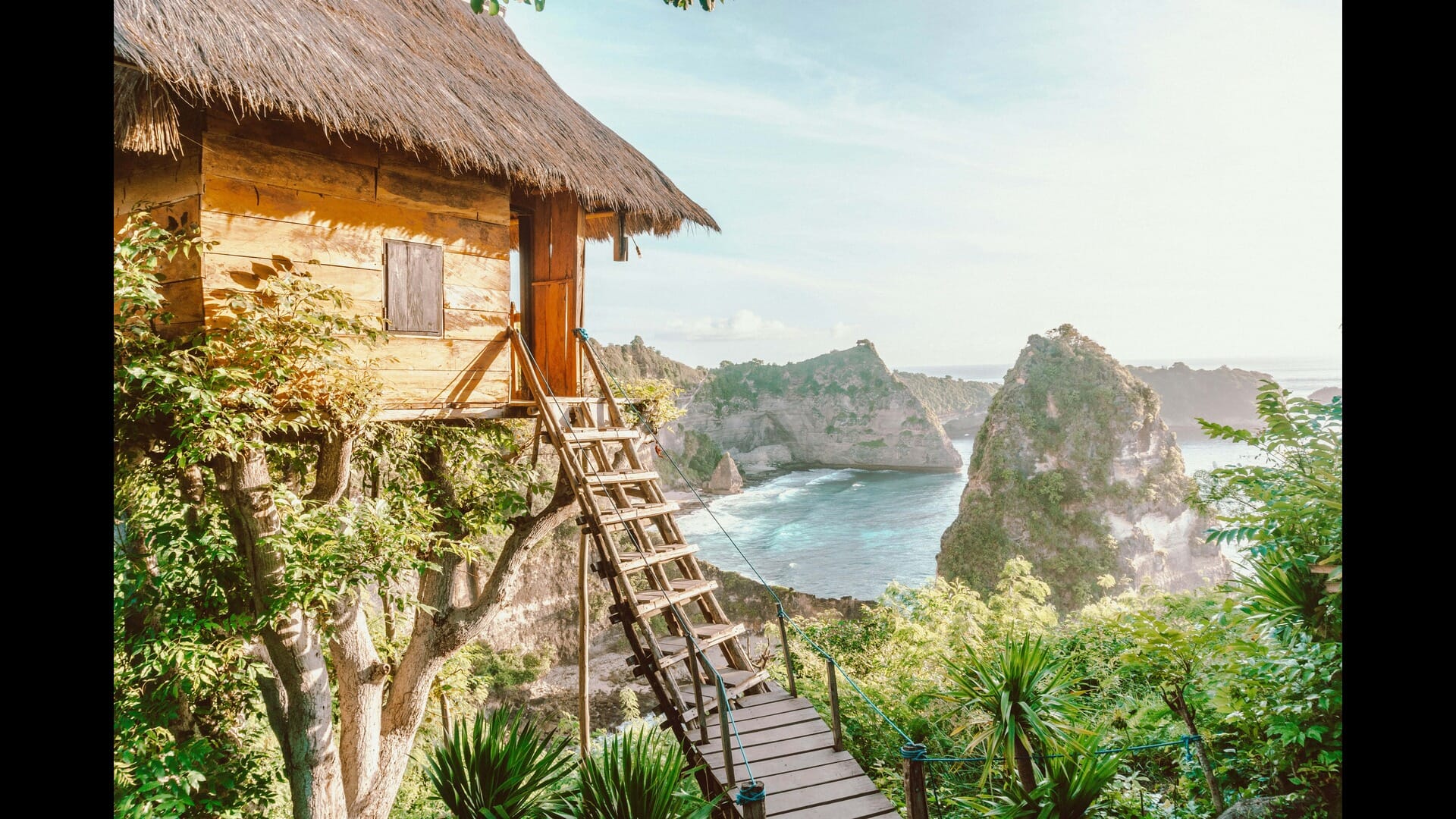
Visiting Thailand’s Best Historical Sites: A Journey Through Time
Visiting Thailand’s Best Historical Sites: A Journey Through Time
Thailand, a country known for its stunning beaches and vibrant street life, is also a treasure trove of historical sites that tell the story of its rich cultural heritage. From ancient temples that echo the chants of monks to royal palaces that showcase the grandeur of the Thai monarchy, the historical sites in Thailand are a testament to the nation’s illustrious past.
This article will take you on a journey through some of the best historical sites in Thailand, offering insights into their significance, architectural beauty, and the stories they hold.
Exploring the Ancient Temples in Thailand
The Magnificence of Wat Phra Kaew: The Temple of the Emerald Buddha
One of the most revered temples in Thailand, Wat Phra Kaew, or the Temple of the Emerald Buddha, is located within the grounds of the Grand Palace in Bangkok. This temple is not only a stunning architectural masterpiece but also a sacred site for Thai Buddhists. The Emerald Buddha, a small statue carved from a single block of jade, is considered the palladium of Thai society.
Visitors are often awed by the intricate details of the temple’s architecture, which features a blend of traditional Thai and Khmer styles. The temple is adorned with gold leaf, colorful mosaics, and mythical creatures that reflect the rich symbolism of Thai culture. As you walk through the temple grounds, the atmosphere is imbued with a sense of reverence and tranquility, making it a must-visit historical site.
Wat Pho: Home of the Reclining Buddha
Just a stone's throw away from Wat Phra Kaew, Wat Pho is famous for its giant reclining Buddha statue, which measures 46 meters long and is covered in gold leaf. This temple is not only a place of worship but also a center for traditional Thai massage and medicine.
As you explore the temple complex, you’ll find over a thousand Buddha images, intricate murals, and the beautiful chedis (stupas) that house relics of the Buddha. The serene atmosphere and the stunning artistry make Wat Pho a perfect place to reflect on the teachings of Buddhism while enjoying the beauty of Thai architecture.
The Royal Palaces of Thailand: A Glimpse into Monarchical Splendor
The Grand Palace: A Symbol of Thai Royalty
The Grand Palace in Bangkok is an iconic symbol of Thai royalty and a historical site that draws millions of visitors each year. Built in 1782, the palace served as the official residence of the Kings of Siam until the 20th century. The complex is a stunning example of traditional Thai architecture, featuring elaborate decorations, intricate carvings, and vibrant colors.
Visitors can explore the Outer Court, where government offices are located, and the Inner Court, which was once home to the royal family. The highlight of the Grand Palace is the Emerald Buddha Temple, which we discussed earlier. As you wander through the palace grounds, you’ll feel a sense of awe at the grandeur and history that surrounds you.
Vimanmek Mansion: The World’s Largest Teakwood Building
Located in Dusit Palace, Vimanmek Mansion is a stunning example of Thai architecture and is notable for being the world’s largest teakwood building. Constructed in the early 20th century, this mansion was once the summer residence of King Rama V.
Visitors to Vimanmek Mansion can explore its beautifully preserved rooms, which are filled with royal artifacts, photographs, and furniture from the time of King Rama V. The mansion is surrounded by lush gardens, adding to its charm. A visit here offers a unique glimpse into the lifestyle of the Thai monarchy during the early 1900s.
Discovering the Ancient City of Ayutthaya
Ayutthaya Historical Park: A UNESCO World Heritage Site
Ayutthaya, the former capital of the Kingdom of Siam, is now a UNESCO World Heritage Site that boasts a wealth of historical ruins. The city was founded in 1350 and flourished for over 400 years, becoming one of the largest urban areas in the world at the time.
The Ayutthaya Historical Park is home to numerous temples and palaces, each with its own unique history. Highlights include Wat Mahathat, famous for the Buddha head entwined in tree roots, and Wat Phra Si Sanphet, which was once the holiest temple in the kingdom. Exploring Ayutthaya is like stepping back in time, as you wander among the ancient ruins and imagine the grandeur of the city in its heyday.
Wat Chaiwatthanaram: A Stunning Reflection of Khmer Architecture
One of the most impressive temples in Ayutthaya is Wat Chaiwatthanaram, which showcases the influence of Khmer architecture. Built in 1630, this temple complex features a large central prang (spire) surrounded by smaller prangs and beautiful Buddha statues.
The temple is situated along the Chao Phraya River, providing a picturesque backdrop for photographs, especially during sunset. As you explore the temple grounds, you’ll be captivated by the intricate details of the architecture and the serene atmosphere that envelops this historical site.
Sukhothai Historical Park: The Dawn of Thai Civilization
A Journey to the Heart of Sukhothai
Sukhothai, often referred to as the cradle of Thai civilization, is another UNESCO World Heritage Site that offers a glimpse into the country’s early history. The Sukhothai Historical Park is home to the ruins of the ancient capital of the Sukhothai Kingdom, which flourished from the 13th to the 15th centuries.
The park features well-preserved temples, including Wat Mahathat, known for its iconic lotus-bud chedi, and Wat Si Chum, which houses a massive seated Buddha statue. The serene lakes and lush greenery surrounding the ruins create a tranquil environment, making it an ideal place for reflection and exploration.
The Unique Architecture of Sukhothai Temples
The architecture of the temples in Sukhothai is distinct, characterized by the use of lotus-bud chedis and elegant stucco decorations. The ruins reflect the artistic and cultural achievements of the Sukhothai period, where the foundations of Thai art and architecture were laid. As you walk through the park, you’ll appreciate the beauty and historical significance of these ancient structures, which continue to inspire artists and architects today.
Chiang Mai: A City Steeped in History
The Temples of Chiang Mai: A Blend of Tradition and Culture
Chiang Mai, the largest city in northern Thailand, is known for its rich history and vibrant culture. The city is dotted with ancient temples, each offering a unique glimpse into the region’s past. Wat Phra That Doi Suthep, perched on a mountain overlooking the city, is perhaps the most famous temple in Chiang Mai. The temple is a sacred site for both locals and tourists, offering breathtaking views of the surrounding landscape.
Wat Chedi Luang: A Testament to Lanna Architecture
Wat Chedi Luang is another historical gem in Chiang Mai, showcasing the Lanna architectural style. Originally built in the 14th century, the temple was once home to the Emerald Buddha before it was moved to Bangkok. The impressive chedi, which stands at 60 meters tall, is a reminder of the city’s glorious past. Visitors can explore the temple grounds and admire the intricate carvings and murals that depict the life of the Buddha.
The Cultural Heritage of Thailand: Preserving the Past
The Importance of Historical Sites in Thai Culture
Historical sites in Thailand are not just remnants of the past; they are integral to the country’s cultural identity. These sites serve as a reminder of the rich history and traditions that have shaped modern Thailand. They are places of worship, reflection, and education, where visitors can learn about the country’s heritage and the values that continue to influence Thai society today.
Efforts to Preserve Thailand’s Historical Sites
Preserving historical sites is crucial for maintaining the cultural heritage of Thailand. The government, along with various organizations, is actively involved in conservation efforts to protect these sites from degradation and destruction. Initiatives include restoration projects, educational programs, and community engagement to raise awareness about the importance of preserving Thailand’s history.
Practical Tips for Visiting Thailand’s Historical Sites
Best Time to Visit Thailand for Historical Exploration
The best time to visit Thailand for historical exploration is during the cool and dry season, which runs from November to February. During this time, the weather is pleasant, making it ideal for outdoor activities and sightseeing. Additionally, many festivals and cultural events take place during this period, providing visitors with a unique opportunity to experience Thai culture.
How to Get Around Thailand’s Historical Sites
Getting around Thailand’s historical sites can be an adventure in itself. Many cities have efficient public transportation systems, including buses, tuk-tuks, and taxis. For those who prefer a more immersive experience, renting a bicycle or scooter can be a great way to explore the historical sites at your own pace. Guided tours are also available, offering insights and stories about the sites from knowledgeable local guides.
Respecting Local Customs and Traditions
When visiting historical sites in Thailand, it’s essential to respect local customs and traditions. Dress modestly, covering shoulders and knees, especially when entering temples. Be mindful of the cultural significance of the sites and behave respectfully. Taking the time to learn about the local customs will enhance your experience and show appreciation for the rich heritage of Thailand.
Conclusion: A Journey Through Time in Thailand
Visiting Thailand’s best historical sites is not just about witnessing the beauty of ancient architecture; it’s about connecting with the rich tapestry of history that has shaped the nation. From the grandeur of royal palaces to the serenity of ancient temples, each site offers a unique story waiting to be discovered. As you embark on your journey through Thailand’s historical landscape, you’ll find yourself immersed in a world where the past and present coexist harmoniously, leaving you with memories that will last a lifetime.