
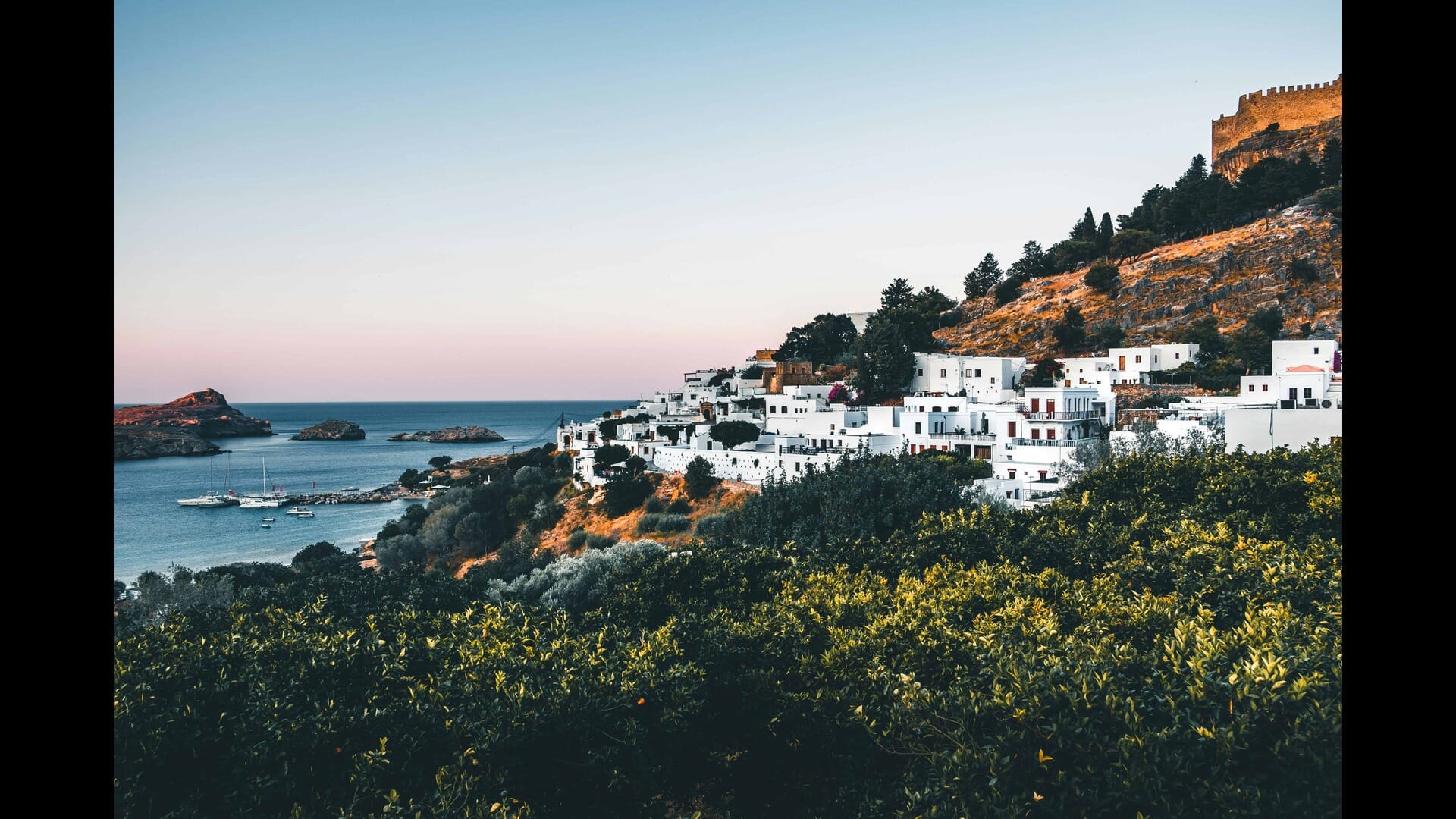
Exploring the Ancient Roman City of Philippi: A Journey Through Time
Exploring the Ancient Roman City of Philippi: A Journey Through Time
Philippi, an ancient city nestled in the heart of Macedonia, Greece, is a treasure trove of history, culture, and breathtaking landscapes. Once a thriving Roman city, Philippi is now a UNESCO World Heritage site that offers visitors a unique glimpse into the past.
This article will take you on an immersive journey through the ancient Roman city of Philippi, exploring its historical significance, archaeological wonders, and practical travel tips for an unforgettable visit.
The Historical Significance of Philippi: An Overview
The ancient city of Philippi was founded in 356 BC by Philip II of Macedon, the father of Alexander the Great. Its strategic location near the Via Egnatia, a crucial Roman road, made it an important center for trade and military operations. The city flourished under Roman rule, becoming a hub of commerce, culture, and politics.
Philippi is perhaps best known for the Battle of Philippi in 42 BC, where the forces of Mark Antony and Octavian defeated the assassins of Julius Caesar, Brutus and Cassius. This battle marked a pivotal moment in Roman history, leading to the rise of the Roman Empire.
In addition to its military significance, Philippi is also notable for its early Christian history. The Apostle Paul visited the city during his missionary journeys, establishing one of the first Christian communities in Europe. The Letter to the Philippians in the New Testament is addressed to this community, highlighting the city’s importance in early Christianity.
Getting to Philippi: Travel Logistics and Tips
How to Reach Philippi from Major Cities
Philippi is located near the modern town of Kavala, making it easily accessible from several major cities in Greece. Here are some travel options:
- By Air: The nearest airport is Kavala International Airport (KVA), which is approximately 30 kilometers from Philippi. Several domestic and international flights connect to this airport.
- By Train: You can take a train to Kavala from Thessaloniki, which is about 150 kilometers away. From Kavala, local buses or taxis can take you to Philippi.
- By Car: Renting a car is a convenient option for exploring the region. The drive from Thessaloniki to Philippi takes about 2 hours, and the roads are well-maintained.
Best Time to Visit Philippi
The ideal time to visit Philippi is during the spring (April to June) and fall (September to October) when the weather is mild, and the tourist crowds are smaller. Summer can be hot, with temperatures often exceeding 30°C (86°F), while winter can bring chilly weather and occasional rain.
Exploring the Archaeological Sites of Philippi
The Ancient Theater of Philippi: A Marvel of Roman Engineering
One of the most impressive structures in Philippi is its ancient theater, which dates back to the 4th century BC. Originally built for Greek dramas, the theater was later renovated by the Romans, who expanded its capacity to accommodate up to 5,000 spectators.
As you stand in the theater, you can almost hear the echoes of ancient performances. The acoustics are remarkable, allowing even the faintest whisper to be heard from the stage to the highest seats. The theater is still used today for cultural events, providing a unique opportunity to experience the blend of history and modernity.
The Forum: The Heart of Roman Philippi
The Forum was the center of public life in ancient Philippi, serving as a marketplace and a gathering place for citizens. Here, you can explore the remains of various structures, including temples, shops, and public buildings. The ruins of the basilica, which was built in the 5th century AD, are particularly noteworthy, showcasing the transition from paganism to Christianity in the city.
The Basilica of Philippi: A Testament to Early Christianity
The Basilica of Philippi is one of the largest early Christian basilicas in Greece. Built in the 5th century AD, it features stunning mosaics and intricate architectural details. As you walk through the ruins, take a moment to reflect on the significance of this site in the spread of Christianity throughout Europe.
The Acropolis of Philippi: A Panoramic View of History
For those willing to hike a bit, the Acropolis of Philippi offers breathtaking views of the surrounding landscape. The site includes the remains of ancient fortifications, temples, and a sanctuary dedicated to the goddess Diana. The panoramic view from the Acropolis allows you to appreciate the strategic importance of Philippi in ancient times.
The Cultural Heritage of Philippi: Festivals and Events
The Philippi Festival: Celebrating History and Culture
Every summer, the Philippi Festival brings together artists, musicians, and performers from around the world to celebrate the city’s rich cultural heritage. The festival features theatrical performances, concerts, and art exhibitions, creating a vibrant atmosphere that attracts both locals and tourists.
Local Cuisine: A Taste of Macedonian Flavors
No visit to Philippi would be complete without indulging in the local cuisine. The region is known for its delicious dishes, including grilled meats, fresh seafood, and traditional Macedonian pastries. Be sure to try local specialties such as moussaka, souvlaki, and baklava at one of the many tavernas in the area.
Practical Tips for Visiting Philippi
What to Wear and Bring
When visiting Philippi, it’s essential to wear comfortable clothing and sturdy shoes, as you’ll be exploring ancient ruins and uneven terrain. Don’t forget to bring sunscreen, a hat, and plenty of water, especially during the warmer months.
Guided Tours vs. Self-Guided Exploration
While you can explore Philippi on your own, consider joining a guided tour to gain deeper insights into the history and significance of the site. Many local guides offer tours that include visits to the major archaeological sites, as well as stories and anecdotes that bring the history of Philippi to life.
Nearby Attractions: Extending Your Journey
The Town of Kavala: A Coastal Gem
Just a short drive from Philippi, the town of Kavala is a beautiful coastal destination worth exploring. Known for its picturesque harbor, stunning beaches, and historical sites, Kavala offers a perfect blend of relaxation and adventure. Don’t miss the chance to visit the Kavala Fortress, which provides panoramic views of the town and the Aegean Sea.
Mount Athos: A Spiritual Retreat
For those seeking a unique spiritual experience, consider visiting Mount Athos, a UNESCO World Heritage site and an important center of Eastern Orthodox monasticism. Accessible only by boat, this sacred mountain is home to 20 monasteries that date back to the 10th century. While women are not permitted to enter Mount Athos, men can explore its rich spiritual heritage and breathtaking landscapes.
Reflections on the Importance of Philippi in Modern Times
Visiting the ancient Roman city of Philippi is not just a journey through history; it’s an opportunity to reflect on the enduring legacy of this remarkable site. As you walk among the ruins, consider the lives of those who once inhabited this vibrant city, the battles fought for its control, and the faith that spread from its streets.
Philippi serves as a reminder of the interconnectedness of history, culture, and spirituality. It invites us to appreciate the past while inspiring us to create a better future.
Conclusion: Your Journey Awaits
The ancient Roman city of Philippi is a destination that promises to captivate your imagination and enrich your understanding of history. From its archaeological wonders to its cultural heritage, Philippi offers a unique travel experience that is both educational and inspiring. Whether you’re a history enthusiast, a spiritual seeker, or simply a curious traveler, Philippi has something to offer everyone.
So pack your bags, embark on this journey through time, and let the ancient city of Philippi leave an indelible mark on your heart and mind.