
The Unique Flora and Fauna of the UAE Desert
The Unique Flora and Fauna of the UAE Desert
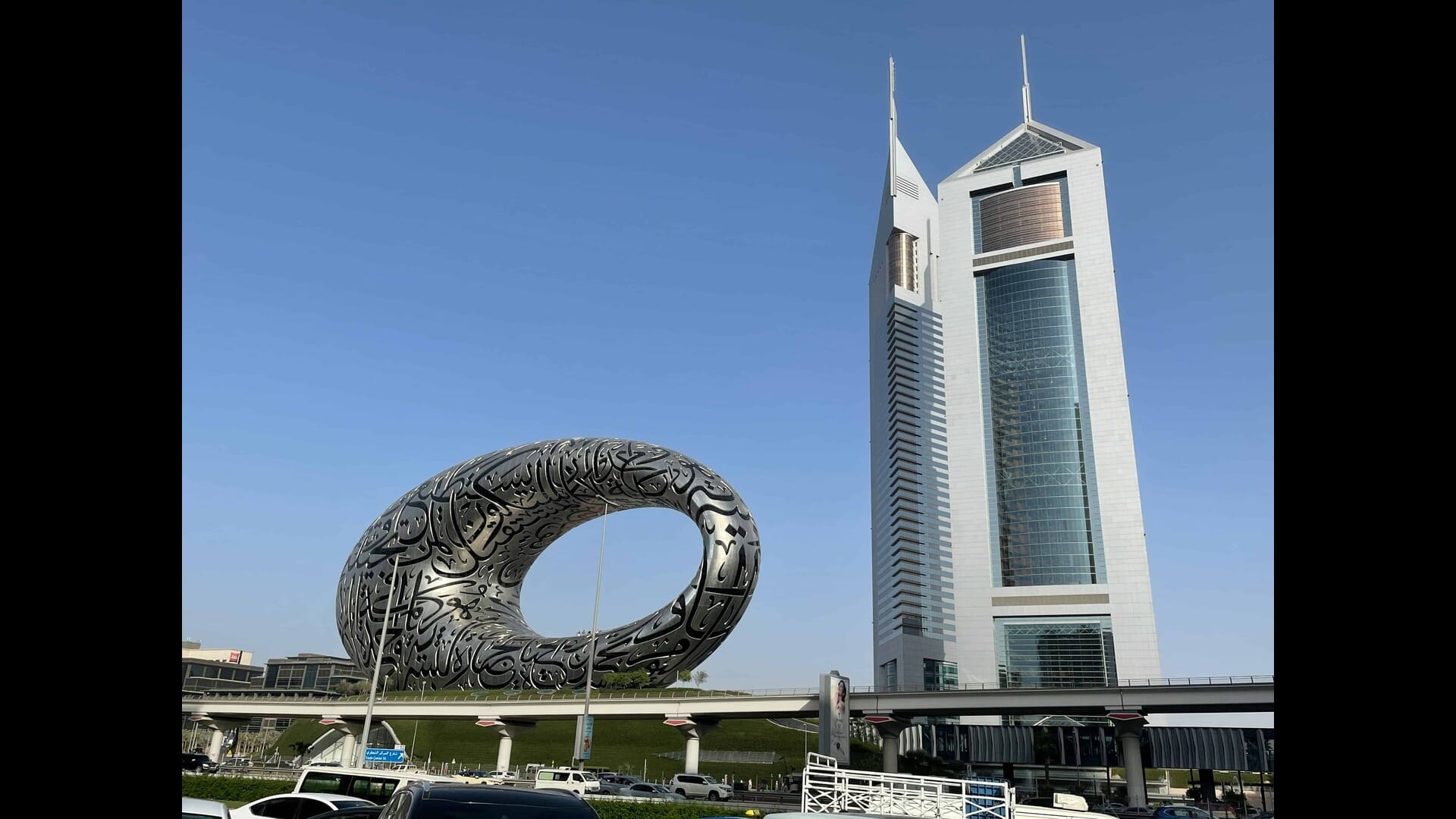
The United Arab Emirates (UAE) is often perceived as a land of skyscrapers, luxury shopping, and opulent lifestyles. However, beneath this modern facade lies a vast and intricate desert ecosystem that is home to a remarkable diversity of flora and fauna.
The UAE desert, characterized by its arid climate and rolling sand dunes, is a treasure trove of unique species that have adapted to survive in one of the harshest environments on Earth. In this article, we will delve deep into the unique flora and fauna of the UAE desert, exploring their adaptations, habitats, and the conservation efforts in place to protect them.
Understanding the UAE Desert Ecosystem
Before we embark on our journey to discover the unique flora and fauna of the UAE desert, it is essential to understand the ecosystem itself. The UAE desert primarily consists of the Arabian Desert, which spans several countries in the Arabian Peninsula. The climate is characterized by extreme temperatures, with scorching summers and mild winters. Rainfall is scarce, averaging only a few centimeters annually, which makes the survival of plant and animal species a remarkable feat.
The desert is not just a barren wasteland; it is a complex ecosystem with various habitats, including sand dunes, gravel plains, rocky outcrops, and salt flats. Each of these habitats supports different species of plants and animals, showcasing the incredible biodiversity of the region.
Unique Flora of the UAE Desert
1. Resilient Desert Plants: Adaptations for Survival
The flora of the UAE desert has evolved remarkable adaptations to survive in extreme conditions. Many plants have developed deep root systems to access underground water, while others have adapted to store water in their tissues. Some of the most notable desert plants include:
- Acacia Trees: Known for their ability to thrive in arid conditions, Acacia trees have deep roots that can reach water sources far below the surface. Their leaves are small and waxy, reducing water loss through evaporation.
- Date Palms: A symbol of life in the desert, date palms are not only a source of food but also provide shade and shelter for various desert creatures. They can tolerate high salinity levels, making them well-suited for the UAE's coastal areas.
- Salsola (Saltwort): This hardy plant can thrive in saline soils and is often found in coastal areas. Its succulent leaves help it retain moisture, allowing it to survive in the harsh desert environment.
2. The Iconic Ghaf Tree: A Symbol of Resilience
The Ghaf tree (Prosopis cineraria) is perhaps the most iconic plant of the UAE desert. This tree is not only a vital part of the desert ecosystem but also holds cultural significance for the Emirati people. The Ghaf tree is known for its ability to survive with minimal water, making it a symbol of resilience and endurance. Its broad canopy provides shade for both humans and animals, while its flowers attract various pollinators.
3. Succulents and Cacti: Nature's Water Reservoirs
Succulents and cacti are fascinating examples of how plants have adapted to desert life. In the UAE, you can find various species of succulents that store water in their leaves and stems. Some notable examples include:
- Aloe Vera: Known for its medicinal properties, Aloe Vera is a succulent that thrives in the UAE's arid climate. Its gel-filled leaves are a source of hydration and have numerous health benefits.
- Cactus Species: While not native to the UAE, various cactus species have been introduced and can be found in gardens and parks. These plants are excellent at conserving water and can survive long periods without rainfall.
4. The Role of Desert Flora in Ecosystem Balance
The unique flora of the UAE desert plays a crucial role in maintaining the balance of the ecosystem. Plants provide food and shelter for various animal species, while their roots help prevent soil erosion. Additionally, many desert plants have symbiotic relationships with fungi, which assist them in nutrient absorption, further enhancing their survival in harsh conditions.
Fascinating Fauna of the UAE Desert
5. Desert Wildlife: Adaptations to Harsh Conditions
The fauna of the UAE desert is as diverse as its flora, with various species exhibiting remarkable adaptations to thrive in the arid environment. From mammals to reptiles, the desert is home to an array of wildlife that has evolved to cope with extreme temperatures and limited water resources.
6. The Arabian Oryx: A Conservation Success Story
One of the most iconic animals of the UAE desert is the Arabian Oryx (Oryx leucoryx). Once considered extinct in the wild, conservation efforts have successfully reintroduced this majestic creature back into its natural habitat. The Arabian Oryx is well-adapted to desert life, with its white coat reflecting sunlight and its ability to go long periods without water. These animals are social creatures, often found in small herds, and play a vital role in the desert ecosystem by grazing on vegetation and dispersing seeds.
7. The Sand Gazelle: Graceful Survivors of the Dunes
The Sand Gazelle (Gazella subgutturosa) is another remarkable species that inhabits the UAE desert. Known for their incredible speed and agility, these gazelles are perfectly adapted to life in the sand dunes. Their light-colored coats help them blend into their surroundings, providing camouflage from predators. Sand gazelles are also known for their ability to survive on minimal water, obtaining moisture from the plants they consume.
8. Reptiles of the Desert: Masters of Adaptation
The UAE desert is home to a variety of reptiles, each uniquely adapted to the harsh conditions. Some notable species include:
- Arabian Sand Boa: This non-venomous snake is well-camouflaged in the sandy environment, allowing it to ambush prey effectively. Its burrowing behavior helps it escape the extreme heat of the desert.
- Horned Viper: Known for its distinctive horn-like scales above its eyes, the horned viper is a venomous snake that relies on its camouflage to hunt and evade predators. Its ability to tolerate high temperatures makes it a formidable predator in the desert.
9. Birds of the UAE Desert: Adaptations for Survival
Birds play a crucial role in the desert ecosystem, and several species have adapted to thrive in the UAE's arid environment. Some notable desert birds include:
- Desert Lark: This small bird is known for its ability to forage for insects and seeds in the sandy terrain. Its light coloration helps it blend into the desert landscape, providing protection from predators.
- Greater Hoopoe Lark: A ground-dwelling bird that is well-adapted to the desert, the Greater Hoopoe Lark is known for its distinctive call and ability to find food in the harsh environment.
10. The Importance of Biodiversity in the UAE Desert
The unique flora and fauna of the UAE desert contribute to the overall biodiversity of the region. Biodiversity is essential for ecosystem stability, resilience, and the provision of ecosystem services. The UAE government has recognized the importance of preserving its natural heritage and has implemented various conservation initiatives to protect the desert's unique species and habitats.
Conservation Efforts in the UAE Desert
11. Protected Areas and Reserves
To safeguard the unique flora and fauna of the UAE desert, several protected areas and reserves have been established. These areas serve as sanctuaries for endangered species and provide a space for research and education. Notable reserves include:
- Al Marmoom Desert Conservation Reserve: This vast reserve is home to various desert species, including the Arabian Oryx and Sand Gazelle. It serves as a critical habitat for wildlife and a site for conservation research.
- Dubai Desert Conservation Reserve: Established to protect the natural heritage of the Dubai desert, this reserve is home to various flora and fauna and offers eco-tourism opportunities for visitors to learn about the desert ecosystem.
12. Community Involvement in Conservation
Community involvement is crucial for the success of conservation efforts in the UAE desert. Various organizations and initiatives encourage local communities to participate in protecting their natural environment. Educational programs and awareness campaigns help foster a sense of responsibility towards preserving the unique biodiversity of the desert.
13. The Role of Eco-Tourism in Conservation
Eco-tourism has emerged as a powerful tool for conservation in the UAE desert. By promoting responsible travel practices, eco-tourism helps raise awareness about the importance of preserving the desert's unique flora and fauna. Visitors can engage in activities such as guided nature walks, wildlife watching, and educational workshops, all while contributing to conservation efforts.
Conclusion: Embracing the Beauty of the UAE Desert
The unique flora and fauna of the UAE desert are a testament to the resilience of life in one of the harshest environments on Earth. From the iconic Ghaf tree to the majestic Arabian Oryx, the desert is home to a rich tapestry of species that have adapted to survive against all odds. As we continue to explore and appreciate the beauty of the UAE desert, it is essential to recognize the importance of conservation efforts in preserving this unique ecosystem for future generations.
In conclusion, the UAE desert is not just a backdrop for luxury and modernity; it is a vibrant ecosystem teeming with life. By understanding and respecting the unique flora and fauna that call this desert home, we can ensure that its beauty and biodiversity endure for years to come.