
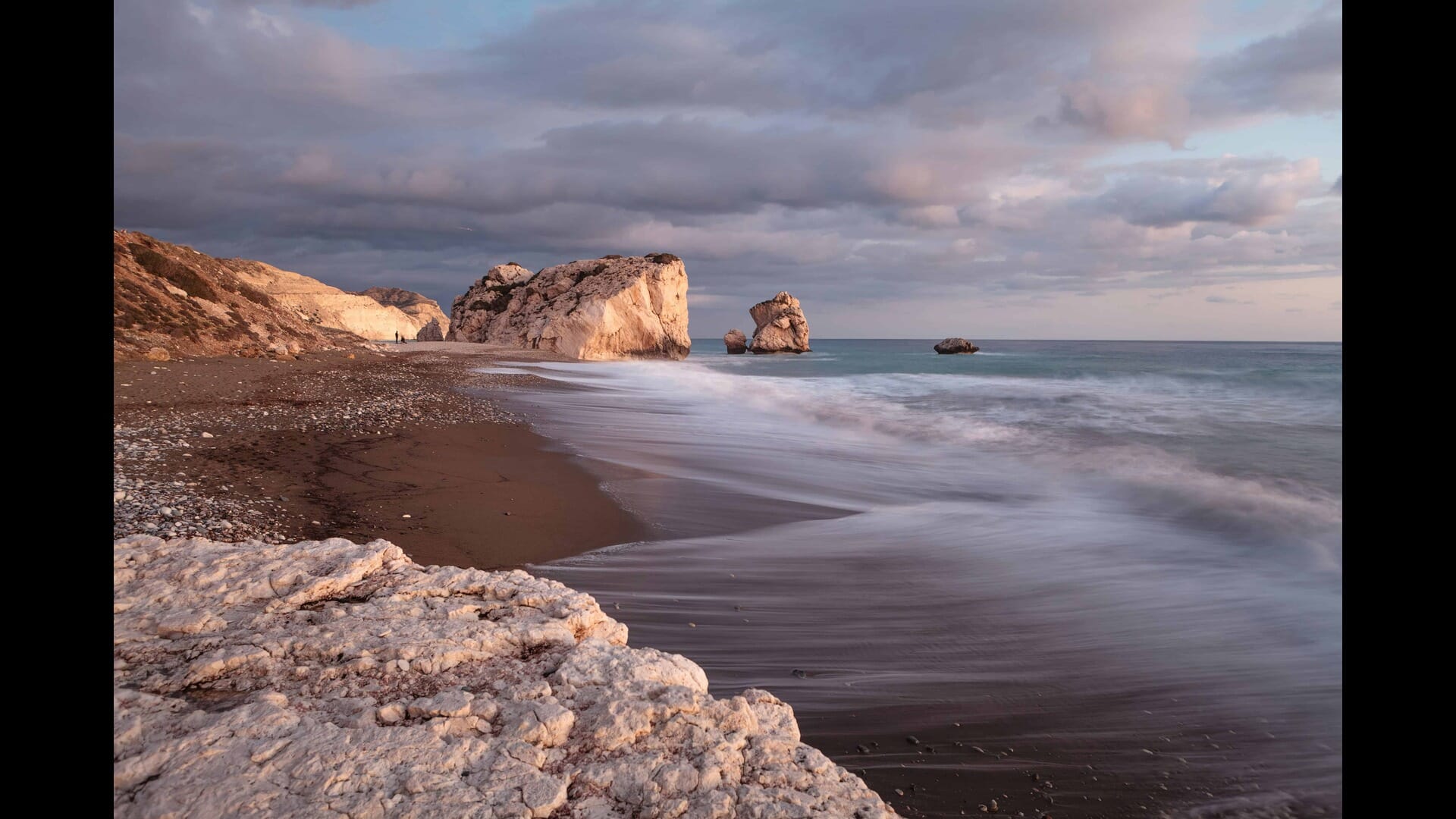
The Unique Flora and Fauna of Cyprus: A Deep Dive into the Island's Biodiversity
The Unique Flora and Fauna of Cyprus: A Deep Dive into the Island's Biodiversity
Cyprus, the third-largest island in the Mediterranean Sea, is a treasure trove of biodiversity, boasting a unique array of flora and fauna that captivates nature lovers and adventurers alike. From its rugged mountains to its serene beaches, Cyprus offers a variety of ecosystems that support a rich tapestry of life.
In this article, we will embark on a journey through the unique flora and fauna of Cyprus, exploring its endemic species, diverse habitats, and the conservation efforts in place to protect this natural heritage.
The Geography of Cyprus and Its Impact on Biodiversity
Cyprus is located at the crossroads of Europe, Asia, and Africa, which has significantly influenced its biodiversity. The island's varied topography, ranging from the Troodos Mountains in the south to the coastal plains in the north, creates distinct microclimates that support different types of vegetation and wildlife. The Mediterranean climate, characterized by hot, dry summers and mild, wet winters, further contributes to the island's rich biodiversity.
The Troodos Mountains: A Biodiversity Hotspot
The Troodos Mountains are the highest range in Cyprus, reaching an elevation of 1,952 meters at Mount Olympus. This mountainous region is home to a variety of ecosystems, including forests of pine, cedar, and juniper trees. The cooler temperatures and higher rainfall in the mountains create a suitable habitat for many endemic species.
Endemic Flora of the Troodos Mountains
Among the unique flora found in the Troodos Mountains are several endemic plant species, such as the Troodos daisy (Asteriscus maritimus) and the Cyprus tulip (Tulipa cypria). These plants have adapted to the specific conditions of the region and are not found anywhere else in the world.
Wildlife of the Troodos Mountains
The Troodos Mountains also serve as a sanctuary for various wildlife species. The Cyprus mouflon (Ovis gmelini), a wild sheep that is endemic to the island, roams the rugged terrain. The mountains are also home to the Cyprus warbler (Sylvia melanothorax), a bird species that thrives in the dense shrubland of the region.
Coastal Ecosystems: The Rich Marine Life of Cyprus
Cyprus is surrounded by the azure waters of the Mediterranean Sea, which are teeming with life. The coastal ecosystems, including rocky shores, sandy beaches, and seagrass meadows, provide habitats for numerous marine species.
Seagrass Meadows and Their Importance
Seagrass meadows, particularly those dominated by Posidonia oceanica, play a crucial role in maintaining the health of marine ecosystems. These underwater gardens provide shelter and food for various marine organisms, including fish, crustaceans, and mollusks. They also help stabilize the seabed and improve water quality by filtering pollutants.
Marine Species of Cyprus
The waters around Cyprus are home to a diverse range of marine life. Notable species include the loggerhead sea turtle (Caretta caretta), which nests on the island's beaches, and the Mediterranean monk seal (Monachus monachus), one of the world's rarest marine mammals. The vibrant coral reefs and rocky outcrops support a multitude of fish species, making Cyprus a popular destination for snorkeling and diving enthusiasts.
The Unique Flora of Cyprus: A Closer Look at Endemic Plants
Cyprus is renowned for its rich plant life, with over 1,900 species of flowering plants, many of which are endemic to the island. This section will explore some of the most fascinating plants that call Cyprus home.
The Cyprus Cedar: A Symbol of Resilience
The Cyprus cedar (Cedrus brevifolia) is a tree species endemic to the island and is considered a symbol of resilience. These majestic trees can live for over a thousand years and are found primarily in the Troodos Mountains. Their wood is highly valued for its durability and aromatic properties, making it a popular choice for furniture and construction.
The Cyprus Orchid: A Floral Marvel
The Cyprus orchid (Ophrys cypria) is a stunning flower that blooms in the spring. Its unique appearance, resembling a bee, attracts pollinators and adds to the island's floral diversity. This orchid is just one of the many species that thrive in Cyprus's varied habitats.
Medicinal Plants of Cyprus
Cyprus is also home to numerous medicinal plants that have been used for centuries in traditional medicine. The wild thyme (Thymus capitatus) and sage (Salvia fruticosa) are just a couple of examples of plants that are valued for their healing properties. These herbs are often used in local cuisine and are believed to have various health benefits.
The Fauna of Cyprus: A Diverse Range of Wildlife
Cyprus is not only rich in plant life but also boasts a diverse array of animal species. From birds to mammals, the island's wildlife is as varied as its landscapes.
Birdwatching in Cyprus: A Paradise for Ornithologists
Cyprus is a haven for birdwatchers, with over 400 species recorded on the island. The diverse habitats, including wetlands, forests, and coastal areas, attract migratory birds and resident species alike.
Notable Bird Species of Cyprus
Among the notable bird species found in Cyprus are the Cyprus warbler, the black-crowned night heron (Nycticorax nycticorax), and the eleonora's falcon (Falco eleonorae). The island's strategic location along migratory routes makes it an important stopover for birds traveling between Europe and Africa.
Mammals of Cyprus: From Endemic Species to Common Residents
The mammalian fauna of Cyprus includes both endemic species and common residents. The Cyprus mouflon, as previously mentioned, is a key species, while the Cyprus rat (Rattus rattus) and the Cyprus hedgehog (Erinaceus concolor) are also notable inhabitants of the island.
The Importance of Conservation Efforts
Conservation efforts in Cyprus are crucial for protecting the island's unique wildlife. Organizations such as the BirdLife Cyprus and the Cyprus Wildlife Society work tirelessly to promote awareness and implement strategies to safeguard the island's natural heritage.
Nature Reserves in Cyprus: Protecting Biodiversity
Cyprus is home to several nature reserves and protected areas that play a vital role in conserving the island's biodiversity. These areas provide refuge for endangered species and help preserve unique ecosystems.
Akamas Peninsula National Park
The Akamas Peninsula National Park is a UNESCO Biosphere Reserve that showcases the island's stunning landscapes and rich biodiversity. The park is home to a variety of habitats, including cliffs, forests, and wetlands, making it a hotspot for wildlife.
Flora and Fauna of Akamas
The Akamas Peninsula is known for its diverse plant life, including the rare wild cyclamen (Cyclamen cyprium) and the golden samphire (Salicornia europaea). The park is also a breeding ground for the loggerhead sea turtle and provides habitat for various bird species.
Cape Greco National Forest Park
Cape Greco National Forest Park is another important protected area in Cyprus. This park is famous for its stunning coastal cliffs, crystal-clear waters, and rich marine life. The park's diverse ecosystems support a variety of plant and animal species, making it a popular destination for nature lovers.
Activities in the National Parks
Visitors to Cyprus can explore the national parks through various activities, including hiking, birdwatching, and snorkeling. The well-marked trails and guided tours offer opportunities to experience the island's natural beauty up close.
The Role of Local Communities in Conservation
The conservation of Cyprus's unique flora and fauna relies not only on government initiatives but also on the involvement of local communities. Many residents are passionate about preserving their natural heritage and actively participate in conservation efforts.
Sustainable Tourism Practices
Sustainable tourism practices are gaining traction in Cyprus, with many local businesses promoting eco-friendly initiatives. Tour operators are increasingly offering nature-focused tours that educate visitors about the island's biodiversity while minimizing environmental impact.
Community-Led Conservation Projects
Community-led conservation projects, such as habitat restoration and wildlife monitoring, are essential for protecting Cyprus's unique ecosystems. Local volunteers often collaborate with environmental organizations to implement these initiatives, fostering a sense of stewardship for the island's natural resources.
The Future of Cyprus's Biodiversity: Challenges and Opportunities
While Cyprus boasts a rich array of flora and fauna, it also faces several challenges that threaten its biodiversity. Climate change, habitat loss, and pollution are just a few of the issues that need to be addressed to ensure the survival of the island's unique species.
Climate Change and Its Impact on Biodiversity
Climate change poses a significant threat to Cyprus's ecosystems, affecting species distribution and altering habitats. Rising temperatures and changing precipitation patterns can disrupt the delicate balance of the island's flora and fauna, leading to potential declines in biodiversity.
Habitat Loss and Urbanization
Rapid urbanization and land development in Cyprus have resulted in habitat loss for many species. As natural areas are converted for agriculture and infrastructure, the remaining habitats become fragmented, making it challenging for wildlife to thrive.
Opportunities for Conservation
Despite these challenges, there are opportunities for conservation in Cyprus. Increased awareness of environmental issues and the growing interest in sustainable tourism can lead to more significant efforts to protect the island's biodiversity. Collaborative initiatives between government agencies, NGOs, and local communities can help create a more sustainable future for Cyprus's unique flora and fauna.
Conclusion: Embracing the Natural Wonders of Cyprus
Cyprus is a land of stunning landscapes and remarkable biodiversity. From the endemic species of the Troodos Mountains to the vibrant marine life surrounding the island, Cyprus offers a unique opportunity to explore and appreciate nature. By understanding the importance of conservation and supporting sustainable practices, we can help protect this natural heritage for future generations. Whether you're a nature enthusiast, a birdwatcher, or simply someone seeking adventure, the unique flora and fauna of Cyprus await your discovery. Embrace the natural wonders of this Mediterranean gem and experience the beauty of its diverse ecosystems firsthand.