
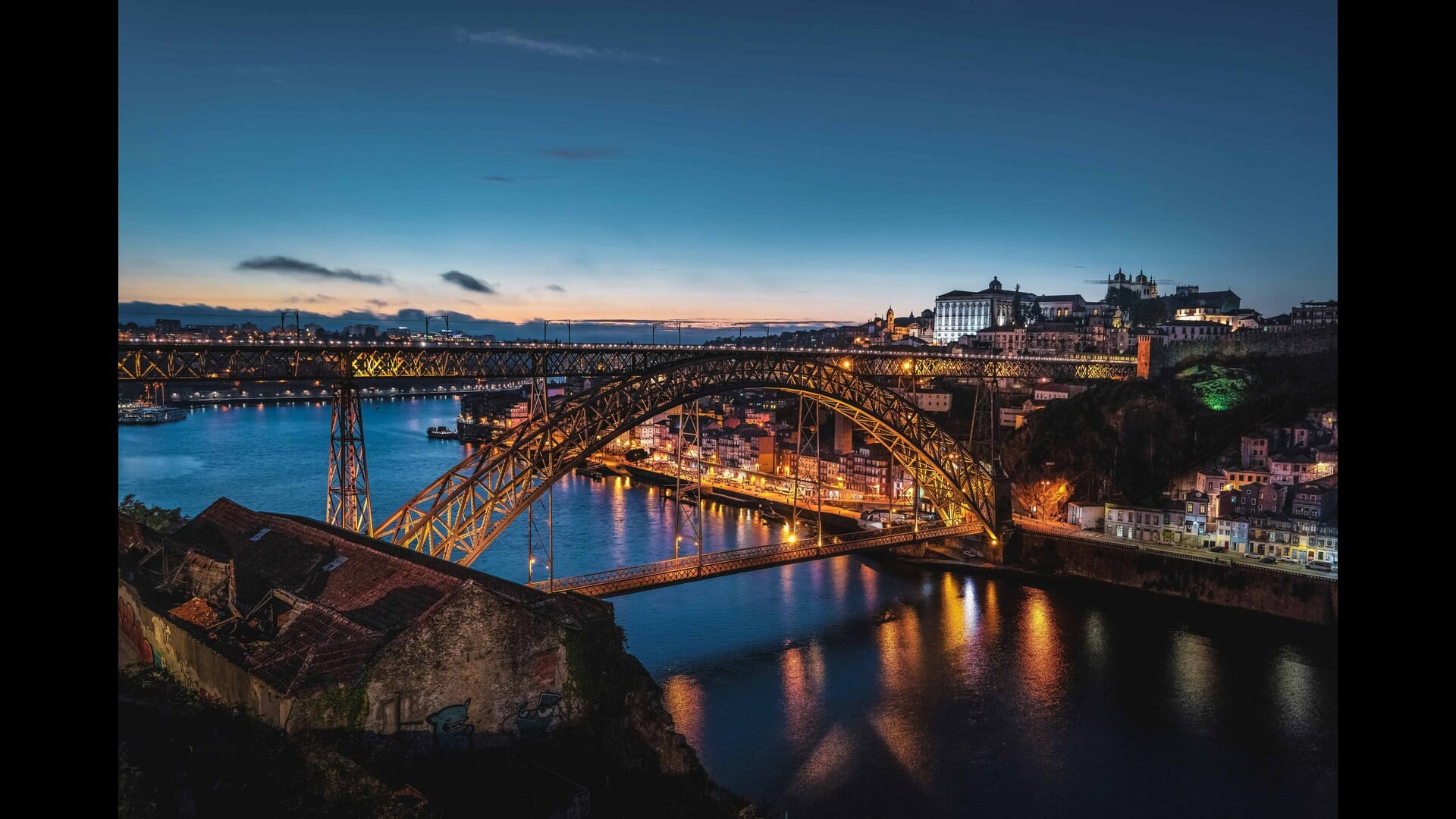
The Unique Architecture of Lisbon's Bridges: A Journey Through Engineering Marvels
The Unique Architecture of Lisbon's Bridges: A Journey Through Engineering Marvels
Lisbon, the sun-kissed capital of Portugal, is a city that seamlessly blends history, culture, and stunning architecture. Among its many architectural wonders, the bridges that span the Tagus River stand out as remarkable feats of engineering and design. This article takes you on an in-depth exploration of the unique architecture of Lisbon's bridges, showcasing their historical significance, engineering marvels, and the breathtaking views they offer.
The Historical Context of Lisbon's Bridges
Before delving into the architectural details of Lisbon's bridges, it’s essential to understand the historical context that led to their construction. The Tagus River, which flows through Lisbon, has been a vital waterway since ancient times, facilitating trade and transportation. As the city grew, so did the need for infrastructure that could support its burgeoning population and economy.
The first bridges in Lisbon were simple wooden structures, but as the city evolved, so did its engineering capabilities. The 18th century marked a significant turning point in bridge construction, with the introduction of stone and iron materials that allowed for more ambitious designs. Today, Lisbon boasts a variety of bridges, each with its own unique story and architectural style.
The Iconic 25 de Abril Bridge: A Testament to Engineering Excellence
One of the most recognizable landmarks in Lisbon is the 25 de Abril Bridge. Often compared to San Francisco's Golden Gate Bridge due to its similar coloring and suspension design, the 25 de Abril Bridge is a stunning example of modern engineering.
Design and Construction of the 25 de Abril Bridge
Completed in 1966, the 25 de Abril Bridge was initially designed to accommodate road traffic. However, it was later adapted to include a lower deck for trains, making it a vital transportation link between Lisbon and the municipality of Almada. The bridge spans approximately 2.277 kilometers (1.42 miles) and features a main span of 1,013 meters (3,323 feet).
The bridge's design is characterized by its striking red color, which was chosen to complement the surrounding landscape. The steel structure is supported by massive towers that rise 70 meters (230 feet) above the river, providing a dramatic silhouette against the Lisbon skyline.
Cultural Significance of the 25 de Abril Bridge
Beyond its engineering prowess, the 25 de Abril Bridge holds cultural significance for the people of Lisbon. It symbolizes the city’s resilience and growth, serving as a reminder of the progress made since the mid-20th century. The bridge is often featured in photographs and postcards, making it an iconic representation of Lisbon.
Ponte Vasco da Gama: A Modern Marvel of Engineering
Another prominent bridge in Lisbon is the Ponte Vasco da Gama, which stretches across the Tagus River and is one of the longest bridges in Europe. Opened in 1998, this cable-stayed bridge is a testament to modern engineering and design.
The Engineering Feats Behind Ponte Vasco da Gama
The Ponte Vasco da Gama spans an impressive 17.2 kilometers (10.7 miles), making it a critical transportation route for both vehicles and pedestrians. Its design incorporates a series of cable-stayed sections, allowing for a lightweight structure that minimizes the impact on the environment.
The bridge was constructed to accommodate the increasing traffic demands of the region, particularly during the Expo 98 World Exhibition. Its unique design not only serves a practical purpose but also enhances the aesthetic appeal of the Lisbon skyline.
Scenic Views from Ponte Vasco da Gama
Travelers crossing the Ponte Vasco da Gama are treated to breathtaking views of the Tagus River and the surrounding landscape. The bridge offers a unique vantage point for observing Lisbon's vibrant waterfront and the picturesque hills that define the city's topography. The experience of driving or walking across this engineering marvel is one that leaves a lasting impression.
The Historic Ponte 25 de Abril: A Bridge with a Story
While the 25 de Abril Bridge and Ponte Vasco da Gama are the most famous, Lisbon is home to several other historic bridges that tell the story of the city’s past. One such bridge is the Ponte 25 de Abril, which has a rich history intertwined with the development of Lisbon.
The Origins of Ponte 25 de Abril
Originally named the Ponte Salazar after the Portuguese dictator, the bridge was renamed in 1974 to commemorate the Carnation Revolution, a peaceful coup that ended the dictatorship. This historical significance adds depth to the bridge's architectural beauty, making it a symbol of freedom and change.
Architectural Features of Ponte 25 de Abril
The Ponte 25 de Abril features a similar design to the Golden Gate Bridge, with its suspension cables and striking red color. The bridge's architectural features include massive steel trusses and a unique cantilevered design that allows for both road and rail traffic. Its impressive length and height make it a remarkable sight against the backdrop of the Lisbon skyline.
The Lesser-Known Bridges of Lisbon: Hidden Gems to Explore
While the 25 de Abril and Ponte Vasco da Gama often steal the spotlight, Lisbon is home to several lesser-known bridges that are equally fascinating. Exploring these hidden gems offers a deeper understanding of the city’s architectural diversity.
The Ponte da Praça da Figueira
Located in the heart of Lisbon, the Ponte da Praça da Figueira is a charming bridge that connects the bustling Praça da Figueira square to the historic Alfama district. This pedestrian bridge is adorned with intricate ironwork and provides a picturesque view of the surrounding architecture.
The Ponte do Arco do Cego
Another hidden gem is the Ponte do Arco do Cego, a beautiful stone bridge that dates back to the 18th century. This bridge features elegant arches and is surrounded by lush greenery, making it a peaceful retreat from the city’s hustle and bustle. Its historical significance and architectural beauty make it a must-visit for those exploring Lisbon’s bridges.
The Role of Bridges in Lisbon's Urban Development
Bridges play a crucial role in the urban development of Lisbon, facilitating transportation and connecting neighborhoods. As the city has grown, so has the need for efficient infrastructure that can support its residents and visitors.
Transportation and Accessibility
The construction of bridges in Lisbon has significantly improved transportation and accessibility within the city. The 25 de Abril Bridge and Ponte Vasco da Gama, in particular, have become vital links between Lisbon and its surrounding areas, reducing travel times and enhancing connectivity.
Economic Impact of Lisbon's Bridges
Beyond transportation, the bridges of Lisbon have also had a positive economic impact on the region. By facilitating trade and tourism, these engineering marvels contribute to the city’s economy and support local businesses. The scenic views and historical significance of the bridges attract visitors from around the world, further boosting Lisbon’s status as a travel destination.
The Aesthetic Appeal of Lisbon's Bridges
The aesthetic appeal of Lisbon's bridges cannot be overstated. Each bridge offers a unique visual experience, contributing to the city’s overall charm and character.
Photography Opportunities
For photographers and travelers alike, Lisbon's bridges provide endless opportunities for stunning shots. The interplay of light and shadow, combined with the vibrant colors of the bridges and the surrounding landscape, creates a picturesque setting that captures the essence of the city.
Iconic Views of Lisbon
Many of Lisbon's bridges offer iconic views of the city’s skyline, including landmarks such as the Belém Tower and the Jerónimos Monastery. Whether viewed from the water or from the banks of the river, these perspectives showcase the harmonious blend of nature and architecture that defines Lisbon.
The Future of Lisbon's Bridges: Sustainability and Innovation
As Lisbon continues to evolve, the future of its bridges is focused on sustainability and innovation. Engineers and architects are exploring new technologies and materials to ensure that these structures remain functional and environmentally friendly.
Sustainable Design Practices
The incorporation of sustainable design practices in bridge construction is becoming increasingly important. This includes using eco-friendly materials, minimizing environmental impact, and creating structures that blend seamlessly with the natural landscape.
Innovative Engineering Solutions
Innovative engineering solutions are also being explored to enhance the functionality of Lisbon's bridges. This includes the integration of smart technology that can monitor the structural integrity of bridges and improve traffic management, ensuring that these vital links remain safe and efficient for years to come.
Conclusion: A Journey Through Lisbon's Architectural Wonders
The unique architecture of Lisbon's bridges is a testament to the city’s rich history, cultural significance, and engineering excellence. From the iconic 25 de Abril Bridge to the lesser-known gems that dot the landscape, each bridge tells a story that contributes to the vibrant tapestry of Lisbon.
As you explore the city, take the time to appreciate these architectural marvels and the role they play in connecting people, places, and histories. Whether you’re a history buff, an architecture enthusiast, or simply a traveler seeking breathtaking views, Lisbon's bridges offer a captivating journey through time and design.
In conclusion, the bridges of Lisbon are not just functional structures; they are symbols of the city’s resilience, innovation, and beauty. So, the next time you find yourself in Lisbon, don’t forget to look up and marvel at the unique architecture that spans the Tagus River.