
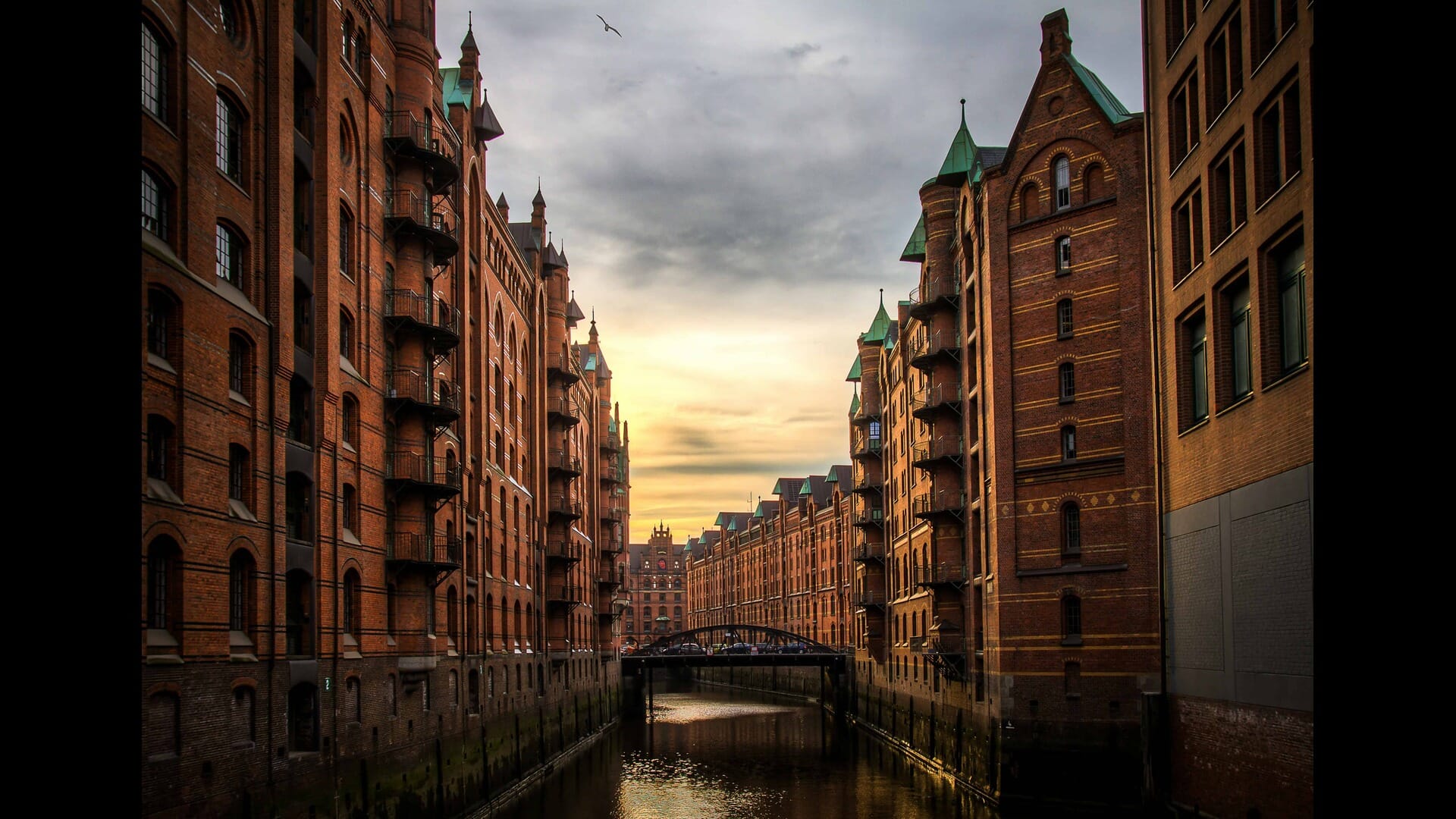
Exploring the UNESCO World Heritage Sites of Germany: A Journey Through History and Culture
Exploring the UNESCO World Heritage Sites of Germany: A Journey Through History and Culture
Germany, a country steeped in rich history and vibrant culture, boasts an impressive array of UNESCO World Heritage Sites that beckon travelers from around the globe. From medieval towns to architectural marvels, these sites tell the story of Germany's past and present, showcasing its cultural heritage and natural beauty.
In this comprehensive travel guide, we will take you on a journey through the most significant UNESCO sites in Germany, providing insights, tips, and detailed descriptions to enhance your travel experience.
What Are UNESCO World Heritage Sites?
Before we dive into the specifics of Germany's UNESCO sites, it’s essential to understand what UNESCO World Heritage Sites are. Established by the United Nations Educational, Scientific and Cultural Organization (UNESCO), these sites are recognized for their outstanding cultural or natural importance to the common heritage of humanity. They are categorized into two main types: Cultural Heritage Sites and Natural Heritage Sites. Germany is home to 51 UNESCO World Heritage Sites, making it one of the countries with the most sites worldwide.
The Historical Significance of Germany's UNESCO Sites
Germany's UNESCO sites are a testament to its tumultuous history, showcasing everything from ancient Roman ruins to modern architectural innovations. Each site tells a unique story, reflecting the diverse influences that have shaped the nation over centuries. As you explore these sites, you will encounter remnants of the Roman Empire, the grandeur of the Holy Roman Empire, and the artistic movements that flourished during the Renaissance and Baroque periods.
Top UNESCO World Heritage Sites to Visit in Germany
1. The Cologne Cathedral: A Gothic Marvel
Location: Cologne, North Rhine-Westphalia
Year Inscribed: 1996
Significance: Architectural masterpiece
The Cologne Cathedral, or Kölner Dom, is a stunning example of Gothic architecture and one of Germany's most iconic landmarks. Construction began in 1248 and continued for over 600 years, resulting in a breathtaking structure that towers over the city. The cathedral is renowned for its intricate stained glass windows, detailed sculptures, and twin spires that reach a height of 157 meters. Visitors can climb the 533 steps to the observation platform for panoramic views of Cologne and the Rhine River.
2. The Berlin Modernism Housing Estates: A Testament to Urban Planning
Location: Berlin
Year Inscribed: 2008
Significance: Urban architectural innovation
The Berlin Modernism Housing Estates are a collection of residential buildings that exemplify the principles of modernist architecture and urban planning from the early 20th century. Designed by renowned architects such as Bruno Taut and Martin Wagner, these estates emphasize functionality, light, and green spaces. A visit to these estates offers insight into the social housing movements of the time and the evolution of urban living in Berlin.
3. The Würzburg Residence: A Baroque Masterpiece
Location: Würzburg, Bavaria
Year Inscribed: 1981
Significance: Architectural and artistic significance
The Würzburg Residence is a stunning Baroque palace that served as the residence of the Prince-Bishops of Würzburg. This UNESCO site is celebrated for its opulent architecture, exquisite frescoes by Giovanni Battista Tiepolo, and beautifully landscaped gardens. The grand staircase and the Imperial Hall are must-see highlights that showcase the grandeur of Baroque design.
4. The Historic Town of Regensburg: A Medieval Gem
Location: Regensburg, Bavaria
Year Inscribed: 2006
Significance: Preservation of medieval architecture
Regensburg is one of Germany's best-preserved medieval towns, with a history dating back to Roman times. The town's UNESCO status is attributed to its well-preserved architecture, including the iconic Stone Bridge and the impressive Regensburg Cathedral. Strolling through the cobblestone streets, visitors can admire the charming medieval buildings, vibrant squares, and the picturesque Danube River.
5. The Upper Middle Rhine Valley: A Scenic Cultural Landscape
Location: Rhineland-Palatinate
Year Inscribed: 2002
Significance: Cultural landscape and vineyards
The Upper Middle Rhine Valley is a UNESCO World Heritage Site known for its stunning landscapes, historic castles, and terraced vineyards. Stretching approximately 65 kilometers along the Rhine River, this region is dotted with charming towns such as Bacharach and Rüdesheim. Visitors can take a scenic boat cruise along the Rhine, explore the many castles, and sample local wines from the renowned vineyards.
6. The Bauhaus and its Sites in Weimar and Dessau: A Revolutionary Movement
Location: Weimar and Dessau
Year Inscribed: 1996
Significance: Architectural and design innovation
The Bauhaus movement, founded by Walter Gropius in 1919, revolutionized art, architecture, and design. The UNESCO sites in Weimar and Dessau include the original Bauhaus building, the Masters' Houses, and the Haus am Horn. These sites reflect the principles of functional design, simplicity, and the integration of art and technology. A visit to these locations provides a deeper understanding of the Bauhaus philosophy and its lasting impact on modern design.
7. The Palaces and Parks of Potsdam and Berlin: A Royal Legacy
Location: Potsdam and Berlin
Year Inscribed: 1990
Significance: Cultural landscape and royal architecture
The Palaces and Parks of Potsdam and Berlin are a UNESCO World Heritage Site that showcases the grandeur of Prussian royalty. The site includes the magnificent Sanssouci Palace, the New Palace, and the expansive gardens that surround them. Visitors can explore the opulent interiors, stroll through the beautifully landscaped gardens, and learn about the history of the Prussian kings who once resided here.
8. The Town of Bamberg: A UNESCO World Heritage Treasure
Location: Bamberg, Bavaria
Year Inscribed: 1993
Significance: Preservation of medieval town planning
Bamberg is a picturesque town that boasts a well-preserved medieval layout and stunning architecture. The town is known for its unique blend of Romanesque, Gothic, and Baroque buildings, including the iconic Bamberg Cathedral and the Old Town Hall, which sits on an island in the Regnitz River. A stroll through Bamberg's charming streets reveals beautiful half-timbered houses and vibrant squares, making it a must-visit destination for history and architecture enthusiasts.
9. The Roman Monuments, Cathedral of St. Peter and Church of Our Lady in Trier: Ancient Heritage
Location: Trier, Rhineland-Palatinate
Year Inscribed: 1986
Significance: Roman heritage and architecture
Trier, Germany's oldest city, is home to a remarkable collection of Roman monuments, including the Porta Nigra, the Roman amphitheater, and the Imperial Baths. The Cathedral of St. Peter and the Church of Our Lady are also significant sites that showcase the evolution of architecture from Roman to Gothic styles. A visit to Trier offers a fascinating glimpse into the Roman Empire's influence on German history.
10. The Fagus Factory: A Landmark of Modern Industrial Architecture
Location: Alfeld, Lower Saxony
Year Inscribed: 2011
Significance: Industrial architecture and design
The Fagus Factory, designed by Walter Gropius and Adolf Meyer, is a pioneering example of modern industrial architecture. Built in 1911, the factory is celebrated for its innovative use of glass and steel, which allows for natural light to flood the workspace. The design reflects the principles of functionality and efficiency that characterize the Bauhaus movement. Visitors can take guided tours to learn about the factory's history and its significance in the evolution of industrial design.
Tips for Visiting Germany's UNESCO Sites
Exploring Germany's UNESCO World Heritage Sites can be a rewarding experience, but a little planning goes a long way. Here are some tips to enhance your visit:
1. Plan Your Itinerary Wisely
With so many UNESCO sites to choose from, it’s essential to plan your itinerary based on your interests and the time you have available. Consider grouping sites that are geographically close to each other to maximize your travel experience.
2. Consider Guided Tours
Many UNESCO sites offer guided tours that provide in-depth knowledge and insights into the history and significance of the sites. Joining a guided tour can enhance your understanding and appreciation of the cultural heritage.
3. Check Opening Hours and Accessibility
Before visiting, check the opening hours and accessibility of each site. Some sites may have seasonal hours or require advance booking, especially during peak tourist seasons.
4. Embrace Local Culture and Cuisine
While exploring UNESCO sites, take the opportunity to immerse yourself in the local culture and cuisine. Try regional dishes, visit local markets, and engage with the community to enrich your travel experience.
5. Respect the Heritage
As you visit these UNESCO sites, remember to respect the cultural heritage and follow any guidelines or rules in place to preserve the integrity of the sites. This includes refraining from touching artifacts, staying on designated paths, and being mindful of noise levels.
Conclusion: A Journey Through Time
Visiting the UNESCO World Heritage Sites of Germany is more than just a sightseeing adventure; it’s a journey through time that allows you to connect with the rich tapestry of history, culture, and art that defines this remarkable country. Each site offers a unique glimpse into Germany's past and present, inviting you to explore, learn, and appreciate the beauty of its heritage. Whether you’re wandering through the Gothic arches of Cologne Cathedral, marveling at the Baroque elegance of the Würzburg Residence, or strolling along the scenic Rhine Valley, you’ll find that Germany’s UNESCO sites are a treasure trove of experiences waiting to be discovered.
As you plan your trip, remember to take your time, soak in the surroundings, and allow yourself to be captivated by the stories that these sites have to tell. Happy travels!