
The Ultimate Guide to Camping in the Sahara Desert
The Ultimate Guide to Camping in the Sahara Desert
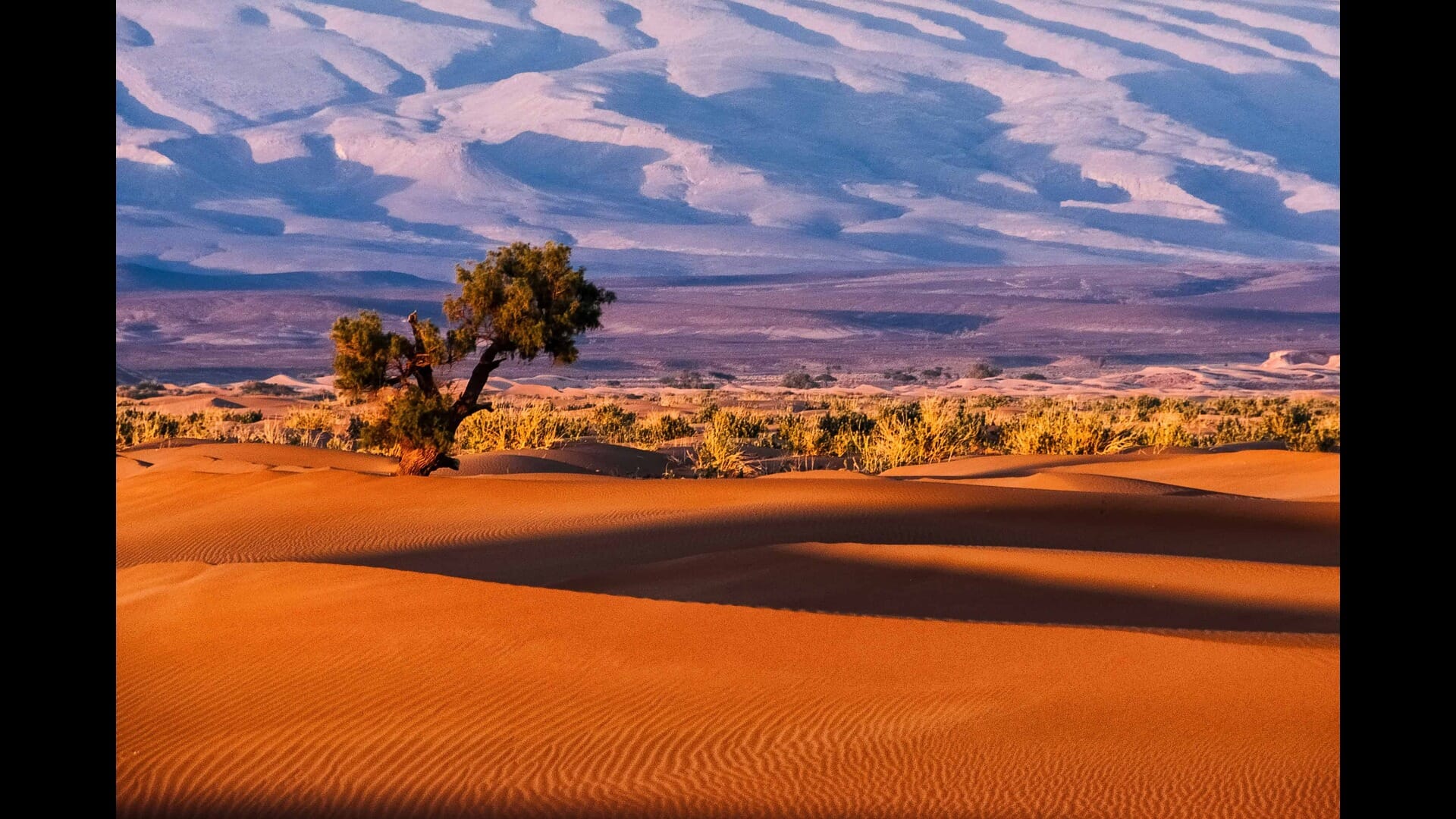
The Sahara Desert, stretching over 9 million square kilometers across North Africa, is one of the most awe-inspiring landscapes on the planet. With its vast dunes, rugged mountains, and unique wildlife, camping in the Sahara offers an unparalleled adventure for those seeking to connect with nature and experience the rich culture of the region.
In this ultimate guide, we will explore everything you need to know about camping in the Sahara Desert, from essential gear to the best campsites, cultural experiences, and safety tips.
1. Understanding the Sahara Desert: Geography and Climate
The Sahara Desert is not just a sea of sand; it is a diverse ecosystem that includes mountains, plateaus, and oases. Understanding the geography and climate of the Sahara is crucial for planning your camping trip.
Geography of the Sahara Desert
The Sahara spans across several countries, including Algeria, Chad, Egypt, Libya, Mali, Mauritania, Morocco, Niger, Sudan, and Tunisia. It features various landscapes, such as:
- Sand Dunes: Iconic and towering, these dunes can reach heights of over 250 meters.
- Rocky Plateaus: Areas like the Tassili n'Ajjer in Algeria are known for their stunning rock formations.
- Oases: These fertile areas provide a stark contrast to the arid surroundings and are vital for local wildlife and human settlements.
Climate of the Sahara Desert
The climate in the Sahara is characterized by extreme temperatures and minimal rainfall. Key points include:
- Temperature Variations: Daytime temperatures can soar above 50°C (122°F) in summer, while nights can drop to near freezing in winter.
- Rainfall: The Sahara receives less than 3 inches of rain per year, making it one of the driest places on Earth.
- Best Time to Visit: The ideal time for camping is during the cooler months from October to April, when temperatures are more manageable.
2. Essential Gear for Camping in the Sahara Desert
Camping in the Sahara requires careful preparation and the right gear to ensure a safe and enjoyable experience. Here’s a comprehensive list of essential camping gear:
Shelter and Sleeping Gear
- Tent: Choose a lightweight, durable tent that can withstand strong winds and sandstorms.
- Sleeping Bag: Opt for a sleeping bag rated for cold temperatures, as nights can be chilly.
- Sleeping Pad: A sleeping pad adds insulation and comfort when sleeping on the ground.
Clothing and Footwear
- Lightweight Clothing: Wear breathable, moisture-wicking fabrics to stay cool during the day.
- Layering: Bring layers for the cold nights, including thermal tops and fleece jackets.
- Footwear: Sturdy hiking boots are essential for navigating the rugged terrain.
Cooking and Food Supplies
- Portable Stove: A compact camping stove is ideal for cooking meals.
- Cookware: Bring lightweight pots and pans, along with utensils.
- Non-perishable Food: Stock up on energy-dense foods like nuts, dried fruits, and granola bars.
Navigation and Safety Gear
- GPS Device: A reliable GPS device or smartphone with offline maps is crucial for navigation.
- First Aid Kit: Always carry a well-stocked first aid kit for emergencies.
- Water Purification: A portable water filter or purification tablets are essential for safe drinking water.
3. Best Campsites in the Sahara Desert
Choosing the right campsite can make or break your Sahara camping experience. Here are some of the best campsites to consider:
Erg Chebbi, Morocco
Located near Merzouga, Erg Chebbi is famous for its stunning orange sand dunes. This area offers numerous campsites where you can experience traditional Berber hospitality. Many camps provide guided camel treks and cultural performances.
The Great Sand Sea, Libya
This remote area features some of the tallest dunes in the Sahara. Campsites here are often more secluded, providing a true escape into nature. The breathtaking landscapes and unique rock formations are perfect for photography enthusiasts.
Tadrart Acacus, Libya
Known for its prehistoric rock art, Tadrart Acacus offers a blend of cultural and natural experiences. Campsites in this area allow you to explore ancient carvings while enjoying the stunning desert scenery.
Tassili n'Ajjer, Algeria
This UNESCO World Heritage site is renowned for its dramatic landscapes and rich biodiversity. Camping here provides opportunities for hiking and exploring the unique rock formations and ancient art.
4. Cultural Experiences While Camping in the Sahara Desert
Camping in the Sahara is not just about the landscapes; it’s also about immersing yourself in the rich cultures of the region. Here are some cultural experiences to consider:
Traditional Berber Hospitality
When camping in Morocco, you can experience the warmth of Berber hospitality. Many camps offer traditional meals, music, and storytelling around the campfire. Engage with local families to learn about their customs and way of life.
Music and Dance
Sahara music is a vital part of the culture. Attend local music festivals or participate in impromptu dance sessions with the locals. The rhythms of the desert will leave you enchanted.
Desert Festivals
Plan your trip around one of the many desert festivals, such as the Festival of the Sahara in Douz, Tunisia. These festivals celebrate local culture through music, dance, and traditional crafts.
5. Wildlife in the Sahara Desert
The Sahara Desert is home to a surprising variety of wildlife. While it may seem barren, many animals have adapted to thrive in this harsh environment. Here are some species you might encounter:
Desert Fox
The fennec fox, with its large ears and small size, is well adapted to the desert. These nocturnal creatures are often spotted at night.
Dromedary Camel
Known as the “ship of the desert,” camels are essential for transportation and trade in the Sahara. Many tours include camel rides, offering a unique way to explore the dunes.
Saharan Silver Ant
This remarkable ant holds the title for the fastest land insect, capable of running at speeds up to 1 meter per second. Spotting these ants can be a fun challenge.
6. Safety Tips for Camping in the Sahara Desert
While camping in the Sahara can be an incredible experience, it’s essential to prioritize safety. Here are some tips to keep in mind:
Stay Hydrated
The dry climate can lead to dehydration quickly. Carry plenty of water and drink regularly, even if you don’t feel thirsty.
Protect Yourself from the Sun
Wear sunscreen, sunglasses, and a wide-brimmed hat to shield yourself from the harsh sun. Seek shade during the hottest parts of the day.
Be Aware of Wildlife
While most wildlife is shy, it’s essential to respect their space. Avoid approaching animals and store food securely to prevent attracting them.
Travel with a Guide
If you’re unfamiliar with the area, consider hiring a local guide. They can provide valuable insights and ensure your safety while navigating the desert.
7. Stargazing in the Sahara Desert
One of the most magical experiences of camping in the Sahara is the opportunity to stargaze. The clear desert skies offer some of the best views of the night sky. Here’s how to make the most of your stargazing experience:
Best Stargazing Locations
Find a campsite away from artificial lights for optimal stargazing. Erg Chebbi and the Great Sand Sea are excellent spots to witness the Milky Way and countless constellations.
Tips for Stargazing
- Bring a Telescope or Binoculars: Enhance your experience by bringing along a telescope or binoculars.
- Use a Star Map App: Download a stargazing app to help identify constellations and celestial events.
8. Cooking and Dining in the Sahara Desert
Cooking in the Sahara can be a delightful experience, especially when you embrace local flavors. Here are some tips for preparing meals in the desert:
Traditional Berber Cuisine
Try your hand at cooking traditional Berber dishes, such as:
- Tagine: A slow-cooked stew made with meat and vegetables.
- Couscous: A staple dish made from steamed semolina, often served with meat and vegetables.
Cooking Tips
- Use a Portable Stove: A lightweight camping stove makes cooking easier.
- Plan Your Meals: Prepare a meal plan before your trip to ensure you have all the necessary ingredients.
9. Planning Your Itinerary for Camping in the Sahara Desert
Creating a well-structured itinerary is essential for making the most of your Sahara camping adventure. Here’s a sample itinerary to consider:
Day 1: Arrival in Marrakech
- Arrive in Marrakech and spend the day exploring the city.
- Visit the souks and enjoy a traditional Moroccan dinner.
Day 2: Travel to Merzouga
- Depart for Merzouga, stopping at scenic locations along the way.
- Arrive in Merzouga and prepare for your desert camping experience.
Day 3: Camel Trekking and Camping
- Embark on a camel trek into the desert.
- Set up camp and enjoy a traditional dinner under the stars.
Day 4: Explore Erg Chebbi
- Spend the day exploring the dunes and surrounding areas.
- Participate in cultural activities with local Berber families.
Day 5: Return to Merzouga and Departure
- Trek back to Merzouga and prepare for your departure.
- Reflect on your incredible Sahara adventure.
10. Conclusion: Embrace the Adventure of Camping in the Sahara Desert
Camping in the Sahara Desert is a once-in-a-lifetime experience that offers adventure, cultural immersion, and breathtaking landscapes. With careful planning, the right gear, and an open mind, you can create unforgettable memories in this magical desert. Whether you’re stargazing under the vast night sky, exploring ancient rock art, or enjoying traditional Berber hospitality, the Sahara will leave an indelible mark on your soul. So pack your bags, grab your gear, and get ready for the adventure of a lifetime in the Sahara Desert!