
Turkey's Rock-Cut Churches: A Spiritual Journey
Turkey's Rock-Cut Churches: A Spiritual Journey Turkey, a land where east meets west, is a treasure trove of history, culture, and spirituality. Among its many wonders, the rock-cut churches stand out as extraordinary testaments to the ingenuity and devotion of ancient civilizations. These remarkable structures, carved into the soft volcanic rock of regions like Cappadocia, offer a unique glimpse into the spiritual life of early Christians and the artistic expressions of their faith.
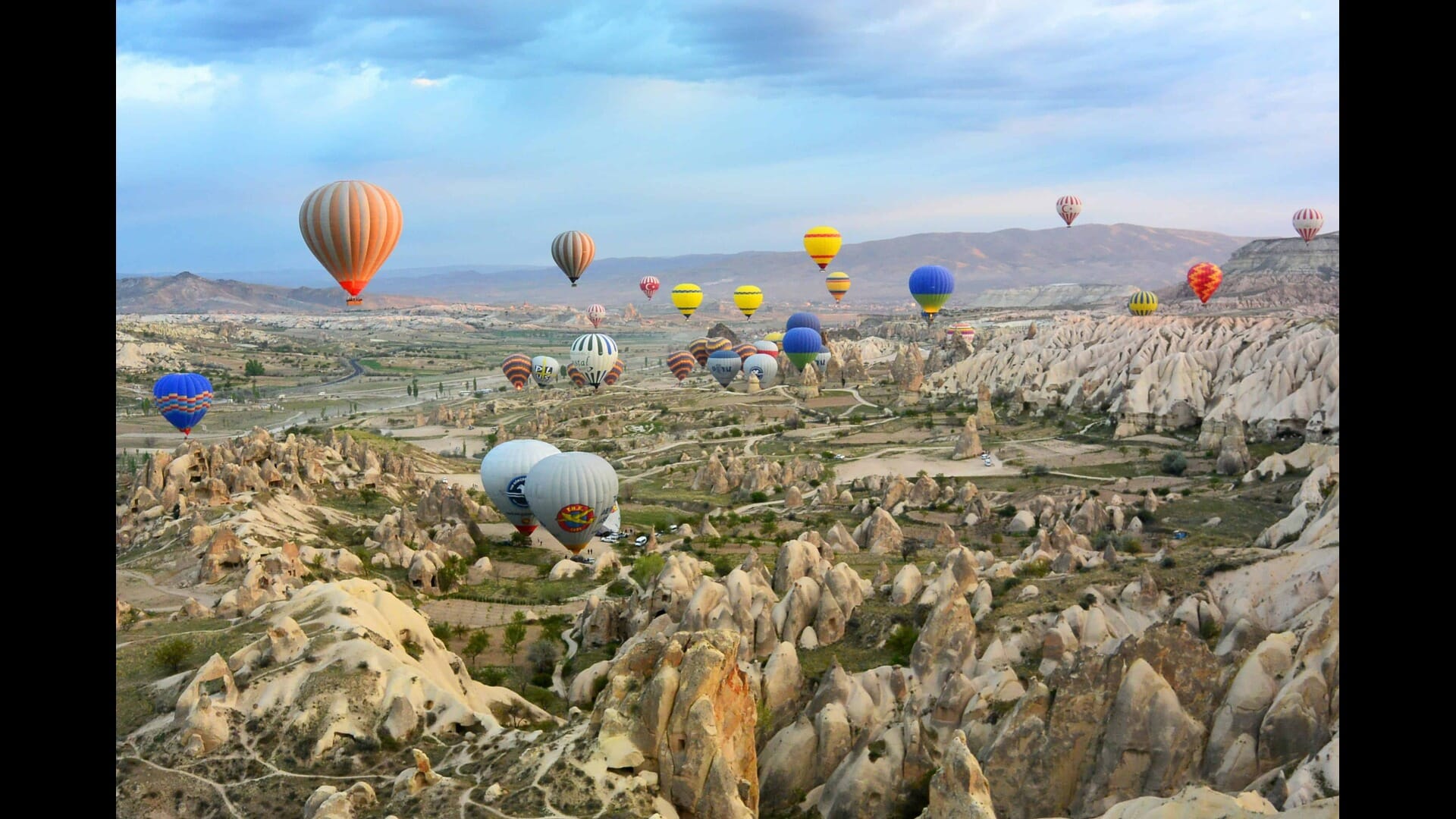

In this article, we will embark on a spiritual journey through Turkey's rock-cut churches, exploring their history, architecture, and the profound experiences they offer to visitors. ## The Historical Context of Rock-Cut Churches in Turkey To truly appreciate the rock-cut churches of Turkey, one must first understand the historical context in which they were created. The origins of these churches can be traced back to the early centuries of Christianity when believers sought refuge from persecution. The soft volcanic tuff found in regions like Cappadocia provided an ideal medium for carving out sanctuaries that were both hidden and secure. ### The Rise of Christianity in Anatolia Anatolia, modern-day Turkey, played a pivotal role in the spread of Christianity. As one of the first regions to embrace the faith, it became a sanctuary for early Christians fleeing Roman persecution. The rock-cut churches were not only places of worship but also served as communal gathering spots and hiding places during times of strife. The unique geology of the region allowed for the creation of complex underground cities, where entire communities could live and worship in safety. ### The Byzantine Influence on Rock-Cut Architecture As Christianity flourished, the Byzantine Empire emerged as a dominant force in the region. The Byzantine influence is evident in the design and decoration of many rock-cut churches. Intricate frescoes, elaborate iconography, and architectural innovations reflect the artistic and spiritual aspirations of the time. The fusion of local traditions with Byzantine styles resulted in a unique architectural language that continues to captivate visitors today. ## Exploring the Iconic Rock-Cut Churches of Cappadocia Cappadocia, a UNESCO World Heritage site, is perhaps the most famous region for rock-cut churches in Turkey. Its surreal landscapes, characterized by fairy chimneys and expansive valleys, provide a breathtaking backdrop for these ancient structures. Let’s delve into some of the most iconic rock-cut churches that define this enchanting region. ### The Göreme Open-Air Museum: A UNESCO World Heritage Site The Göreme Open-Air Museum is a must-visit destination for anyone interested in Turkey's rock-cut churches. This vast complex of monastic buildings, chapels, and churches carved into the soft rock offers a fascinating insight into the early Christian community in Cappadocia. #### Key Highlights of the Göreme Open-Air Museum - The Dark Church (Karanlık Kilise): Renowned for its well-preserved frescoes, the Dark Church is a highlight of the museum. The dim lighting inside has helped preserve the vibrant colors of the artwork, depicting scenes from the life of Christ and various saints. - The Apple Church (Elmalı Kilise): This church is famous for its unique architectural features and stunning frescoes, including a depiction of the Last Supper. The name derives from the apple trees that once surrounded the area, symbolizing the connection between nature and spirituality. - The Snake Church (Yılanlı Kilise): Named after a fresco depicting St. George slaying a dragon, this church showcases the artistic prowess of the Byzantine period. The intricate details of the frescoes tell stories of faith and valor. ### The Rock-Cut Churches of Ihlara Valley The Ihlara Valley, a stunning gorge carved by the Melendiz River, is home to numerous rock-cut churches nestled within its cliffs. This serene landscape offers a unique hiking experience, allowing visitors to explore the natural beauty while discovering hidden churches along the way. #### Notable Churches in Ihlara Valley - The Ağaçaltı Church: This church features striking frescoes that depict biblical scenes, including the Nativity and the Crucifixion. The natural light filtering through the openings creates a mystical atmosphere. - The Sümbüllü Church: Known for its colorful frescoes, the Sümbüllü Church is a testament to the artistic expression of the time. The vibrant colors and intricate designs tell stories of faith and devotion. - The Pürenli Seki Church: This lesser-known gem offers a more secluded experience, with beautiful frescoes and a tranquil setting that invites contemplation and reflection. ## The Spiritual Significance of Rock-Cut Churches The rock-cut churches of Turkey are not merely architectural wonders; they hold deep spiritual significance for many. These sacred spaces have served as places of worship, reflection, and community for centuries. The act of carving a church into the rock itself can be seen as a metaphor for the enduring nature of faith. ### A Place of Refuge and Solitude For early Christians, the rock-cut churches provided a sanctuary from persecution. The secluded nature of these churches allowed believers to practice their faith without fear. Today, visitors often find solace in these ancient spaces, where the echoes of prayers and hymns resonate through the stone walls. ### The Art of Worship: Frescoes and Iconography The frescoes adorning the walls of rock-cut churches are not just decorative; they serve a vital role in the spiritual experience. These vibrant images tell the stories of the Bible, illustrating the teachings of Christ and the lives of saints. The artistry reflects the devotion of the communities that created them, inviting contemplation and connection with the divine. ## The Unique Architecture of Rock-Cut Churches The architecture of Turkey's rock-cut churches is a fascinating blend of practicality and artistry. Carved directly into the rock, these churches often feature intricate designs that reflect both the natural landscape and the spiritual aspirations of their creators. ### The Carving Techniques of Ancient Artisans The techniques used by ancient artisans to carve these churches are a testament to their skill and ingenuity. Using simple tools, they shaped the soft volcanic rock into elaborate structures, often incorporating elements of the surrounding landscape into their designs. The result is a harmonious blend of nature and architecture that continues to inspire awe. ### Architectural Features of Rock-Cut Churches - Nave and Aisles: Many rock-cut churches feature a central nave flanked by aisles, creating a sense of grandeur despite the simplicity of the materials. This layout allows for communal worship and enhances the acoustics of the space. - Domes and Arches: The use of domes and arches is a hallmark of Byzantine architecture, and many rock-cut churches incorporate these elements to create a sense of elevation and lightness. The interplay of light and shadow adds to the spiritual ambiance of the space. - Altar and Bema: The altar, often carved from the rock itself, serves as the focal point of the church. The bema, or raised platform, is where the clergy would conduct services, further emphasizing the sacred nature of the space. ## Visiting the Rock-Cut Churches: Practical Tips for Travelers Embarking on a journey to explore Turkey's rock-cut churches is an adventure filled with spiritual and historical significance. Here are some practical tips to enhance your experience: ### Best Time to Visit The ideal time to visit Turkey's rock-cut churches is during the spring (April to June) and fall (September to November) when the weather is mild and the landscapes are at their most beautiful. Avoiding the peak summer months will also help you steer clear of large tourist crowds. ### Getting There Cappadocia is well-connected by air, with Kayseri and Nevşehir airports serving as the primary gateways. From there, rental cars, buses, or guided tours can take you to the various rock-cut churches and valleys. ### What to Bring - Comfortable Footwear: The terrain can be uneven, so sturdy hiking shoes are essential for exploring the valleys and churches. - Water and Snacks: Staying hydrated is crucial, especially during hikes. Carrying snacks will keep your energy levels up as you explore. - Camera: The stunning landscapes and intricate frescoes are perfect for photography, so don’t forget your camera or smartphone. ### Respecting the Sacred Spaces When visiting rock-cut churches, it’s essential to be respectful of the sacred nature of these sites. Maintain a quiet demeanor, refrain from touching the frescoes, and follow any guidelines provided by local authorities. ## The Cultural Heritage of Turkey's Rock-Cut Churches The rock-cut churches of Turkey are not only significant for their religious and architectural value but also for their contribution to the cultural heritage of the region. They embody the resilience of communities that have thrived in the face of adversity and serve as a reminder of the rich tapestry of history that defines Turkey. ### Preservation Efforts and Challenges Preserving these ancient structures is a challenge, as they are vulnerable to natural erosion and human activity. Local and international organizations are working tirelessly to protect and restore these sites, ensuring that future generations can experience their beauty and significance. ### The Role of Tourism in Preservation Tourism plays a crucial role in the preservation of rock-cut churches. Increased awareness and appreciation for these sites can lead to greater funding for conservation efforts. However, it is vital for visitors to engage responsibly, ensuring that their presence does not harm the delicate ecosystems and historical integrity of these sacred spaces. ## Conclusion: A Journey of Faith and Discovery Turkey's rock-cut churches offer a unique opportunity to embark on a spiritual journey through history, art, and faith. As you explore these ancient sanctuaries, you will not only witness the remarkable craftsmanship of early Christians but also connect with the enduring spirit of devotion that transcends time. Whether you are seeking spiritual enlightenment, artistic inspiration, or simply a deeper understanding of Turkey's rich cultural heritage, the rock-cut churches promise an unforgettable experience that will leave a lasting impression on your heart and soul. In the end, a visit to Turkey's rock-cut churches is more than just a trip; it is a pilgrimage into the past, a celebration of faith, and a testament to the resilience of the human spirit. As you stand before the intricate frescoes and marvel at the architectural wonders, you will find yourself immersed in a world where history and spirituality intertwine, inviting you to reflect on your own journey and the stories that shape our lives.