
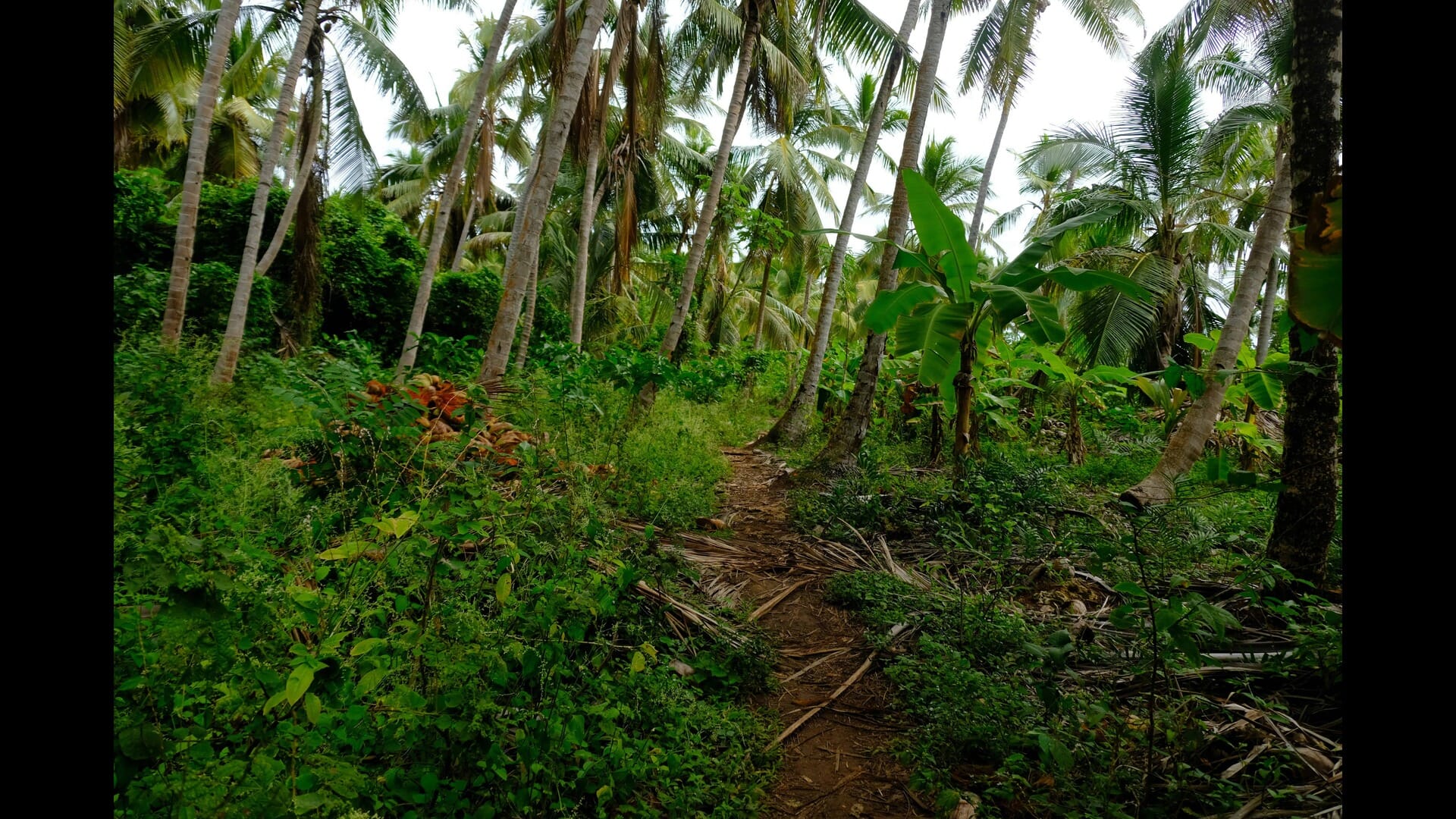
Exploring the Sugar Plantations of the Dominican Republic: A Journey Through History and Culture
Exploring the Sugar Plantations of the Dominican Republic: A Journey Through History and Culture
The Dominican Republic, a jewel of the Caribbean, is renowned for its stunning beaches, vibrant culture, and rich history. However, one of its lesser-known treasures lies in the sprawling sugar plantations that dot the landscape. These plantations not only tell the story of sugar production but also reflect the complex history of the island, from colonial times to modern-day sustainable practices.
In this article, we will embark on an immersive journey through the sugar plantations of the Dominican Republic, exploring their historical significance, cultural impact, and the eco-tourism opportunities they present.
The Historical Significance of Sugar Plantations in the Dominican Republic
The Birth of Sugar Production in the Caribbean
Sugar production in the Caribbean began in the 16th century, with the Dominican Republic being one of the first islands to cultivate sugar cane. The lush, fertile lands of the island provided an ideal environment for sugar cultivation. Spanish colonizers quickly recognized the economic potential of sugar, leading to the establishment of large plantations, known as "ingenios."
The Role of Slavery in Sugar Plantations
The rise of sugar plantations in the Dominican Republic was inextricably linked to the transatlantic slave trade. Enslaved Africans were brought to the island to work the plantations under brutal conditions. This dark chapter in history shaped the social and economic landscape of the Dominican Republic, leaving a legacy that is still felt today. Understanding this history is crucial for anyone looking to explore the sugar plantations.
Visiting the Historic Sugar Plantations of the Dominican Republic
Top Sugar Plantations to Explore
When visiting the Dominican Republic, several historic sugar plantations offer a glimpse into the past. Here are some of the most notable ones:
1. Casa de Campo
Located in La Romana, Casa de Campo is not just a luxury resort; it also houses the remnants of a historic sugar plantation. Visitors can explore the old sugar mill and learn about the production process while enjoying the stunning views of the surrounding landscape.
2. Hacienda La Esmeralda
This plantation, located near San Pedro de Macorís, is one of the oldest in the country. It offers guided tours that delve into the history of sugar production and the impact of the industry on local communities.
3. Hacienda Santa Teresa
A working sugar plantation, Hacienda Santa Teresa combines traditional methods with modern sustainable practices. Visitors can participate in sugar cane harvesting and learn about the eco-friendly initiatives in place.
Guided Tours and Experiences
Many plantations offer guided tours that provide an in-depth look at the sugar production process. These tours often include:
- Sugar Cane Harvesting Demonstrations: Witness the traditional methods of harvesting sugar cane, a labor-intensive process that has remained largely unchanged for centuries.
- Sugar Production Process: Learn how sugar is extracted from cane, refined, and processed into various products.
- Cultural Performances: Enjoy traditional music and dance performances that celebrate the rich cultural heritage of the Dominican Republic.
The Cultural Impact of Sugar Plantations
Sugar and Dominican Identity
Sugar has played a significant role in shaping the Dominican identity. The cultivation and production of sugar have influenced everything from cuisine to music. Traditional dishes often feature sugar, and the rhythms of merengue and bachata reflect the island's agricultural roots.
Festivals Celebrating Sugar Production
Throughout the year, various festivals celebrate the sugar industry. One of the most notable is the Festival del Azúcar, held in San Pedro de Macorís. This festival features parades, music, and food, showcasing the cultural significance of sugar in Dominican life.
Sustainable Practices in Sugar Production
The Shift Towards Eco-Tourism
In recent years, there has been a growing awareness of the need for sustainable practices in agriculture. Many sugar plantations in the Dominican Republic are now embracing eco-tourism, focusing on environmentally friendly methods of production. This shift not only helps preserve the land but also provides visitors with a more authentic experience.
Organic Sugar Production
Some plantations have transitioned to organic sugar production, eliminating harmful pesticides and chemicals. This not only benefits the environment but also produces a higher quality product. Visitors can learn about these practices and even participate in organic farming workshops.
The Sugar Cane Harvesting Process
Understanding the Harvesting Techniques
Harvesting sugar cane is a labor-intensive process that requires skill and precision. Traditionally, workers would use machetes to cut the cane by hand. Today, some plantations have adopted mechanized harvesting methods, but many still honor the traditional techniques.
The Importance of Timing
The timing of the harvest is crucial. Sugar cane is typically harvested during the dry season when the sugar content is at its highest. Visitors can witness this process firsthand during their tours, gaining insight into the hard work that goes into producing sugar.
Culinary Delights: Sugar in Dominican Cuisine
Traditional Dishes Featuring Sugar
Sugar is a key ingredient in many traditional Dominican dishes. From sweet desserts like habichuelas con dulce (sweet beans) to savory dishes that use sugar for balance, the influence of sugar is undeniable. Visitors can take cooking classes at plantations to learn how to prepare these dishes using fresh, locally sourced ingredients.
Exploring Sugar-Based Beverages
In addition to food, sugar plays a significant role in Dominican beverages. Mora (blackberry) and coconut drinks often feature sugar, and visitors can enjoy tastings at local plantations. Exploring these beverages provides a deeper understanding of how sugar is integrated into daily life.
The Future of Sugar Plantations in the Dominican Republic
Challenges Facing the Industry
Despite the rich history and cultural significance of sugar plantations, the industry faces numerous challenges. Climate change, fluctuating market prices, and competition from other countries threaten the sustainability of sugar production in the Dominican Republic.
Embracing Innovation and Sustainability
To combat these challenges, many plantations are embracing innovation and sustainability. This includes investing in renewable energy sources, improving irrigation methods, and diversifying crops. Visitors can learn about these initiatives and support sustainable practices by choosing eco-friendly tours and products.
Conclusion: A Sweet Legacy to Explore
Exploring the sugar plantations of the Dominican Republic offers a unique perspective on the island's history, culture, and agricultural practices. From understanding the historical significance of sugar production to experiencing the vibrant cultural celebrations, visitors are sure to leave with a deeper appreciation for this sweet legacy. Whether you're a history buff, a foodie, or an eco-tourist, the sugar plantations of the Dominican Republic promise an unforgettable journey.
As you plan your visit, consider taking part in guided tours, participating in local festivals, and indulging in the culinary delights that showcase the island's rich agricultural heritage. The sugar plantations are more than just a glimpse into the past; they are a living testament to the resilience and creativity of the Dominican people. So pack your bags and get ready to explore the sweet side of the Dominican Republic!