
A Guide to South Africa's Most Iconic Landmarks
A Guide to South Africa's Most Iconic Landmarks
South Africa, a country that boasts a rich tapestry of cultures, breathtaking landscapes, and a history that resonates through its iconic landmarks, is a traveler’s paradise. From the vibrant streets of Cape Town to the vast savannahs of Kruger National Park, South Africa is home to some of the most stunning and historically significant sites in the world.
This guide will take you on a journey through South Africa’s most iconic landmarks, providing you with insights, travel tips, and the stories behind these remarkable places.
1. Table Mountain: The Majestic Natural Wonder of Cape Town
Overview of Table Mountain
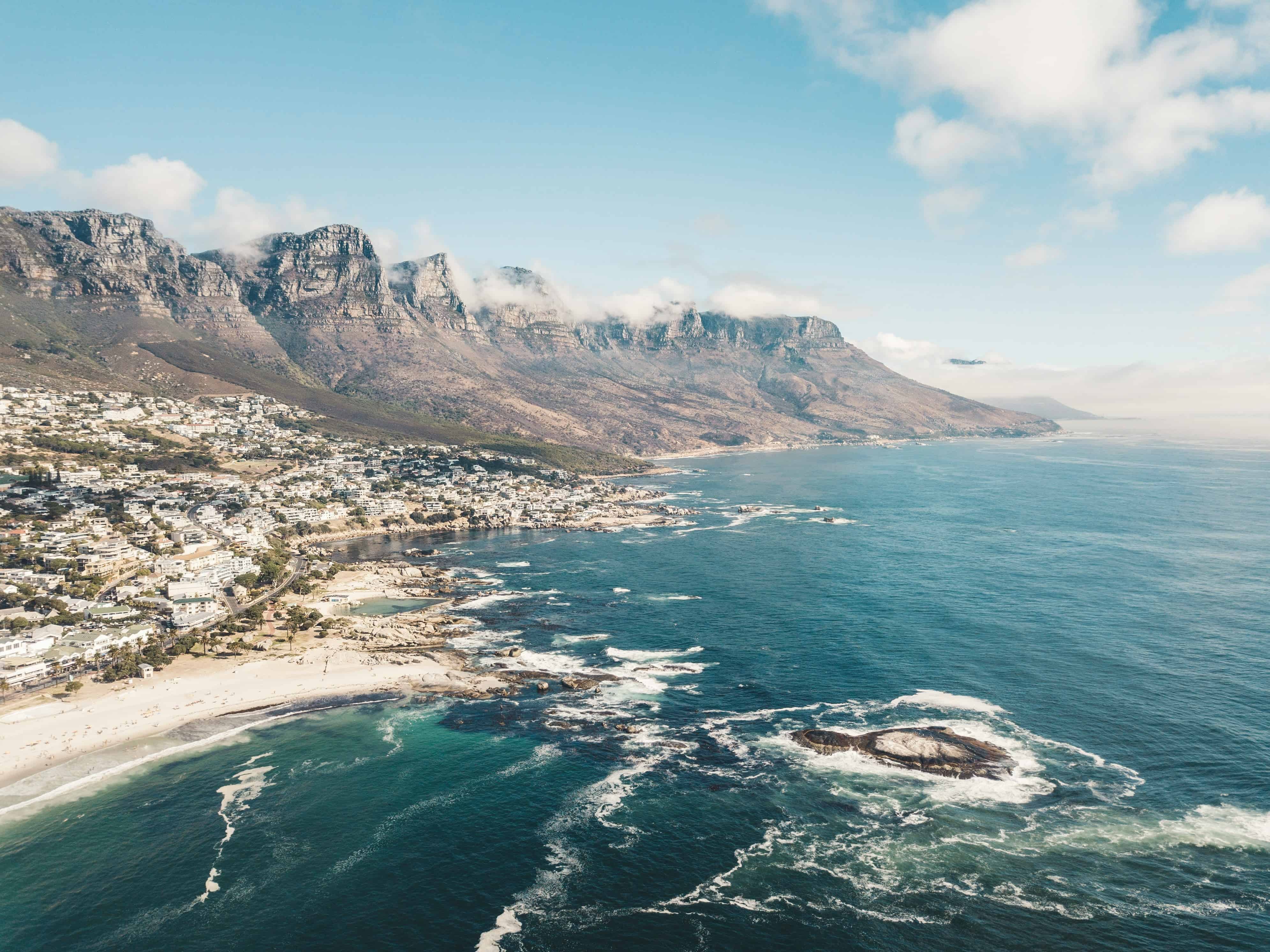
Table Mountain, one of the New7Wonders of Nature, is a flat-topped mountain that dominates the skyline of Cape Town. Standing at 1,086 meters (3,563 feet) above sea level, it offers panoramic views of the city, the Atlantic Ocean, and the surrounding landscapes. The mountain is part of the Table Mountain National Park, which is home to a diverse range of flora and fauna, including over 1,470 plant species, many of which are endemic to the region.
Hiking and Adventure Activities
For adventure enthusiasts, hiking up Table Mountain is a must. There are several trails to choose from, ranging from the easy Platteklip Gorge to the more challenging India Venster route. The hike typically takes about 2 to 3 hours, depending on your fitness level. Alternatively, you can take the Table Mountain Aerial Cableway, which provides a quick and scenic ride to the summit.
Best Time to Visit
The best time to visit Table Mountain is during the summer months (November to March) when the weather is warm and clear. However, be prepared for sudden weather changes, as the mountain can be shrouded in clouds, known as the “tablecloth.”
2. Robben Island: A Symbol of Freedom and Resilience
Historical Significance of Robben Island
Robben Island, located just off the coast of Cape Town, is a UNESCO World Heritage Site and a powerful symbol of the struggle against apartheid. It was here that Nelson Mandela was imprisoned for 18 years, along with other political prisoners. The island has a rich history, having served as a military base, a hospital for the mentally ill, and a place of exile.
Visiting Robben Island
Visitors can take a ferry from the V&A Waterfront to Robben Island, where guided tours led by former political prisoners provide a poignant insight into the island’s history. The tour includes a visit to the prison cell of Nelson Mandela and the limestone quarry where he and other prisoners worked.
Reflections on Freedom
Robben Island serves as a reminder of the resilience of the human spirit and the fight for freedom. It is a must-visit for anyone interested in South Africa’s history and the legacy of its leaders.
3. Kruger National Park: A Safari Adventure Awaits
Overview of Kruger National Park
Kruger National Park is one of Africa’s largest game reserves, spanning nearly 20,000 square kilometers (7,700 square miles). It is home to an incredible diversity of wildlife, including the Big Five: lions, leopards, elephants, rhinos, and buffaloes. The park is also home to over 500 bird species, making it a paradise for birdwatchers.
Safari Experiences
Visitors can explore the park through self-drive safaris, guided game drives, or walking safaris. The best time for wildlife viewing is during the dry winter months (May to September) when animals congregate around water sources. For a more immersive experience, consider staying in one of the park’s lodges or camps.
Conservation Efforts
Kruger National Park is not only a tourist destination but also a vital conservation area. Efforts to protect endangered species and their habitats are ongoing, and visitors can learn about these initiatives during their stay.
4. The Cape Winelands: A Taste of South Africa's Finest Wines
Overview of the Cape Winelands
The Cape Winelands, located just a short drive from Cape Town, is renowned for its picturesque vineyards, charming towns, and world-class wines. The region includes famous wine-producing areas such as Stellenbosch, Franschhoek, and Paarl, each offering unique wine-tasting experiences.
Wine Tasting Tours
Visitors can embark on wine tasting tours, where they can sample a variety of wines, from robust reds to crisp whites. Many wineries also offer gourmet dining experiences, allowing you to savor local cuisine paired with exceptional wines. Don’t miss the opportunity to explore the historic architecture of the towns and enjoy the stunning mountain views.
Best Time to Visit
The best time to visit the Cape Winelands is during the harvest season (February to April) when vineyards are bustling with activity. However, the region is beautiful year-round, with spring (September to November) showcasing vibrant wildflowers.
5. The Cradle of Humankind: A Journey Through Time
Overview of the Cradle of Humankind
The Cradle of Humankind, a UNESCO World Heritage Site located near Johannesburg, is one of the world’s most important archaeological sites. It is home to a wealth of hominid fossils, including the famous Australopithecus africanus, known as “Mrs. Ples.” This area offers a glimpse into the origins of humankind, with evidence of human ancestors dating back over 3 million years.
Exploring the Caves
Visitors can explore the Sterkfontein Caves, where many significant fossils have been discovered. Guided tours provide insights into the history of human evolution and the scientific discoveries made in the area. The Maropeng Visitor Centre offers interactive exhibits that delve into the story of our ancestors.
Educational Experience
The Cradle of Humankind is not only a fascinating destination for history buffs but also an educational experience for families and school groups. It highlights the importance of conservation and the ongoing research in the field of paleoanthropology.
6. The Apartheid Museum: Understanding South Africa's Complex History
Overview of the Apartheid Museum
The Apartheid Museum in Johannesburg is a powerful testament to the country’s tumultuous past. It chronicles the history of apartheid, the struggle for freedom, and the journey towards reconciliation. The museum features a range of exhibits, including photographs, artifacts, and personal stories that bring the history to life.
Visitor Experience
Visitors are encouraged to engage with the exhibits and reflect on the impact of apartheid on South African society. The museum’s design, which includes a series of separate entrances based on racial classification, serves as a poignant reminder of the injustices of the past.
Importance of Education
The Apartheid Museum is an essential stop for anyone seeking to understand South Africa’s complex history and the ongoing efforts towards healing and unity.
7. The Blyde River Canyon: Nature's Masterpiece
Overview of the Blyde River Canyon
The Blyde River Canyon, located in Mpumalanga, is one of the largest canyons in the world and a stunning natural wonder. Stretching over 26 kilometers (16 miles), the canyon is characterized by its lush subtropical vegetation, dramatic cliffs, and breathtaking viewpoints, including the famous Three Rondavels.
Outdoor Activities
Visitors can explore the canyon through hiking trails, boat trips on the Blyde River, or scenic drives along the Panorama Route. The area is also home to a variety of wildlife, making it a great destination for nature lovers and photographers.
Best Time to Visit
The best time to visit the Blyde River Canyon is during the dry winter months (May to September) when the weather is clear and the views are unobstructed. However, the canyon is beautiful year-round, with vibrant greenery in the summer months.
8. The Drakensberg Mountains: A Hiker's Paradise
Overview of the Drakensberg Mountains
The Drakensberg Mountains, a UNESCO World Heritage Site, are the highest mountain range in Southern Africa, offering breathtaking landscapes and a variety of outdoor activities. The mountains are home to numerous hiking trails, waterfalls, and ancient rock art, making it a paradise for adventurers and nature enthusiasts.
Hiking Trails and Adventure Activities
Popular hiking trails include the Amphitheatre, Tugela Falls, and the Sani Pass. Each trail offers unique experiences, from challenging climbs to leisurely walks through lush valleys. The area is also ideal for rock climbing, mountain biking, and horseback riding.
Cultural Heritage
The Drakensberg Mountains are rich in cultural heritage, with numerous sites featuring San rock art that dates back thousands of years. Visitors can learn about the history and significance of these artworks through guided tours.
9. The Cape of Good Hope: Where the Atlantic Meets the Indian Ocean
Overview of the Cape of Good Hope
The Cape of Good Hope, located within the Cape Point Nature Reserve, is a stunning coastal landmark where the Atlantic and Indian Oceans meet. Known for its dramatic cliffs, diverse wildlife, and breathtaking views, the Cape is a must-visit for anyone traveling to South Africa.
Exploring the Nature Reserve
Visitors can explore the nature reserve through hiking trails, scenic drives, and picnic spots. Keep an eye out for the resident wildlife, including baboons, ostriches, and various bird species. The iconic Cape Point Lighthouse offers panoramic views of the surrounding ocean and coastline.
Historical Significance
The Cape of Good Hope has a rich maritime history, serving as a crucial waypoint for sailors during the Age of Exploration. The area is steeped in stories of shipwrecks and exploration, making it a fascinating destination for history enthusiasts.
10. The Nelson Mandela Square: A Tribute to a Great Leader
Overview of Nelson Mandela Square
Nelson Mandela Square, located in Johannesburg, is a vibrant public space dedicated to the legacy of Nelson Mandela. The square features a large bronze statue of Mandela, surrounded by shops, restaurants, and entertainment venues.
Cultural and Social Hub
The square serves as a cultural and social hub, where locals and tourists gather to celebrate Mandela’s life and contributions to South Africa. It is a popular spot for events, festivals, and community gatherings.
Reflection and Inspiration
Visiting Nelson Mandela Square is a chance to reflect on the values of freedom, equality, and justice that Mandela championed. It is a fitting tribute to a leader whose impact continues to resonate in South Africa and beyond.
Conclusion: Embracing the Spirit of South Africa
South Africa’s iconic landmarks offer a glimpse into the country’s rich history, diverse cultures, and stunning natural beauty. From the breathtaking views atop Table Mountain to the poignant stories of Robben Island, each site tells a unique story that contributes to the tapestry of South African identity. Whether you’re an adventure seeker, a history buff, or a nature lover, South Africa has something to offer everyone. As you plan your journey through this remarkable country, embrace the spirit of exploration and discovery that defines South Africa’s most iconic landmarks.