
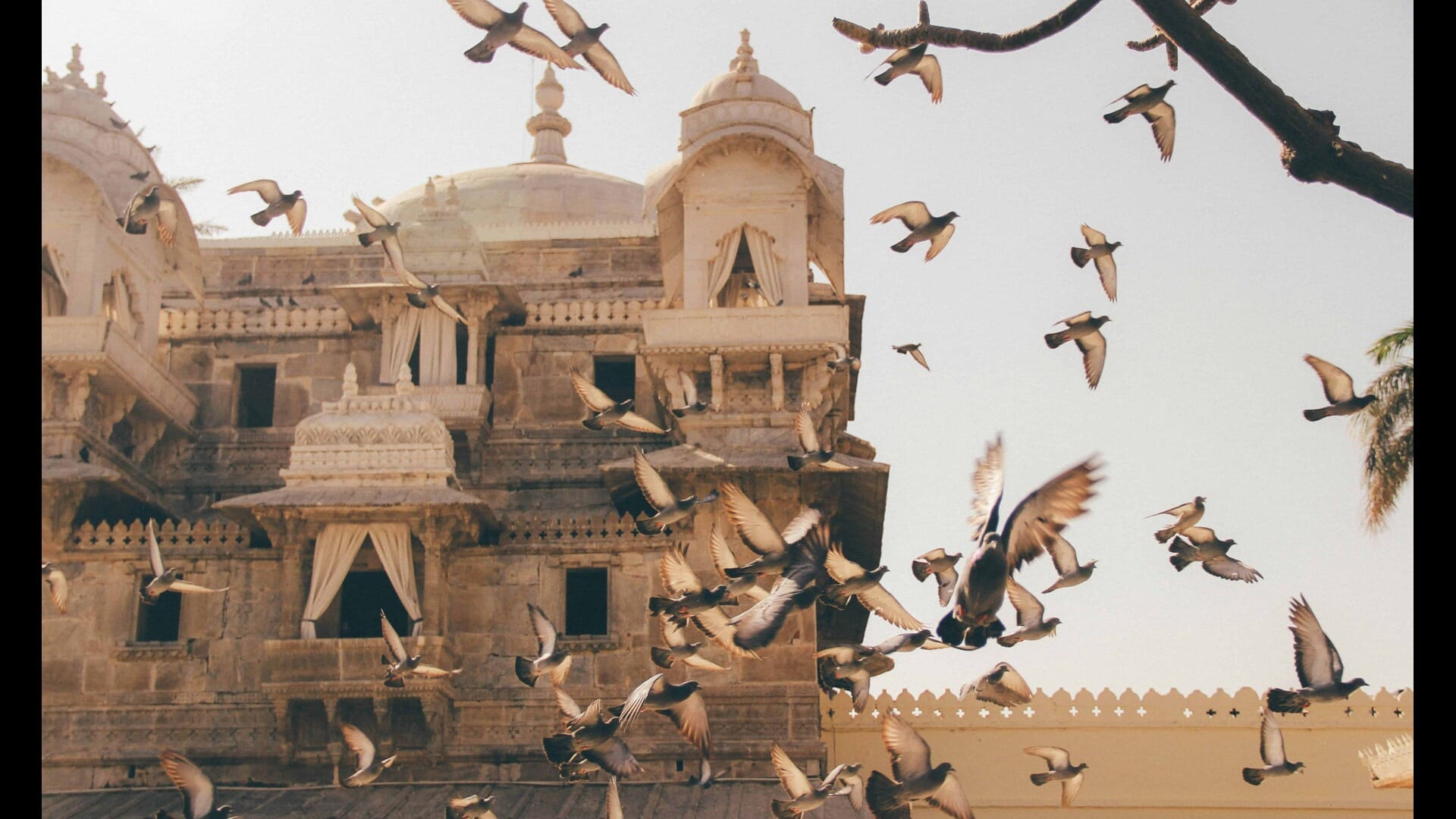
Exploring the Sacred Sites of Buddhism in India
Exploring the Sacred Sites of Buddhism in India
Buddhism, one of the world's oldest religions, has its roots deeply embedded in the soil of India. The sacred sites of Buddhism in India are not just places of worship; they are historical landmarks that tell the story of the life of Siddhartha Gautama, who became the Buddha.
This article will take you on a journey through these sacred sites, exploring their significance, history, and the spiritual experiences they offer to pilgrims and travelers alike.
The Birth of Buddhism: A Brief Overview
Before we delve into the sacred sites, it’s essential to understand the origins of Buddhism. Siddhartha Gautama was born in Lumbini, Nepal, around 563 BCE. He was a prince who renounced his royal life in search of enlightenment. After years of meditation and ascetic practices, he attained enlightenment under the Bodhi tree in Bodh Gaya, India. This pivotal moment marked the birth of Buddhism, a path that emphasizes the Four Noble Truths and the Eightfold Path as a means to achieve Nirvana.
Bodh Gaya: The Heart of Buddhist Pilgrimage
The Significance of Bodh Gaya in Buddhism
Bodh Gaya is undoubtedly the most significant site in Buddhism, as it is where the Buddha attained enlightenment. The Mahabodhi Temple, a UNESCO World Heritage Site, stands at the heart of Bodh Gaya. This temple complex is a pilgrimage destination for millions of Buddhists from around the world.
Visiting the Mahabodhi Temple
As you approach the Mahabodhi Temple, the towering structure adorned with intricate carvings and statues of the Buddha captures your attention. The temple is surrounded by lush gardens, providing a serene atmosphere for meditation and reflection. Inside the temple, you will find a magnificent statue of the Buddha in a meditative pose, which is a sight to behold.
The Bodhi Tree: A Living Legacy
Adjacent to the temple is the sacred Bodhi tree, believed to be a direct descendant of the original tree under which the Buddha meditated. Pilgrims often sit beneath its sprawling branches, seeking solace and enlightenment. The air is filled with a sense of peace, and the rustling leaves seem to whisper ancient secrets.
Sarnath: The Birthplace of the Dharma
Understanding Sarnath’s Historical Context
Sarnath is another crucial site in the Buddhist pilgrimage circuit. It is here that the Buddha delivered his first sermon after attaining enlightenment, laying the foundation for the teachings of Buddhism. The site is rich in history, with remnants of ancient monasteries and stupas.
The Dhamek Stupa: A Symbol of Enlightenment
The Dhamek Stupa, a massive cylindrical structure, is one of the most important monuments in Sarnath. Standing at 43.6 meters tall, it is a symbol of the Buddha’s teachings. As you stand before the stupa, you can almost feel the weight of history and the significance of the teachings that were shared here.
The Sarnath Archaeological Museum
A visit to Sarnath would be incomplete without exploring the Archaeological Museum, which houses a remarkable collection of artifacts from the Mauryan and Gupta periods. The museum showcases ancient sculptures, inscriptions, and relics that provide insight into the early days of Buddhism.
Kushinagar: The Final Resting Place of the Buddha
The Importance of Kushinagar in Buddhist Tradition
Kushinagar is revered as the place where the Buddha attained Parinirvana, or final enlightenment, after his death. This site holds immense significance for Buddhists, as it represents the culmination of the Buddha’s life and teachings.
The Mahaparinirvana Temple
The Mahaparinirvana Temple is a must-visit in Kushinagar. Inside the temple lies a colossal reclining statue of the Buddha, symbolizing his final moments. The serene expression on the Buddha’s face evokes a sense of tranquility, inviting visitors to reflect on the impermanence of life.
The Ramabhar Stupa: A Memorial of Great Importance
Nearby, the Ramabhar Stupa marks the site of the Buddha’s cremation. This stupa is a place of reverence, where pilgrims come to pay their respects. The peaceful surroundings and the gentle sound of rustling leaves create an atmosphere conducive to meditation and contemplation.
Lumbini: The Birthplace of the Buddha
Exploring Lumbini’s Sacred Garden
Lumbini, located in modern-day Nepal, is recognized as the birthplace of Siddhartha Gautama. The Sacred Garden, a UNESCO World Heritage Site, is home to several ancient monuments, including the Maya Devi Temple, which marks the exact spot of the Buddha’s birth.
The Maya Devi Temple: A Pilgrimage Destination
The Maya Devi Temple is a simple yet profound structure that attracts thousands of pilgrims each year. Inside the temple, you can see the ruins of the ancient structure and the sacred pond where Queen Maya is believed to have bathed before giving birth. The atmosphere is filled with devotion, and the sounds of chanting can often be heard.
The Ashoka Pillar: A Testament to History
One of the most significant monuments in Lumbini is the Ashoka Pillar, erected by Emperor Ashoka in the 3rd century BCE. The pillar bears inscriptions that attest to the importance of Lumbini in the Buddhist tradition. Standing before this ancient structure, you can feel the connection to the past and the enduring legacy of the Buddha.
Nalanda: The Ancient Center of Learning
The Historical Significance of Nalanda
Nalanda was once a thriving center of Buddhist learning and scholarship. Established in the 5th century CE, it attracted scholars from all over Asia, including China, Korea, and Tibet. The ruins of Nalanda University are a testament to its rich intellectual heritage.
Exploring the Ruins of Nalanda University
As you wander through the sprawling ruins of Nalanda, you can almost hear the echoes of ancient debates and discussions. The remains of monasteries, classrooms, and stupas paint a vivid picture of a vibrant academic community. The site is a UNESCO World Heritage Site, and efforts are underway to preserve its historical significance.
The Nalanda Archaeological Museum
The Nalanda Archaeological Museum houses a collection of artifacts that provide insight into the life and teachings of the Buddha. The museum features ancient manuscripts, sculptures, and inscriptions that highlight the importance of Nalanda in the spread of Buddhism.
Ajanta and Ellora Caves: Artistic Marvels of Buddhism
The Significance of Ajanta and Ellora Caves
The Ajanta and Ellora Caves are renowned for their stunning rock-cut architecture and intricate sculptures. These caves date back to the 2nd century BCE and are a UNESCO World Heritage Site. The caves are not only significant for their artistic beauty but also for their role in the dissemination of Buddhist teachings.
Exploring the Ajanta Caves
The Ajanta Caves are famous for their exquisite frescoes and sculptures that depict the life of the Buddha and various Jataka tales. As you explore the caves, you will be captivated by the vibrant colors and intricate details that have stood the test of time. The atmosphere inside the caves is serene, allowing for quiet contemplation.
Discovering the Ellora Caves
The Ellora Caves, on the other hand, showcase a harmonious blend of Hindu, Jain, and Buddhist architecture. The most famous cave, the Kailasa Temple, is a monumental feat of engineering, carved entirely out of a single rock. The intricate carvings and sculptures are a testament to the artistic prowess of ancient craftsmen.
Dharamshala: The Exile of Tibetan Buddhism
Understanding the Significance of Dharamshala
Dharamshala, nestled in the foothills of the Himalayas, is home to the Tibetan government-in-exile and the Dalai Lama. This town has become a significant center for Tibetan Buddhism and attracts spiritual seekers from around the world.
The Tsuglagkhang Complex
The Tsuglagkhang Complex is the main temple of Tibetan Buddhism in Dharamshala. The vibrant colors and intricate designs of the temple create a visually stunning environment. Visitors can participate in prayer ceremonies and engage in meditation sessions, immersing themselves in the spiritual atmosphere.
Exploring the Tibetan Culture in Dharamshala
Dharamshala is not just a spiritual destination; it is also a cultural hub. The town is filled with Tibetan shops, monasteries, and cafes serving traditional Tibetan cuisine. Engaging with the local community provides a deeper understanding of Tibetan Buddhism and its practices.
Varanasi: The Spiritual Capital of India
The Significance of Varanasi in Buddhism
Varanasi, one of the oldest cities in the world, holds immense significance in Hinduism and Buddhism. It is believed that the Buddha visited Varanasi several times during his lifetime, and it is here that he preached the importance of the Middle Way.
The Ganges River: A Sacred Waterway
The Ganges River flows through Varanasi, and its banks are lined with ghats where pilgrims come to perform rituals and seek spiritual purification. The sight of devotees bathing in the river at sunrise is a breathtaking experience that embodies the spiritual essence of India.
The Kashi Vishwanath Temple
While Varanasi is primarily known for its Hindu temples, the Kashi Vishwanath Temple is a significant landmark for Buddhists as well. The temple is dedicated to Lord Shiva, but its historical connection to the Buddha makes it a site of interest for those exploring the intersections of these two religions.
The Spiritual Journey: Tips for Pilgrims and Travelers
Preparing for Your Journey
Embarking on a journey to explore the sacred sites of Buddhism in India requires careful planning. Here are some tips to enhance your experience:
Research and Plan: Familiarize yourself with the sites you wish to visit and their historical significance. Create an itinerary that allows for ample time at each location.
Respect Local Customs: When visiting sacred sites, be mindful of local customs and traditions. Dress modestly, remove your shoes when entering temples, and maintain a respectful demeanor.
Engage in Meditation: Many of these sites offer opportunities for meditation and reflection. Take advantage of these moments to connect with the spiritual essence of the locations.
Connect with Local Guides: Hiring a local guide can enhance your experience by providing insights into the history and significance of each site. They can also help you navigate the cultural nuances of the area.
Immerse Yourself in the Culture: Take time to explore the local culture, cuisine, and traditions. Engaging with the community can provide a deeper understanding of Buddhism and its practices.
Embracing the Spiritual Experience
As you explore the sacred sites of Buddhism in India, allow yourself to be open to the spiritual experiences that await you. Whether it’s meditating under the Bodhi tree, participating in prayer ceremonies, or simply soaking in the serene atmosphere, each moment can be transformative.
Conclusion: A Journey of Enlightenment
Exploring the sacred sites of Buddhism in India is not just a journey through history; it is a path towards enlightenment and self-discovery. Each site holds a unique story, inviting you to reflect on the teachings of the Buddha and the essence of life itself. As you traverse this spiritual landscape, you will find that the journey is as important as the destination, leading you to a deeper understanding of yourself and the world around you.
In conclusion, the sacred sites of Buddhism in India offer a rich tapestry of history, culture, and spirituality. Whether you are a devout Buddhist or simply a curious traveler, these sites provide an opportunity to connect with the profound teachings of the Buddha and experience the serenity that comes with spiritual exploration.