
Pilgrimage to Bali’s Sacred Temples: A Journey of Spiritual Awakening
Pilgrimage to Bali’s Sacred Temples: A Journey of Spiritual Awakening
Bali, often referred to as the Island of the Gods, is a place where spirituality and nature intertwine in a vibrant tapestry of culture and tradition. For centuries, this Indonesian paradise has attracted pilgrims, travelers, and seekers of enlightenment to its sacred temples.
Each temple tells a story, each stone whispers secrets of the past, and each ritual connects the present to the divine. In this comprehensive guide, we will embark on a pilgrimage to Bali’s sacred temples, exploring their history, significance, and the transformative experiences they offer.
The Spiritual Significance of Bali’s Temples
Bali is home to over 20,000 temples, each serving as a focal point for the island’s rich Hindu culture. The Balinese Hinduism practiced here is a unique blend of Hindu beliefs and local animism, creating a spiritual landscape unlike any other. Temples in Bali are not merely places of worship; they are vibrant centers of community life, where rituals, festivals, and ceremonies take place throughout the year.
Understanding Balinese Hinduism and Its Practices
To fully appreciate the significance of Bali’s temples, it’s essential to understand the fundamentals of Balinese Hinduism. This faith revolves around the concept of Tri Hita Karana, which emphasizes harmony among humans, nature, and the divine. The temples serve as a bridge connecting these three elements, fostering a sense of balance and peace.
The Role of Temples in Balinese Culture
Temples in Bali are not just religious sites; they are integral to the island’s cultural identity. They are places where families gather to celebrate life events, where communities come together to honor their ancestors, and where the spiritual and the mundane meet. Festivals such as Galungan and Kuningan see locals flocking to temples, adorned in traditional attire, to participate in rituals that honor the gods and seek blessings for prosperity and health.
Top Sacred Temples to Visit in Bali
As we embark on our pilgrimage, let’s explore some of the most sacred and significant temples in Bali. Each temple offers a unique glimpse into the island’s spiritual heritage and provides opportunities for reflection and connection.
1. Uluwatu Temple: A Cliffside Marvel
Perched on a dramatic cliff overlooking the Indian Ocean, Uluwatu Temple (Pura Luhur Uluwatu) is one of Bali’s most iconic temples. Dating back to the 11th century, this temple is dedicated to the spirits of the sea and serves as a guardian against evil spirits. The breathtaking views from the temple, especially during sunset, create a magical atmosphere that enhances the spiritual experience.
The Kecak Dance Performance
One of the highlights of visiting Uluwatu Temple is the traditional Kecak dance performance, held every evening at sunset. This mesmerizing dance tells the story of the Ramayana, featuring a chorus of chanting men, vibrant costumes, and captivating storytelling. It’s a perfect blend of culture and spirituality that leaves a lasting impression on visitors.
2. Besakih Temple: The Mother Temple of Bali
Known as the Mother Temple (Pura Besakih), this sprawling complex is the largest and holiest temple in Bali. Nestled on the slopes of Mount Agung, Besakih Temple is a significant pilgrimage site for Balinese Hindus. The temple complex consists of over 80 individual temples, each with its own unique architecture and spiritual significance.
Pilgrimage and Rituals
Visiting Besakih Temple is a profound experience, especially during the temple’s major festivals, such as the Purnama (full moon) and the Galungan festival. Pilgrims from all over the island come to pay their respects, offer prayers, and seek blessings from the deities. The atmosphere is charged with devotion, making it a must-visit for anyone seeking a deeper understanding of Balinese spirituality.
3. Tanah Lot Temple: A Sunset Icon
Tanah Lot Temple is one of Bali’s most photographed landmarks, known for its stunning ocean views and dramatic sunsets. Built on a rocky outcrop, this temple is dedicated to the sea gods and is a significant pilgrimage site for locals. The temple’s picturesque setting makes it a popular spot for tourists, but its spiritual significance remains deeply rooted in Balinese culture.
The Legend of Tanah Lot
According to local legend, Tanah Lot was built by a Hindu priest named Nirartha, who sought a place to meditate and worship the sea gods. The temple is said to be guarded by sea snakes, which protect it from evil spirits. Visitors can explore the surrounding area, which is dotted with smaller shrines and beautiful coastal scenery.
4. Tirta Empul Temple: The Holy Spring
Tirta Empul Temple is renowned for its sacred spring water, which is believed to have healing properties. This temple is a significant site for purification rituals, where locals and visitors alike come to cleanse themselves spiritually. The temple features a series of pools fed by the holy spring, where devotees immerse themselves in the water as part of their purification process.
Participating in Purification Rituals
Visitors are welcome to participate in the purification rituals at Tirta Empul. It’s essential to approach the experience with respect and reverence. After dressing in a sarong and sash, you can join the locals in the pools, offering prayers and seeking blessings as you cleanse your spirit. This transformative experience is a highlight of any pilgrimage to Bali’s sacred temples.
5. Goa Gajah: The Elephant Cave
Goa Gajah, also known as the Elephant Cave, is an archaeological site that dates back to the 11th century. This temple complex features a cave carved into a rock face, adorned with intricate stone carvings and a serene atmosphere. The site is believed to have served as a sanctuary for meditation and spiritual reflection.
Exploring the Cave and Surroundings
Inside the cave, you’ll find a small shrine dedicated to the Hindu god Ganesha, along with other deities. The surrounding gardens, complete with lotus ponds and ancient relics, create a tranquil environment perfect for contemplation. Visiting Goa Gajah offers a unique blend of history, spirituality, and natural beauty.
6. Pura Taman Ayun: The Royal Temple
Pura Taman Ayun, meaning “beautiful garden,” is a stunning temple complex located in Mengwi. This UNESCO World Heritage site is known for its beautiful gardens, traditional Balinese architecture, and serene atmosphere. The temple is dedicated to the family of the Mengwi kingdom and is a significant site for royal ceremonies.
The Architecture and Gardens
The temple features a series of multi-tiered shrines (meru) surrounded by lush gardens and a moat. Visitors can stroll through the grounds, admiring the intricate carvings and the peaceful ambiance. Taman Ayun is particularly stunning during the rainy season when the gardens are in full bloom, adding to the temple’s beauty.
7. Pura Luhur Batukaru: A Hidden Gem
Nestled in the lush rainforest of Tabanan, Pura Luhur Batukaru is one of Bali’s lesser-known temples, making it a perfect destination for those seeking tranquility and solitude. This temple is dedicated to the mountain god and is surrounded by stunning natural beauty, including rice terraces and dense forests.
A Spiritual Retreat
Visiting Pura Luhur Batukaru feels like stepping into another world. The serene atmosphere, combined with the sounds of nature, creates a perfect backdrop for meditation and reflection. The temple is less crowded than other popular sites, allowing for a more intimate spiritual experience.
8. Pura Ulun Danu Bratan: The Water Temple
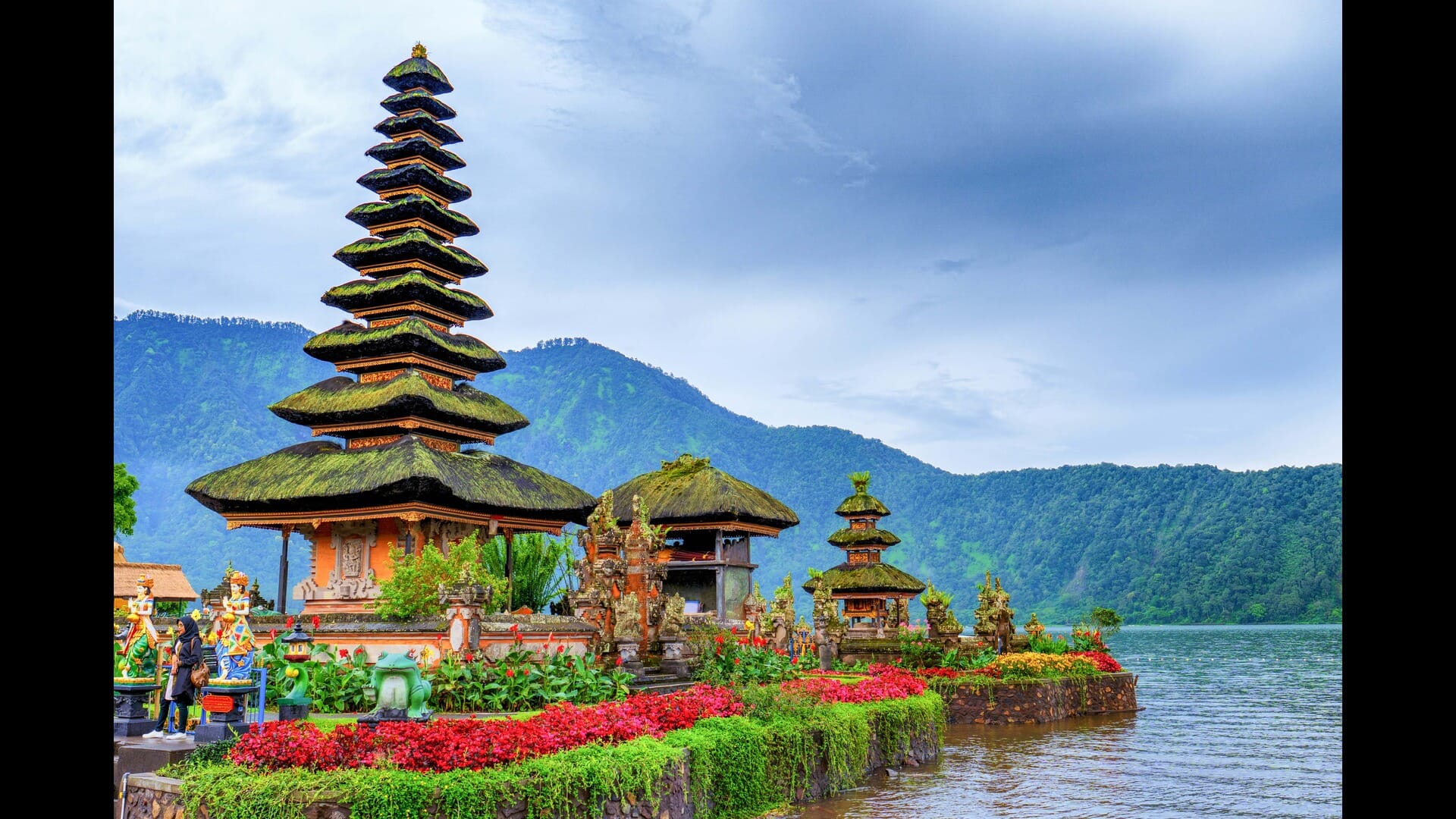
Pura Ulun Danu Bratan is one of Bali’s most picturesque temples, situated on the shores of Lake Bratan. This water temple is dedicated to Dewi Danu, the goddess of water, and plays a crucial role in the island’s irrigation system. The temple’s stunning setting, surrounded by mountains and mist, makes it a popular spot for photography and contemplation.
The Importance of Water in Balinese Culture
Water holds immense significance in Balinese culture, symbolizing life and prosperity. Pura Ulun Danu Bratan serves as a reminder of the island’s dependence on water for agriculture and daily life. Visitors can explore the temple grounds, take in the breathtaking views, and reflect on the importance of water in their own lives.
9. Pura Goa Lawah: The Bat Cave Temple
Pura Goa Lawah, also known as the Bat Cave Temple, is a unique site located near Candidasa. The temple is built around a cave that is home to thousands of bats, making it a fascinating place to visit. Goa Lawah is dedicated to the god of the sea and is a significant site for purification rituals.
The Spiritual Atmosphere
As you enter the temple, you’ll be greeted by the sound of fluttering wings and the scent of incense. The cave is believed to be a sacred site, and visitors can witness locals performing rituals and offering prayers. The combination of the cave’s natural beauty and the temple’s spiritual significance creates a captivating experience.
10. Pura Sakenan: The Island Temple
Located on Serangan Island, Pura Sakenan is a beautiful temple that is often overlooked by tourists. This temple is dedicated to the sea gods and is a significant site for the local fishing community. The temple is surrounded by stunning coastal views and offers a peaceful atmosphere for reflection.
Celebrating the Temple Festival
Pura Sakenan hosts an annual temple festival that attracts locals and visitors alike. The festival features traditional ceremonies, offerings, and cultural performances, providing a unique opportunity to experience Balinese culture and spirituality firsthand. Visiting during the festival adds an extra layer of significance to your pilgrimage.
Preparing for Your Pilgrimage to Bali’s Sacred Temples
Before embarking on your spiritual journey through Bali’s sacred temples, it’s essential to prepare adequately. Here are some tips to ensure a meaningful and respectful experience:
Understanding Local Customs and Etiquette
Balinese culture is rich in traditions and customs, and it’s crucial to approach your pilgrimage with respect. Dress modestly when visiting temples, wearing a sarong and sash, which can often be rented at the temple entrance. Always ask for permission before taking photographs, especially during ceremonies or rituals.
Planning Your Itinerary
With so many temples to choose from, planning your itinerary is essential. Consider the locations of the temples, the time needed to explore each site, and any special events or festivals happening during your visit. Allow for flexibility in your schedule to fully immerse yourself in the spiritual atmosphere.
Engaging with Local Guides
Hiring a local guide can enhance your experience, providing insights into the history, culture, and significance of each temple. Guides can also help you navigate the rituals and customs, ensuring a respectful and enriching pilgrimage.
The Transformative Power of a Temple Pilgrimage
Embarking on a pilgrimage to Bali’s sacred temples is not just a journey through beautiful landscapes; it’s an opportunity for spiritual growth and self-discovery. The temples serve as a mirror, reflecting your inner thoughts and emotions, allowing for moments of introspection and connection with the divine.
Finding Peace and Clarity
As you visit each temple, take the time to pause, reflect, and connect with your surroundings. Whether it’s through meditation, prayer, or simply soaking in the beauty of the moment, these sacred spaces offer a chance to find peace and clarity in a fast-paced world.
Building Connections with the Community
Engaging with the local community during your pilgrimage can deepen your understanding of Balinese culture and spirituality. Participate in ceremonies, attend festivals, and interact with locals to gain insights into their beliefs and practices. These connections can enrich your experience and create lasting memories.
Conclusion: A Journey of the Heart and Soul
A pilgrimage to Bali’s sacred temples is a journey that transcends the physical realm, inviting you to explore the depths of your heart and soul. Each temple offers a unique experience, a chance to connect with the divine, and an opportunity for personal transformation. As you walk the paths of these sacred sites, may you find inspiration, healing, and a deeper understanding of your spiritual journey.
In the end, Bali’s temples are more than just destinations; they are gateways to enlightenment, inviting you to embark on a pilgrimage that will resonate within you long after you leave the island. So pack your bags, open your heart, and prepare for a transformative journey through Bali’s sacred temples.