
The Ultimate Pilgrimage to Saint Peter’s Basilica in Rome: A Journey of Faith and History
The Ultimate Pilgrimage to Saint Peter’s Basilica in Rome: A Journey of Faith and History
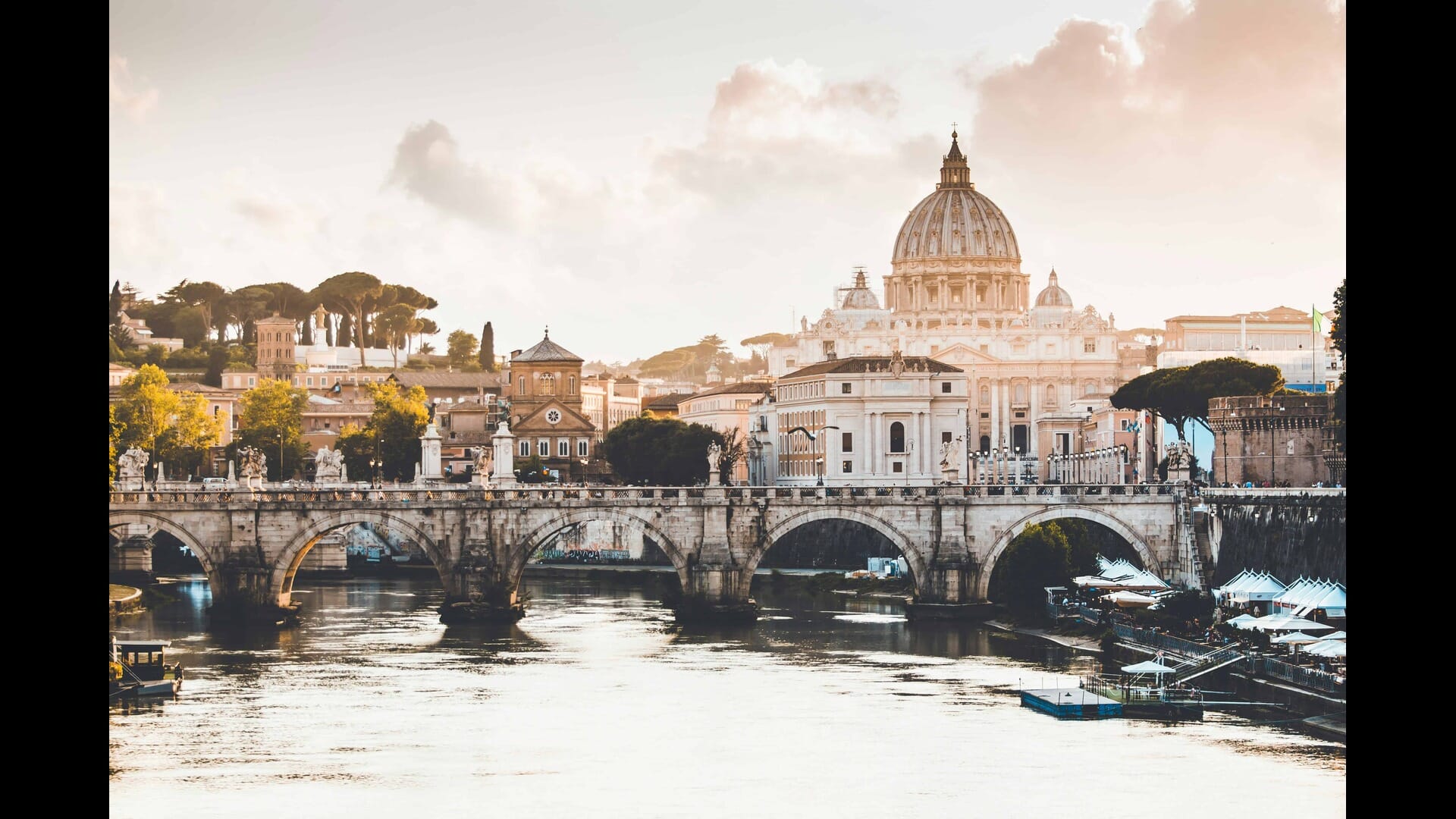
Embarking on a pilgrimage to Saint Peter’s Basilica in Rome is not just a journey through the heart of the Vatican; it is a profound spiritual experience that intertwines faith, history, and art. This magnificent basilica, one of the largest and most renowned churches in the world, stands as a testament to centuries of devotion and architectural brilliance.
In this article, we will explore everything you need to know about making your pilgrimage to this sacred site, from its rich history to practical travel tips.
The Historical Significance of Saint Peter’s Basilica
The Origins of Saint Peter’s Basilica
Saint Peter’s Basilica has its roots in the early Christian era, believed to be built over the tomb of Saint Peter, one of Jesus Christ’s apostles and the first Pope. The original basilica was commissioned by Emperor Constantine in the 4th century AD, marking a pivotal moment in Christian history. As you stand before the grand façade, you are not just witnessing a masterpiece of Renaissance architecture; you are standing on sacred ground that has been a pilgrimage site for over 1,700 years.
Architectural Marvel: A Blend of Styles
The current structure of Saint Peter’s Basilica, completed in the 17th century, showcases a blend of Renaissance and Baroque architecture. Designed by renowned architects such as Bramante, Michelangelo, and Bernini, the basilica features a stunning dome that dominates the skyline of Rome. The interior is adorned with intricate mosaics, towering columns, and breathtaking sculptures, each telling a story of faith and devotion.
The Spiritual Journey: Preparing for Your Pilgrimage
Understanding the Purpose of a Pilgrimage
A pilgrimage is more than just a physical journey; it is a spiritual quest that allows individuals to reflect, pray, and connect with their faith. As you prepare for your pilgrimage to Saint Peter’s Basilica, take time to contemplate your intentions. Whether you seek healing, guidance, or a deeper connection with God, approaching this journey with an open heart will enhance your experience.
Choosing the Right Time for Your Pilgrimage
Timing can greatly affect your pilgrimage experience. The best times to visit Saint Peter’s Basilica are during the off-peak seasons of late fall and winter, when crowds are thinner, allowing for a more intimate experience. Additionally, consider planning your visit around significant religious events, such as Easter or Christmas, when the basilica is adorned with special decorations and holds unique services.
Arriving in Rome: Your Gateway to the Vatican
Navigating Rome’s Transportation System
Rome is well-connected through various modes of transportation, making it easy to reach the Vatican. The city’s metro system, buses, and trams provide convenient access to the Vatican area. The closest metro station is Ottaviano, just a short walk from Saint Peter’s Basilica. Alternatively, consider walking through the picturesque streets of Rome, allowing you to soak in the city’s rich history along the way.
Finding Accommodation Near the Vatican
When planning your pilgrimage, consider staying in accommodations close to the Vatican. There are numerous hotels, hostels, and guesthouses in the surrounding neighborhoods of Prati and Trastevere. Staying nearby allows for easy access to the basilica and other attractions, enabling you to immerse yourself in the spiritual atmosphere of the area.
Entering Saint Peter’s Basilica: What to Expect
The Security Checkpoint
Upon arrival at Saint Peter’s Basilica, you will encounter a security checkpoint. Be prepared for metal detectors and bag checks, as security is stringent to ensure the safety of all visitors. To expedite your entry, avoid bringing large bags or prohibited items such as sharp objects or large umbrellas.
Dress Code and Respectful Behavior
As a place of worship, Saint Peter’s Basilica has a strict dress code. Visitors are required to dress modestly, covering shoulders and knees. Women should avoid wearing revealing clothing, while men should refrain from wearing sleeveless shirts. Showing respect for the sacredness of the space is essential, so maintain a quiet demeanor and refrain from using flash photography during services.
Exploring the Interior of Saint Peter’s Basilica
The Awe-Inspiring Dome
One of the most iconic features of Saint Peter’s Basilica is its magnificent dome, designed by Michelangelo. Standing at 136.57 meters (448.1 feet) high, it is the tallest dome in the world. Visitors can climb to the top for breathtaking panoramic views of Rome and the Vatican Gardens. The ascent involves a steep climb, but the reward is a once-in-a-lifetime experience.
The Papal Altar and Baldachin
At the heart of the basilica lies the Papal Altar, where the Pope celebrates Mass. Above it stands the stunning Baldachin, a monumental canopy designed by Gian Lorenzo Bernini. Made of bronze and adorned with intricate details, the Baldachin is a symbol of the authority of the Pope and a masterpiece of Baroque art.
The Pietà: A Masterpiece by Michelangelo
As you wander through the basilica, be sure to visit Michelangelo’s iconic sculpture, the Pietà. This breathtaking work of art depicts the Virgin Mary holding the lifeless body of Jesus, capturing the profound emotion of grief and love. Housed in a protective glass case, the Pietà is a must-see for any visitor, reflecting the depth of human experience and divine sacrifice.
The Spiritual Experience: Attending Mass at Saint Peter’s Basilica
Schedule of Masses and Services
Attending Mass at Saint Peter’s Basilica is a highlight of any pilgrimage. The basilica hosts daily Masses, with special services on Sundays and holy days. The schedule may vary, so it’s advisable to check the official Vatican website for the latest information. Participating in a Mass led by the Pope is a unique experience that draws pilgrims from around the world.
The Atmosphere of Worship
The atmosphere during Mass at Saint Peter’s Basilica is palpable. The sound of hymns echoing through the grand nave, the flickering candles, and the sight of devoted worshippers create an environment of reverence and spirituality. As you join in prayer, you may feel a deep sense of connection to the global community of believers.
The Vatican Museums: A Complementary Experience
Exploring the Rich Art Collection
While your pilgrimage may center around Saint Peter’s Basilica, a visit to the Vatican Museums is an enriching addition to your journey. Home to one of the most extensive art collections in the world, the museums feature works by renowned artists such as Raphael, Caravaggio, and, of course, Michelangelo. The Sistine Chapel, with its iconic ceiling frescoes, is a highlight that should not be missed.
Tips for Visiting the Vatican Museums
To make the most of your visit to the Vatican Museums, consider booking tickets in advance to avoid long lines. Guided tours are also available, providing insights into the history and significance of the artworks. Allocate several hours to fully appreciate the vast collection, and don’t forget to take a moment to reflect on the spiritual themes present in the art.
The Vatican Gardens: A Tranquil Retreat
Discovering the Beauty of the Gardens
After your visit to the basilica and museums, take time to explore the Vatican Gardens. These serene gardens cover about half of the Vatican City and are a peaceful retreat from the bustling crowds. With beautifully manicured lawns, fountains, and ancient trees, the gardens offer a contemplative space for prayer and reflection.
Guided Tours of the Vatican Gardens
Access to the Vatican Gardens is limited, and guided tours are required for entry. These tours provide a unique opportunity to learn about the history and significance of the gardens, as well as the various plants and sculptures that adorn the landscape. Be sure to book your tour in advance to secure your spot.
Reflections on Your Pilgrimage Experience
Journaling Your Journey
As you conclude your pilgrimage to Saint Peter’s Basilica, take time to reflect on your experience. Consider keeping a journal to document your thoughts, feelings, and insights gained during your visit. Writing can be a powerful tool for processing your spiritual journey and deepening your connection to your faith.
Sharing Your Experience with Others
Sharing your pilgrimage experience with friends, family, or your faith community can inspire others to embark on their own spiritual journeys. Consider giving a presentation, writing a blog post, or simply discussing your experience over coffee. Your story may encourage someone else to explore their faith and consider a pilgrimage of their own.
Conclusion: The Lasting Impact of Your Pilgrimage
A pilgrimage to Saint Peter’s Basilica is a transformative experience that leaves a lasting impact on your spiritual journey. From the awe-inspiring architecture to the profound atmosphere of worship, every aspect of your visit contributes to a deeper understanding of faith and devotion. As you return home, carry the lessons learned and the connections made during your pilgrimage, allowing them to enrich your daily life and spiritual practice.
In the end, your pilgrimage to Saint Peter’s Basilica is not just a visit to a historic site; it is a journey of the heart, a quest for meaning, and a celebration of faith that transcends time and place.