
A Guide to Norway’s Unique Wildlife: From Moose to Puffins
A Guide to Norway’s Unique Wildlife: From Moose to Puffins
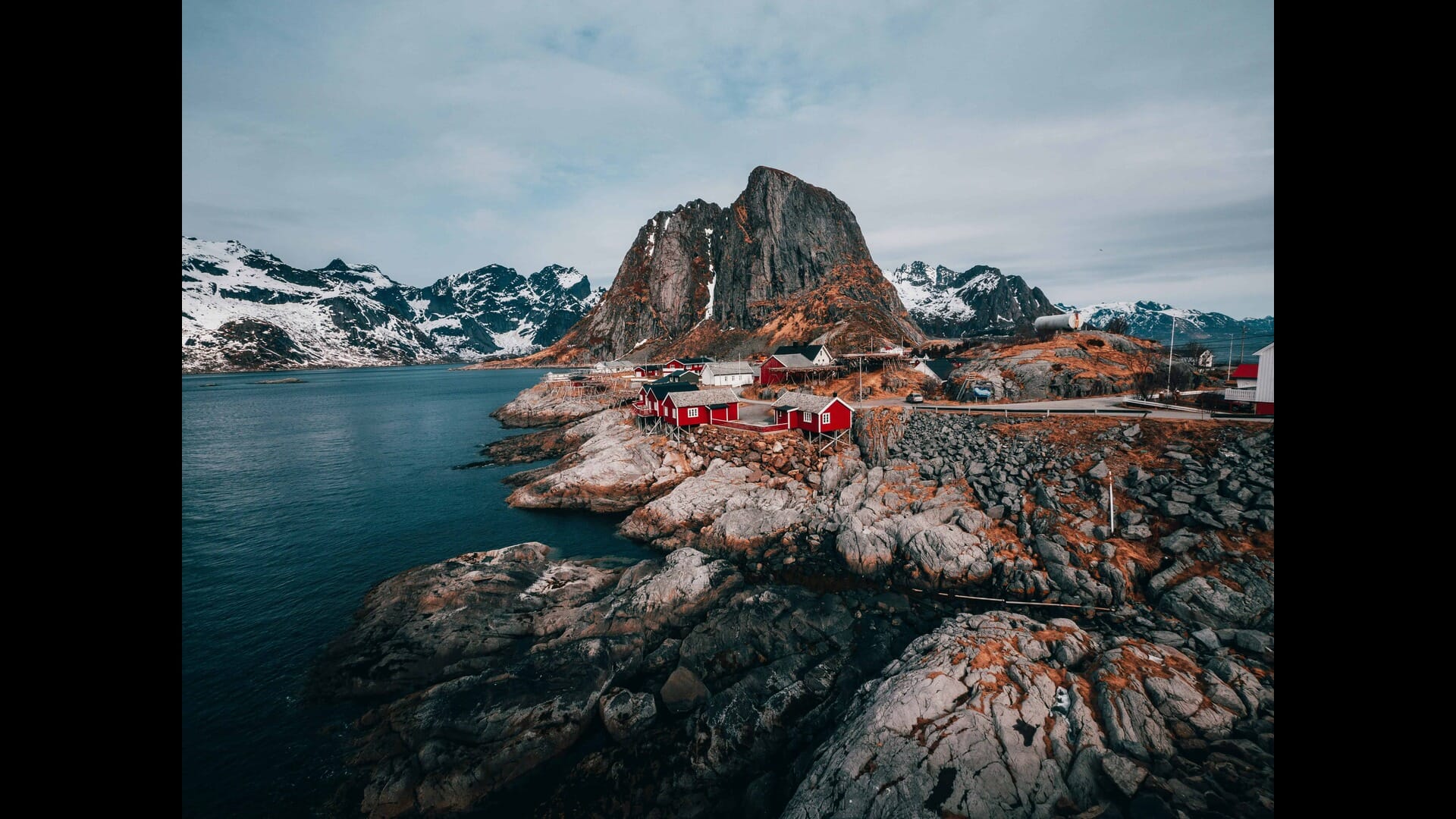
Norway, a land of breathtaking fjords, towering mountains, and sprawling forests, is also home to an array of unique wildlife that captivates nature enthusiasts and casual travelers alike. From the majestic moose that roam the woodlands to the vibrant puffins that nest along the cliffs, Norway’s wildlife is as diverse as its stunning landscapes.
This guide will take you on a journey through Norway’s unique wildlife, providing insights into the habitats, behaviors, and best practices for observing these remarkable creatures in their natural environments.
Understanding Norway’s Diverse Ecosystems
Norway’s wildlife is shaped by its varied ecosystems, which range from coastal regions to mountainous terrains and dense forests. The country’s geography plays a crucial role in determining the types of species that thrive in each area. Understanding these ecosystems is essential for wildlife enthusiasts who wish to explore Norway’s natural beauty.
Coastal Ecosystems: A Haven for Marine Life
Norway’s coastline stretches over 25,000 kilometers, dotted with thousands of islands and islets. This extensive coastline creates a rich marine environment that supports a diverse array of wildlife. The cold, nutrient-rich waters of the North Atlantic are home to numerous fish species, including cod, herring, and mackerel, which in turn attract seabirds and marine mammals.
Key Species:
- Whales: Norway is one of the best places in the world for whale watching, with species like the orca, humpback whale, and blue whale frequently spotted along the coast.
- Seabirds: Puffins, guillemots, and kittiwakes are just a few of the seabirds that nest on Norway’s cliffs during the summer months.
Forest Ecosystems: The Realm of the Moose
The vast boreal forests of Norway are home to some of the country’s most iconic wildlife. These forests, characterized by coniferous trees and a rich undergrowth, provide ideal habitats for a variety of species.
Key Species:
- Moose: The moose, or elk, is one of Norway’s most recognizable animals. These large mammals are often seen grazing in the forests and are a symbol of the Norwegian wilderness.
- Red Foxes and Lynxes: These cunning predators thrive in Norway’s forests, showcasing the country’s rich biodiversity.
Mountain Ecosystems: Home to Unique Flora and Fauna
The rugged mountains of Norway offer a different set of habitats that support unique wildlife adapted to the harsh conditions. The alpine environment is characterized by rocky terrain, glaciers, and sparse vegetation.
Key Species:
- Reindeer: These iconic animals are well-adapted to the cold, mountainous regions of Norway and are often associated with the indigenous Sámi culture.
- Snowy Owls: These magnificent birds are known for their striking white plumage and are often found in the higher altitudes during the winter months.
The Majestic Moose: Norway’s Iconic Mammal
The moose is perhaps the most iconic wildlife species in Norway. Known for their impressive size and distinctive antlers, moose are a sight to behold in the wild. Understanding their behavior and habitat can enhance your chances of spotting these magnificent creatures.
Habitat and Behavior of Moose
Moose are typically found in forested areas, especially near lakes and wetlands where they can access food and water. They are herbivores, primarily feeding on leaves, bark, and aquatic plants. During the summer months, moose are more active and can often be seen grazing in open areas.
Best Places to Spot Moose in Norway
- Oslomarka: The forests surrounding Oslo are a prime location for moose sightings, especially during dawn and dusk.
- Nordmarka: This vast forest area north of Oslo is known for its rich wildlife, including a healthy population of moose.
Tips for Moose Watching
- Timing is Key: Early morning and late evening are the best times to spot moose, as they are more active during these hours.
- Stay Quiet: Moose are sensitive to noise, so approach quietly and avoid sudden movements.
- Use Binoculars: Bring binoculars for a better view, especially if you spot a moose from a distance.
Puffins: The Colorful Seabirds of Norway
Puffins are one of Norway’s most beloved birds, known for their striking appearance and comical behavior. These seabirds are a must-see for any wildlife enthusiast visiting Norway.
Puffin Habitats and Breeding
Puffins are typically found along the coastal cliffs of Norway, where they nest in burrows. The best time to see puffins is during the summer months when they return to their breeding colonies.
Key Puffin Colonies in Norway
- Værøy and Røst: Located in the Lofoten Islands, these islands are home to some of the largest puffin colonies in Norway.
- Hornøya: This small island in the Varangerfjord is another excellent location for puffin watching.
Puffin Behavior and Diet
Puffins are excellent swimmers and divers, using their wings to propel themselves underwater as they hunt for fish. Their diet primarily consists of small fish, such as herring and sand eels.
Tips for Puffin Watching
- Visit During Breeding Season: The best time to see puffins is from late April to early August when they are nesting.
- Respect Their Space: Keep a safe distance from nesting sites to avoid disturbing the birds.
- Bring a Camera: Puffins are incredibly photogenic, so be sure to capture their colorful plumage and unique expressions.
Birdwatching in Norway: A Paradise for Avian Enthusiasts
Norway is a birdwatcher’s paradise, with a diverse range of species inhabiting its various ecosystems. From seabirds along the coast to migratory species in the wetlands, there is no shortage of opportunities for birdwatching.
Notable Bird Species in Norway
- White-tailed Eagle: The largest bird of prey in Europe, the white-tailed eagle can often be seen soaring over coastal areas.
- King Eider: This colorful sea duck is a rare sight, but can be spotted in northern Norway during the winter months.
- Arctic Tern: Known for its incredible migratory journey, the Arctic tern breeds in Norway during the summer.
Best Birdwatching Locations in Norway
- Varanger Peninsula: This area is famous for its rich birdlife, including numerous migratory species.
- Svalbard: The remote archipelago is home to unique Arctic birds, including the Brunnich guillemot and the little auk.
Tips for Birdwatching in Norway
- Use a Field Guide: Familiarize yourself with local bird species using a field guide or birding app.
- Be Patient: Birdwatching requires patience, so take your time and enjoy the experience.
- Join a Guided Tour: Consider joining a birdwatching tour for expert guidance and access to prime locations.
Marine Life in Norway: Exploring the Underwater World
Norway’s coastal waters are teeming with marine life, making it an excellent destination for diving and snorkeling enthusiasts. The cold, clear waters are home to a variety of fish, invertebrates, and marine mammals.
Key Marine Species
- Cod: A staple of Norway’s fishing industry, cod can be found in abundance in the North Atlantic waters.
- Harbor Seals: These playful marine mammals are often seen lounging on rocks along the coast.
- Orcas: Known as killer whales, orcas are a top predator in the marine ecosystem and can often be spotted during whale watching tours.
Best Diving and Snorkeling Spots in Norway
- Lofoten Islands: The waters around these islands offer stunning underwater landscapes and diverse marine life.
- Bodø: Known for its rich marine biodiversity, Bodø is a popular destination for divers.
Tips for Diving and Snorkeling in Norway
- Check Water Temperatures: Be prepared for cold water temperatures and invest in a good wetsuit or drysuit.
- Respect Marine Life: Avoid touching or disturbing marine creatures while diving or snorkeling.
- Join a Guided Tour: Consider joining a guided diving tour for safety and access to the best spots.
Arctic Wildlife: A Glimpse into Norway’s Northern Regions
The northern regions of Norway, including Svalbard and Finnmark, are home to unique Arctic wildlife that thrives in the harsh conditions of the polar environment. This section will explore some of the remarkable species found in these remote areas.
Key Arctic Species
- Polar Bears: Svalbard is one of the best places in the world to see polar bears in their natural habitat.
- Walruses: These large marine mammals can often be seen resting on ice floes or beaches in the Arctic.
- Arctic Foxes: Adapted to the cold, Arctic foxes are known for their beautiful white fur in winter.
Best Locations for Arctic Wildlife Viewing
- Svalbard: This archipelago is a prime destination for Arctic wildlife, with opportunities for polar bear watching and glacier hikes.
- Finnmark: The northernmost county in Norway, Finnmark is home to diverse wildlife, including reindeer and Arctic foxes.
Tips for Arctic Wildlife Watching
- Dress Appropriately: Layer your clothing to stay warm in the cold Arctic temperatures.
- Use a Guide: Consider hiring a local guide who knows the area and can help you spot wildlife.
- Respect Nature: Maintain a safe distance from wildlife and avoid disturbing their natural behaviors.
Conservation Efforts for Norway’s Wildlife
As a country rich in natural beauty and biodiversity, Norway is committed to the conservation of its wildlife and habitats. Various organizations and initiatives work to protect endangered species and preserve natural ecosystems.
Key Conservation Initiatives
- National Parks: Norway has established numerous national parks to protect its unique landscapes and wildlife, including Jotunheimen and Dovrefjell.
- Wildlife Protection Laws: Strict laws are in place to protect endangered species and regulate hunting and fishing practices.
How You Can Help
- Support Local Conservation Efforts: Consider donating to or volunteering with organizations focused on wildlife conservation in Norway.
- Practice Responsible Tourism: Follow guidelines for wildlife watching and minimize your impact on natural habitats.
- Educate Others: Share your knowledge about Norway’s wildlife and conservation efforts to raise awareness.
Conclusion: Embrace the Wonders of Norway’s Wildlife
Norway’s unique wildlife is a testament to the country’s rich natural heritage. From the majestic moose roaming the forests to the colorful puffins nesting along the cliffs, there is an abundance of wildlife waiting to be discovered. By understanding the diverse ecosystems, respecting wildlife, and supporting conservation efforts, you can fully embrace the wonders of Norway’s natural world. Whether you’re a seasoned wildlife enthusiast or a casual traveler, Norway offers unforgettable experiences that connect you with the beauty of nature. So pack your bags, grab your binoculars, and embark on an adventure to explore the incredible wildlife of Norway!