
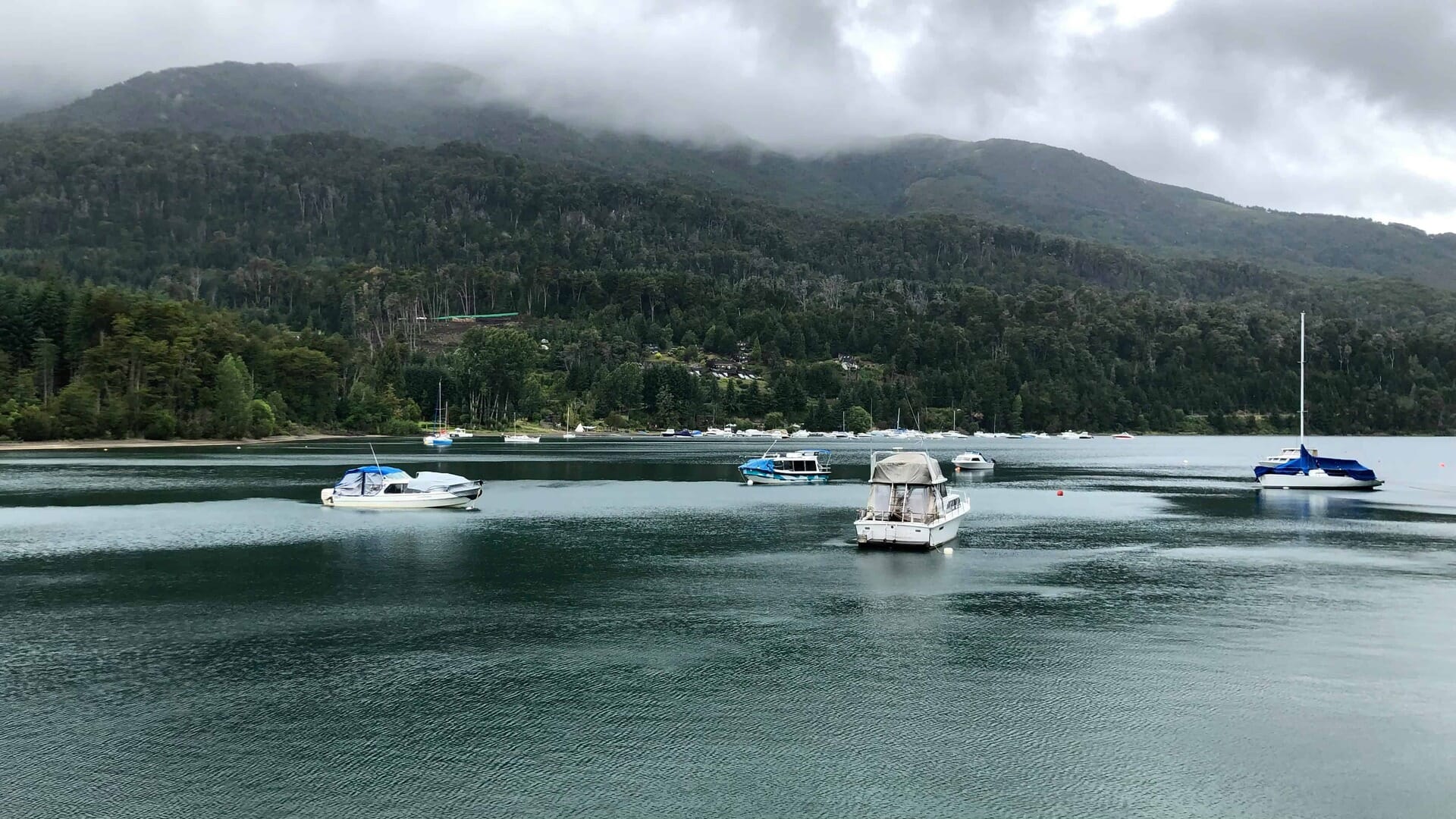
The Natural Wonders of Patagonia: A Journey Through Earth’s Last Great Wilderness
The Natural Wonders of Patagonia: A Journey Through Earth’s Last Great Wilderness
Patagonia, a region that straddles the southern parts of Chile and Argentina, is often described as one of the last great wildernesses on Earth. This breathtaking expanse is home to some of the most stunning natural wonders, ranging from jagged peaks and expansive glaciers to lush forests and unique wildlife.
In this comprehensive travel guide, we will explore the natural wonders of Patagonia, providing you with insights, tips, and inspiration for your next adventure.
1. Introduction to Patagonia: A Land of Contrasts
Patagonia is a land of extremes, where the rugged beauty of the Andes Mountains meets the pristine waters of the Pacific Ocean. With its diverse landscapes, Patagonia offers a unique blend of experiences for travelers. From the arid steppes of the Patagonian desert to the lush temperate rainforests, the region is a paradise for nature lovers and adventure seekers alike.
The Geography of Patagonia
Patagonia covers an area of approximately 1,000,000 square kilometers, making it one of the largest regions in South America. The region is divided into two main areas: Argentine Patagonia and Chilean Patagonia. Each side boasts its own unique landscapes and attractions, making it essential for travelers to explore both sides to fully appreciate the natural wonders of Patagonia.
The Climate of Patagonia
The climate in Patagonia can be unpredictable, with strong winds and sudden weather changes. Generally, the region experiences a cool temperate climate, with the best time to visit being during the summer months of December to February. However, each season offers its own charm, from vibrant wildflowers in spring to stunning autumn foliage.
2. Torres del Paine National Park: A Jewel of Chilean Patagonia
One of the most iconic natural wonders of Patagonia is Torres del Paine National Park. This UNESCO Biosphere Reserve is renowned for its dramatic landscapes, including towering granite peaks, azure lakes, and sprawling glaciers.
The Towers of Paine
The park is named after the three distinctive granite peaks known as the Torres del Paine. These towering formations rise sharply from the surrounding landscape, creating a breathtaking backdrop for hikers and photographers. The best way to experience the Torres is through the famous W Trek, a multi-day hiking route that takes you through the heart of the park.
Hiking Trails in Torres del Paine
The W Trek is just one of the many hiking trails in Torres del Paine. Other popular routes include the O Circuit, which offers a more challenging experience, and the shorter Base of the Towers hike, which provides stunning views without the commitment of a multi-day trek. Each trail showcases the park’s diverse ecosystems, from windswept grasslands to dense forests.
Wildlife Spotting in Torres del Paine
Torres del Paine is also a haven for wildlife enthusiasts. The park is home to a variety of species, including guanacos, Andean condors, and the elusive puma. Birdwatchers will delight in the opportunity to spot over 100 species of birds, making it a prime location for photography and nature observation.
3. The Perito Moreno Glacier: A Living Ice Giant
Located in Los Glaciares National Park in Argentina, the Perito Moreno Glacier is one of the most accessible glaciers in the world. This magnificent ice formation is famous for its dynamic movement, with massive chunks of ice calving into the turquoise waters of Lake Argentino.
Exploring the Glacier
Visitors can explore the glacier through various activities, including guided ice trekking, boat tours, and viewing platforms that provide stunning panoramic views. The experience of walking on the glacier itself is unforgettable, as you navigate through crevasses and ice formations while learning about the glacier’s geology and ecology.
The Calving Process
One of the most awe-inspiring sights at Perito Moreno is the calving process, where large sections of ice break off and crash into the lake below. This natural phenomenon occurs regularly, creating a dramatic spectacle that draws visitors from around the globe.
4. The Marble Caves: Nature’s Artistry
Hidden within the stunning landscapes of Chilean Patagonia, the Marble Caves (Catedrales de Mármol) are a breathtaking natural wonder. Located on the shores of Lake General Carrera, these unique formations are carved into the marble rock by the erosive forces of water.
A Boat Tour to the Caves
The best way to experience the Marble Caves is by taking a boat tour from the nearby town of Puerto Río Tranquilo. As you glide through the crystal-clear waters, you’ll be mesmerized by the swirling patterns and vibrant colors of the marble, which change with the light and the water level.
Photography Opportunities
The Marble Caves offer incredible photography opportunities, especially during sunrise and sunset when the light casts a magical glow on the formations. Make sure to bring your camera to capture the beauty of this hidden gem.
5. The Wildlife of Patagonia: A Biodiversity Hotspot
Patagonia is home to an incredible array of wildlife, making it a prime destination for nature enthusiasts and photographers. The region’s diverse ecosystems support a wide variety of species, both on land and in the surrounding waters.
Iconic Patagonian Animals
Some of the most iconic animals in Patagonia include the guanaco, a relative of the llama, and the Andean condor, one of the largest flying birds in the world. Additionally, the region is home to the endangered South American gray fox and the elusive puma, both of which can be spotted in the wild.
Marine Life in Patagonia
The waters surrounding Patagonia are equally rich in biodiversity. The region is known for its vibrant marine life, including sea lions, dolphins, and various species of whales. The Valdés Peninsula, a UNESCO World Heritage site, is particularly famous for its whale watching opportunities, especially during the migration season.
6. The Southern Patagonian Ice Field: A Glacial Wonderland
The Southern Patagonian Ice Field is one of the largest expanses of ice outside of the polar regions. This vast glacial system feeds several glaciers, including the famous Perito Moreno and the Upsala Glacier, creating a stunning landscape of ice and snow.
Trekking on the Ice Field
For adventurous travelers, trekking on the Southern Patagonian Ice Field is a once-in-a-lifetime experience. Guided tours take you across the ice, where you can explore deep crevasses, ice caves, and stunning viewpoints that showcase the dramatic beauty of this glacial wonderland.
The Importance of Glaciers
The glaciers of Patagonia are not only breathtaking but also play a crucial role in the region’s ecosystem. They provide freshwater to rivers and lakes, support unique habitats, and are vital indicators of climate change. Understanding the importance of these glaciers is essential for appreciating the natural wonders of Patagonia.
7. The Fjords of Chilean Patagonia: A Nautical Paradise
Chilean Patagonia is renowned for its stunning fjords, which are carved by glacial activity and surrounded by towering mountains. These dramatic landscapes offer some of the most breathtaking scenery in the world, making them a must-visit for any traveler.
Exploring the Fjords by Boat
One of the best ways to experience the fjords is by taking a boat tour. These tours often include stops at remote islands, where you can observe wildlife, visit small fishing villages, and marvel at the stunning scenery. The combination of steep cliffs, lush forests, and tranquil waters creates a serene and unforgettable experience.
The Unique Ecosystem of the Fjords
The fjords of Patagonia are home to a unique ecosystem that supports a variety of marine and terrestrial life. From sea otters and penguins to lush forests filled with endemic plant species, the fjords are a biodiversity hotspot that showcases the region’s natural beauty.
8. The Lakes of Patagonia: A Kaleidoscope of Colors
Patagonia is dotted with stunning lakes, each offering its own unique beauty. From the vibrant turquoise waters of Lake Pehoé to the deep blue hues of Lake Argentino, these lakes are a photographer’s dream.
Lake Pehoé and the Cuernos del Paine
Lake Pehoé is one of the most photographed lakes in Patagonia, thanks to its stunning backdrop of the Cuernos del Paine mountains. The vibrant colors of the lake, combined with the dramatic peaks, create a breathtaking scene that is not to be missed.
Lake Argentino: A Glacial Gem
Lake Argentino, the largest lake in Patagonia, is fed by the glaciers of Los Glaciares National Park. Its deep blue waters are a striking contrast to the surrounding landscapes, making it a popular spot for boating and fishing.
9. The Culture of Patagonia: A Blend of Tradition and Nature
While Patagonia is renowned for its natural wonders, it is also home to a rich cultural heritage. The region is inhabited by indigenous peoples, such as the Mapuche and Tehuelche, who have lived in harmony with the land for centuries.
Indigenous Communities and Their Traditions
Visitors to Patagonia can learn about the traditions and customs of these indigenous communities through cultural tours and experiences. From traditional crafts to storytelling, these interactions provide a deeper understanding of the region’s history and connection to nature.
The Influence of European Settlers
In addition to indigenous cultures, Patagonia has been influenced by European settlers, particularly in the 19th and 20th centuries. This blend of cultures has shaped the region’s identity, resulting in a unique fusion of traditions, cuisine, and lifestyles.
10. Eco-Tourism in Patagonia: Sustainable Travel Practices
As the natural wonders of Patagonia continue to attract travelers, the importance of eco-tourism and sustainable travel practices becomes increasingly vital. Protecting the environment while enjoying its beauty is essential for preserving this pristine wilderness for future generations.
Responsible Travel Tips
Travelers can contribute to eco-tourism in Patagonia by following responsible travel practices. This includes minimizing waste, respecting wildlife, and supporting local communities. Choosing eco-friendly accommodations and participating in conservation efforts are also great ways to make a positive impact.
The Future of Patagonia’s Natural Wonders
The future of Patagonia’s natural wonders depends on the collective efforts of travelers, locals, and conservationists. By promoting sustainable practices and raising awareness about the importance of preserving these ecosystems, we can ensure that Patagonia remains a pristine wilderness for generations to come.
Conclusion: Embrace the Wonders of Patagonia
Patagonia is a land of breathtaking beauty and unparalleled adventure. From the towering peaks of Torres del Paine to the mesmerizing glaciers of Los Glaciares National Park, the natural wonders of Patagonia offer something for everyone. Whether you’re an avid hiker, a wildlife enthusiast, or simply seeking tranquility in nature, Patagonia is a destination that will leave you in awe.
As you plan your journey to this remarkable region, remember to embrace the spirit of adventure and respect the delicate ecosystems that make Patagonia so special. With its stunning landscapes and rich cultural heritage, Patagonia is truly a place where nature reigns supreme.