
A Guide to Moroccan Festivals Celebrating Art and Culture
A Guide to Moroccan Festivals Celebrating Art and Culture
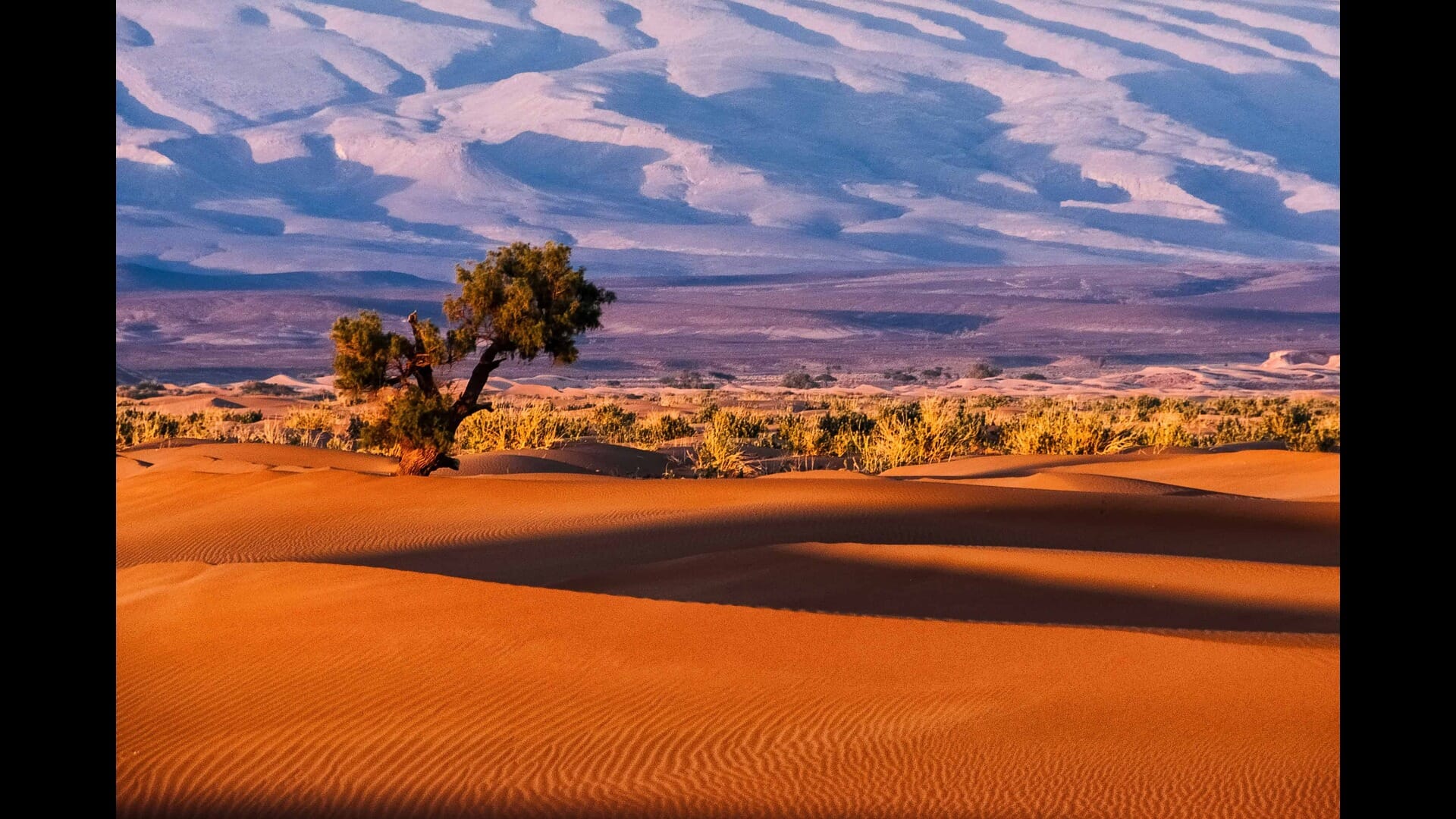
Morocco, a land where the Sahara meets the Atlantic, is a vibrant tapestry of cultures, traditions, and artistic expressions. The country is renowned for its rich history, stunning landscapes, and, most importantly, its festivals that celebrate art and culture. From the bustling streets of Marrakech to the serene coastal town of Essaouira, Moroccan festivals offer a unique glimpse into the heart and soul of this North African nation.
In this comprehensive guide, we will explore some of the most significant festivals in Morocco that highlight its artistic and cultural heritage.
Understanding the Importance of Festivals in Moroccan Culture
Festivals in Morocco are not merely events; they are a celebration of life, community, and identity. They serve as a platform for artists, musicians, and performers to showcase their talents while fostering a sense of belonging among the locals. These festivals often blend traditional practices with contemporary art forms, creating a dynamic cultural landscape that attracts both locals and tourists alike.
The Festival of World Sacred Music: A Spiritual Journey through Sound
One of the most celebrated festivals in Morocco is the Festival of World Sacred Music, held annually in the historic city of Fez. This festival, which typically takes place in June, draws musicians and spiritual leaders from around the globe, uniting diverse cultures through the universal language of music.
The Origins of the Festival
Founded in 1994, the Festival of World Sacred Music was created to promote peace and understanding among different cultures. The festival is held in the enchanting setting of Fez, a UNESCO World Heritage site, known for its ancient medinas and vibrant souks. The festival's mission is to foster dialogue and respect among various religious and cultural traditions.
Highlights of the Festival
During the festival, attendees can enjoy a wide array of performances, including Sufi music, gospel choirs, and traditional Moroccan folk music. The festival features concerts in stunning venues, such as the Boujloud Square and the historic Al-Attarine Madrasa. Workshops, discussions, and exhibitions are also part of the program, allowing visitors to engage with artists and learn about their cultural backgrounds.
The Impact of the Festival
The Festival of World Sacred Music has significantly impacted the local community by promoting cultural tourism and providing a platform for local artists. It has also helped to preserve traditional music forms and foster a sense of pride in Moroccan heritage.
Marrakech Popular Arts Festival: A Celebration of Moroccan Creativity
Another prominent festival is the Marrakech Popular Arts Festival, which showcases the rich artistic traditions of Morocco. This festival typically takes place in July and transforms the city into a vibrant hub of creativity.
The Essence of the Festival
The Marrakech Popular Arts Festival is dedicated to celebrating the diverse artistic expressions found throughout Morocco. From music and dance to visual arts and crafts, the festival highlights the country's cultural richness.
What to Expect
Visitors can expect a lively atmosphere filled with performances from traditional Moroccan musicians, dancers, and storytellers. The festival also features exhibitions of local crafts, allowing artisans to showcase their skills and sell their creations. The streets of Marrakech come alive with colorful parades, street performances, and workshops for all ages.
The Role of Local Artisans
Local artisans play a crucial role in the Marrakech Popular Arts Festival, as they bring their unique crafts and skills to the forefront. From intricate pottery and textiles to stunning jewelry and leatherwork, the festival provides a platform for these artisans to share their work with a broader audience.
Essaouira Gnaoua Festival: A Fusion of Music and Culture
The Essaouira Gnaoua Festival is another must-visit event for those interested in Moroccan music and culture. Held annually in June, this festival celebrates the Gnaoua music tradition, which has its roots in West African spiritual music.
The Gnaoua Tradition
Gnaoua music is characterized by its rhythmic beats and spiritual lyrics, often performed with traditional instruments such as the guembri (a three-stringed bass) and the krakebs (metal castanets). The Essaouira Gnaoua Festival brings together Gnaoua musicians and artists from various genres, creating a unique fusion of sounds.
Festival Highlights
The festival features a lineup of renowned Gnaoua musicians, as well as collaborations with jazz, rock, and other contemporary artists. Concerts take place in various venues throughout Essaouira, including the historic Skala de la Ville and the picturesque beaches. Workshops and discussions on the history and significance of Gnaoua music are also part of the festival.
The Cultural Significance
The Essaouira Gnaoua Festival not only celebrates music but also promotes cultural exchange and understanding. It has become a platform for dialogue between different musical traditions, fostering a sense of unity among diverse communities.
Fez Festival of World Sacred Music: Bridging Cultures through Art
The Fez Festival of World Sacred Music is a remarkable event that brings together artists from various spiritual and cultural backgrounds. This festival, held in the same vein as the Festival of World Sacred Music, focuses on the theme of spirituality and the arts.
The Festival's Mission
The Fez Festival of World Sacred Music aims to promote peace and understanding through artistic expression. It serves as a reminder of the power of music and art to transcend cultural boundaries and foster connections among people.
Experience the Festival
Attendees can enjoy performances from a diverse range of artists, including Sufi musicians, gospel choirs, and contemporary performers. The festival also features workshops, discussions, and exhibitions that delve into the spiritual significance of music and art in various cultures.
The Impact on the Community
The Fez Festival of World Sacred Music has had a profound impact on the local community by promoting cultural tourism and providing opportunities for local artists to showcase their talents. It has also helped to preserve traditional music forms and foster a sense of pride in Moroccan heritage.
The International Festival of Film in Marrakech: A Cinematic Celebration
While primarily focused on film, the International Festival of Film in Marrakech also celebrates the artistic and cultural aspects of cinema. This festival, held annually in December, attracts filmmakers, actors, and cinema enthusiasts from around the world.
The Festival's Vision
The International Festival of Film in Marrakech aims to promote cinema as an art form and a means of cultural expression. It provides a platform for filmmakers to showcase their work and engage with audiences.
What to Expect
The festival features screenings of films from various genres, including documentaries, feature films, and short films. Attendees can participate in workshops, panel discussions, and masterclasses led by industry professionals. The festival also hosts red carpet events and awards ceremonies, celebrating outstanding contributions to cinema.
The Role of Moroccan Cinema
Moroccan cinema has gained recognition on the international stage, and the International Festival of Film in Marrakech plays a crucial role in promoting local filmmakers. The festival provides opportunities for networking and collaboration, helping to elevate Moroccan cinema's profile.
The Festival of Amazigh Culture: Celebrating Berber Heritage
The Festival of Amazigh Culture is a vibrant celebration of the Berber culture and traditions in Morocco. This festival typically takes place in the region of Souss-Massa and highlights the rich heritage of the Amazigh people.
The Significance of Amazigh Culture
The Amazigh, or Berber, people are the indigenous inhabitants of North Africa, with a rich history and unique cultural practices. The Festival of Amazigh Culture aims to preserve and promote this heritage through music, dance, and art.
Festival Highlights
Visitors can enjoy traditional Amazigh music performances, dance shows, and exhibitions of crafts and art. The festival also features workshops on traditional Amazigh practices, such as weaving and pottery. The vibrant atmosphere is enhanced by colorful displays of traditional Amazigh clothing and decorations.
The Impact on the Amazigh Community
The Festival of Amazigh Culture plays a vital role in promoting awareness and appreciation of Berber heritage. It fosters a sense of pride among the Amazigh people and encourages the younger generation to embrace their cultural identity.
The Festival of Roses: A Floral Extravaganza in the Valley of Roses
The Festival of Roses is a unique celebration held annually in the Valley of Roses, located in the Dades Valley. This festival, typically held in May, celebrates the blooming of roses and the region's rosewater production.
The Beauty of the Valley of Roses
The Valley of Roses is renowned for its stunning landscapes and fragrant rose fields. The festival attracts visitors from all over the world, eager to experience the beauty of the valley and its floral bounty.
What to Expect at the Festival
The Festival of Roses features a variety of events, including parades, music performances, and traditional dance shows. Visitors can participate in workshops on rosewater production and enjoy local cuisine made with rose petals. The festival culminates in the crowning of the Rose Queen, a highlight of the event.
The Economic Impact
The Festival of Roses has a significant economic impact on the local community, promoting tourism and supporting local businesses. It also raises awareness about the importance of rose cultivation and its role in the region's economy.
The Festival of Traditional Moroccan Music: A Journey through Sound
The Festival of Traditional Moroccan Music is a celebration of the diverse musical traditions found throughout the country. This festival, held in various cities, showcases the rich tapestry of Moroccan music, from Andalusian to Amazigh.
The Diversity of Moroccan Music
Moroccan music is characterized by its regional diversity, with each area boasting its unique styles and instruments. The Festival of Traditional Moroccan Music aims to highlight this diversity and promote cultural exchange.
Festival Highlights
Attendees can enjoy performances from traditional musicians, dance troupes, and cultural groups. The festival also features workshops where visitors can learn about traditional instruments and music styles. The vibrant atmosphere is enhanced by colorful decorations and local crafts.
The Role of Music in Moroccan Culture
Music plays a vital role in Moroccan culture, serving as a means of expression and a way to bring communities together. The Festival of Traditional Moroccan Music helps to preserve these traditions and fosters a sense of pride in Moroccan heritage.
Conclusion: Embracing the Richness of Moroccan Festivals
Moroccan festivals celebrating art and culture offer a unique opportunity to immerse oneself in the country's rich heritage. From the spiritual sounds of the Festival of World Sacred Music to the vibrant celebrations of the Marrakech Popular Arts Festival, each event provides a glimpse into the heart and soul of Morocco. By attending these festivals, visitors can not only enjoy the artistic expressions of the country but also contribute to the preservation of its cultural heritage. Whether you're a music lover, an art enthusiast, or simply curious about Moroccan traditions, these festivals are a must-experience for anyone seeking to understand the beauty and complexity of Moroccan culture.