
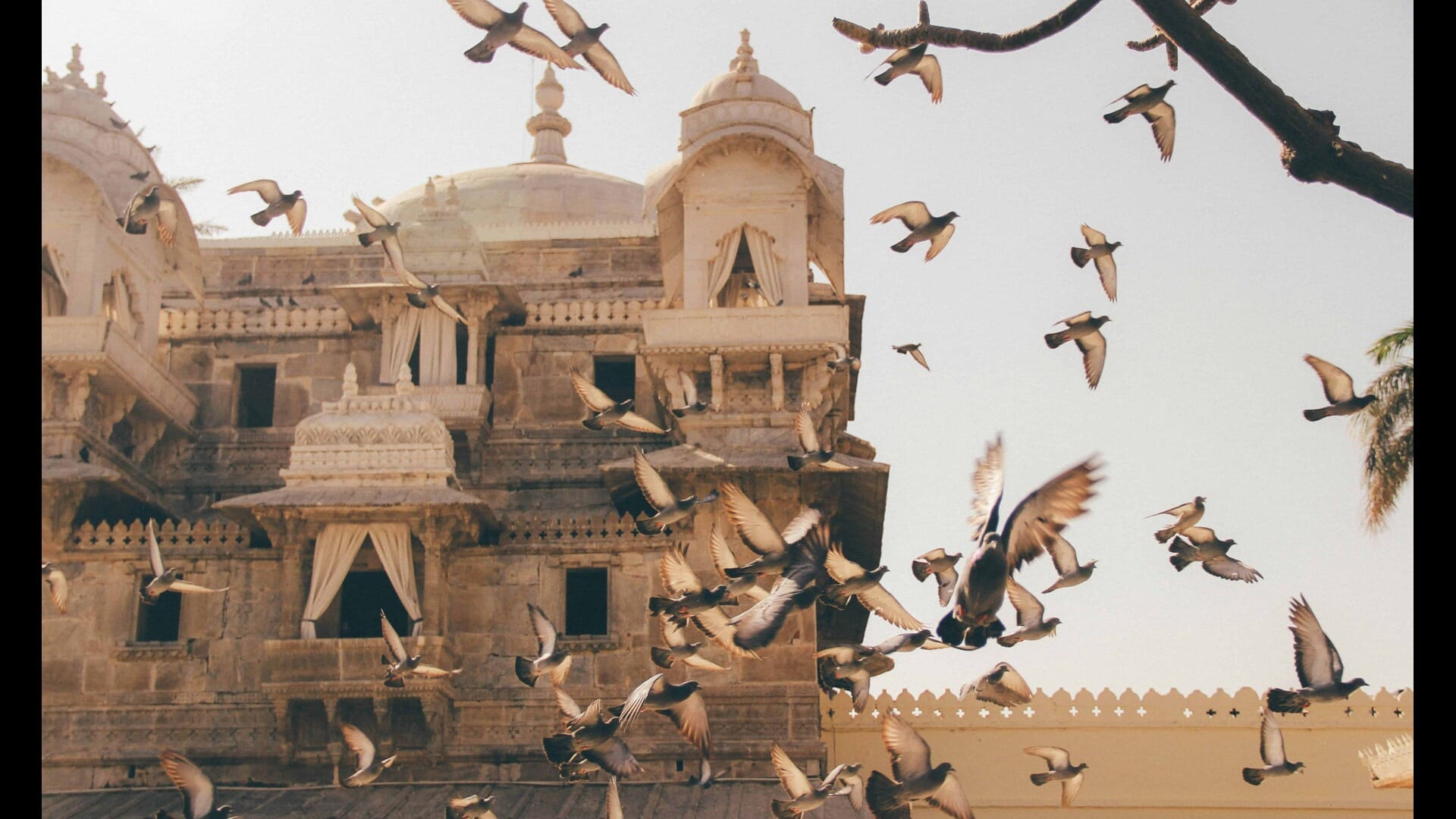
A Journey Through India’s Colonial History: Architecture and More
A Journey Through India’s Colonial History: Architecture and More
India, a land steeped in history and culture, offers a unique tapestry woven from its colonial past. The architectural marvels that dot its landscape tell tales of a time when foreign powers left their indelible mark on the subcontinent. This article takes you on a journey through India’s colonial history, exploring the stunning architecture that remains, the cultural influences that shaped the nation, and the legacy that continues to resonate today.
Understanding the Colonial Era in India
The colonial era in India began in the early 17th century with the arrival of European trading companies, primarily the British East India Company. Over the next few centuries, India would become a focal point for British imperial ambitions, culminating in the establishment of direct British rule after the Sepoy Mutiny of 1857. This period, known as the British Raj, lasted until India gained independence in 1947.
The impact of colonialism on India was profound, affecting its economy, society, and culture. The British introduced new administrative systems, educational reforms, and infrastructure developments, but they also imposed their values and norms, often at the expense of indigenous traditions. Understanding this complex history is essential to appreciate the architectural heritage that emerged during this time.
Colonial Architecture: A Fusion of Styles
Colonial architecture in India is a fascinating blend of indigenous and European styles. As the British settled in various regions, they adapted their architectural practices to suit local climates and materials. This fusion resulted in unique structures that reflect both colonial aspirations and Indian sensibilities.
The Indo-Saracenic Revival Style
One of the most prominent architectural styles that emerged during the colonial period is the Indo-Saracenic Revival style. This style combines Gothic, Mughal, and Indian architectural elements, creating a distinctive aesthetic. Notable examples include the Victoria Terminus in Mumbai and the Madras High Court in Chennai. These buildings often feature intricate carvings, domes, and arches, showcasing the craftsmanship of Indian artisans.
Gothic Revival Architecture in India
The Gothic Revival style, characterized by pointed arches, ribbed vaults, and flying buttresses, found its way into Indian architecture during the colonial era. The most iconic example is the Chhatrapati Shivaji Maharaj Terminus in Mumbai, a UNESCO World Heritage Site. Its stunning façade and elaborate interiors reflect the grandeur of the British Empire and its architectural ambitions in India.
Neoclassical Architecture and Its Influence
Neoclassical architecture, with its emphasis on symmetry and grandeur, also left a significant mark on India’s colonial landscape. The Rashtrapati Bhavan in New Delhi, originally built as the Viceroy's residence, is a prime example. Its imposing dome and sprawling gardens symbolize the power of the British Raj and the architectural vision of the time.
Key Colonial Cities to Explore
India is home to several cities that showcase its colonial history through architecture and urban planning. Each city offers a unique perspective on the colonial experience, making them essential stops on your journey.
Mumbai: The Gateway to Colonial India
Mumbai, formerly known as Bombay, was the epicenter of British colonial activity in India. The city boasts a wealth of colonial architecture, from the iconic Gateway of India to the grand Chhatrapati Shivaji Maharaj Terminus.
The Gateway of India
Built in 1924 to commemorate the visit of King George V and Queen Mary, the Gateway of India is a stunning example of Indo-Saracenic architecture. Standing majestically at the waterfront, it serves as a reminder of the British presence in India and is a popular gathering spot for locals and tourists alike.
Chhatrapati Shivaji Maharaj Terminus
This UNESCO World Heritage Site is not only a functional railway station but also a masterpiece of Victorian Gothic architecture. Its intricate details and grandeur make it a must-visit for anyone interested in colonial history.
Kolkata: The City of Joy and Colonial Splendor
Kolkata, formerly Calcutta, was the capital of British India until 1911. The city is renowned for its colonial-era buildings, which reflect the cultural and architectural diversity of the time.
Victoria Memorial
The Victoria Memorial, a magnificent marble structure, is dedicated to Queen Victoria and serves as a museum today. Its blend of British and Mughal architectural styles is a testament to the cultural exchange that occurred during the colonial period.
Howrah Bridge
One of the most recognizable landmarks in Kolkata, the Howrah Bridge is an engineering marvel that connects the city to Howrah. Its construction during the British era symbolizes the industrial advancements of the time.
Delhi: A Tapestry of History
Delhi, the capital of India, is a city where history and modernity coexist. The colonial architecture here tells the story of the British Raj and its impact on the city’s urban landscape.
Rashtrapati Bhavan
Originally built as the Viceroy's residence, Rashtrapati Bhavan is an architectural masterpiece that combines Indian and European styles. Its vast gardens and imposing structure make it a symbol of India's political heritage.
India Gate
India Gate, a war memorial dedicated to Indian soldiers who died in World War I, is another iconic structure in Delhi. Its design is inspired by the Arc de Triomphe in Paris, showcasing the influence of European architecture on Indian soil.
The Cultural Impact of Colonialism
The architectural legacy of colonialism in India goes beyond mere structures; it reflects the cultural exchanges and tensions that shaped the nation. The colonial period saw the introduction of Western education, legal systems, and social reforms, which had lasting effects on Indian society.
Education and the Spread of Western Ideas
The British established schools and universities that introduced Western ideas and philosophies. This led to the emergence of a new educated class that played a crucial role in India’s struggle for independence. The influence of Western literature, science, and political thought can still be seen in contemporary Indian society.
The Arts and Literature of the Colonial Era
The colonial period also saw a flourishing of arts and literature. Writers like Rabindranath Tagore and R. K. Narayan drew inspiration from their surroundings, blending traditional Indian themes with Western literary forms. This cultural synthesis enriched Indian literature and continues to influence writers today.
The Role of Religion and Spirituality
Colonialism also impacted religious practices and beliefs in India. The British introduced new religious movements and reformist ideas, leading to a re-examination of traditional practices. The interplay between colonialism and spirituality is a fascinating aspect of India’s cultural history.
Preserving Colonial Heritage in Modern India
As India moves forward in the 21st century, the preservation of its colonial heritage has become increasingly important. Many structures are at risk due to urbanization and neglect, prompting efforts to conserve these historical sites.
Government Initiatives for Heritage Conservation
The Indian government has established various organizations and initiatives aimed at preserving colonial architecture. The Archaeological Survey of India (ASI) plays a crucial role in maintaining and restoring historical sites, ensuring that future generations can appreciate their significance.
The Role of NGOs and Community Efforts
Non-governmental organizations (NGOs) and local communities are also actively involved in heritage conservation. Initiatives like heritage walks and awareness campaigns help educate the public about the importance of preserving colonial architecture and history.
Traveling Through India’s Colonial Past
Embarking on a journey through India’s colonial past is not just about visiting historical sites; it’s about immersing yourself in the stories and experiences that shaped the nation. Here are some tips for making the most of your exploration.
Planning Your Itinerary
When planning your trip, consider including major colonial cities like Mumbai, Kolkata, and Delhi, as well as lesser-known towns with colonial architecture. Research local heritage walks and guided tours to gain deeper insights into the history and significance of each site.
Engaging with Local Historians and Guides
Hiring local historians or guides can enhance your experience significantly. They can provide valuable context and anecdotes that bring the history to life, making your journey through colonial India more enriching.
Embracing the Cultural Diversity of India
India is a land of diverse cultures and traditions. Take the time to engage with local communities, sample regional cuisines, and participate in cultural events. This will give you a more holistic understanding of how colonialism has shaped contemporary Indian society.
Conclusion: Reflecting on India’s Colonial Legacy
As you traverse India’s colonial landscape, you will encounter a rich tapestry of history, culture, and architecture. The remnants of colonialism serve as reminders of a complex past, inviting reflection on the interplay between tradition and modernity.
In celebrating this heritage, we not only honor the architectural achievements of the past but also acknowledge the diverse narratives that continue to shape India today. Whether you are an architecture enthusiast, a history buff, or simply a curious traveler, a journey through India’s colonial history promises to be an unforgettable experience, filled with insights and inspiration.
Further Reading and Resources
For those interested in delving deeper into India’s colonial history and architecture, consider exploring the following resources:
- Books: Look for titles on colonial architecture, Indian history, and cultural studies.
- Documentaries: Various documentaries explore the impact of colonialism on India and its architectural heritage.
- Online Courses: Many institutions offer online courses focusing on Indian history and architecture, providing a structured way to learn more.
Final Thoughts
India’s colonial history is a multifaceted narrative that continues to evolve. As you explore its architectural wonders, remember that each structure has a story to tell—a story of resilience, adaptation, and cultural exchange. Embrace the journey, and let the echoes of the past guide your understanding of this vibrant nation.