
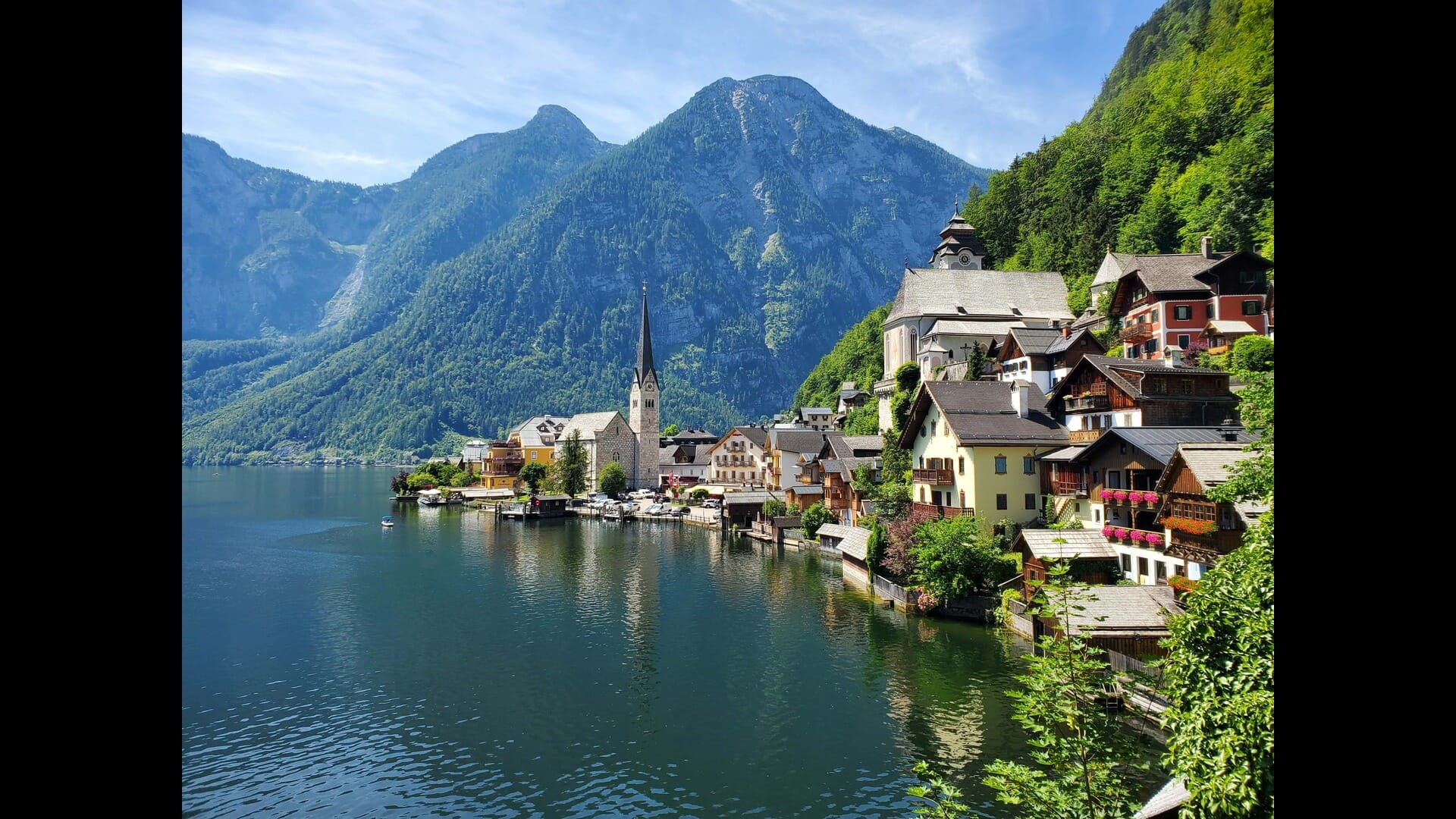
A Journey Through the Heart of Austrian Literature
A Journey Through the Heart of Austrian Literature
Austria, a land of stunning landscapes, rich history, and profound cultural heritage, has long been a cradle for some of the most influential literary figures in history. From the majestic Alps to the serene Danube, the country has inspired countless authors, poets, and playwrights who have woven their experiences into the fabric of Austrian literature.
This article serves as a comprehensive travel guide for literature enthusiasts, offering a deep dive into the lives, works, and the landscapes that shaped these iconic writers. Join us as we embark on a journey through the heart of Austrian literature.
The Rich Tapestry of Austrian Literary History
Austrian literature is a tapestry woven from various threads, including philosophical thought, political upheaval, and cultural evolution. The roots of this literary tradition can be traced back to the medieval period, where early works were often religious in nature. However, it was during the 19th and 20th centuries that Austrian literature truly flourished, giving birth to a plethora of literary movements and styles.
The Influence of the Habsburg Empire on Literature
The Habsburg Empire, which ruled over Austria for centuries, played a significant role in shaping the country’s literary landscape. The empire was a melting pot of cultures, languages, and ideas, fostering an environment where writers could explore diverse themes and styles. This cultural amalgamation is evident in the works of authors such as Franz Kafka, Rainer Maria Rilke, and Stefan Zweig, who drew inspiration from their surroundings and the socio-political climate of their time.
Key Literary Movements in Austria
Austrian literature has been marked by several key movements, including Romanticism, Realism, and Modernism. Each of these movements brought forth unique perspectives and innovations in literary form. Romanticism, for instance, emphasized emotion and individualism, while Realism focused on depicting everyday life with accuracy. Modernism, on the other hand, challenged traditional narrative structures and explored the complexities of human consciousness.
Iconic Austrian Authors and Their Works
To truly appreciate Austrian literature, one must delve into the lives and works of its most celebrated authors. This section highlights some of the key figures who have left an indelible mark on the literary world.
Franz Kafka: The Master of Existentialism
Franz Kafka, born in Prague in 1883, is perhaps the most renowned Austrian writer. His works, characterized by themes of alienation, existential anxiety, and absurdity, resonate with readers even today. Kafka’s most famous works, including "The Metamorphosis" and "The Trial," explore the struggles of the individual against an incomprehensible and often hostile world.
Exploring Kafka’s Prague
A pilgrimage to Kafka’s birthplace is a must for any literature lover. The Kafka Museum in Prague offers a fascinating insight into his life and works, showcasing manuscripts, letters, and photographs. Stroll through the streets of the city that inspired his writing, visiting landmarks such as the Old Town Square and the iconic Charles Bridge.
Rainer Maria Rilke: The Poet of the Soul
Rainer Maria Rilke, born in 1875, is celebrated for his profound poetry that delves into themes of love, death, and the search for meaning. His most famous work, "Letters to a Young Poet," offers timeless wisdom on the creative process and the nature of existence.
The Beauty of Rilke’s Vienna
Vienna, the city where Rilke spent much of his life, is steeped in literary history. Visit the Rilke Museum, located in a former residence of the poet, where you can immerse yourself in his world. Take a leisurely walk through the Schönbrunn Palace gardens, a place that inspired many of his reflections on nature and beauty.
Stefan Zweig: The Chronicler of Human Emotions
Stefan Zweig, a prolific writer and biographer, is known for his psychological insights and exploration of human emotions. His works, including "The World of Yesterday" and "Letter from an Unknown Woman," reveal the complexities of love, loss, and identity.
Discovering Zweig’s Salzburg
Salzburg, the birthplace of Zweig, is a picturesque city that offers a glimpse into his life. Visit the Stefan Zweig Centre, which houses a collection of his works and personal artifacts. Explore the charming streets of Salzburg, where the stunning architecture and vibrant culture echo the themes found in Zweig’s writing.
Literary Landmarks Across Austria
Austria is dotted with literary landmarks that pay homage to its rich literary heritage. This section highlights some must-visit sites for literature enthusiasts.
The Sigmund Freud Museum in Vienna
The Sigmund Freud Museum, located in Freud’s former residence, offers a unique perspective on the intersection of literature and psychology. Freud’s theories have influenced countless writers, and the museum showcases his life’s work, including manuscripts, letters, and personal artifacts.
The Franz Grillparzer Museum
Located in Vienna, the Franz Grillparzer Museum is dedicated to one of Austria’s most important playwrights and poets. The museum features exhibits on Grillparzer’s life and works, providing insight into the literary movements of the 19th century.
The Literary Museum in Vienna
The Austrian National Library houses the Literary Museum, which showcases the country’s literary history through a vast collection of manuscripts, letters, and first editions. The museum also hosts temporary exhibitions that focus on specific authors or literary movements.
Austrian Literary Festivals and Events
Austria hosts a variety of literary festivals and events that celebrate its literary heritage. These gatherings provide opportunities for readers and writers to engage with one another and explore new ideas.
The Vienna Literary Festival
The Vienna Literary Festival, held annually, brings together authors, poets, and literary enthusiasts from around the world. The festival features readings, panel discussions, and workshops, offering a platform for emerging voices in literature.
The Salzburg Festival
While primarily known for its music and theater, the Salzburg Festival also includes a literary component, featuring readings and discussions with renowned authors. This prestigious event attracts literary figures and audiences alike, making it a highlight of the cultural calendar.
The Graz Literature Festival
Graz, a UNESCO City of Literature, hosts an annual literature festival that celebrates both local and international authors. The festival features readings, workshops, and discussions, fostering a vibrant literary community.
The Influence of Austrian Literature on Global Literature
Austrian literature has had a profound impact on global literary movements, influencing writers and thinkers around the world. This section explores the ways in which Austrian authors have shaped the literary landscape beyond their borders.
The Legacy of Kafka in Modern Literature
Kafka’s influence can be seen in the works of numerous contemporary authors, who draw inspiration from his themes of existentialism and absurdity. Writers such as Haruki Murakami and Albert Camus have acknowledged Kafka’s impact on their own work, demonstrating the enduring relevance of his ideas.
Rilke’s Influence on Poetry
Rilke’s exploration of the human condition has resonated with poets across generations. His lyrical style and profound insights into love and existence have inspired poets such as W. H. Auden and Ted Hughes, who have incorporated Rilke’s themes into their own writing.
The Psychological Depth of Zweig’s Works
Zweig’s exploration of human emotions and relationships has influenced writers and psychologists alike. His ability to capture the complexities of the human experience has made his works timeless, resonating with readers across cultures.
The Role of Austrian Literature in Contemporary Society
In today’s fast-paced world, the themes explored in Austrian literature remain relevant. This section discusses the role of literature in addressing contemporary issues and fostering understanding.
Literature as a Reflection of Society
Austrian literature continues to reflect the complexities of modern society, addressing issues such as identity, migration, and the impact of technology on human relationships. Contemporary authors draw upon the rich literary tradition of Austria to explore these themes, offering readers a deeper understanding of the world around them.
The Importance of Literary Education
Literary education plays a crucial role in fostering critical thinking and empathy. By studying the works of Austrian authors, students can gain insights into different perspectives and cultures, promoting a more inclusive society.
Conclusion: Embracing the Spirit of Austrian Literature
A journey through the heart of Austrian literature is not just a trip through time; it is an exploration of the human experience. The landscapes that inspired these iconic writers are a testament to the power of place in shaping narratives. As you traverse the cities, museums, and festivals that celebrate Austrian literature, you will find yourself immersed in a world of creativity, emotion, and profound insight. Whether you are a seasoned literary enthusiast or a curious traveler, Austria invites you to discover the stories that have shaped its cultural identity. Embrace the spirit of Austrian literature, and let it inspire your own journey through life.