
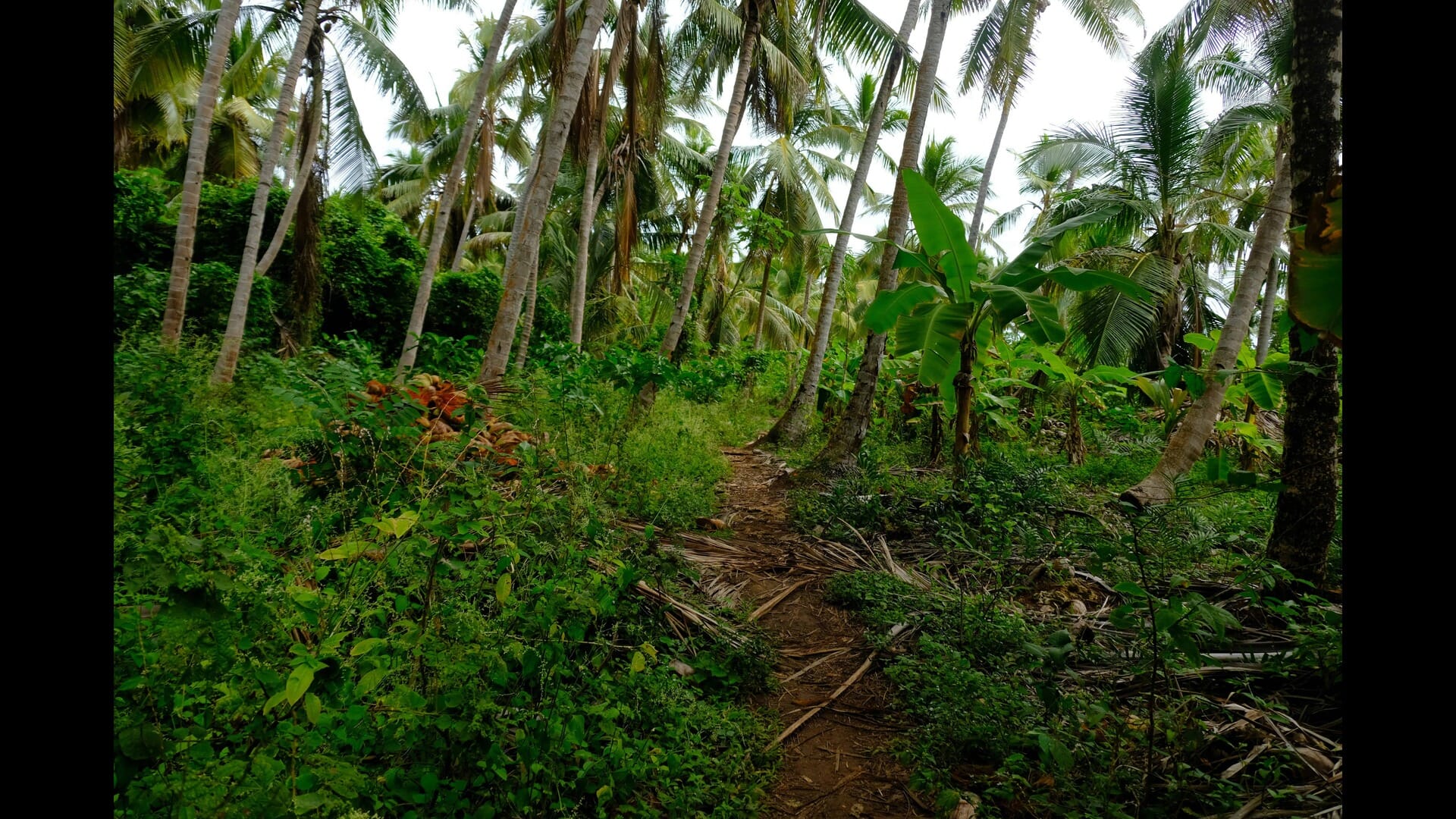
A Journey Through the Dominican Republic’s Cultural Heritage
A Journey Through the Dominican Republic’s Cultural Heritage
The Dominican Republic, a Caribbean gem, is not just known for its stunning beaches and lush landscapes; it is a vibrant tapestry of culture, history, and tradition. This article takes you on a captivating journey through the Dominican Republic's cultural heritage, exploring its rich history, diverse traditions, and the artistic expressions that define this beautiful nation.
Understanding the Historical Context of the Dominican Republic
To appreciate the cultural heritage of the Dominican Republic, one must first understand its historical context. The island of Hispaniola, which the Dominican Republic shares with Haiti, was the first landing site of Christopher Columbus in 1492. This marked the beginning of European colonization, which profoundly impacted the indigenous Taino population and the island's cultural landscape.
The Spanish colonization brought about significant changes, including the introduction of African slaves, who contributed immensely to the island's cultural fabric. The blend of Taino, Spanish, and African influences has shaped the Dominican Republic's identity, creating a unique cultural heritage that is celebrated today.
Exploring the Indigenous Roots of Dominican Culture
The Taino people were the original inhabitants of the Dominican Republic, and their influence is still felt today. The Taino language, customs, and beliefs have been woven into the fabric of Dominican culture.
Taino Language and Vocabulary
Many words in the Dominican Spanish language are derived from Taino, including terms related to local flora and fauna. For instance, words like hamaca (hammock) and barbacoa (barbecue) are rooted in Taino vocabulary. Understanding these linguistic connections helps to appreciate the indigenous contributions to Dominican culture.
Traditional Taino Practices
The Taino people had a rich spiritual life, with a pantheon of gods and rituals that celebrated nature. Today, some of these practices can still be seen in local festivals and spiritual gatherings, showcasing the enduring legacy of the Taino culture.
The Spanish Colonial Influence on Dominican Heritage
The arrival of Spanish colonizers brought about significant changes in the Dominican Republic's cultural landscape. The Spanish introduced their language, religion, and customs, which blended with indigenous and African elements to create a unique cultural identity.
Colonial Architecture and Historical Sites
The architectural legacy of the Spanish colonization is evident in the Dominican Republic's historical sites. The Colonial Zone of Santo Domingo, a UNESCO World Heritage Site, is home to some of the oldest European structures in the Americas, including:
- The Alcázar de Colón: This stunning palace was built for Diego Columbus, the son of Christopher Columbus, and showcases the opulence of colonial architecture.
- The Cathedral of Santa María la Menor: As the first cathedral in the Americas, it is a testament to the religious influence of the Spanish colonizers.
- Fortaleza Ozama: This fortress, built in the 16th century, offers a glimpse into the military architecture of the colonial era.
Exploring these sites provides a deeper understanding of the Dominican Republic's colonial past and its impact on contemporary culture.
The African Influence on Dominican Culture
The African diaspora has played a crucial role in shaping the Dominican Republic's cultural heritage. Enslaved Africans brought to the island contributed their traditions, music, dance, and culinary practices, which have become integral to Dominican culture.
Music and Dance: The Heartbeat of Dominican Culture
Dominican music is a vibrant reflection of its African roots. Genres such as merengue and bachata have their origins in African rhythms and have evolved into popular forms of expression.
- Merengue: Often considered the national dance of the Dominican Republic, merengue is characterized by its fast-paced rhythm and lively movements. It is a dance that brings people together, often performed at celebrations and social gatherings.
- Bachata: This genre, which originated in the rural areas of the Dominican Republic, tells stories of love and heartbreak. Bachata music is characterized by its romantic melodies and is often accompanied by intimate dance styles.
Culinary Traditions: A Fusion of Flavors
The culinary landscape of the Dominican Republic is a delicious fusion of Taino, Spanish, and African influences. Traditional dishes such as la bandera (rice, beans, and meat) and mangú (mashed plantains) showcase the island's diverse flavors.
- Sancocho: A hearty stew made with various meats and vegetables, sancocho is often served during family gatherings and celebrations, symbolizing togetherness and community.
- Mofongo: This dish, made from fried plantains and garlic, reflects the African influence on Dominican cuisine and is a must-try for any visitor.
Celebrating Dominican Festivals and Traditions
The Dominican Republic is known for its vibrant festivals that celebrate its rich cultural heritage. These events are a blend of music, dance, food, and tradition, offering visitors an immersive experience.
Carnival: A Colorful Extravaganza
Carnival is one of the most anticipated events in the Dominican Republic, celebrated in February with parades, costumes, and lively music. Each region has its unique way of celebrating, but the festivities are characterized by:
- Colorful Costumes: Participants wear elaborate costumes adorned with feathers, beads, and masks, representing various characters from Dominican folklore.
- Music and Dance: The streets come alive with the sounds of merengue and bachata, as people dance and celebrate together.
The Festival of San Juan
Held in June, the Festival of San Juan is a celebration of the summer solstice and is marked by traditional rituals, music, and food. It is a time for families to come together and celebrate their heritage.
The Role of Religion in Dominican Culture
Religion plays a significant role in the Dominican Republic's cultural heritage, with a majority of the population identifying as Roman Catholic. The influence of religion is evident in various aspects of daily life, from festivals to family traditions.
Religious Festivals and Celebrations
- Semana Santa (Holy Week): This week-long celebration leading up to Easter is marked by religious processions, reenactments, and community gatherings.
- Feast of Our Lady of Altagracia: Celebrated on January 21st, this feast honors the patron saint of the Dominican Republic and includes religious ceremonies, music, and cultural events.
Syncretism: Blending of Beliefs
In addition to Catholicism, elements of African spirituality and indigenous beliefs have blended into the religious practices of the Dominican Republic. This syncretism is evident in various rituals and celebrations, showcasing the island's diverse cultural heritage.
The Artistic Expressions of the Dominican Republic
Art plays a vital role in expressing the Dominican Republic's cultural identity. From visual arts to literature, the island is home to a wealth of artistic talent that reflects its history and traditions.
Visual Arts: A Reflection of Heritage
Dominican artists draw inspiration from their cultural roots, creating works that celebrate the island's history and diversity. Notable artists include:
- Carmen L. de León: A prominent painter known for her vibrant depictions of Dominican life and landscapes.
- José R. Ariza: A sculptor whose works often incorporate elements of Taino and African heritage.
Literature: Voices of the Dominican Experience
Dominican literature has gained international recognition, with authors exploring themes of identity, migration, and cultural heritage. Notable writers include:
- Junot Díaz: A Pulitzer Prize-winning author whose works often reflect the Dominican-American experience.
- Julia de Burgos: A celebrated poet whose writings explore themes of love, identity, and social justice.
Preserving Cultural Heritage in the Dominican Republic
As globalization continues to influence cultures worldwide, preserving the Dominican Republic's cultural heritage has become increasingly important. Efforts are being made to safeguard traditions, languages, and artistic expressions for future generations.
Community Initiatives and Organizations
Local organizations and community groups are actively working to promote and preserve Dominican culture through various initiatives, including:
- Cultural Workshops: Offering classes in traditional crafts, music, and dance to engage younger generations.
- Cultural Festivals: Organizing events that celebrate Dominican heritage and encourage community participation.
The Role of Education in Cultural Preservation
Education plays a crucial role in preserving cultural heritage. Schools are increasingly incorporating lessons on Dominican history, traditions, and arts into their curricula, fostering a sense of pride and identity among students.
Conclusion: Embracing the Rich Cultural Heritage of the Dominican Republic
A journey through the Dominican Republic's cultural heritage is a captivating experience that reveals the island's rich history, diverse traditions, and artistic expressions. From the indigenous Taino roots to the vibrant music and dance, the Dominican Republic offers a unique cultural tapestry that continues to evolve while honoring its past.
As travelers explore this beautiful nation, they are not only discovering its stunning landscapes but also embracing the stories, traditions, and experiences that define the Dominican Republic's cultural identity. Whether through its delicious cuisine, lively festivals, or artistic expressions, the Dominican Republic invites everyone to partake in its vibrant cultural heritage, ensuring that it remains alive for generations to come.