
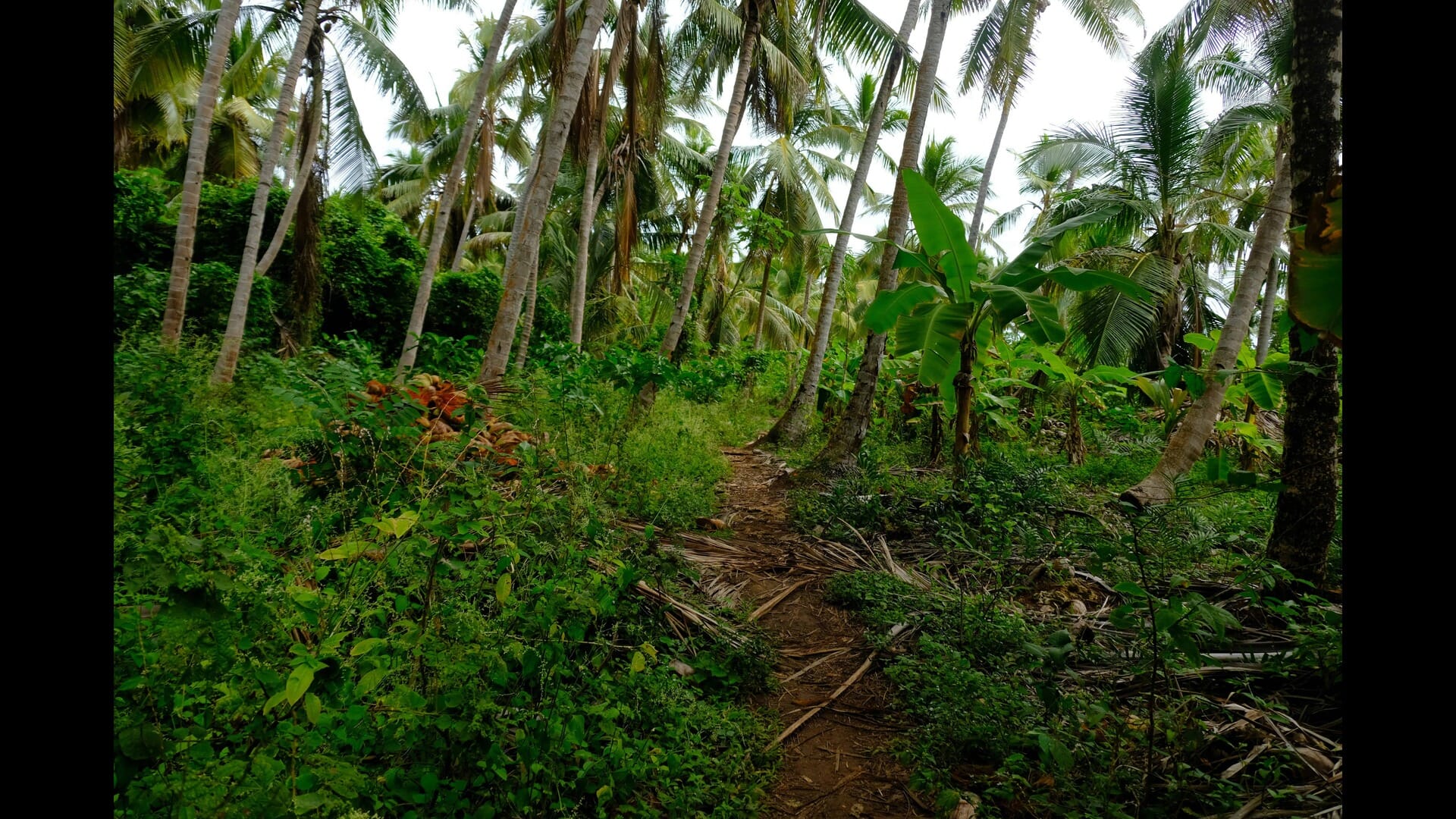
A Journey Through the Heart of Dominican Music
A Journey Through the Heart of Dominican Music
The Dominican Republic, a vibrant Caribbean nation, is not just known for its stunning beaches and lush landscapes; it is also a treasure trove of musical heritage. From the lively beats of merengue to the romantic strains of bachata, Dominican music is a reflection of the country's rich history and diverse culture.
In this article, we will embark on a journey through the heart of Dominican music, exploring its origins, evolution, and the cultural significance it holds today.
The Origins of Dominican Music: A Cultural Melting Pot
The Historical Context of Dominican Music
Dominican music is a product of the island's complex history, influenced by the indigenous Taino people, African slaves, and European colonizers. The fusion of these diverse cultures has given rise to a unique musical landscape that is both rich and varied. The Taino people contributed their native rhythms and instruments, while the African influence brought in complex polyrhythms and vocal styles. European colonization introduced instruments like the guitar and accordion, which have become staples in Dominican music.
The Role of African Heritage in Dominican Music
The African diaspora has played a crucial role in shaping the musical identity of the Dominican Republic. Enslaved Africans brought their musical traditions, which included call-and-response singing, drumming, and dance. These elements are evident in genres like merengue and bachata, where rhythm and movement are integral to the experience. The use of traditional African instruments, such as the tambora and güira, adds to the authenticity of Dominican music.
Exploring the Genres of Dominican Music
Merengue: The National Dance of the Dominican Republic
Merengue is perhaps the most recognized genre of Dominican music, often referred to as the national dance of the country. Its infectious rhythm and lively tempo make it a favorite at celebrations and social gatherings. The origins of merengue are debated, but it is widely believed to have emerged in the 19th century, evolving from rural folk music into a popular dance form.
The Instruments of Merengue
The quintessential merengue ensemble typically includes the accordion, saxophone, tambora, and güira. The accordion, introduced by European settlers, provides melodic lines, while the tambora and güira create the driving rhythm that characterizes the genre. The combination of these instruments creates a sound that is both energetic and inviting, encouraging everyone to join in the dance.
The Dance of Merengue
Merengue is not just music; it is a dance that embodies the spirit of the Dominican people. The dance is characterized by its simple yet captivating movements, where partners hold each other close and sway to the rhythm. The dance style allows for improvisation, making each performance unique. Whether in a local bar or a grand festival, merengue brings people together, transcending age and social barriers.
Bachata: The Heartfelt Romance of Dominican Music
Bachata is another iconic genre that has gained international acclaim in recent years. Originating in the rural neighborhoods of the Dominican Republic in the early 20th century, bachata was initially associated with the lower classes and often dealt with themes of love, heartbreak, and longing.
The Evolution of Bachata
Bachata's evolution from a marginalized genre to a mainstream phenomenon is a testament to its emotional depth and appeal. In the 1990s, artists like Juan Luis Guerra and Aventura brought bachata to the forefront of the music scene, blending traditional sounds with modern influences. Today, bachata is celebrated worldwide, with its romantic melodies and passionate lyrics resonating with audiences everywhere.
Instruments Used in Bachata
The traditional bachata ensemble typically includes guitar, bongo drums, maracas, and bass guitar. The guitar plays a central role, providing both rhythm and melody. The bongo drums add a layer of complexity, while the maracas enhance the overall texture of the music. This combination creates a sound that is both soothing and captivating, perfect for slow dancing.
Other Notable Genres in Dominican Music
While merengue and bachata dominate the musical landscape, several other genres contribute to the rich tapestry of Dominican music.
Son: The Roots of Dominican Music
Son is a genre that has its roots in the eastern part of the Dominican Republic. It is characterized by its use of the guitar, maracas, and bongo drums, and often features call-and-response vocals. Son is a precursor to both merengue and bachata, showcasing the evolution of Dominican music over time.
Salsa: The Caribbean Influence
Salsa, although not originally Dominican, has found a significant place in the country's music scene. The genre blends elements of jazz, Cuban son, and Puerto Rican rhythms, creating a vibrant and energetic sound. Dominican musicians have embraced salsa, adding their unique flair and rhythms to the mix.
Dembow: The Modern Beat
Dembow is a contemporary genre that has emerged in recent years, heavily influenced by reggaeton and hip-hop. It features a fast-paced beat and catchy hooks, appealing to younger audiences. Dembow has become a staple in Dominican nightlife, with its infectious rhythms dominating dance floors across the country.
The Cultural Significance of Dominican Music
Music as a Reflection of Identity
Dominican music serves as a powerful reflection of the country's identity. It encapsulates the struggles, joys, and aspirations of the Dominican people. Through music, Dominicans express their cultural heritage, celebrating their roots while embracing modern influences. The themes of love, loss, and resilience resonate deeply within the music, making it a vital part of the national consciousness.
Music Festivals in the Dominican Republic
The Dominican Republic hosts numerous music festivals throughout the year, celebrating its rich musical heritage. These festivals provide a platform for both established and emerging artists, showcasing the diversity of Dominican music.
Festival Presidente
One of the most prominent music festivals in the country is Festival Presidente, held annually in Santo Domingo. This festival attracts thousands of attendees and features a lineup of both local and international artists. The event celebrates various genres, including merengue, bachata, and salsa, creating a vibrant atmosphere filled with music and dance.
Bachata Rosa Festival
The Bachata Rosa Festival is dedicated solely to bachata, bringing together fans and artists from around the world. This festival highlights the beauty of bachata music and dance, offering workshops, performances, and competitions. It is a celebration of love and passion, drawing enthusiasts eager to immerse themselves in the romantic rhythms of bachata.
Traditional Dominican Instruments: The Heartbeat of Music
The Tambora: The Drum of the People
The tambora is a traditional Dominican drum that plays a crucial role in both merengue and bachata. Made from wood and animal skin, the tambora produces a deep, resonant sound that drives the rhythm of the music. Its significance goes beyond mere instrumentation; it is a symbol of cultural pride and heritage.
The Güira: The Scraper of Rhythm
The güira is another essential instrument in Dominican music. This metal scraper adds a distinctive texture to the sound, providing the rhythmic backbone of many genres. The güira's sharp, metallic sound contrasts beautifully with the warmth of the tambora, creating a dynamic interplay that is characteristic of Dominican music.
The Accordion: The Melodic Voice
The accordion, introduced by European settlers, has become a staple in Dominican music. Its versatility allows it to adapt to various genres, from merengue to bachata. The accordion's melodic lines add depth and richness to the music, making it an indispensable part of the ensemble.
The Influence of Dominican Music on Global Culture
Dominican Musicians Making Waves Internationally
Dominican musicians have made significant contributions to the global music scene, bringing their unique sounds to international audiences. Artists like Juan Luis Guerra, Romeo Santos, and Aventura have successfully blended traditional Dominican music with contemporary styles, gaining recognition and acclaim worldwide.
The Globalization of Bachata and Merengue
The globalization of bachata and merengue has led to collaborations with artists from various genres, further enriching the music. As these genres continue to evolve, they incorporate elements from hip-hop, pop, and electronic music, creating a fusion that resonates with diverse audiences.
The Future of Dominican Music: A New Generation of Artists
Emerging Artists and Trends
The future of Dominican music looks bright, with a new generation of artists emerging to carry the torch. These artists are not only preserving traditional sounds but also experimenting with new styles and influences. The rise of social media and digital platforms has provided them with a global stage, allowing their music to reach audiences far beyond the shores of the Dominican Republic.
The Role of Technology in Music Production
Technology has revolutionized the way music is produced and consumed. Dominican artists are embracing digital tools to create innovative sounds, blending genres and pushing the boundaries of traditional music. This evolution is shaping the future of Dominican music, ensuring its relevance in an ever-changing musical landscape.
Conclusion: The Soul of the Dominican Republic
A journey through the heart of Dominican music reveals a vibrant tapestry woven from history, culture, and emotion. From the infectious rhythms of merengue to the heartfelt melodies of bachata, Dominican music is a celebration of life, love, and resilience. As we continue to explore and appreciate this rich musical heritage, we are reminded of the power of music to unite, inspire, and transcend boundaries. Whether you find yourself dancing in the streets of Santo Domingo or swaying to the sounds of bachata in a local bar, the spirit of Dominican music is sure to leave an indelible mark on your heart.