
A Journey Through Ancient Egypt: From Pharaohs to Pyramids
A Journey Through Ancient Egypt: From Pharaohs to Pyramids
Introduction: The Allure of Ancient Egypt
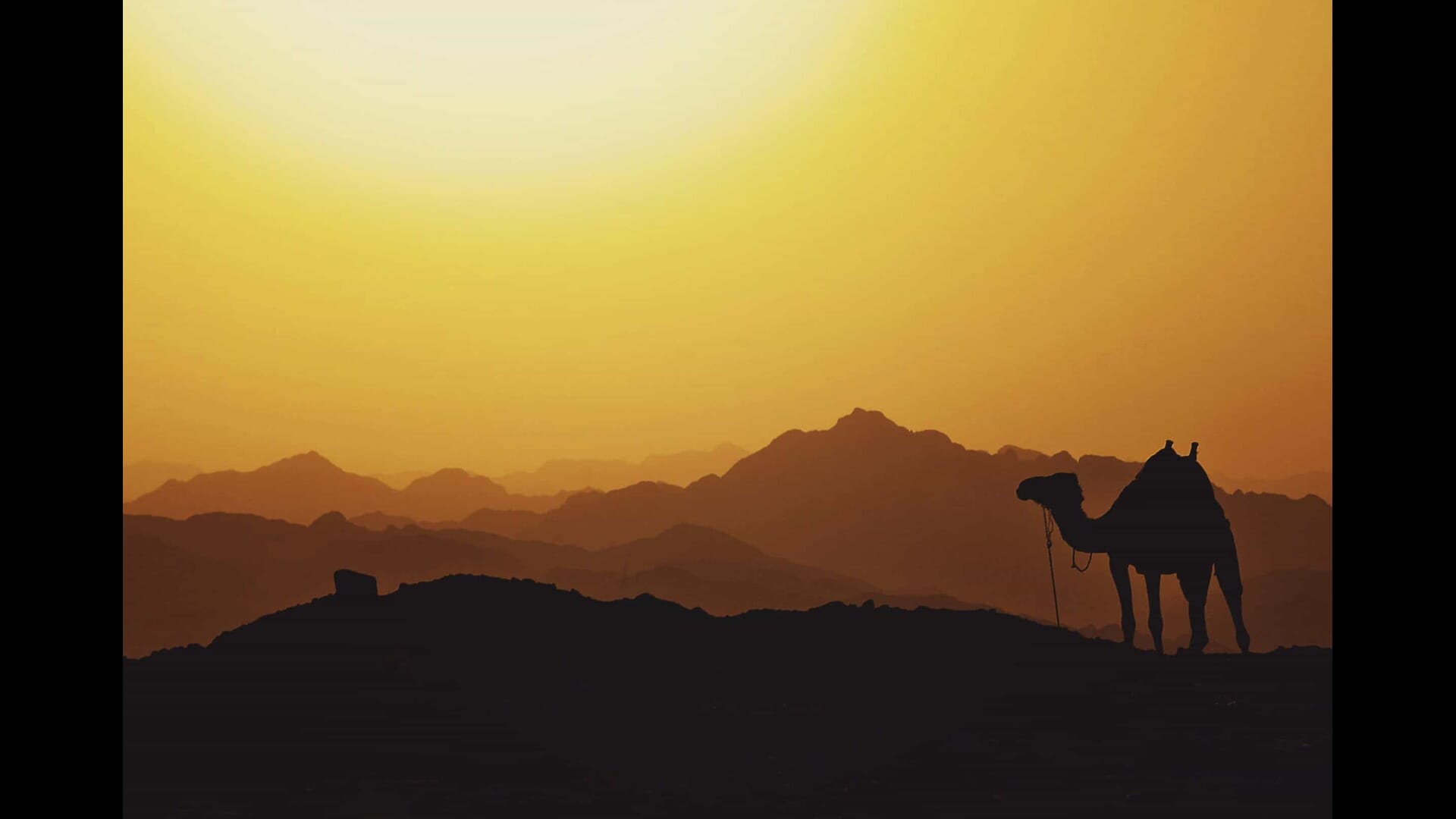
The sun rises over the horizon, casting a golden hue over the vast desert landscape of Egypt. As you stand on the banks of the Nile River, the lifeblood of this ancient civilization, you can almost hear the whispers of history echoing through the sands.
Ancient Egypt, a land steeped in mystery and grandeur, has captivated travelers for centuries. From the majestic pyramids that pierce the sky to the enigmatic pharaohs who ruled with divine authority, this journey through ancient Egypt promises to unveil the secrets of a civilization that flourished for over three millennia.
The Birth of a Civilization: Understanding Ancient Egyptian History
To truly appreciate the wonders of ancient Egypt, one must first delve into its rich history. The civilization emerged around 3100 BC, marked by the unification of Upper and Lower Egypt under the first pharaoh, Narmer. This pivotal moment set the stage for a society that would achieve remarkable advancements in architecture, art, and governance.
The Dynastic Periods: Pharaohs and Their Reigns
The history of ancient Egypt is divided into several dynastic periods, each characterized by the reign of powerful pharaohs. The Old Kingdom (2686-2181 BC) is perhaps the most famous, known for the construction of the iconic pyramids at Giza. The Middle Kingdom (2055-1650 BC) saw a resurgence in art and literature, while the New Kingdom (1550-1070 BC) marked the height of Egypt's power, with pharaohs like Ramses II and Hatshepsut leading military conquests and monumental building projects.
The Pyramids of Giza: Marvels of Engineering
No journey through ancient Egypt would be complete without a visit to the Pyramids of Giza. These monumental structures, built as tombs for pharaohs, are a testament to the ingenuity and skill of ancient Egyptian architects.
The Great Pyramid of Khufu: A Wonder of the World
The Great Pyramid of Khufu, also known as the Pyramid of Giza, is the largest of the three pyramids and one of the Seven Wonders of the Ancient World. Standing at an impressive height of 481 feet, it was originally covered in smooth white limestone, which reflected the sun's rays, making it shine like a jewel. The construction of this pyramid involved the labor of thousands of skilled workers and took over two decades to complete.
The Sphinx: Guardian of the Pyramids
Adjacent to the pyramids lies the Great Sphinx, a colossal statue with the body of a lion and the head of a pharaoh, believed to represent Khafre. This enigmatic figure has stood guard over the Giza Plateau for centuries, shrouded in mystery and legend. The Sphinx's purpose remains a topic of debate among historians, but its sheer size and intricate craftsmanship continue to awe visitors.
The Nile River: The Lifeblood of Ancient Egypt
The Nile River, the longest river in the world, was the backbone of ancient Egyptian civilization. Its annual flooding provided fertile soil for agriculture, allowing the population to thrive.
The Importance of Agriculture in Ancient Egypt
Agriculture was the cornerstone of the ancient Egyptian economy. The fertile banks of the Nile supported the cultivation of crops such as wheat, barley, and flax. The Egyptians developed sophisticated irrigation techniques to maximize their yields, which in turn supported a growing population and the development of cities.
The Nile as a Trade Route
Beyond agriculture, the Nile served as a vital trade route, connecting Upper and Lower Egypt. Boats laden with goods traveled its waters, facilitating commerce and cultural exchange. The river was also a source of inspiration for countless myths and legends, further entwining it with the fabric of Egyptian life.
Temples of Ancient Egypt: Centers of Worship and Power
Temples played a crucial role in ancient Egyptian society, serving as places of worship, centers of administration, and symbols of pharaonic power.
Karnak Temple: A Testament to Divine Worship
The Karnak Temple complex, located in Luxor, is one of the largest religious sites in the world. Dedicated to the god Amun, this sprawling complex features towering columns, intricate hieroglyphs, and massive statues. The sheer scale of Karnak is awe-inspiring, with its Great Hypostyle Hall containing 134 columns, each reaching heights of over 30 feet.
The Temple of Luxor: A Celebration of Pharaohs
The Temple of Luxor, built during the reign of Amenhotep III, is another architectural marvel. This temple was dedicated to the rejuvenation of kingship and the celebration of the pharaohs. Its grand entrance, flanked by two massive obelisks, leads to a series of beautifully decorated halls and sanctuaries, each telling the story of Egypt's divine rulers.
The Art and Culture of Ancient Egypt
Ancient Egyptian culture is renowned for its artistic achievements, which reflect the society's values, beliefs, and daily life.
Hieroglyphics: The Language of the Gods
Hieroglyphics, the writing system of ancient Egypt, is a fascinating blend of logographic and alphabetic elements. Used primarily for religious texts and monumental inscriptions, hieroglyphics served as a means of communication with the divine. The Rosetta Stone, discovered in 1799, was key to deciphering this ancient script, unlocking the secrets of Egyptian history.
Art and Symbolism in Ancient Egypt
Egyptian art is characterized by its adherence to strict conventions and symbolism. Artists aimed to depict the eternal nature of life and the afterlife, often portraying figures in a stylized manner. The use of color, proportion, and perspective was carefully controlled, ensuring that the art served its intended purpose—honoring the gods and immortalizing the pharaohs.
The Afterlife Beliefs: A Journey Beyond Death
The ancient Egyptians held a profound belief in the afterlife, which influenced their burial practices and monumental architecture.
Mummification: Preserving the Body for Eternity
Mummification was a crucial aspect of ancient Egyptian funerary practices. The process involved removing internal organs, drying the body with natron, and wrapping it in linen. This meticulous procedure was believed to preserve the body for the afterlife, allowing the deceased to live on in the realm of the gods.
The Book of the Dead: A Guide to the Afterlife
The Book of the Dead is a collection of spells, prayers, and incantations designed to guide the deceased through the afterlife. This sacred text provided instructions for navigating the challenges of the underworld, ensuring a safe passage to the Field of Reeds, a paradise where the soul could enjoy eternal happiness.
Modern Egypt: Bridging the Past and Present
Today, Egypt stands as a vibrant country that honors its ancient heritage while embracing modernity. The juxtaposition of ancient monuments and contemporary life creates a unique tapestry that attracts millions of visitors each year.
The Role of Tourism in Preserving Ancient Sites
Tourism plays a vital role in the preservation of ancient Egyptian sites. The revenue generated from tourism helps fund conservation efforts and maintain the integrity of these historical treasures. However, it also poses challenges, as the influx of visitors can lead to wear and tear on fragile structures.
Experiencing Modern Egyptian Culture
While ancient history draws travelers to Egypt, the country's contemporary culture is equally captivating. From bustling markets to traditional music and cuisine, modern Egypt offers a rich tapestry of experiences. Visitors can explore the vibrant streets of Cairo, savor delicious dishes like koshari and falafel, and immerse themselves in the warmth of Egyptian hospitality.
Practical Tips for Traveling Through Ancient Egypt
Embarking on a journey through ancient Egypt requires careful planning and preparation. Here are some practical tips to enhance your experience:
Best Time to Visit Egypt
The ideal time to visit Egypt is during the cooler months, from October to April. During this period, temperatures are more manageable, making it easier to explore outdoor sites like the pyramids and temples.
Essential Packing List
When traveling to Egypt, pack lightweight clothing, comfortable walking shoes, sunscreen, and a reusable water bottle. Additionally, consider bringing a guidebook or downloading travel apps to help navigate the rich history and culture.
Navigating Egyptian Cities
Egypt's cities can be bustling and chaotic, but with a little patience, you can navigate them with ease. Taxis and ride-sharing services are widely available, and many attractions are within walking distance of each other.
Conclusion: Embracing the Legacy of Ancient Egypt
As your journey through ancient Egypt comes to an end, you find yourself reflecting on the incredible legacy of this remarkable civilization. The pharaohs, the pyramids, the art, and the culture all intertwine to create a narrative that continues to inspire awe and wonder. Ancient Egypt is not merely a destination; it is a profound experience that connects us to the past and invites us to explore the mysteries of human history. Whether you stand in the shadow of the Great Pyramid or gaze upon the hieroglyphics of a long-lost temple, the spirit of ancient Egypt will forever remain etched in your memory, urging you to return and uncover even more of its secrets.