
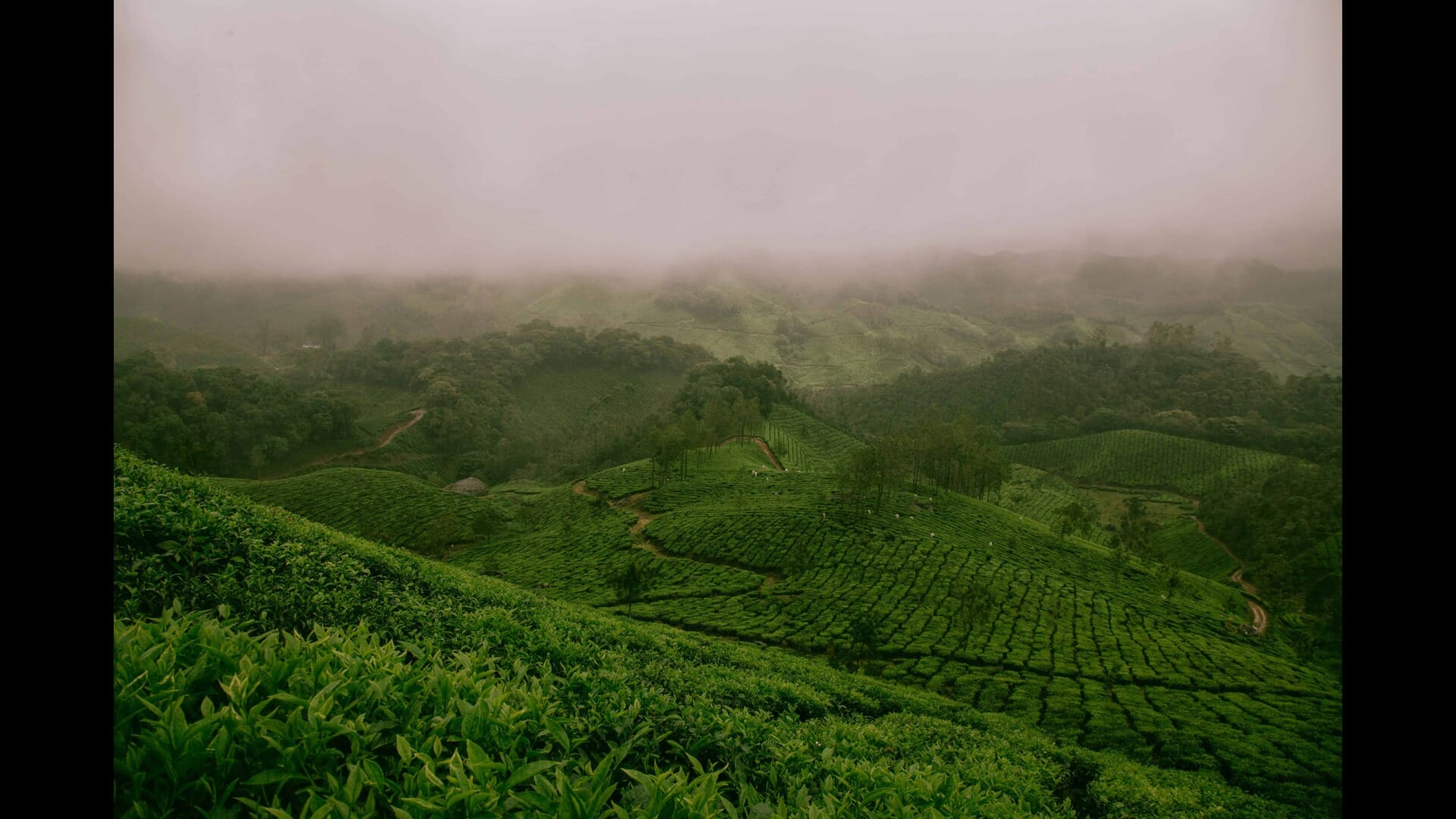
A Journey Through India’s Culinary Heritage: Regional Specialties
A Journey Through India’s Culinary Heritage: Regional Specialties
India, a land of diverse cultures, languages, and traditions, is equally rich in its culinary heritage. Each region boasts its own unique flavors, ingredients, and cooking techniques, making Indian cuisine one of the most varied and vibrant in the world. This article takes you on a journey through India’s culinary landscape, exploring regional specialties that reflect the country’s rich history and cultural diversity.
Understanding the Diversity of Indian Cuisine
Indian cuisine is not just a single entity; it is a tapestry woven from the threads of various regional influences, historical events, and cultural practices. From the spicy curries of the South to the rich gravies of the North, and from the coastal delights of the East to the tandoori specialties of the West, each region offers a unique culinary experience.
The Influence of Geography and Climate on Indian Food
Geography plays a crucial role in shaping the culinary practices of different regions in India. The fertile plains of Punjab are known for their wheat-based dishes, while the coastal areas of Kerala and Goa thrive on seafood. The arid landscapes of Rajasthan give rise to dishes that utilize dried fruits and preserved ingredients, showcasing the resourcefulness of the local people.
Historical Influences on Indian Cuisine
India’s culinary heritage has been influenced by various historical events, including invasions, trade, and colonization. The Mughal Empire introduced rich, aromatic spices and cooking techniques that transformed Indian cuisine. Similarly, the British colonial period brought about the fusion of Indian and Western culinary practices, leading to the creation of dishes like the beloved ‘Chicken Tikka Masala.’
Regional Specialties: A Culinary Tour of India
Let’s embark on a culinary tour of India, exploring the distinct regional specialties that make Indian cuisine a treasure trove of flavors.
1. North India: A Symphony of Spices and Rich Gravies
North India is renowned for its hearty dishes and rich flavors. The use of spices like cumin, coriander, and garam masala is prevalent, along with dairy products such as yogurt and ghee.
Popular Dishes from North India
- Butter Chicken: Originating from Delhi, this dish features tender chicken cooked in a creamy tomato sauce, enriched with butter and spices.
- Rogan Josh: A signature dish from Kashmir, Rogan Josh is a fragrant lamb curry that showcases the region's love for spices.
- Chole Bhature: A popular Punjabi dish, Chole Bhature consists of spicy chickpeas served with deep-fried bread, making it a favorite breakfast option.
2. South India: The Land of Rice and Coconut
In South India, rice is the staple food, and coconut is a key ingredient in many dishes. The cuisine is characterized by its use of fresh herbs, spices, and tangy flavors.
Must-Try Dishes from South India
- Dosa: A thin, crispy crepe made from fermented rice and lentil batter, often served with sambar and coconut chutney.
- Hyderabadi Biryani: A fragrant rice dish layered with marinated meat and aromatic spices, this biryani is a culinary masterpiece from Hyderabad.
- Fish Curry: Coastal states like Kerala and Tamil Nadu offer delicious fish curries made with coconut milk and a variety of spices.
3. East India: A Fusion of Flavors and Ingredients
East India is known for its diverse cuisine, which includes both vegetarian and non-vegetarian dishes. The use of mustard oil and panch phoron (a five-spice blend) is common in this region.
Signature Dishes from East India
- Machher Jhol: A traditional Bengali fish curry made with fresh fish, potatoes, and spices, served with steamed rice.
- Pakhala Bhata: A fermented rice dish popular in Odisha, often served with fried fish and a variety of sides.
- Momos: These Tibetan-inspired dumplings have become a popular snack in the northeastern states, filled with vegetables or meat.
4. West India: A Melting Pot of Flavors
West India is a vibrant region known for its diverse culinary traditions, from the spicy dishes of Maharashtra to the sweet treats of Gujarat.
Notable Dishes from West India
- Pav Bhaji: A spicy vegetable mash served with buttered bread rolls, this street food is a must-try in Mumbai.
- Dhokla: A steamed savory cake made from fermented chickpea batter, Dhokla is a popular snack in Gujarat.
- Goan Fish Curry: A coconut-based curry that highlights the coastal flavors of Goa, often accompanied by rice.
5. The Influence of Street Food on Indian Cuisine
Street food is an integral part of India’s culinary culture, offering a glimpse into the local flavors and ingredients. Each region has its own specialties that reflect the tastes and preferences of the people.
Iconic Street Foods Across India
- Pani Puri: A popular snack consisting of hollow puris filled with spicy tamarind water, potatoes, and chickpeas.
- Vada Pav: A Mumbai favorite, this spicy potato fritter is served in a bun with chutney and fried green chilies.
- Bhel Puri: A savory snack made from puffed rice, vegetables, and tangy tamarind sauce, often enjoyed as a light meal.
6. The Role of Festivals in Indian Culinary Traditions
Festivals in India are synonymous with food. Each celebration brings forth a plethora of traditional dishes that hold cultural significance.
Festive Foods to Savor
- Diwali Sweets: During the festival of lights, sweets like Gulab Jamun and Barfi are prepared and shared among family and friends.
- Holi Specialties: The festival of colors is celebrated with dishes like Gujiya and Thandai, symbolizing joy and togetherness.
- Eid Delicacies: The festival of Eid is marked by the preparation of Biryani, Kebabs, and sweet dishes like Sheer Khurma.
7. Vegetarian Delights: The Heart of Indian Cuisine
India is home to a rich tradition of vegetarian cooking, with a plethora of dishes that cater to the diverse palates of its people.
Popular Vegetarian Dishes
- Paneer Tikka: Marinated paneer cubes grilled to perfection, often served with mint chutney.
- Baingan Bharta: A smoky eggplant dish cooked with spices, tomatoes, and onions, served with roti or rice.
- Dal Makhani: A creamy lentil dish slow-cooked with butter and spices, a staple in North Indian households.
8. The Sweet Side of Indian Cuisine
No culinary journey through India would be complete without indulging in its sweet treats. Indian desserts are often rich, flavorful, and made with a variety of ingredients.
Must-Try Indian Desserts
- Rasgulla: Soft, spongy cheese balls soaked in sugar syrup, this Bengali sweet is a favorite among many.
- Jalebi: A deep-fried sweet made from fermented batter, soaked in sugar syrup, and often enjoyed hot.
- Kheer: A rice pudding made with milk, sugar, and flavored with cardamom and nuts, Kheer is a popular festive dessert.
9. The Global Influence of Indian Cuisine
In recent years, Indian cuisine has gained popularity worldwide, with many restaurants and chefs showcasing its diverse flavors and techniques.
Indian Cuisine in the Global Arena
- Fusion Dishes: Chefs are experimenting with Indian flavors, creating fusion dishes like Tandoori Pizza and Curry Burgers.
- Indian Restaurants Abroad: Cities around the world are home to Indian restaurants that offer authentic dishes, introducing global audiences to the richness of Indian cuisine.
- Culinary Festivals: Events celebrating Indian food are held globally, promoting the culture and heritage associated with Indian cooking.
10. Preserving India’s Culinary Heritage for Future Generations
As globalization continues to influence food culture, it is essential to preserve India’s culinary heritage. Efforts are being made to document traditional recipes and cooking techniques to ensure they are passed down through generations.
Initiatives for Culinary Preservation
- Cookbooks and Documentaries: Many chefs and food enthusiasts are creating cookbooks and documentaries that highlight traditional Indian cooking.
- Culinary Workshops: Workshops and classes are being organized to teach the art of Indian cooking, ensuring that the knowledge is shared with younger generations.
- Food Festivals: Celebrating regional cuisines through food festivals helps promote awareness and appreciation of India’s culinary diversity.
Conclusion: A Culinary Odyssey Awaits
India’s culinary heritage is a reflection of its rich history, diverse cultures, and regional specialties. Each dish tells a story, inviting you to explore the flavors and traditions that have shaped the country’s food landscape. Whether you are a seasoned traveler or a curious foodie, embarking on a culinary journey through India promises an unforgettable experience filled with vibrant flavors and delightful discoveries. So pack your bags, bring your appetite, and get ready to savor the incredible culinary heritage of India!