
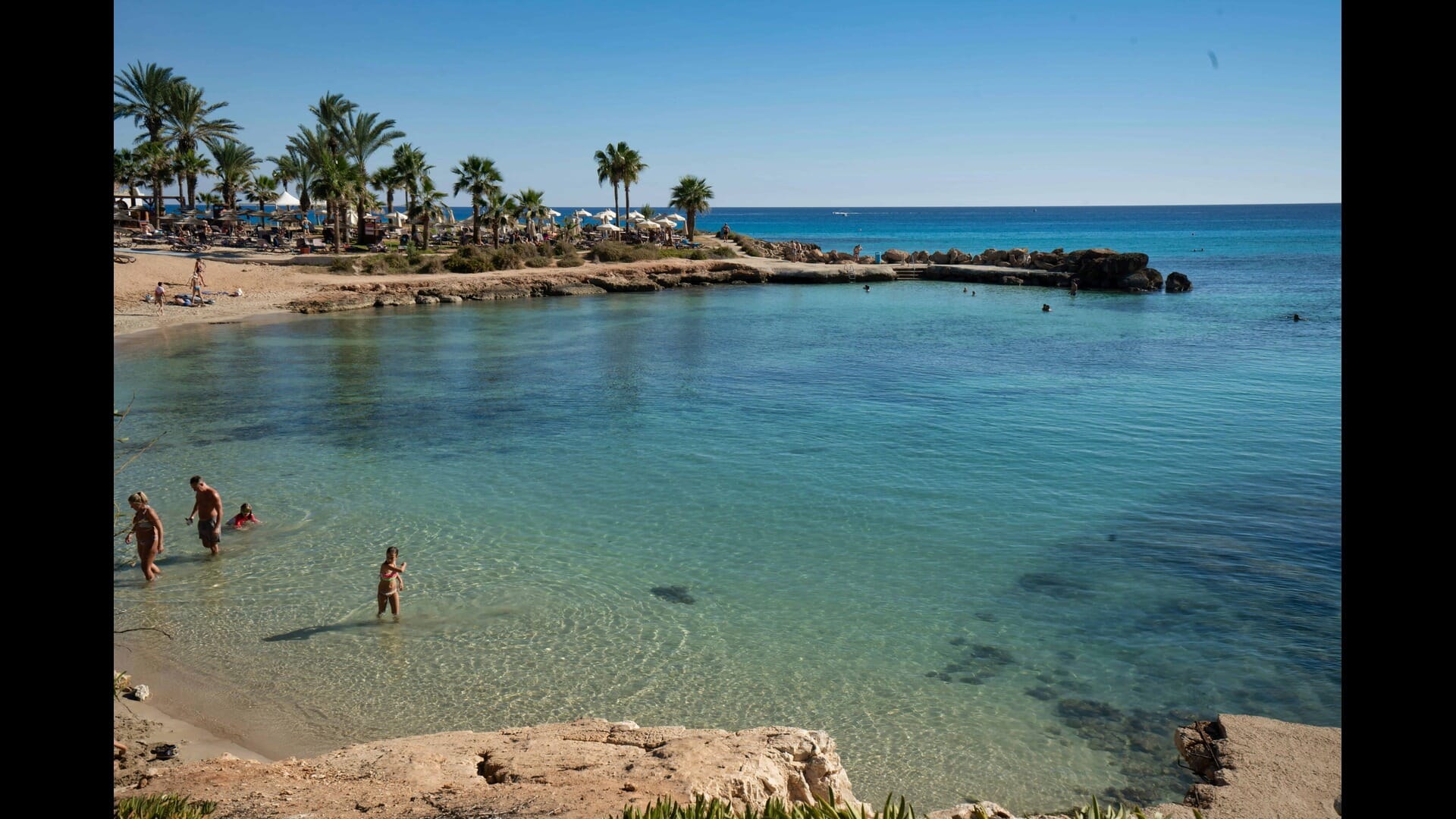
A Journey Through the History of Cyprus: Unveiling the Island's Rich Heritage
A Journey Through the History of Cyprus: Unveiling the Island's Rich Heritage
Cyprus, the third largest island in the Mediterranean, is a treasure trove of history, culture, and stunning landscapes. This article takes you on a captivating journey through the history of Cyprus, exploring its ancient ruins, cultural landmarks, and the diverse influences that have shaped its identity over millennia.
From the Neolithic period to the present day, Cyprus has been a crossroads of civilizations, making it a unique destination for history enthusiasts and travelers alike.
The Neolithic Beginnings of Cyprus: A Glimpse into Prehistoric Life
The history of Cyprus dates back to the Neolithic period, around 10,000 BC, when the island was first inhabited. Archaeological excavations at sites like Choirokoitia reveal a well-organized society that engaged in agriculture, animal husbandry, and pottery. The settlement at Choirokoitia is a UNESCO World Heritage site, showcasing circular stone houses and evidence of early communal living.
Visitors can walk through the remnants of these ancient structures, imagining the lives of the people who lived there. The artifacts discovered, including tools, pottery, and figurines, provide insight into the daily lives, beliefs, and practices of these early inhabitants. The Neolithic period set the foundation for the rich tapestry of cultures that would follow.
The Bronze Age: Cyprus as a Trade Hub
As we move forward in time, the Bronze Age (circa 2500-1050 BC) marks a significant era in the history of Cyprus. The island became a vital trade hub, connecting various civilizations, including the Egyptians, Minoans, and Mycenaeans. The discovery of copper, which was abundant on the island, led to the establishment of trade routes and the development of metallurgy.
The ancient city of Enkomi, a major center of trade during this period, showcases impressive ruins, including the remnants of temples and residential areas. The site is known for its rich collection of pottery and artifacts that highlight the island's role in international trade. Visitors can explore the ruins and learn about the significance of copper production in shaping the island's economy and culture.
The Age of City-States: The Rise of Political Power
The Iron Age saw the emergence of city-states in Cyprus, with each city developing its own political and cultural identity. The most notable city-states included Salamis, Paphos, and Kition. These city-states were characterized by their fortified walls, temples, and vibrant marketplaces.
Salamis, located on the east coast, was one of the most powerful city-states and is home to impressive archaeological sites, including a well-preserved theater and gymnasium. The ruins of Salamis offer a glimpse into the grandeur of ancient Cypriot life, where citizens gathered for entertainment, commerce, and religious ceremonies.
Paphos, another significant city-state, is famous for its stunning mosaics that depict mythological scenes. The Paphos Archaeological Park, a UNESCO World Heritage site, showcases these intricate mosaics and the remains of ancient villas, temples, and theaters. A visit to Paphos is a journey through the artistic and cultural achievements of the ancient Cypriots.
The Influence of Ancient Greece: Cultural Exchange and Colonization
The history of Cyprus is deeply intertwined with ancient Greece, particularly during the period of colonization in the 8th century BC. Greek settlers brought their language, culture, and religious practices to the island, leading to a fusion of Cypriot and Hellenic traditions.
The Temple of Aphrodite in Paphos is a testament to this cultural exchange. Dedicated to the goddess of love and beauty, the temple attracted pilgrims from across the Mediterranean. The site is rich in mythology, with stories of Aphrodite's birth from the sea foam and her connection to Cyprus, which is often referred to as her homeland.
Visitors to the temple can explore the ruins and learn about the significance of Aphrodite in Cypriot culture. The blend of Greek and local traditions is evident in the art, architecture, and religious practices that flourished during this time.
The Roman Era: Prosperity and Architectural Marvels
The arrival of the Romans in the 1st century BC marked a new chapter in the history of Cyprus. The island became a province of the Roman Empire, leading to a period of prosperity and cultural flourishing. The Romans invested in infrastructure, building roads, aqueducts, and impressive public buildings.
One of the most remarkable sites from this era is the Roman theater in Paphos, which could seat thousands of spectators. The theater is still used for performances today, allowing visitors to experience the acoustics and grandeur of Roman architecture. The House of Dionysus, famous for its stunning mosaics, is another highlight, showcasing intricate designs that depict scenes from mythology.
The Roman influence extended beyond architecture; it also impacted the local economy and trade. The island became a vital agricultural center, exporting goods such as wine, olive oil, and grain to other parts of the empire. The remnants of Roman villas, baths, and temples can be found throughout the island, offering a glimpse into the luxurious lifestyle of the elite.
The Byzantine Period: A Time of Religious Transformation
Following the decline of the Roman Empire, Cyprus came under Byzantine rule in the 4th century AD. This period was marked by significant religious transformation, with Christianity becoming the dominant faith. The island became a center for Christian pilgrimage, attracting visitors from across the Mediterranean.
The Church of Saint Lazarus in Larnaca is a prime example of Byzantine architecture and religious significance. According to tradition, Lazarus, who was raised from the dead by Jesus, was buried here. The church features stunning frescoes and intricate woodwork, making it a must-visit for history and architecture enthusiasts.
During this time, the island also faced external threats, including invasions by Arabs and Crusaders. The Byzantine fortifications, such as the walls of Nicosia and Kyrenia, were constructed to protect against these invasions. Exploring these fortifications provides insight into the military strategies and architectural techniques of the Byzantine era.
The Ottoman Era: Cultural Diversity and Architectural Legacy
The Ottoman Empire took control of Cyprus in 1571, ushering in a new era characterized by cultural diversity and architectural innovation. The Ottomans implemented significant administrative changes and introduced new agricultural practices, which transformed the island's economy.
One of the most iconic structures from this period is the Selimiye Mosque in Nicosia, originally built as a Gothic cathedral. The mosque's stunning architecture reflects the blending of Christian and Islamic influences, showcasing the island's multicultural heritage. Visitors can explore the mosque and learn about the historical context of its transformation.
The Ottoman era also saw the construction of numerous mosques, caravanserais, and public baths, which are still visible today. The vibrant bazaars and markets of cities like Nicosia and Famagusta offer a glimpse into the daily life of Cypriots during this period, where diverse cultures coexisted and thrived.
The British Colonial Period: Modernization and Change
In 1878, Cyprus was placed under British administration, leading to significant changes in governance, infrastructure, and society. The British introduced modern education, legal systems, and transportation networks, which transformed the island's landscape.
The colonial period also sparked a sense of nationalism among the Cypriots, leading to movements for independence. The struggle for self-determination culminated in the establishment of the Republic of Cyprus in 1960. The history of this period is documented in various museums and memorials across the island, providing insight into the challenges faced by the Cypriot people.
The Cyprus Museum in Nicosia is a must-visit for those interested in the island's colonial history. The museum houses a vast collection of artifacts, including ancient pottery, sculptures, and coins, reflecting the rich cultural heritage of Cyprus.
The Modern Era: A Divided Island and Ongoing Reconciliation
The history of Cyprus took a dramatic turn in 1974 when a coup d'état led to the Turkish invasion of the northern part of the island. This event resulted in the division of Cyprus into two separate entities: the Republic of Cyprus in the south and the Turkish Republic of Northern Cyprus in the north. The ongoing political situation has shaped the island's identity and continues to impact its people.
Despite the challenges, efforts for reconciliation and reunification have been ongoing. Initiatives aimed at fostering dialogue and understanding between the two communities are crucial for the future of Cyprus. Visitors to the island can witness the resilience of its people and the beauty of its landscapes, which serve as a reminder of the shared history and culture that transcends political boundaries.
Exploring Cyprus: A Historical and Cultural Odyssey
A journey through the history of Cyprus is not just about visiting ancient ruins and historical sites; it's about immersing oneself in the vibrant culture and traditions that have evolved over centuries. From the lively festivals celebrating local customs to the delicious cuisine that reflects the island's diverse influences, Cyprus offers a rich tapestry of experiences for travelers.
As you explore the island, take the time to engage with the local communities, visit traditional villages, and savor the flavors of Cypriot cuisine. Dishes such as moussaka, halloumi cheese, and souvlaki are just a few examples of the culinary delights that await you.
In conclusion, Cyprus is a land steeped in history, where ancient civilizations, cultural exchanges, and modern challenges coexist. Whether you're wandering through the ruins of ancient city-states, marveling at Byzantine churches, or exploring Ottoman architecture, the history of Cyprus is a captivating narrative waiting to be discovered. Embark on this journey through time and uncover the stories that have shaped this beautiful Mediterranean island.
Practical Tips for Your Journey Through Cyprus
- Best Time to Visit: The ideal time to explore Cyprus is during the spring (April to June) and fall (September to November) when the weather is pleasant, and tourist crowds are fewer.
- Getting Around: Renting a car is the best way to explore the island, as it allows you to visit remote archaeological sites and picturesque villages at your own pace.
- Cultural Etiquette: Respect local customs and traditions, especially when visiting religious sites. Dress modestly and be mindful of local practices.
- Language: While Greek and Turkish are the official languages, English is widely spoken, especially in tourist areas.
- Currency: The Euro is the official currency in the Republic of Cyprus, while the Turkish Lira is used in Northern Cyprus. Be prepared for currency exchange if you plan to visit both sides of the island.
By following these tips and immersing yourself in the rich history of Cyprus, you can create unforgettable memories and gain a deeper understanding of this remarkable island's heritage.