
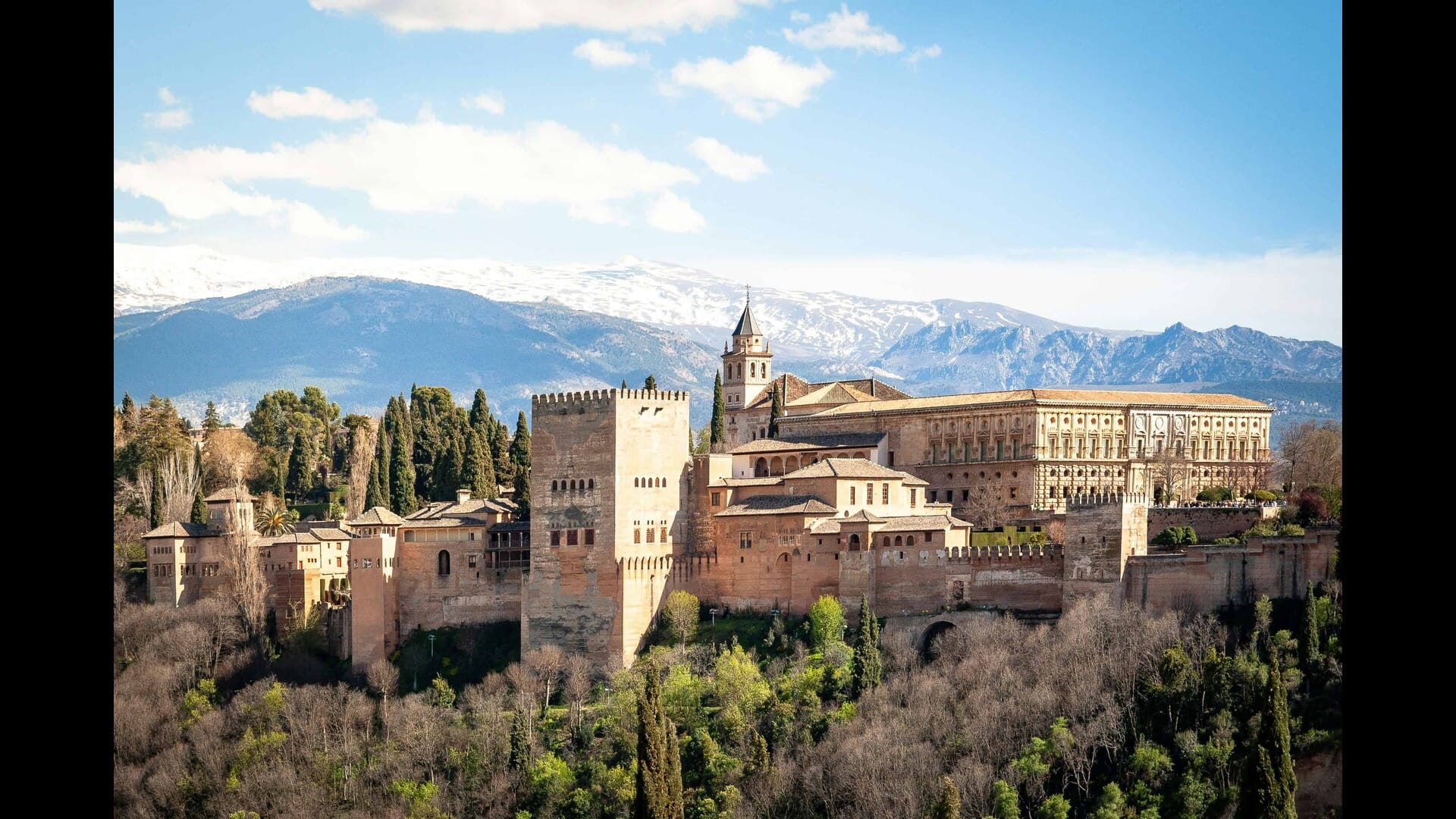
A Journey Through the Historical Sites of Zaragoza
A Journey Through the Historical Sites of Zaragoza
Zaragoza, the capital of the Aragon region in northeastern Spain, is a city steeped in history and culture. With its stunning architecture, rich heritage, and vibrant atmosphere, Zaragoza offers a unique blend of the old and the new. This article will take you on an extensive journey through the historical sites of Zaragoza, exploring its ancient roots, architectural marvels, and cultural treasures.
The Historical Significance of Zaragoza
Zaragoza has a history that dates back over two thousand years, making it one of the oldest cities in Spain. Originally founded as a Roman settlement known as Caesaraugusta, the city has witnessed the rise and fall of various civilizations, including the Visigoths, Moors, and Christians. Each of these cultures has left an indelible mark on the city, contributing to its rich tapestry of history.
The Roman Influence on Zaragoza
The Roman influence is particularly evident in the city’s layout and architecture. The remnants of the Roman walls, the forum, and the amphitheater are just a few examples of the city’s ancient past. Visitors can explore the Caesaraugusta Route, a fascinating journey through the Roman Zaragoza, which includes several important archaeological sites.
The Moorish Legacy in Zaragoza
After the fall of the Roman Empire, Zaragoza became a significant Moorish city. The Islamic period brought about a flourishing of art, science, and architecture. The Aljafería Palace, a stunning example of Moorish architecture, stands as a testament to this era. Built in the 11th century, it served as a fortress and later as a royal palace.
Must-Visit Historical Sites in Zaragoza
As you embark on your journey through Zaragoza, here are some must-visit historical sites that showcase the city’s rich heritage.
1. Basilica de Nuestra Señora del Pilar: A Baroque Masterpiece
The Basilica de Nuestra Señora del Pilar is perhaps the most iconic landmark in Zaragoza. This stunning Baroque basilica, dedicated to the Virgin Mary, is known for its impressive frescoes painted by the famous artist Francisco Goya. The basilica’s grand façade, adorned with intricate sculptures and towering spires, is a sight to behold.
Exploring the Interior
Inside, the basilica is equally breathtaking. The main altar, adorned with gold and silver, houses a revered statue of the Virgin of the Pillar. Visitors can also climb the bell towers for panoramic views of the city and the Ebro River.
2. Aljafería Palace: A Glimpse into Moorish Splendor
The Aljafería Palace is a UNESCO World Heritage Site and one of the most important examples of Islamic architecture in Spain. Originally built as a fortress for the Muslim rulers of Zaragoza, the palace features stunning arches, intricate tile work, and beautiful gardens.
The Palace’s History
The palace has a rich history, having served as a royal residence and later as a military barracks. Today, it houses the Aragonese Parliament, but visitors can explore its stunning halls, including the Hall of Ambassadors, which showcases exquisite Islamic art.
3. La Seo Cathedral: A Blend of Architectural Styles
La Seo Cathedral, officially known as the Cathedral of San Salvador, is another architectural gem in Zaragoza. This magnificent cathedral showcases a blend of Gothic, Mudéjar, Renaissance, and Baroque styles, reflecting the city’s diverse history.
Highlights of La Seo
The cathedral’s intricate façade, adorned with beautiful sculptures, is a highlight for visitors. Inside, the stunning altarpiece and the famous Mudéjar ceiling are must-sees. Don’t forget to climb the tower for breathtaking views of the city.
4. The Roman Forum: Unearthing Zaragoza’s Past
The Roman Forum of Zaragoza is an archaeological site that offers a glimpse into the city’s Roman past. Located near the Plaza de la Seo, the forum was the center of public life in ancient Caesaraugusta.
What to Expect
Visitors can explore the remains of the forum, including the basilica, the curia, and the market. The site is well-preserved and provides valuable insights into the daily life of the Romans in Zaragoza.
5. The Cathedral of La Magdalena: A Hidden Gem
The Cathedral of La Magdalena is a lesser-known but equally stunning church in Zaragoza. This Gothic-style cathedral features a beautiful Mudéjar tower and intricate stained glass windows.
Exploring La Magdalena
Inside, visitors can admire the stunning altarpiece and the peaceful atmosphere. The cathedral is often less crowded than other sites, making it a perfect spot for reflection.
6. The Plaza del Pilar: The Heart of Zaragoza
The Plaza del Pilar is the main square in Zaragoza and is surrounded by some of the city’s most important landmarks, including the Basilica del Pilar and La Seo Cathedral. This vibrant square is a hub of activity and a great place to soak in the local culture.
Activities in the Plaza
Visitors can enjoy street performances, local markets, and outdoor cafés. The square is also home to several sculptures and fountains, adding to its charm.
7. The Goya Museum: Celebrating a Local Legend
The Goya Museum is dedicated to the life and works of Francisco Goya, one of Spain’s most famous painters. Located in the former college of the Jesuits, the museum houses a vast collection of Goya’s paintings, drawings, and engravings.
Discovering Goya’s Art
Visitors can explore the different periods of Goya’s career, from his early works to his later, darker pieces. The museum also offers insights into Goya’s life and the historical context of his art.
8. The Ebro River: A Historical Waterway
The Ebro River has played a crucial role in Zaragoza’s history. This majestic river not only provided water and transportation but also served as a strategic defense line throughout the centuries.
Activities Along the River
Visitors can enjoy leisurely walks along the riverbanks, take boat tours, or relax in the parks that line the Ebro. The views of the city from the river are particularly stunning at sunset.
9. The Puente de Piedra: A Historic Bridge
The Puente de Piedra, or Stone Bridge, is a historic bridge that spans the Ebro River. Built in the 15th century, this bridge is an important symbol of Zaragoza and offers stunning views of the Basilica del Pilar.
Walking Across the Bridge
Walking across the Puente de Piedra is a must-do activity for visitors. The bridge is lined with statues and provides a picturesque setting for photos.
10. The Mercado Central: A Taste of Local Culture
The Mercado Central is the central market of Zaragoza and a great place to experience local culture. Housed in a beautiful modernist building, the market offers a wide range of fresh produce, meats, cheeses, and local delicacies.
Culinary Delights
Visitors can sample traditional Aragonese dishes, such as ternasco (roast lamb) and migas (fried breadcrumbs). The market is a feast for the senses and a perfect spot to pick up souvenirs.
Cultural Events and Festivals in Zaragoza
Zaragoza is not only rich in history but also vibrant in culture. Throughout the year, the city hosts various festivals and events that celebrate its heritage.
Fiestas del Pilar: A Celebration of Culture
The Fiestas del Pilar is Zaragoza’s most famous festival, held in October to honor the Virgin of the Pillar. The festival features parades, concerts, traditional dances, and fireworks, attracting visitors from all over Spain and beyond.
The International Festival of Music and Dance
This festival showcases a diverse range of performances, from classical music to contemporary dance. It takes place in various historical venues across the city, providing a unique backdrop for the performances.
Practical Tips for Visiting Zaragoza
When planning your trip to Zaragoza, here are some practical tips to enhance your experience:
Best Time to Visit
The best time to visit Zaragoza is during the spring (April to June) and fall (September to October) when the weather is mild, and the city is less crowded.
Getting Around Zaragoza
Zaragoza is well-connected by public transport, including buses and trams. The city is also very walkable, making it easy to explore on foot.
Local Cuisine to Try
Don’t miss out on trying local specialties such as ternasco, bacalao al ajoarriero (cod with garlic), and chiretas (blood sausage). Pair your meals with local wines from the Somontano region.
Accommodation Options
Zaragoza offers a range of accommodation options, from luxury hotels to budget hostels. Staying in the city center will give you easy access to the main attractions.
Conclusion: Embracing the Rich History of Zaragoza
A journey through the historical sites of Zaragoza is not just a trip; it’s an immersion into the heart of Spain’s cultural heritage. From the stunning Basilica del Pilar to the majestic Aljafería Palace, each site tells a story of the city’s past and its evolution through the ages. Whether you’re a history buff, an architecture enthusiast, or simply looking to explore a vibrant city, Zaragoza has something to offer everyone. So pack your bags, and get ready to uncover the historical treasures of this remarkable city!