
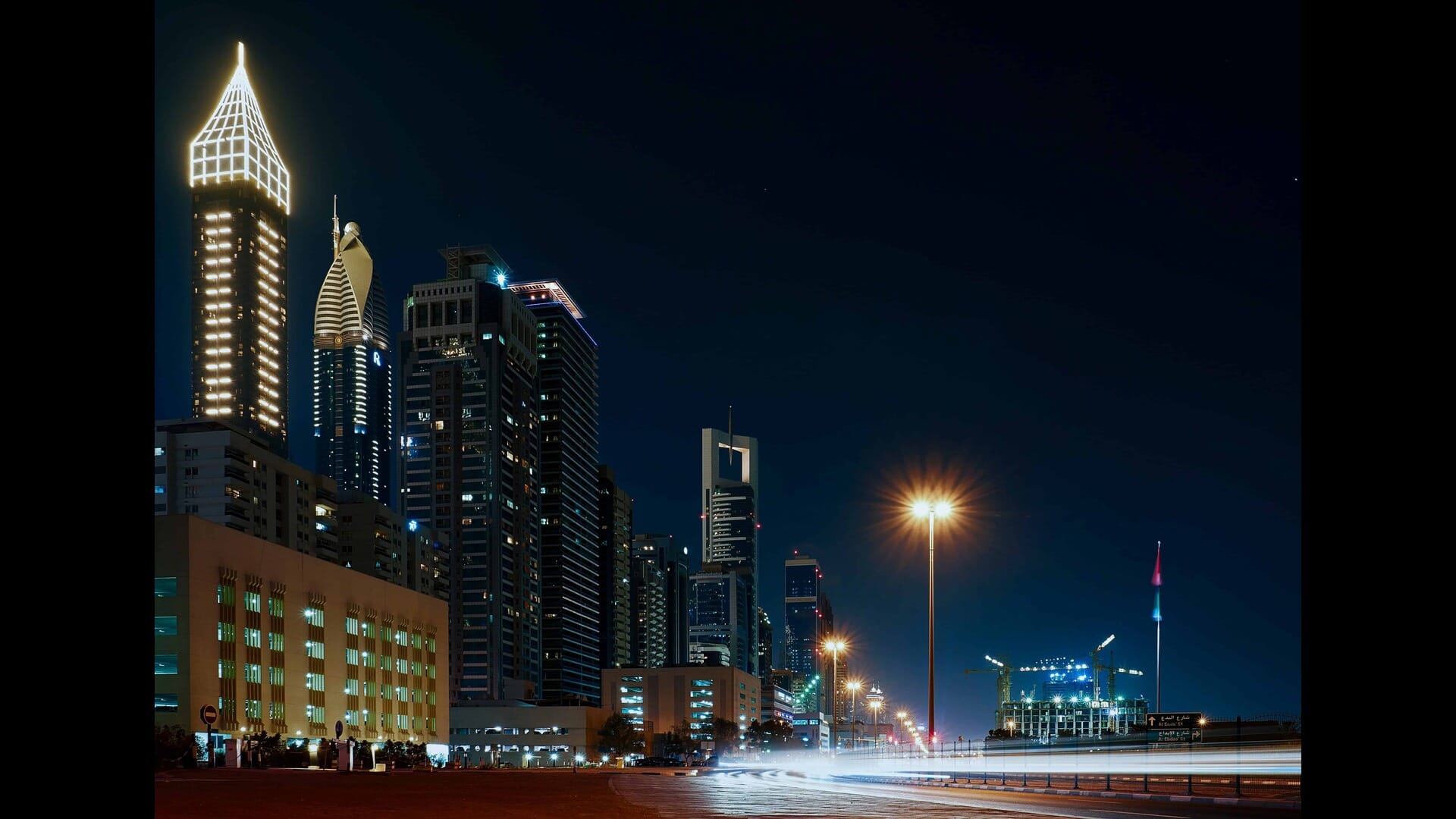
A Journey Through the Historical Sites of Dubai
A Journey Through the Historical Sites of Dubai
Dubai, a city known for its modern skyscrapers and luxurious lifestyle, is also a treasure trove of history and culture. While many visitors flock to the Burj Khalifa or the extravagant malls, the historical sites of Dubai offer a glimpse into the rich heritage that has shaped this vibrant city.
In this article, we will embark on a journey through the historical sites of Dubai, exploring the stories, architecture, and cultural significance behind each landmark.
The Allure of Dubai's Historical Sites
Dubai's rapid transformation from a small fishing village to a global metropolis is nothing short of remarkable. However, amidst the glitz and glamour, the city has preserved its historical sites, allowing visitors to connect with its past. From ancient forts to traditional markets, these sites tell the story of Dubai's evolution and the diverse cultures that have influenced it.
Al Fahidi Historical Neighborhood: A Step Back in Time
Exploring the Al Fahidi District
The Al Fahidi Historical Neighborhood, also known as Al Bastakiya, is one of the oldest traditional Emirati neighborhoods in Dubai. Walking through its narrow lanes lined with wind-tower architecture, visitors can feel the essence of old Dubai. The district dates back to the 19th century and was home to wealthy Persian merchants.
Architectural Marvels of Al Fahidi
The buildings in Al Fahidi are made from coral stone and gypsum, showcasing the traditional architectural style of the region. The wind towers, or 'barjeel,' were ingeniously designed to provide natural ventilation in the hot desert climate. As you stroll through the neighborhood, don’t miss the Dubai Museum, housed in the Al Fahidi Fort, which offers fascinating insights into the city’s history.
Dubai Museum: A Window into the Past
The Significance of Dubai Museum
Located within the Al Fahidi Fort, the Dubai Museum is a must-visit for anyone interested in the city’s history. Opened in 1971, it serves as a cultural hub that showcases the traditional way of life in Dubai before the oil boom. The museum features dioramas, artifacts, and exhibits that depict the city’s transformation over the years.
Highlights of the Museum
One of the highlights of the museum is the lifelike displays that recreate scenes from Dubai’s past, including traditional souks, fishing villages, and desert life. The museum also houses a collection of ancient weapons, musical instruments, and traditional Emirati attire, providing a comprehensive view of the region's heritage.
The Dubai Creek: The Heart of Old Dubai
The Historical Importance of Dubai Creek
Dubai Creek has been the lifeblood of the city for centuries. This natural seawater inlet has played a crucial role in the development of trade and commerce in Dubai. Historically, it served as a port for dhows (traditional wooden boats) that transported goods to and from the region.
Exploring the Creek
Visitors can take a traditional abra (water taxi) ride across the creek, offering stunning views of the city’s skyline juxtaposed against its historical sites. Along the banks of the creek, you’ll find the bustling Dubai Gold Souk and Spice Souk, where traders have been selling their wares for generations.
The Gold Souk: A Glittering Market Experience
The Charm of the Gold Souk
The Dubai Gold Souk is one of the most famous markets in the world, renowned for its dazzling displays of gold jewelry. With over 300 retailers, the souk offers a wide range of gold, diamonds, and precious stones, making it a paradise for jewelry lovers.
Cultural Significance of the Souk
Beyond shopping, the Gold Souk represents the rich trading history of Dubai. The market has been a hub for commerce since the 1940s, attracting traders from across the Middle East and beyond. Bargaining is a common practice here, and visitors can engage with local merchants to learn about the art of negotiation.
The Spice Souk: A Sensory Delight
Discovering the Spice Souk
Adjacent to the Gold Souk, the Spice Souk is a sensory delight, filled with the aromas of exotic spices, herbs, and incense. This market is a testament to Dubai’s historical role as a trading post on the Silk Road, where spices from Asia, Africa, and the Middle East were exchanged.
Unique Offerings at the Spice Souk
Visitors can find a variety of spices, including saffron, cardamom, and sumac, as well as traditional medicinal herbs. The vibrant colors and enticing scents create an immersive experience, inviting travelers to explore the culinary traditions of the region.
Sheikh Saeed Al Maktoum House: A Glimpse into Royal Heritage
The Historical Significance of Sheikh Saeed Al Maktoum House
The Sheikh Saeed Al Maktoum House is a historical building that served as the residence of Dubai’s ruling family in the early 20th century. This beautifully restored house offers a glimpse into the life of the emirate’s royal family and the architectural style of the time.
Architectural Features
The house features traditional wind towers, intricate wooden latticework, and spacious courtyards. Inside, visitors can explore a collection of photographs, documents, and artifacts that tell the story of Dubai’s rulers and their contributions to the city’s development.
The Bastakiya Quarter: A Cultural Hub
The Artistic Vibe of Bastakiya
The Bastakiya Quarter is not only a historical site but also a vibrant cultural hub. This area is home to art galleries, cafes, and cultural centers that celebrate the artistic spirit of Dubai. The narrow lanes are adorned with art installations and murals, creating a unique blend of history and modern creativity.
Cultural Events and Festivals
Throughout the year, Bastakiya hosts various cultural events and festivals, including art exhibitions, music performances, and traditional dance shows. Visitors can immerse themselves in the local culture and interact with artists and performers, making it a lively destination for cultural enthusiasts.
Al Shindagha Museum: The Legacy of Dubai
The Importance of Al Shindagha Museum
Al Shindagha Museum is dedicated to preserving the heritage of Dubai and showcasing its historical significance. Located in the Al Shindagha district, the museum focuses on the maritime history of the emirate and its role in trade and commerce.
Exhibits and Attractions
The museum features interactive exhibits, including a replica of a traditional dhow, showcasing the craftsmanship involved in building these iconic vessels. Visitors can also learn about Dubai’s pearl diving industry, which was once a major source of income for the region.
Jumeirah Mosque: A Symbol of Tolerance
The Architectural Beauty of Jumeirah Mosque
The Jumeirah Mosque is one of the most beautiful mosques in Dubai, known for its stunning architecture and welcoming atmosphere. Built in 1979, it is a prime example of Islamic architecture and is open to non-Muslim visitors, promoting cultural understanding.
Guided Tours and Cultural Insights
The mosque offers guided tours that provide insights into Islamic traditions and practices. Visitors can learn about the significance of the mosque in the local community and its role in promoting interfaith dialogue. The tours are an excellent opportunity to engage with local culture and gain a deeper understanding of the UAE’s values.
The Dubai Heritage Village: A Living Museum
The Concept of Dubai Heritage Village
The Dubai Heritage Village is a reconstruction of a traditional Emirati village, showcasing the lifestyle and customs of the region before modernization. This living museum allows visitors to experience the traditional way of life through interactive exhibits and demonstrations.
Activities and Experiences
At the Heritage Village, visitors can participate in traditional crafts, such as pottery and weaving, and enjoy cultural performances, including folk dances and music. The village also features a souk where local artisans sell handmade crafts, providing a unique shopping experience.
Conclusion: Embracing the Historical Richness of Dubai
Dubai’s historical sites offer a captivating journey through time, revealing the city’s rich cultural heritage and traditions. From the charming streets of Al Fahidi to the bustling markets of the Gold Souk and Spice Souk, each site tells a story that contributes to the tapestry of Dubai’s history. As you explore these historical landmarks, you’ll gain a deeper appreciation for the emirate’s past and its journey towards becoming a global city. Whether you’re a history enthusiast or a curious traveler, the historical sites of Dubai promise an enriching experience that will leave you with lasting memories.
As you plan your visit to Dubai, make sure to include these historical sites in your itinerary. They not only provide a contrast to the modernity of the city but also offer valuable insights into the traditions and values that continue to shape Dubai today. Embrace the journey through the historical sites of Dubai, and let the stories of the past inspire your adventures in this remarkable city.