
A Journey Through the Dominican Republic’s Coffee Plantations
A Journey Through the Dominican Republic’s Coffee Plantations
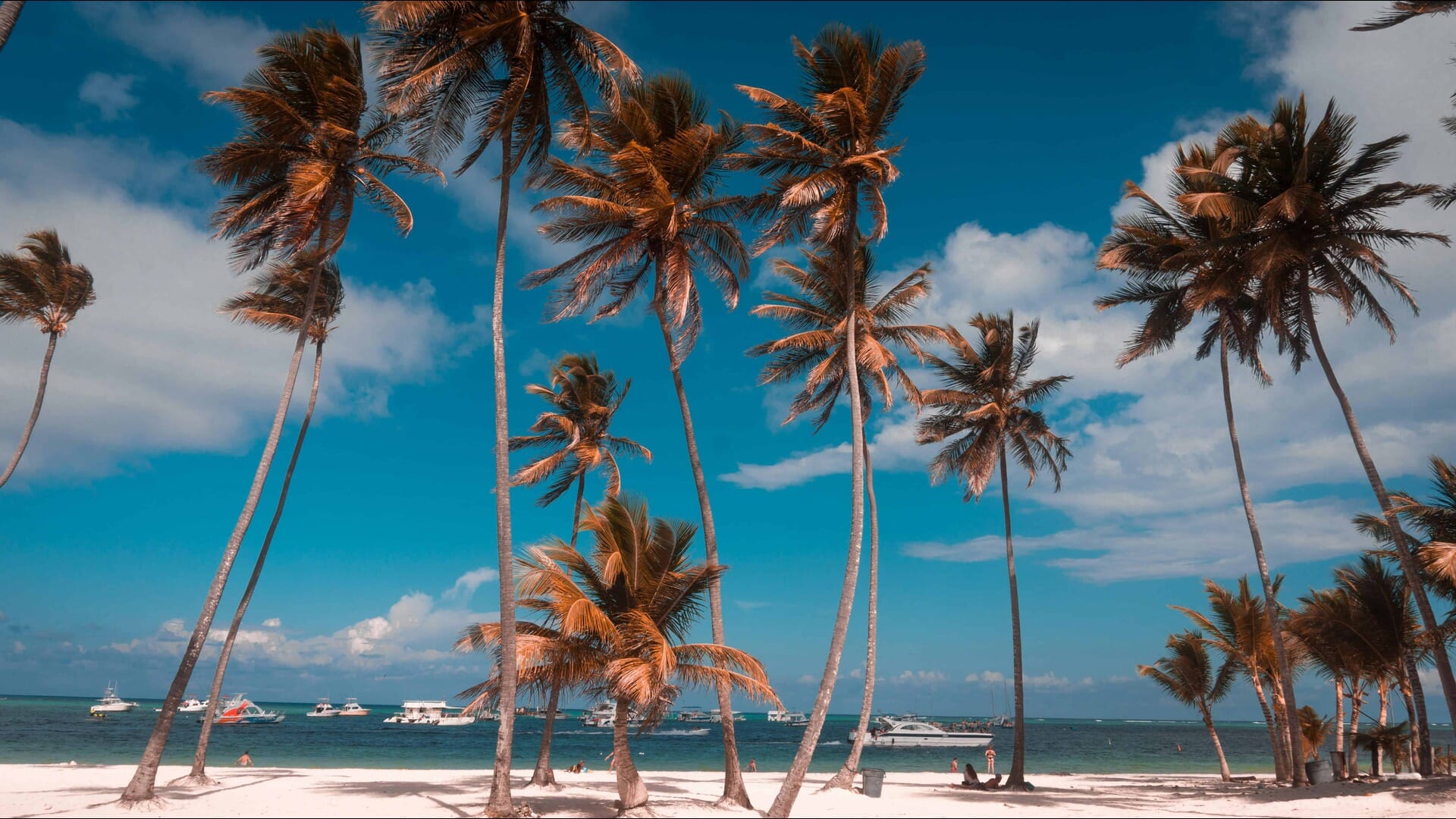
The Dominican Republic, a jewel in the Caribbean, is not only known for its stunning beaches and vibrant culture but also for its rich coffee heritage. Nestled in the lush mountains of the island, the coffee plantations offer an immersive experience that combines breathtaking scenery, rich history, and the tantalizing aroma of freshly brewed coffee.
In this article, we embark on a journey through the Dominican Republic's coffee plantations, exploring everything from the cultivation process to the cultural significance of coffee in Dominican life.
The Rich History of Coffee in the Dominican Republic
Coffee was first introduced to the Dominican Republic in the 18th century, and since then, it has become an integral part of the country's agricultural landscape. The Dominican Republic's coffee production began in the mountainous regions, where the climate and soil conditions were ideal for growing high-quality Arabica beans. Over the years, coffee has evolved from a mere crop to a cultural symbol, representing the hard work and dedication of the Dominican people.
The Birth of Coffee Plantations in the Dominican Republic
The first coffee plantations were established by French colonists who brought with them their knowledge of coffee cultivation. The fertile volcanic soil and the high altitudes of the Cordillera Central mountains provided the perfect environment for coffee to thrive. As the industry grew, so did the need for labor, leading to the establishment of a unique coffee culture that blended African, European, and indigenous influences.
Coffee as a Cultural Symbol
In Dominican culture, coffee is more than just a beverage; it is a way of life. It is often served to guests as a sign of hospitality and is an essential part of social gatherings. The traditional preparation methods, such as using a “colador” (a cloth filter), reflect the deep-rooted customs that have been passed down through generations. Coffee is also celebrated in local festivals, where the community comes together to honor the harvest and the artisans behind the craft.
Exploring the Coffee Growing Regions of the Dominican Republic
The Dominican Republic boasts several coffee-growing regions, each with its unique characteristics and flavors. From the high-altitude mountains to the lush valleys, these areas produce some of the finest coffee beans in the world. Let’s take a closer look at the most prominent coffee-growing regions.
1. The Central Mountain Range (Cordillera Central)
The Cordillera Central is the heart of coffee production in the Dominican Republic. With elevations reaching over 2,000 meters, this region is known for its ideal climate, which includes cool temperatures and abundant rainfall. The coffee grown here is often characterized by its bright acidity and complex flavor profiles. Popular towns in this region include Jarabacoa and Constanza, where visitors can explore numerous coffee plantations.
2. The Northern Region (Cibao Valley)
The Cibao Valley, located in the northern part of the country, is another significant coffee-producing area. This region is known for its rich volcanic soil, which contributes to the robust flavor of the coffee beans. The towns of La Vega and Santiago are famous for their coffee farms, where visitors can engage in coffee tours and tastings.
3. The Southern Region (Barahona)
Barahona, located in the southern part of the Dominican Republic, is renowned for its unique microclimate that produces coffee with distinct flavor notes. The region's proximity to the Caribbean Sea influences the coffee's taste, resulting in a smooth and aromatic brew. Coffee from Barahona is often sought after for its quality and is a favorite among coffee connoisseurs.
The Coffee Production Process: From Bean to Cup
Understanding the coffee production process is essential to appreciating the final product. The journey from bean to cup involves several intricate steps, each contributing to the coffee's flavor and quality.
1. Cultivation
Coffee cultivation begins with selecting the right variety of coffee plants. In the Dominican Republic, Arabica beans are predominantly grown due to their superior quality. Farmers carefully tend to the plants, ensuring they receive adequate sunlight, water, and nutrients. The altitude and climate play a crucial role in the growth of the coffee cherries, which typically take about 7 to 9 months to ripen.
2. Harvesting
Once the coffee cherries are ripe, it's time for harvesting. In the Dominican Republic, coffee is often hand-picked to ensure that only the best cherries are selected. This labor-intensive process requires skill and experience, as farmers must distinguish between ripe and unripe cherries. The harvest season usually runs from November to March, depending on the region.
3. Processing
After harvesting, the coffee cherries must be processed to extract the beans. There are two primary methods of processing: the wet method and the dry method. The wet method involves removing the pulp from the cherries and fermenting the beans, while the dry method involves drying the cherries in the sun before removing the beans. Each method imparts different flavors to the coffee, and farmers often choose based on their desired outcome.
4. Drying and Milling
Once the beans are processed, they must be dried to reduce moisture content. This step is crucial for preserving the quality of the beans. After drying, the beans are hulled to remove the parchment layer, resulting in green coffee beans that are ready for export.
5. Roasting
Roasting is where the magic happens. The green coffee beans are heated to transform their chemical and physical properties, resulting in the rich flavors and aromas we associate with coffee. Roasting can be done in various ways, and the degree of roast can significantly affect the final taste. In the Dominican Republic, many local roasters take pride in their artisanal methods, often experimenting with different roasting profiles to create unique blends.
6. Brewing
Finally, the roasted beans are ground and brewed to create the perfect cup of coffee. The brewing method can vary from traditional espresso machines to simple pour-over techniques. Each method brings out different flavor notes, allowing coffee lovers to explore a wide range of tastes.
Coffee Tours in the Dominican Republic: A Unique Experience
For those looking to immerse themselves in the world of coffee, the Dominican Republic offers a variety of coffee tours that provide insight into the cultivation and production process. These tours often include visits to local farms, tastings, and opportunities to learn from experienced farmers.
1. Visiting Coffee Plantations
One of the highlights of any coffee tour is visiting the plantations themselves. Many farms welcome visitors, offering guided tours that showcase the entire coffee production process. Guests can walk through the fields, observe the harvesting techniques, and even participate in picking coffee cherries during the harvest season.
2. Coffee Tastings
No coffee tour is complete without a tasting session. Visitors have the chance to sample different varieties of Dominican coffee, learning about the unique flavor profiles of each region. Expert guides often provide insights into the nuances of flavor, aroma, and the best brewing methods to enhance the coffee experience.
3. Learning About Sustainable Practices
Sustainability is a growing concern in the coffee industry, and many Dominican coffee farms are committed to environmentally friendly practices. Tours often include discussions about organic farming, shade-grown coffee, and the importance of preserving the local ecosystem. Visitors can gain a deeper understanding of how their coffee choices impact the environment and the communities that produce it.
The Best Coffee in the Dominican Republic: Where to Find It
With a rich coffee culture, the Dominican Republic is home to numerous cafes and roasters that serve some of the best coffee in the Caribbean. Here are a few must-visit spots for coffee enthusiasts:
1. Café Santo Domingo
Café Santo Domingo is one of the most recognized coffee brands in the Dominican Republic. Known for its smooth and rich flavor, this coffee is a staple in many households. Visitors can find Café Santo Domingo in local supermarkets and cafes throughout the country.
2. La Cafetera
Located in the heart of Santo Domingo, La Cafetera is a charming café that specializes in locally sourced coffee. The baristas are passionate about their craft, offering a variety of brewing methods and unique blends. It’s the perfect spot to relax and enjoy a cup of freshly brewed Dominican coffee.
3. Café El Cibao
Café El Cibao is a popular choice among locals and tourists alike. This café offers a cozy atmosphere and a diverse menu of coffee drinks. Their signature brew, made from beans sourced from the Cibao Valley, is a must-try for anyone visiting the area.
The Impact of Coffee Farming on Local Communities
Coffee farming plays a significant role in the Dominican Republic's economy and local communities. It provides employment opportunities for thousands of families and contributes to the country's agricultural exports. However, the industry also faces challenges, including climate change and fluctuating coffee prices.
1. Economic Contributions
The coffee industry is a vital part of the Dominican Republic's economy, generating income for farmers and contributing to the country's GDP. Many smallholder farmers rely on coffee as their primary source of income, making it essential for their livelihoods.
2. Community Development
Coffee farming has led to the development of rural communities, providing access to education, healthcare, and infrastructure. Many coffee cooperatives work together to improve the quality of life for their members, investing in community projects that benefit everyone.
3. Challenges and Opportunities
Despite its importance, the coffee industry faces several challenges, including climate change, which affects crop yields and quality. Farmers are increasingly adopting sustainable practices to mitigate these impacts and ensure the long-term viability of coffee production. By supporting local coffee initiatives and choosing sustainably sourced coffee, consumers can play a role in promoting positive change in the industry.
Conclusion: Savoring the Flavors of the Dominican Republic
A journey through the Dominican Republic's coffee plantations is a sensory experience that delights the palate and enriches the soul. From the rich history of coffee cultivation to the breathtaking landscapes of the coffee-growing regions, every aspect of this journey offers a glimpse into the heart of Dominican culture. Whether you are a coffee enthusiast or a curious traveler, exploring the coffee plantations of the Dominican Republic is an unforgettable adventure that will leave you with a deeper appreciation for this beloved beverage. So, pack your bags, grab your camera, and get ready to savor the flavors of the Dominican Republic—one cup of coffee at a time.