
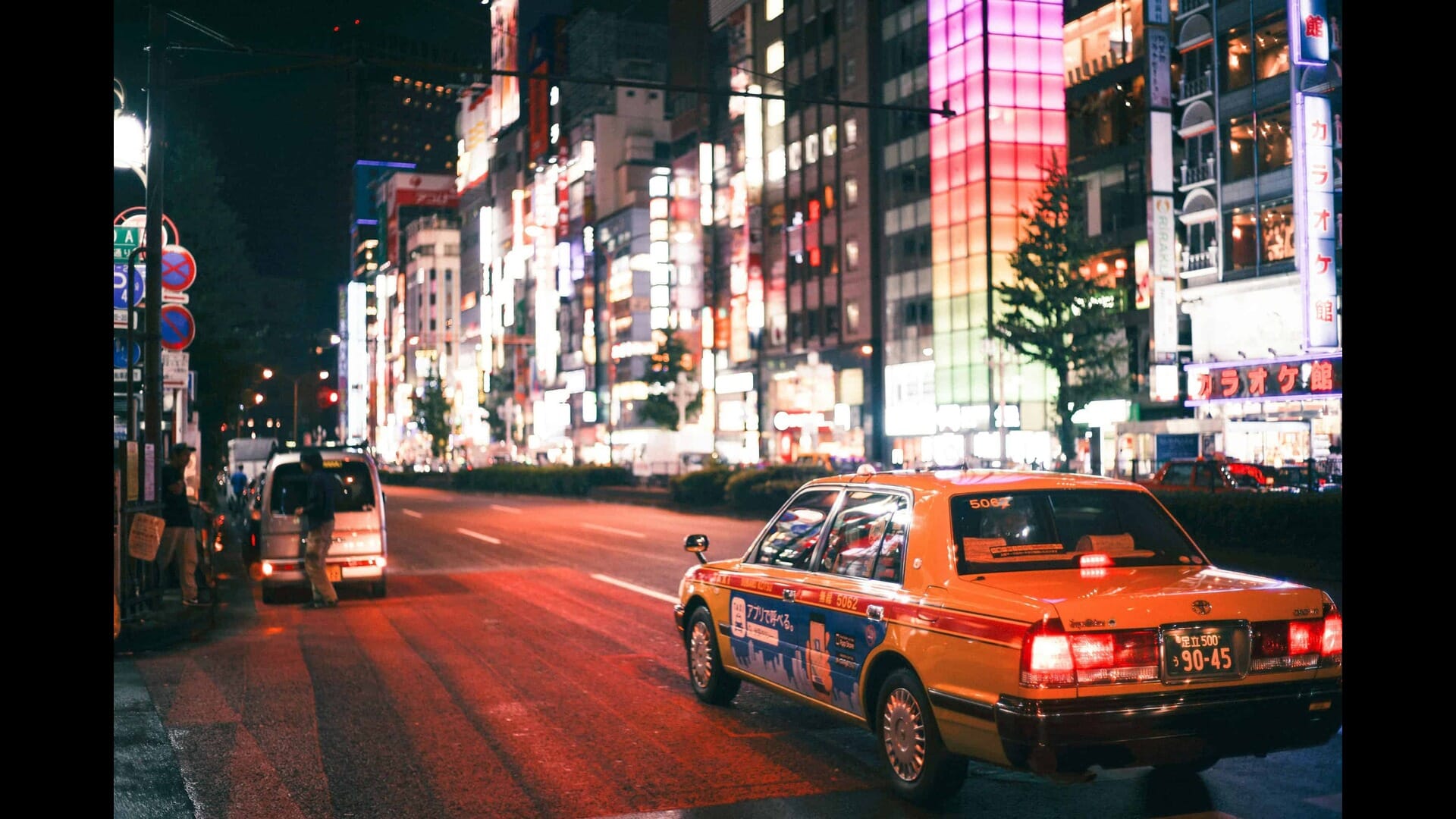
A Guide to Japanese Festivals: Celebrations Throughout the Year
A Guide to Japanese Festivals: Celebrations Throughout the Year
Japan is a land where tradition and modernity coexist harmoniously, and nowhere is this more evident than in its vibrant festivals, known as matsuri. These celebrations, steeped in history and culture, offer a glimpse into the heart of Japanese society. From the colorful parades of summer to the serene rituals of winter, each festival tells a unique story, reflecting the changing seasons and the rich tapestry of Japanese life.
In this comprehensive guide, we will explore the most significant Japanese festivals throughout the year, their origins, and what makes each one special.
Understanding the Significance of Japanese Festivals
Japanese festivals are not merely events; they are a celebration of community, spirituality, and the changing seasons. Rooted in Shinto and Buddhist traditions, many festivals honor deities, seasonal changes, and agricultural cycles. They serve as a means of bringing people together, fostering a sense of belonging, and preserving cultural heritage. Festivals often include traditional music, dance, food, and rituals, creating a vibrant atmosphere that captivates both locals and visitors.
January: Celebrating the New Year with Shogatsu
The Importance of Shogatsu in Japanese Culture
January marks the beginning of the year in Japan, and Shogatsu (正月) is the most important holiday, celebrated with various customs and rituals. Families gather to celebrate the New Year, pay respects to their ancestors, and wish for prosperity in the coming year. The holiday typically lasts from January 1st to January 3rd, though preparations begin well before.
Traditional Foods and Customs During Shogatsu
During Shogatsu, families prepare special dishes known as osechi ryori, which are beautifully arranged in lacquered boxes. Each dish has a symbolic meaning, such as long life, prosperity, and happiness. Another popular custom is the exchange of nengajo (New Year’s cards) and visiting shrines to pray for good fortune. The first shrine visit of the year, known as hatsumode, is a significant event, with millions flocking to shrines across the country.
February: The Joy of Setsubun
What is Setsubun?
Setsubun (節分), celebrated on February 3rd, marks the end of winter and the beginning of spring according to the lunar calendar. This festival is characterized by the custom of throwing roasted soybeans to drive away evil spirits and invite good fortune into homes.
The Ritual of Bean Throwing
During Setsubun, families gather to perform the ritual of mamemaki, where they throw soybeans either out of their homes or at a family member dressed as an ogre, known as oni. The chant “Oni wa soto! Fuku wa uchi!” (Demons out! Luck in!) is shouted as beans are tossed, symbolizing the expulsion of misfortune and the welcoming of good luck.
March: Hanami - The Cherry Blossom Festival
The Beauty of Hanami
As winter fades, Japan bursts into color with the arrival of cherry blossoms, or sakura. The hanami (花見) festival, celebrated in March and April, is a cherished tradition where people gather under blooming cherry trees to appreciate their beauty.
Celebrating Hanami with Picnics
During hanami, families and friends enjoy picnics, often featuring seasonal foods and drinks. Parks and gardens become vibrant gathering spots, filled with laughter, music, and the delicate scent of cherry blossoms. The fleeting beauty of the blossoms serves as a reminder of the transient nature of life, a central theme in Japanese culture.
April: Takayama Spring Festival
Overview of the Takayama Spring Festival
The Takayama Spring Festival, held in mid-April, is one of Japan's most famous festivals, celebrated in the picturesque town of Takayama in the Hida region. This festival features stunning floats, known as yatai, which are beautifully decorated and paraded through the streets.
The Cultural Significance of the Floats
The floats, some dating back to the 17th century, are adorned with intricate carvings and traditional textiles. The festival also includes traditional music and dance performances, showcasing the rich cultural heritage of the region. Visitors can witness the craftsmanship and artistry that goes into creating these magnificent floats, making it a must-see event.
May: The Aoi Matsuri - A Royal Procession
The Historical Roots of Aoi Matsuri
The Aoi Matsuri (葵祭り), held on May 15th in Kyoto, is one of Japan's oldest festivals, dating back to the 7th century. This festival is characterized by a grand procession featuring participants dressed in elegant Heian-period costumes.
The Procession and Its Significance
The procession travels from the Imperial Palace to the Kamo Shrines, accompanied by traditional music and rituals. The name “Aoi” refers to the hollyhock leaves that are used as decorations, symbolizing the connection to the gods. This festival offers a glimpse into Japan’s imperial history and the reverence for nature and spirituality.
June: The Gion Matsuri - A Month-Long Celebration
Introduction to Gion Matsuri
The Gion Matsuri (祇園祭) in Kyoto is one of Japan's most famous festivals, celebrated throughout the month of July, with its origins dating back to the 9th century. This festival is dedicated to the Yasaka Shrine and is known for its spectacular floats and lively atmosphere.
The Grand Parade of Floats
The highlight of the Gion Matsuri is the grand parade, featuring elaborately decorated floats called yamaboko. These floats are pulled through the streets, showcasing intricate designs and traditional craftsmanship. The festival also includes various events, such as traditional music performances and street food stalls, making it a vibrant celebration of culture and community.
July: Tanabata - The Star Festival
The Legend of Tanabata
Tanabata (七夕), celebrated on July 7th, is based on a Chinese legend about two star-crossed lovers, Orihime and Hikoboshi, who are separated by the Milky Way and allowed to meet only once a year. This festival celebrates love and longing, with colorful decorations and wishes written on strips of paper.
Celebrating Tanabata with Decorations
During Tanabata, towns and cities are adorned with colorful streamers and decorations. People write their wishes on tanzaku (small pieces of paper) and hang them on bamboo branches, hoping for their dreams to come true. Festivals often include parades, performances, and fireworks, creating a magical atmosphere.
August: The Obon Festival - Honoring Ancestors
Understanding the Obon Festival
Obon (お盆), celebrated in mid-August, is a Buddhist festival honoring deceased ancestors. This festival is a time for families to come together, remember their loved ones, and participate in various rituals to guide the spirits back to the world of the living.
Traditional Customs and Celebrations
During Obon, families visit graves, clean them, and offer food and flowers. The festival also includes traditional dances known as bon odori, where participants dance in circles to welcome the spirits. Lanterns are lit to guide the spirits home, creating a serene and reflective atmosphere.
September: The Jidai Matsuri - A Festival of Eras
The Historical Significance of Jidai Matsuri
The Jidai Matsuri (時代祭) takes place on October 22nd in Kyoto and is one of the city’s three main festivals. This festival celebrates the history of Kyoto, showcasing various historical periods through a grand procession.
The Grand Procession of Historical Figures
Participants dress in costumes representing different eras, from the Heian period to the Meiji era. The procession travels from the Imperial Palace to the Heian Shrine, accompanied by traditional music and performances. This festival offers a unique opportunity to witness Japan’s rich history and cultural evolution.
October: The Takayama Autumn Festival
Overview of the Takayama Autumn Festival
The Takayama Autumn Festival, held in October, is another significant celebration in the Takayama region. Similar to the spring festival, this event features stunning floats and traditional performances.
The Cultural Importance of the Autumn Festival
The autumn festival is a time for locals to express gratitude for the harvest and celebrate the changing seasons. The floats are adorned with seasonal decorations, and the festival atmosphere is filled with joy and community spirit.
November: The Shichi-Go-San Festival
What is Shichi-Go-San?
Shichi-Go-San (七五三) is a traditional Japanese festival celebrated on November 15th, honoring the growth of children aged three, five, and seven. Families dress their children in beautiful kimonos and visit shrines to pray for their health and happiness.
The Significance of the Festival
This festival is a rite of passage for children, symbolizing their transition into adulthood. The colorful attire and joyful celebrations create a festive atmosphere, making it a cherished tradition for families across Japan.
December: The Joy of Christmas in Japan
Christmas Celebrations in Japan
While Christmas is not a traditional Japanese holiday, it has gained popularity in recent years. Celebrated on December 25th, Christmas in Japan is characterized by unique customs, such as the tradition of eating KFC and enjoying Christmas illuminations.
The Festive Atmosphere
During December, cities are adorned with beautiful lights and decorations, creating a magical atmosphere. Christmas markets and events are held, offering a blend of Western and Japanese traditions, making it a delightful time to experience the festive spirit.
Conclusion: Embracing the Spirit of Japanese Festivals
Japanese festivals are a reflection of the country’s rich culture, history, and community spirit. Each celebration offers a unique insight into the values and traditions that shape Japanese society. Whether you’re witnessing the beauty of cherry blossoms during hanami or participating in the vibrant parades of Gion Matsuri, these festivals create unforgettable experiences that connect people to their heritage and to each other. As you plan your travels to Japan, consider timing your visit to coincide with these remarkable festivals, allowing you to immerse yourself in the joy and beauty of Japanese culture throughout the year.