
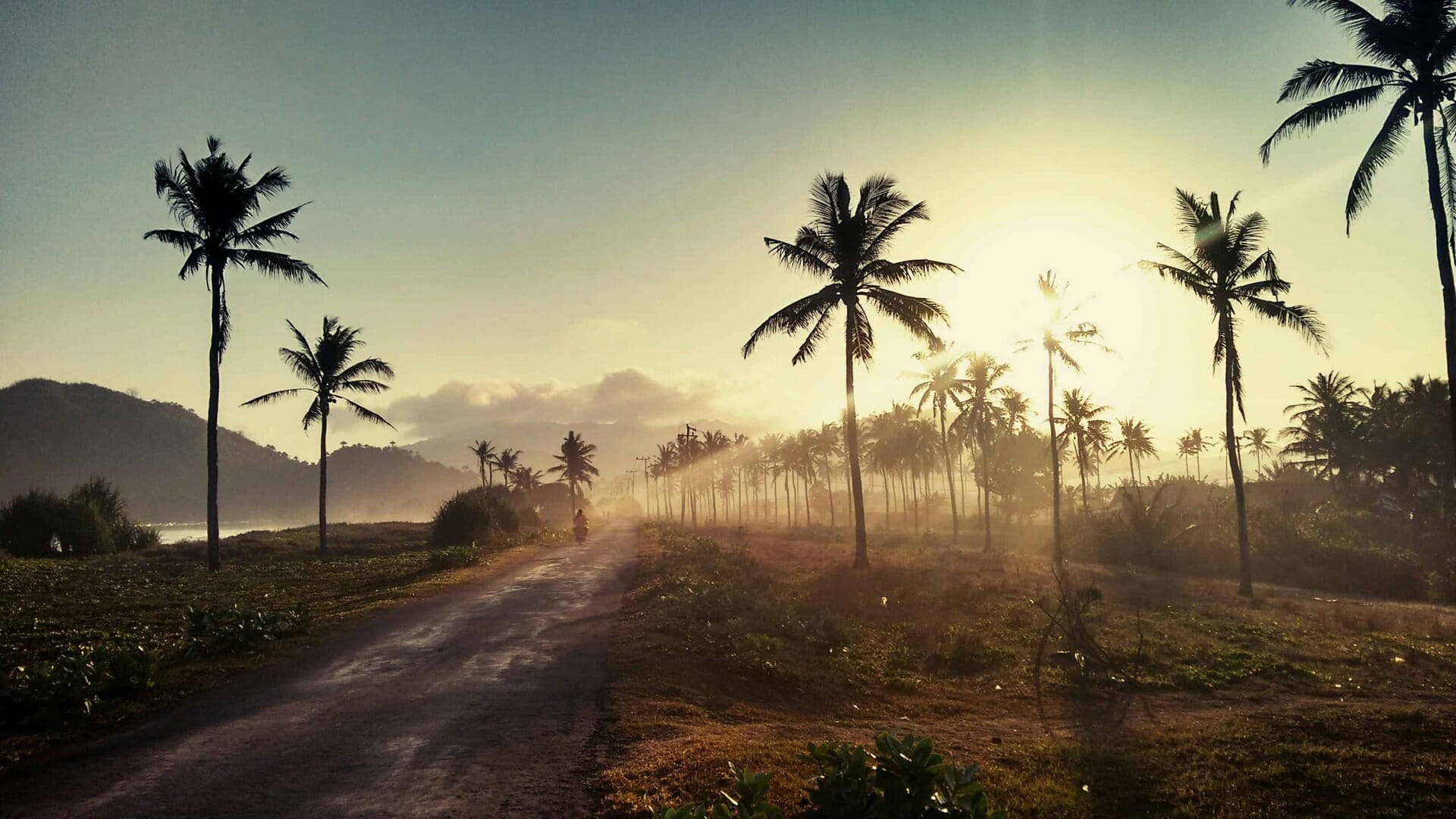
A Guide to Indonesia’s National Parks: Nature’s Best
A Guide to Indonesia’s National Parks: Nature’s Best
Indonesia, an archipelago of over 17,000 islands, is renowned for its stunning landscapes, rich biodiversity, and vibrant cultures. Among its many treasures, the national parks stand out as sanctuaries of nature, offering a glimpse into the country’s unique ecosystems and wildlife. This guide will take you on an immersive journey through Indonesia’s national parks, showcasing their beauty, adventure opportunities, and conservation efforts.
1. Introduction to Indonesia’s National Parks
Indonesia is home to some of the most diverse ecosystems on the planet. From lush rainforests and volcanic mountains to pristine beaches and coral reefs, the national parks of Indonesia are a testament to the country’s natural beauty. With over 50 national parks, each park offers a unique experience, catering to nature lovers, adventure seekers, and cultural enthusiasts alike.
In this guide, we will explore the top national parks in Indonesia, highlighting their key features, activities, and tips for visiting. Whether you’re interested in hiking, wildlife spotting, or simply soaking in the breathtaking views, Indonesia’s national parks have something for everyone.
2. The Importance of Conservation in Indonesia
Indonesia’s national parks play a crucial role in conservation efforts. They protect endangered species, preserve unique ecosystems, and promote sustainable tourism. With deforestation and habitat loss posing significant threats to wildlife, these parks serve as vital refuges for many species, including the critically endangered orangutan and the Javan rhinoceros.
Moreover, national parks contribute to local economies through eco-tourism, providing livelihoods for communities while fostering a sense of stewardship for the environment. Understanding the importance of these parks is essential for appreciating the natural wonders they hold.
3. Top National Parks to Visit in Indonesia
3.1. Komodo National Park: Home of the Dragons
Location: East Nusa Tenggara
Established: 1980
Area: 1,733 km²
Komodo National Park is perhaps the most famous national park in Indonesia, known for its iconic inhabitants—the Komodo dragons. This UNESCO World Heritage Site encompasses the islands of Komodo, Rinca, and Padar, offering stunning landscapes of rugged hills, pristine beaches, and crystal-clear waters.
Key Features:
- Komodo Dragons: The largest lizards on Earth, these prehistoric creatures can grow up to 3 meters long. Visitors can take guided treks to observe them in their natural habitat.
- Diving and Snorkeling: The waters surrounding Komodo are teeming with marine life, making it a prime destination for diving enthusiasts. Dive sites like Batu Bolong and Manta Point offer encounters with manta rays, turtles, and vibrant coral reefs.
- Hiking Adventures: The park features several hiking trails, including the trek to Padar Island’s viewpoint, which rewards hikers with panoramic views of the surrounding islands.
Tips for Visiting:
- Best Time to Visit: The dry season from April to December is ideal for exploring the park.
- Guided Tours: Opt for guided tours to enhance your experience and ensure safety while observing wildlife.
3.2. Bromo Tengger Semeru National Park: The Land of Volcanoes
Location: East Java
Established: 1982
Area: 800 km²
Bromo Tengger Semeru National Park is a volcanic wonderland, home to the iconic Mount Bromo and the majestic Semeru, the highest peak in Java. The park’s surreal landscapes, with its vast sand sea and dramatic craters, attract photographers and adventure seekers alike.
Key Features:
- Mount Bromo Sunrise: Witnessing the sunrise over Mount Bromo is a bucket-list experience. Visitors can take a jeep ride to the viewpoint for breathtaking views as the sun rises over the caldera.
- Tenggerese Culture: The park is inhabited by the Tenggerese people, who celebrate the annual Yadnya Kasada festival, offering sacrifices to the gods at the Bromo crater.
- Hiking Trails: Adventurous souls can hike to the summit of Semeru, a challenging trek that rewards climbers with stunning vistas.
Tips for Visiting:
- Dress Warmly: Temperatures can drop significantly at night, so be prepared for chilly conditions.
- Stay Hydrated: Bring plenty of water, especially if you plan to hike.
3.3. Gunung Leuser National Park: A Primate Paradise
Location: North Sumatra and Aceh
Established: 1980
Area: 1,094 km²
Gunung Leuser National Park is part of the larger Leuser Ecosystem, one of the last remaining rainforests in Southeast Asia. This park is a haven for wildlife, including the critically endangered Sumatran orangutan, tigers, and elephants.
Key Features:
- Orangutan Trekking: Guided treks through the rainforest offer opportunities to see orangutans in the wild, as well as other primates and diverse flora.
- River Rafting: The park’s rivers provide thrilling white-water rafting experiences, perfect for adventure seekers.
- Cultural Encounters: Engage with local communities and learn about their traditional ways of life, including sustainable practices that protect the rainforest.
Tips for Visiting:
- Hire a Local Guide: To enhance your wildlife spotting experience, hire a knowledgeable local guide.
- Respect Wildlife: Maintain a safe distance from animals and follow park regulations to minimize your impact on their habitat.
3.4. Bali Barat National Park: The Jewel of Bali
Location: Bali
Established: 1970
Area: 190 km²
Bali Barat National Park is a stunning blend of coastal and terrestrial ecosystems, featuring mangroves, coral reefs, and lush forests. It is a sanctuary for diverse wildlife, including the endangered Bali starling.
Key Features:
- Birdwatching: The park is a paradise for birdwatchers, with over 160 species of birds, including the rare Bali starling.
- Snorkeling and Diving: The waters off the coast are rich in marine biodiversity, making it an excellent spot for snorkeling and diving.
- Cultural Heritage: Explore traditional Balinese villages within the park and learn about local customs and practices.
Tips for Visiting:
- Plan Your Visit: The best time to visit is during the dry season from April to October.
- Respect Local Culture: Be mindful of local customs when visiting villages.
3.5. Ujung Kulon National Park: The Last Refuge of the Javan Rhinoceros
Location: Banten
Established: 1992
Area: 1,206 km²
Ujung Kulon National Park is a UNESCO World Heritage Site and the last remaining habitat of the critically endangered Javan rhinoceros. The park features lush rainforests, mangroves, and stunning coastal landscapes.
Key Features:
- Wildlife Spotting: Besides the Javan rhinoceros, the park is home to various wildlife, including wild boars, deer, and diverse bird species.
- Island Hopping: Explore the nearby islands, such as Panaitan Island, known for its beautiful beaches and excellent diving spots.
- Cultural Significance: The park is steeped in history, with remnants of ancient temples and cultural sites.
Tips for Visiting:
- Book in Advance: Due to its remote location, it’s advisable to book accommodations and tours in advance.
- Travel with a Guide: A local guide can enhance your experience and help navigate the park’s trails.
4. Adventure Activities in Indonesia’s National Parks
4.1. Hiking and Trekking
Hiking is one of the most popular activities in Indonesia’s national parks. With trails ranging from easy walks to challenging treks, there’s something for everyone.
- Mount Rinjani: Known for its stunning crater lake, hiking Mount Rinjani is a must for adventure enthusiasts. The trek typically takes 2-3 days, offering breathtaking views along the way.
- Mount Semeru: As the highest peak in Java, the trek to Semeru’s summit is challenging but rewarding, with panoramic views of the surrounding landscape.
4.2. Wildlife Watching
Wildlife watching is a highlight in many national parks. From orangutans in Gunung Leuser to Komodo dragons in Komodo National Park, the opportunities to see unique wildlife are abundant.
- Birdwatching: Parks like Bali Barat and Ujung Kulon are excellent for birdwatching, with numerous endemic species to spot.
- Marine Life: Snorkeling and diving in parks like Komodo and Bunaken allow visitors to encounter vibrant marine life, including colorful fish and coral reefs.
4.3. Eco-Tourism and Cultural Experiences
Many national parks offer eco-tourism initiatives that benefit local communities while promoting conservation. Visitors can engage in cultural experiences, such as traditional cooking classes, village tours, and participation in local festivals.
- Community-Based Tourism: Programs in parks like Gunung Leuser allow visitors to stay with local families, providing insight into their way of life and sustainable practices.
- Cultural Festivals: Participate in local festivals, such as the Yadnya Kasada in Bromo, to experience the rich cultural heritage of Indonesia.
5. Practical Tips for Visiting Indonesia’s National Parks
5.1. Best Time to Visit
The best time to visit Indonesia’s national parks varies by region, but generally, the dry season from April to October is ideal for outdoor activities. Be sure to check specific park conditions before planning your trip.
5.2. Packing Essentials
When visiting national parks, packing the right gear is essential. Here’s a list of essentials:
- Hiking Boots: Comfortable and sturdy footwear is crucial for trekking.
- Lightweight Clothing: Breathable and moisture-wicking fabrics are ideal for warm weather.
- Rain Gear: A lightweight rain jacket is essential, especially in tropical areas.
- Insect Repellent: Protect yourself from mosquitoes and other insects.
- Water Bottle: Stay hydrated, especially during hikes.
5.3. Respecting Nature and Wildlife
As a visitor, it’s important to practice responsible tourism. Follow park regulations, stay on designated trails, and avoid disturbing wildlife. Leave no trace and minimize your impact on the environment.
6. Conclusion: Embrace the Natural Wonders of Indonesia
Indonesia’s national parks are a treasure trove of natural beauty, biodiversity, and cultural heritage. From the majestic Komodo dragons to the lush rainforests of Sumatra, each park offers a unique experience that showcases the country’s rich ecological tapestry. By exploring these parks, you not only embark on an adventure but also contribute to the conservation of Indonesia’s natural heritage.
Whether you’re an avid hiker, a wildlife enthusiast, or someone seeking tranquility in nature, Indonesia’s national parks invite you to discover their wonders. Plan your visit, immerse yourself in the beauty of the landscapes, and create unforgettable memories in nature’s best.