
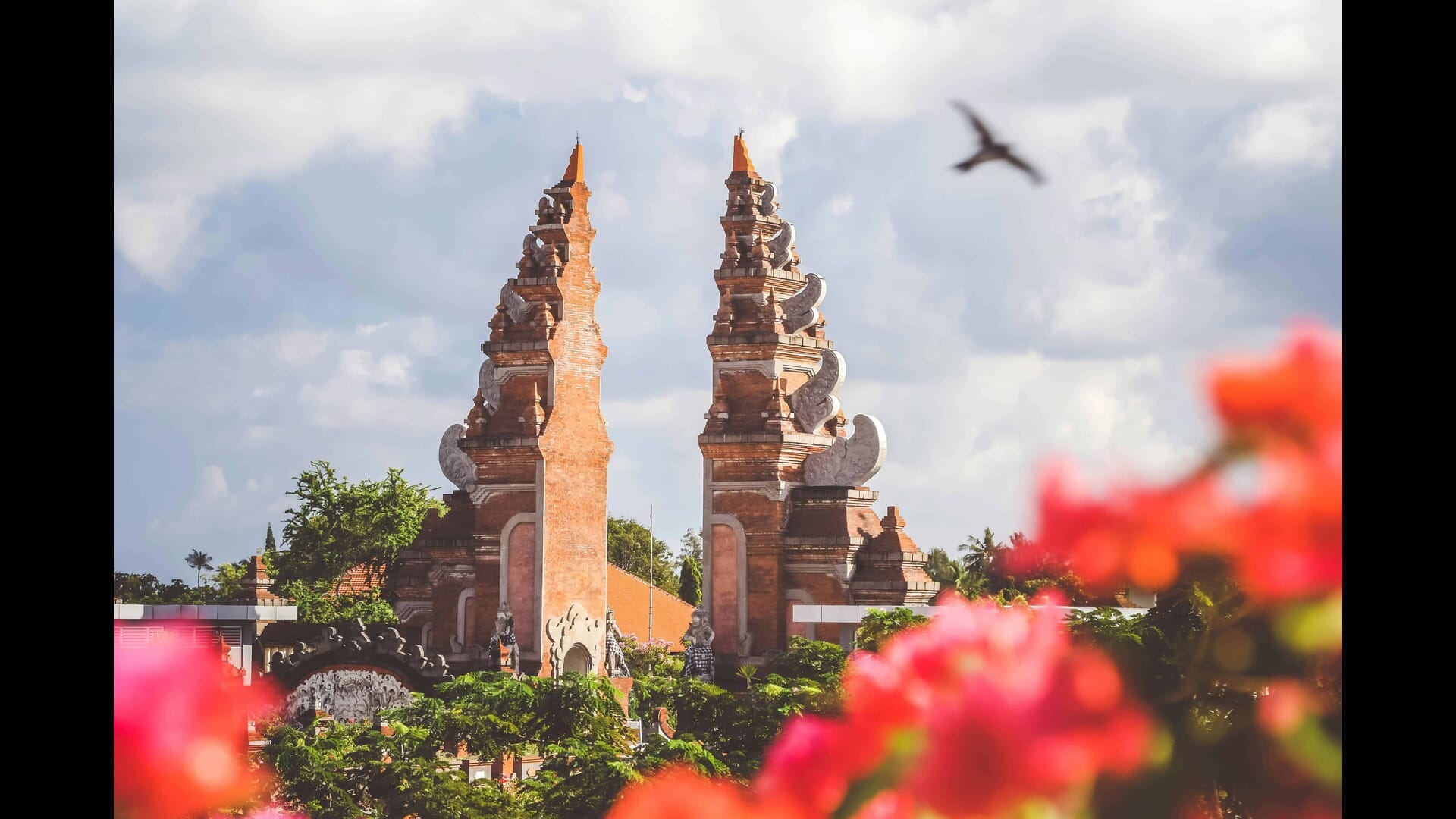
A Guide to Indonesia’s Most Beautiful Temples
A Guide to Indonesia’s Most Beautiful Temples
Indonesia, an archipelago of over 17,000 islands, is a land rich in culture, history, and spirituality. Among its many treasures, the temples stand out as magnificent symbols of the country’s diverse heritage. From the ancient stone structures of Java to the serene sea temples of Bali, Indonesia’s temples are not just places of worship; they are architectural marvels that tell stories of the past.
In this guide, we will explore some of Indonesia’s most beautiful temples, their historical significance, and tips for visiting these sacred sites.
The Importance of Temples in Indonesian Culture
Temples in Indonesia serve as more than just religious sites; they are integral to the cultural fabric of the nation. With a majority of the population practicing Islam, the country also has a significant Hindu and Buddhist presence, particularly in Bali and Java. Temples reflect the beliefs, traditions, and artistic expressions of these religions. They are places of worship, community gatherings, and cultural celebrations, making them vital to understanding Indonesian identity.
Borobudur Temple: A UNESCO World Heritage Site
The Architectural Marvel of Borobudur
Borobudur, located in Central Java, is the largest Buddhist temple in the world and a UNESCO World Heritage Site. Built in the 9th century during the reign of the Syailendra Dynasty, this magnificent structure is a stunning example of ancient Indonesian architecture. The temple is designed as a massive stupa, with six square platforms topped by three circular ones, symbolizing the Buddhist cosmology.
Exploring the Relief Panels
One of the most captivating features of Borobudur is its intricate relief panels, which depict various stories from the life of the Buddha and Jataka tales. There are over 2,600 relief panels that provide insight into Buddhist teachings and the moral lessons they convey. As you walk around the temple, take your time to appreciate these detailed carvings that showcase the artistry of the time.
Visiting Tips for Borobudur
- Best Time to Visit: Early morning or late afternoon to avoid the heat and enjoy stunning sunrise or sunset views.
- Dress Code: Modest attire is required, and sarongs are often provided at the entrance.
- Guided Tours: Consider hiring a local guide to enrich your understanding of the temple’s history and significance.
Prambanan Temple: The Majestic Hindu Temple Complex
A Glimpse into Hindu Architecture
Just a short distance from Borobudur lies Prambanan, the largest Hindu temple complex in Indonesia. Built in the 9th century, this UNESCO World Heritage Site is dedicated to the Trimurti, the three main Hindu gods: Brahma, Vishnu, and Shiva. The temple complex boasts towering spires that reach up to 47 meters, showcasing the grandeur of Hindu architecture.
The Legend of Ramayana
Prambanan is not only an architectural wonder but also a cultural hub. The temple complex is closely associated with the Ramayana, an ancient Indian epic. The story is depicted through reliefs on the temple walls, illustrating the adventures of Prince Rama and his quest to rescue Princess Sita. Visitors can also enjoy traditional Ramayana ballet performances held in the evenings, adding a theatrical dimension to the experience.
Tips for Visiting Prambanan
- Timing: Visit in the morning to avoid crowds and enjoy cooler temperatures.
- Photography: Capture the beauty of the temples during golden hour for stunning photographs.
- Cultural Events: Check the schedule for cultural performances or festivals that may coincide with your visit.
Tanah Lot Temple: A Serene Sea Temple in Bali
The Iconic Sea Temple
Tanah Lot is one of Bali’s most iconic sea temples, perched on a rocky outcrop overlooking the Indian Ocean. This stunning temple is dedicated to the sea god, Baruna, and is a popular spot for sunset viewing. The sight of the temple against the backdrop of the setting sun is nothing short of magical.
The Cultural Significance of Tanah Lot
Tanah Lot is not just a beautiful site; it is also steeped in mythology. According to local legend, the temple was founded by a Hindu priest who was guided by a vision of a serpent. The temple is surrounded by a rocky coastline, and during high tide, it appears to be floating on the water, enhancing its mystical allure.
Visiting Tanah Lot
- Best Time to Visit: Late afternoon for sunset views.
- Dress Code: Respectful attire is required, and sarongs are available for rent.
- Exploring the Area: Take time to explore the surrounding markets and enjoy local Balinese cuisine.
Uluwatu Temple: A Cliffside Marvel
The Dramatic Location of Uluwatu
Perched on a cliff 70 meters above the Indian Ocean, Uluwatu Temple (Pura Luhur Uluwatu) is one of Bali’s spiritual pillars. This temple is dedicated to the spirits of the sea and offers breathtaking views of the ocean and the surrounding landscape. The dramatic setting makes it a popular spot for tourists and locals alike.
Kecak Dance Performance
One of the highlights of visiting Uluwatu Temple is the Kecak dance performance, which takes place at sunset. This traditional Balinese dance tells the story of the Ramayana and features a mesmerizing chorus of chanting men, creating an enchanting atmosphere against the backdrop of the setting sun.
Tips for Visiting Uluwatu
- Timing: Arrive early to explore the temple grounds before the performance.
- Safety: Be cautious of the monkeys that inhabit the area; they are known for snatching belongings.
- Photography: Capture the stunning views, but be mindful of the lighting conditions during sunset.
Besakih Temple: The Mother Temple of Bali
The Holiest Temple in Bali
Located on the slopes of Mount Agung, Besakih Temple is known as the Mother Temple of Bali and is the largest and holiest temple complex on the island. This sacred site consists of over 80 temples and is a significant pilgrimage destination for Balinese Hindus.
The Spiritual Experience at Besakih
Visiting Besakih offers a unique spiritual experience. The temple complex is surrounded by lush greenery and offers stunning views of the surrounding mountains. The atmosphere is serene, and visitors can witness local ceremonies and rituals, providing insight into Balinese Hindu culture.
Visiting Tips for Besakih Temple
- Guided Tours: Consider hiring a local guide to explain the significance of the various temples and rituals.
- Dress Code: Modest attire is required, and sarongs are available for rent.
- Best Time to Visit: Early morning to avoid crowds and enjoy cooler temperatures.
Candi Sukuh: The Unique Temple of Java
An Unconventional Temple
Candi Sukuh is one of the most unique temples in Indonesia, located on the slopes of Mount Lawu in Central Java. Unlike traditional Javanese temples, Sukuh has a distinct pyramid-like structure and features erotic carvings that have sparked much debate among historians and archaeologists.
The Mystical Atmosphere of Sukuh
The temple is often described as having a mystical atmosphere, surrounded by lush forests and mountains. The unique architecture and carvings make it a fascinating site to explore, offering a different perspective on Javanese culture and spirituality.
Tips for Visiting Candi Sukuh
- Best Time to Visit: Early morning or late afternoon for cooler temperatures.
- Hiking: Consider hiking to the nearby waterfalls for a refreshing experience.
- Respect the Site: Be mindful of the temple’s unique features and the local customs.
Goa Gajah: The Elephant Cave Temple
A Historical Site with Spiritual Significance
Goa Gajah, or the Elephant Cave, is an archaeological site located near Ubud in Bali. Dating back to the 11th century, this temple features a cave with intricate carvings and a bathing pool surrounded by statues of nymphs. The site is believed to have served as a meditation retreat for Buddhist monks.
Exploring the Cave and Surroundings
The entrance to the cave is adorned with a demonic face, and inside, visitors can find a small shrine dedicated to the Hindu god Ganesha. The surrounding area is lush and tranquil, making it an ideal spot for reflection and meditation.
Visiting Tips for Goa Gajah
- Timing: Early morning to avoid crowds and enjoy the peaceful atmosphere.
- Dress Code: Modest attire is required, and sarongs are available for rent.
- Photography: Capture the intricate carvings and serene surroundings.
The Cultural Festivals Celebrated at Indonesian Temples
A Celebration of Tradition and Spirituality
Indonesian temples are often the focal points of cultural festivals and ceremonies that celebrate the rich traditions of the country. These events provide a unique opportunity for visitors to immerse themselves in the local culture and witness the vibrant rituals that take place.
Major Festivals to Experience
- Nyepi Day: The Balinese Day of Silence, where the island comes to a standstill, is a unique experience. Temples are adorned with offerings, and the day is marked by meditation and reflection.
- Galungan and Kuningan: These Hindu festivals celebrate the victory of dharma over adharma. Temples are beautifully decorated, and traditional ceremonies are held.
- Waisak: Celebrated by Buddhists, this festival marks the birth, enlightenment, and death of Buddha. Borobudur is a significant site for the celebrations, attracting thousands of pilgrims.
Tips for Attending Festivals
- Research: Check the local calendar for festival dates and events.
- Respect Local Customs: Be mindful of the rituals and dress appropriately.
- Engage with Locals: Participate in the celebrations and learn about the significance of the events.
Conclusion: Embracing the Spiritual Journey Through Indonesia’s Temples
Indonesia’s temples are not just architectural wonders; they are gateways to understanding the country’s rich cultural and spiritual heritage. Each temple tells a unique story, reflecting the beliefs and traditions of the people who built them. Whether you are exploring the majestic Borobudur, witnessing the sunset at Tanah Lot, or experiencing the vibrant festivals at local temples, each visit offers a profound connection to Indonesia’s past and present.
As you embark on your journey through Indonesia’s most beautiful temples, take the time to appreciate the artistry, history, and spirituality that these sacred sites embody. With every step, you will uncover the layers of culture that make Indonesia a truly enchanting destination.