
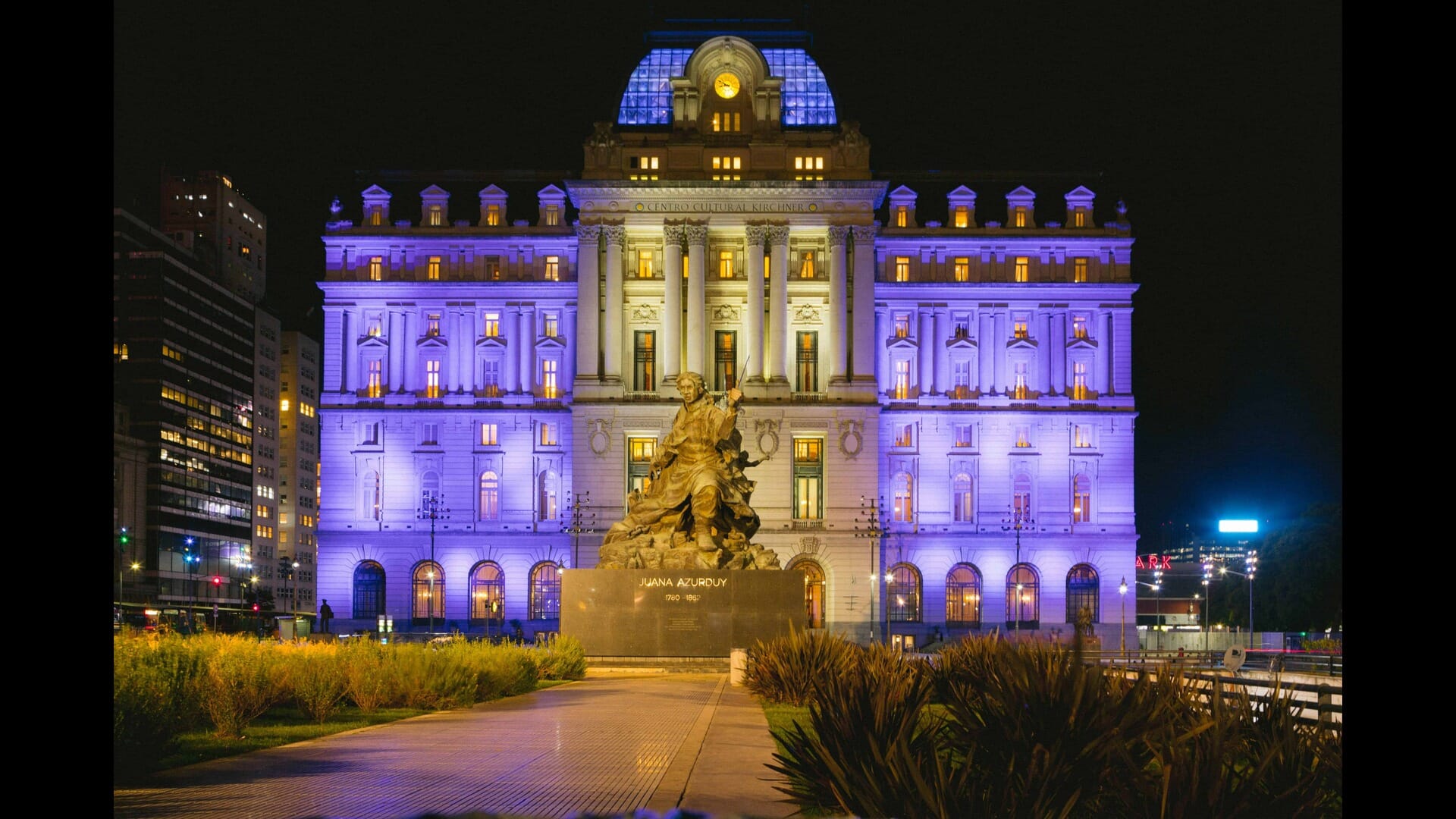
The Influence of Indigenous Cultures on Argentine Identity
The Influence of Indigenous Cultures on Argentine Identity
Argentina is a land of diverse landscapes, rich history, and vibrant cultures. However, one of the most profound influences on its national identity comes from the indigenous cultures that have inhabited the region long before European colonization. This article delves deep into the intricate tapestry of indigenous cultures in Argentina and their lasting impact on the Argentine identity.
Understanding the Indigenous Peoples of Argentina
The Rich Diversity of Indigenous Groups in Argentina
Argentina is home to a multitude of indigenous groups, each with its own unique traditions, languages, and histories. Among the most notable are the Mapuche, Guarani, Quechua, and Wichí. The Mapuche, primarily located in the southern regions, are known for their strong connection to the land and their resistance against colonization. The Guarani, found in the northeastern provinces, have a rich spiritual life and a language that is one of the most widely spoken indigenous languages in South America. The Quechua, primarily associated with the Andean regions, have a deep-rooted agricultural heritage, while the Wichí, residing in the Gran Chaco, are known for their intricate knowledge of the forest and its resources.
Historical Context: Indigenous Cultures Before Colonization
Before the arrival of Spanish colonizers in the 16th century, indigenous peoples thrived in Argentina, developing complex societies with rich cultural practices. They cultivated crops, engaged in trade, and established social structures that were deeply connected to their environments. The arrival of Europeans marked a significant turning point, leading to the displacement and marginalization of many indigenous communities. However, despite centuries of oppression, indigenous cultures have persisted and continue to influence modern Argentine identity.
The Language of the Land: Indigenous Languages in Argentina
The Role of Indigenous Languages in Shaping Argentine Identity
Language is a powerful tool for cultural expression and identity. In Argentina, indigenous languages such as Mapudungun, Guaraní, and Quechua have played a crucial role in shaping the national identity. Guaraní, in particular, is recognized as an official language in the province of Corrientes and is spoken by millions across the country. The preservation and revitalization of these languages are vital for maintaining the cultural heritage of indigenous peoples and fostering a sense of belonging among their communities.
Efforts to Revitalize Indigenous Languages
In recent years, there has been a growing movement to revitalize indigenous languages in Argentina. Educational programs, cultural initiatives, and community efforts aim to teach younger generations their ancestral languages. This resurgence not only helps preserve linguistic diversity but also strengthens the cultural identity of indigenous communities, allowing them to reclaim their heritage in a rapidly modernizing world.
Indigenous Traditions and Their Influence on Argentine Culture
Traditional Practices and Their Modern Adaptations
Indigenous traditions encompass a wide range of practices, from rituals and ceremonies to crafts and music. Many of these traditions have been adapted and integrated into Argentine culture, creating a unique blend that reflects the country’s diverse heritage. For example, the traditional Mapuche ceremony of Pewma (dreaming) has found its way into contemporary spiritual practices, while indigenous crafts, such as weaving and pottery, are celebrated in artisan markets across the nation.
Festivals Celebrating Indigenous Heritage
Argentina hosts numerous festivals that celebrate its indigenous heritage, showcasing traditional music, dance, and art. Events like the Fiesta Nacional del Sol in San Juan and the Encuentro Nacional de Pueblos Originarios highlight the contributions of indigenous cultures to the national identity. These festivals not only promote cultural awareness but also foster a sense of pride among indigenous communities, allowing them to share their rich traditions with a broader audience.
The Impact of Indigenous Art on Argentine Identity
Indigenous Art Forms and Their Significance
Art is a vital expression of cultural identity, and indigenous art forms in Argentina are no exception. From intricate textiles to vibrant pottery, indigenous artists convey their histories, beliefs, and connections to the land through their work. The use of traditional motifs and techniques not only preserves cultural heritage but also serves as a medium for storytelling and cultural expression.
Contemporary Indigenous Artists and Their Contributions
In recent years, contemporary indigenous artists have gained recognition for their innovative works that blend traditional techniques with modern themes. Artists like Nicolás García Uriburu and Marta Pizarro have garnered international acclaim, using their art to address social issues and advocate for indigenous rights. Their contributions highlight the ongoing relevance of indigenous cultures in shaping Argentina’s artistic landscape.
Indigenous Cuisine: A Culinary Journey Through Argentine Identity
Traditional Indigenous Dishes and Their Origins
Cuisine is a reflection of culture, and indigenous peoples in Argentina have a rich culinary heritage that has significantly influenced Argentine gastronomy. Traditional dishes such as locro (a hearty stew) and humita (corn pudding) showcase the use of native ingredients like corn, potatoes, and beans. These dishes not only nourish the body but also carry the stories and traditions of indigenous peoples.
The Fusion of Indigenous and European Flavors
The culinary landscape of Argentina is a fusion of indigenous and European influences, resulting in a diverse array of flavors and dishes. The introduction of European ingredients and cooking techniques has led to the evolution of traditional indigenous recipes, creating a unique gastronomic identity. Today, chefs across the country are embracing indigenous ingredients, highlighting their importance in contemporary Argentine cuisine.
The Struggle for Indigenous Rights in Argentina
Historical Context of Indigenous Rights Movements
The struggle for indigenous rights in Argentina has a long and complex history. Following colonization, indigenous peoples faced systemic discrimination and marginalization. In recent decades, there has been a resurgence of indigenous activism, with communities advocating for land rights, cultural preservation, and political representation. This movement has been instrumental in raising awareness about the challenges faced by indigenous peoples and their contributions to Argentine society.
Recent Developments in Indigenous Rights
In recent years, the Argentine government has taken steps to recognize and protect the rights of indigenous peoples. The adoption of the Ley de Pueblos Originarios (Law of Indigenous Peoples) has provided a legal framework for the recognition of indigenous rights, including land ownership and cultural preservation. However, challenges remain, and indigenous communities continue to fight for their rights and recognition in a rapidly changing society.
The Role of Education in Preserving Indigenous Cultures
Integrating Indigenous Knowledge into Education
Education plays a crucial role in preserving indigenous cultures and promoting cultural awareness among future generations. In Argentina, there is a growing movement to integrate indigenous knowledge and perspectives into the national curriculum. This approach not only fosters respect for indigenous cultures but also empowers indigenous students by validating their identities and experiences.
Community-Led Educational Initiatives
Many indigenous communities have established their own educational initiatives, focusing on bilingual education and the preservation of traditional knowledge. These programs aim to provide indigenous children with a culturally relevant education that honors their heritage while equipping them with the skills needed to navigate the modern world. By prioritizing indigenous perspectives, these initiatives contribute to the revitalization of indigenous cultures in Argentina.
The Future of Indigenous Cultures in Argentina
Challenges and Opportunities Ahead
As Argentina continues to evolve, indigenous cultures face both challenges and opportunities. The effects of globalization, urbanization, and climate change pose significant threats to traditional ways of life. However, there is also a growing recognition of the importance of indigenous knowledge in addressing contemporary issues, such as environmental sustainability and social justice.
Embracing Cultural Diversity for a Stronger Argentine Identity
The future of Argentine identity lies in embracing its cultural diversity, including the rich contributions of indigenous peoples. By recognizing and valuing indigenous cultures, Argentina can foster a more inclusive society that honors its past while looking toward a brighter future. The integration of indigenous perspectives into national narratives and policies is essential for building a cohesive and equitable society.
Conclusion: The Enduring Legacy of Indigenous Cultures in Argentina
The influence of indigenous cultures on Argentine identity is profound and multifaceted. From language and traditions to art and cuisine, indigenous peoples have shaped the cultural landscape of Argentina in countless ways. As the country navigates the complexities of modernity, it is crucial to recognize and celebrate the enduring legacy of indigenous cultures, ensuring that their voices and contributions continue to be heard and valued in the national narrative. By embracing this rich heritage, Argentina can forge a path toward a more inclusive and equitable future, honoring the diverse identities that make up its vibrant tapestry.