
The History and Beauty of the Vatican City: A Journey Through Time and Art
The History and Beauty of the Vatican City: A Journey Through Time and Art
Vatican City, the smallest independent state in the world, is a treasure trove of history, art, and spirituality. Nestled within the heart of Rome, this city-state is not only the spiritual center for Catholics worldwide but also a remarkable repository of art and architecture that has captivated visitors for centuries.
In this article, we will delve into the rich history and stunning beauty of Vatican City, exploring its origins, key attractions, and cultural significance.
The Origins of Vatican City: From Ancient Rome to Papal Power
Vatican City’s history is deeply intertwined with that of Rome itself. The area now known as Vatican Hill was originally a marshy region, but it gained prominence during the Roman Empire. The name 'Vatican' is derived from the Latin word 'Vaticanus,' which was associated with the Etruscan word for a prophetic place.
The Early Christian Era and the Martyrdom of Saint Peter
The significance of Vatican City began to take shape in the 1st century AD with the martyrdom of Saint Peter, one of Jesus Christ’s apostles and the first Pope. According to tradition, Saint Peter was crucified upside down in Rome and buried where St. Peter's Basilica now stands. His tomb became a pilgrimage site, marking the beginning of the Vatican’s spiritual importance.
The Establishment of the Papal States
By the 8th century, the Pope had begun to acquire land and power, leading to the establishment of the Papal States. This political entity allowed the Pope to wield both spiritual and temporal power, shaping the course of European history. The Vatican’s influence grew, and it became a center for art, culture, and learning during the Renaissance.
The Architectural Marvels of Vatican City
Vatican City is home to some of the most iconic architectural masterpieces in the world. From the grandeur of St. Peter's Basilica to the intricate beauty of the Vatican Museums, each structure tells a story of faith, power, and artistic achievement.
St. Peter's Basilica: A Testament to Renaissance Art
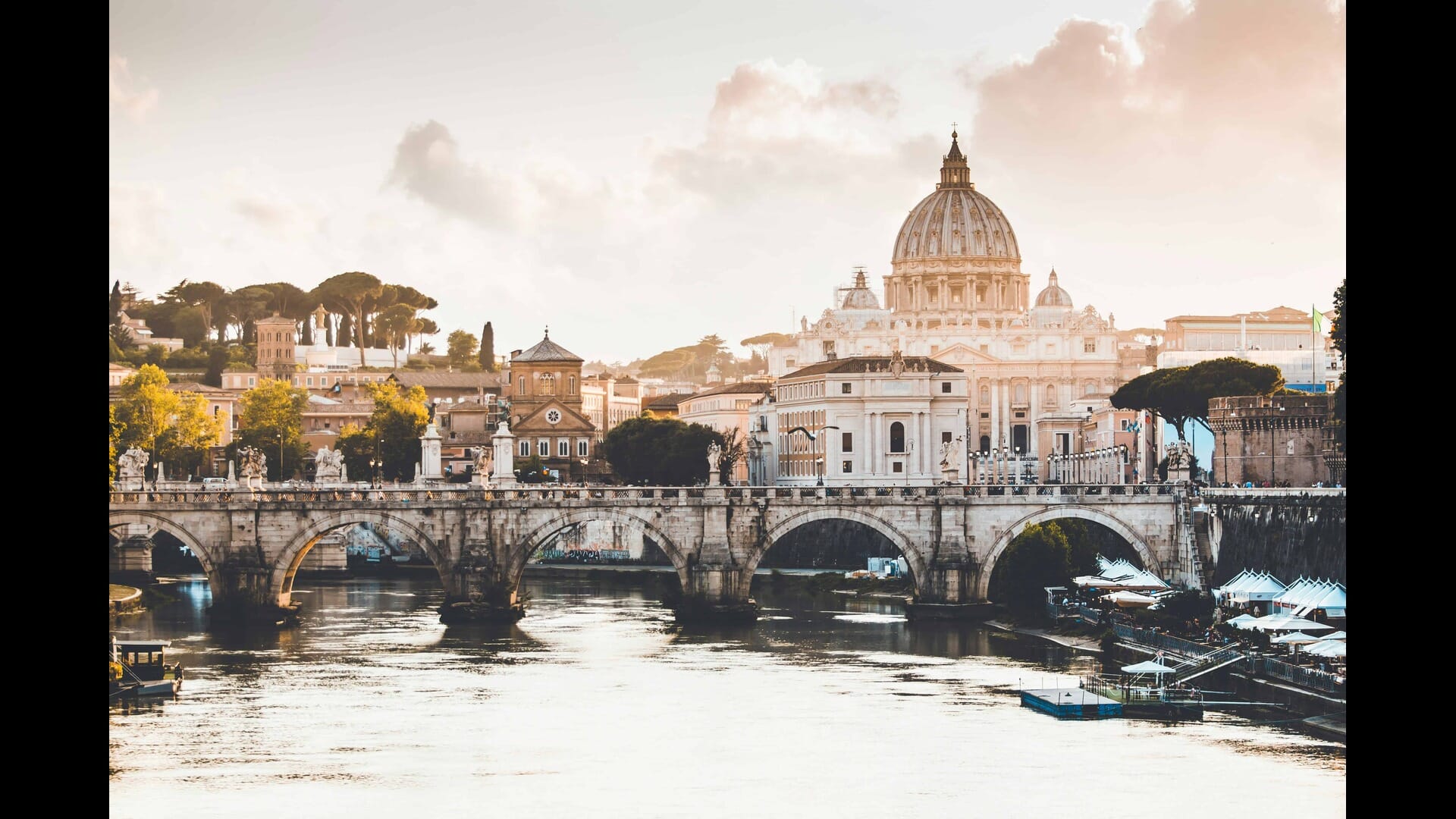
St. Peter's Basilica, designed by renowned architects such as Michelangelo and Bernini, is a stunning example of Renaissance architecture. The basilica’s dome, which dominates the skyline, is a marvel of engineering and artistry. Visitors can ascend to the dome for breathtaking views of the city and the Vatican Gardens.
The Interior of St. Peter's Basilica
Inside, the basilica is adorned with magnificent sculptures, mosaics, and artworks. Michelangelo's Pietà, a poignant depiction of the Virgin Mary holding the body of Christ, is a highlight. The grandeur of the baldachin, a monumental canopy over the papal altar, is another stunning feature that showcases Bernini's genius.
The Vatican Museums: A Journey Through Art History
The Vatican Museums house one of the most extensive collections of art in the world, with works spanning from ancient times to the modern era. The museums are a labyrinth of galleries, each filled with masterpieces that reflect the evolution of art and culture.
The Sistine Chapel: Michelangelo’s Masterpiece
No visit to the Vatican Museums is complete without a stop at the Sistine Chapel. Famous for its ceiling painted by Michelangelo, the chapel is a breathtaking testament to Renaissance artistry. The iconic Creation of Adam, where God reaches out to touch Adam, is one of the most recognized images in Western art.
The Apostolic Palace: The Pope’s Residence
The Apostolic Palace, the official residence of the Pope, is another architectural gem within Vatican City. The palace is a complex of buildings that includes the Vatican Museums and the Vatican Library. The interiors are richly decorated, showcasing the opulence of papal life and the significance of the Catholic Church.
The Cultural Significance of Vatican City
Vatican City is not just a religious center; it is also a cultural powerhouse. The city-state plays a crucial role in the preservation and promotion of art, music, and education.
The Role of the Vatican in Art and Education
Throughout history, the Vatican has been a patron of the arts, commissioning works from some of the greatest artists of all time. The Vatican Library, one of the oldest libraries in the world, houses an invaluable collection of manuscripts, books, and historical documents that are vital for research and education.
The Vatican’s Influence on Global Culture
The Vatican’s influence extends beyond its borders. It plays a significant role in global diplomacy and interfaith dialogue, promoting peace and understanding among different cultures and religions. The Vatican’s stance on social issues, such as poverty and human rights, resonates worldwide, making it a key player in international relations.
Visiting Vatican City: Tips for Travelers
A visit to Vatican City is a must for anyone traveling to Rome. However, navigating this small city-state can be overwhelming due to its popularity and the sheer volume of attractions. Here are some tips to enhance your visit.
Planning Your Visit: Best Times to Go
The best time to visit Vatican City is during the shoulder seasons of spring (April to June) and fall (September to October). The weather is pleasant, and the crowds are more manageable compared to the peak summer months. Early mornings or late afternoons are ideal for visiting popular sites like St. Peter's Basilica and the Vatican Museums.
Booking Tickets in Advance
To avoid long lines, it is advisable to book tickets for the Vatican Museums and St. Peter's Basilica in advance. Many visitors opt for guided tours, which provide valuable insights into the history and art of the Vatican. Consider joining a small group tour for a more personalized experience.
Dress Code and Etiquette
As Vatican City is a religious site, visitors are expected to dress modestly. Shoulders and knees should be covered, and hats should be removed when entering places of worship. Respectful behavior is essential, especially in sacred spaces like St. Peter's Basilica and the Sistine Chapel.
The Spiritual Experience of Vatican City
For many, a visit to Vatican City is not just a cultural experience but a spiritual journey. The city-state offers a unique opportunity to connect with the history of the Catholic Church and its teachings.
Attending a Papal Audience
One of the highlights of visiting Vatican City is the chance to attend a papal audience. Held on Wednesdays, these gatherings allow visitors to see the Pope and receive his blessings. It’s a deeply moving experience for many pilgrims and tourists alike.
The Importance of Pilgrimage
Vatican City is a significant pilgrimage destination for Catholics around the world. The Holy See offers various spiritual programs and events throughout the year, allowing the faithful to deepen their connection to their faith.
The Gardens of Vatican City: A Hidden Gem
While many visitors flock to the museums and basilica, the Vatican Gardens offer a serene escape from the hustle and bustle. Spanning over 23 hectares, the gardens are a beautifully landscaped area filled with fountains, sculptures, and a variety of plants.
Exploring the Vatican Gardens
Guided tours of the Vatican Gardens provide insight into the history and significance of this tranquil space. Visitors can admire the stunning views of St. Peter's Basilica and learn about the various plants and flowers that thrive in this unique environment.
The Vatican’s Role in Modern Society
In today’s world, Vatican City continues to play a vital role in addressing contemporary issues. The Pope often speaks out on social justice, climate change, and the importance of compassion and understanding among different cultures.
The Vatican and Global Issues
The Vatican’s influence extends to global issues such as poverty, war, and environmental sustainability. The Pope’s encyclicals and public statements often resonate with people of all faiths, promoting a message of hope and unity.
Conclusion: The Enduring Legacy of Vatican City
Vatican City is more than just a destination; it is a symbol of faith, art, and history. Its rich heritage and stunning beauty continue to inspire millions of visitors each year. Whether you are drawn by the spiritual significance, the artistic masterpieces, or the historical narratives, a visit to Vatican City is an unforgettable experience that leaves a lasting impression.
As you walk through the hallowed halls of the Vatican Museums or stand in awe beneath the dome of St. Peter's Basilica, you are not just witnessing art and architecture; you are partaking in a journey that spans centuries, connecting the past with the present and the divine with the earthly. Vatican City remains a beacon of hope, creativity, and faith, inviting all to explore its wonders and embrace its message of love and unity.