
The History and Beauty of Mexico’s Colonial Towns
The History and Beauty of Mexico’s Colonial Towns
Mexico is a land steeped in history, culture, and breathtaking beauty. Among its many treasures, the colonial towns stand out as a testament to the country's rich past and vibrant present. From the cobblestone streets to the stunning architecture, these towns tell stories of conquest, colonization, and cultural fusion.
In this article, we will explore the history and beauty of Mexico's colonial towns, uncovering their unique charm and significance.
Understanding the Colonial Era in Mexico
The colonial era in Mexico began in the early 16th century when Spanish conquistadors arrived on the shores of the New World. This period marked the beginning of a profound transformation in the region, as indigenous cultures encountered European influences. The Spanish established settlements, built churches, and constructed grand plazas, laying the groundwork for the colonial towns we see today.
The Influence of Spanish Architecture
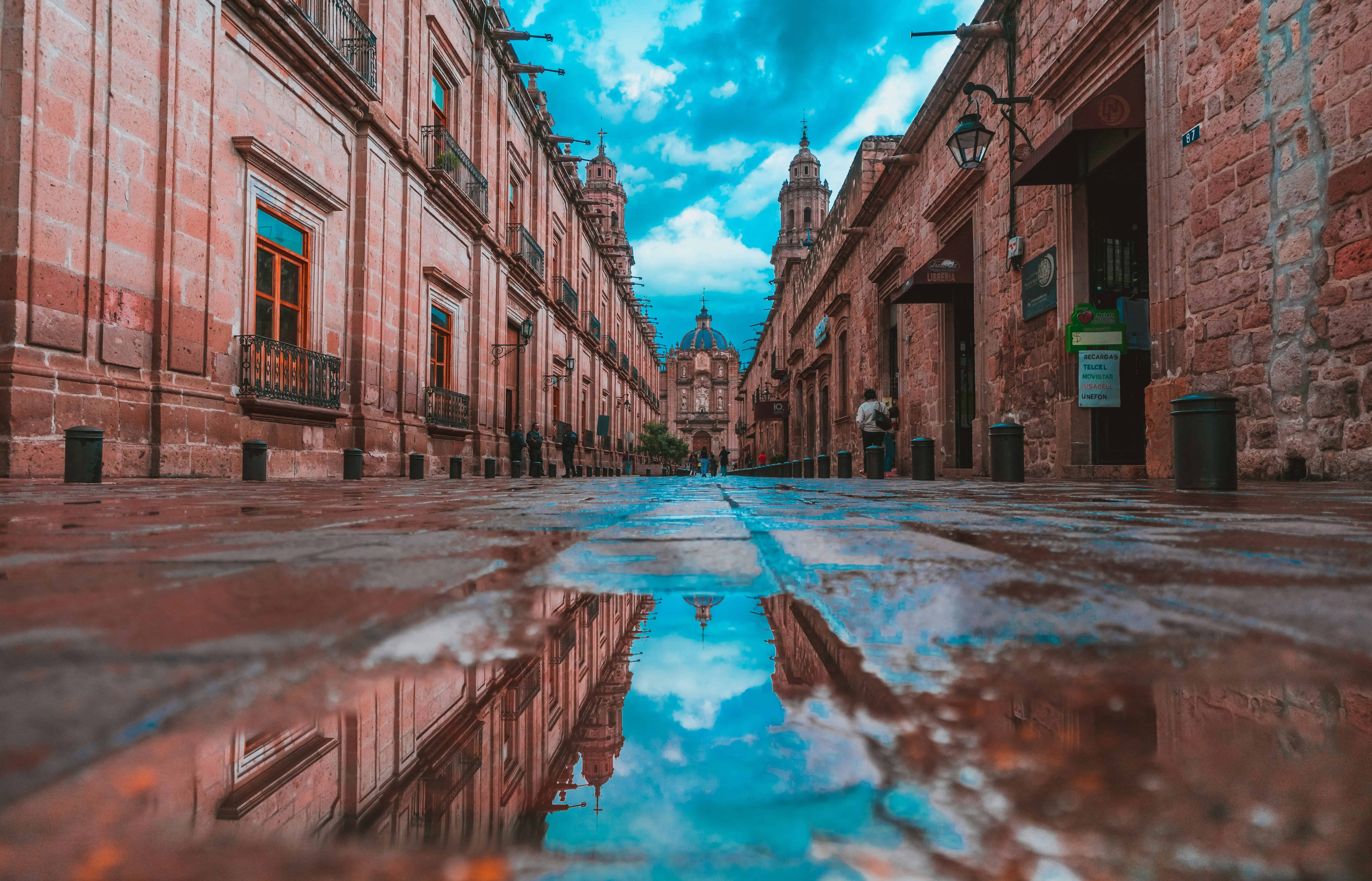
Spanish colonial architecture is characterized by its unique blend of European styles and indigenous elements. The use of local materials, such as volcanic stone and adobe, combined with European designs, resulted in a distinctive architectural style. Features such as arched doorways, wrought-iron balconies, and colorful tiles are hallmarks of these towns. The architecture not only served functional purposes but also symbolized the power and influence of the Spanish crown.
Cultural Fusion in Colonial Towns
The colonial towns of Mexico are a melting pot of cultures. The fusion of Spanish and indigenous traditions is evident in the local customs, cuisine, and festivals. This cultural blend has given rise to a unique identity that continues to thrive today. For instance, traditional Mexican dishes often incorporate indigenous ingredients and cooking techniques, while Spanish influences can be seen in the use of spices and cooking methods.
The Most Beautiful Colonial Towns in Mexico
While there are many colonial towns to explore, some stand out for their beauty, history, and cultural significance. Here are a few of the most enchanting colonial towns in Mexico:
1. San Miguel de Allende: A UNESCO World Heritage Site
San Miguel de Allende is a picturesque town located in the central highlands of Mexico. Known for its vibrant arts scene and stunning architecture, it was designated a UNESCO World Heritage Site in 2008. The town's centerpiece is the Parroquia de San Miguel Arcángel, a neo-Gothic church that dominates the skyline with its pink spires.
The Artistic Vibe of San Miguel de Allende
San Miguel de Allende has long been a haven for artists and creatives. The town is home to numerous galleries, studios, and art schools, attracting both local and international talent. Visitors can explore the vibrant streets filled with colorful murals and participate in art workshops, making it a perfect destination for art lovers.
2. Guanajuato: A City of Color and History
Guanajuato is another UNESCO World Heritage Site, known for its colorful buildings and rich mining history. The town is built on a series of hills and is famous for its underground tunnels that were once used for transporting silver. The vibrant streets are lined with colonial-era buildings, and the town's lively atmosphere is enhanced by its numerous festivals.
The Mummy Museum of Guanajuato
One of the most unique attractions in Guanajuato is the Mummy Museum, which houses naturally mummified bodies that were discovered in the local cemetery. This eerie yet fascinating museum offers insight into the region's history and the customs surrounding death and burial.
3. Oaxaca: A Culinary and Cultural Delight
Oaxaca is renowned for its rich indigenous heritage and vibrant culinary scene. The town's colonial architecture, colorful markets, and lively festivals make it a must-visit destination. Oaxaca is also famous for its mezcal, a traditional Mexican spirit made from agave.
The Guelaguetza Festival
One of the highlights of Oaxaca's cultural calendar is the Guelaguetza Festival, which celebrates the region's indigenous cultures through music, dance, and traditional food. Visitors can experience the rich tapestry of Oaxacan culture and witness the vibrant performances that showcase the region's diversity.
4. Puebla: A Culinary Capital
Puebla is known for its stunning Talavera pottery and delicious cuisine, including the famous mole poblano. The town's historic center is a UNESCO World Heritage Site, featuring beautiful colonial buildings adorned with colorful tiles. Puebla's rich history is reflected in its architecture, with influences from both Spanish and indigenous cultures.
Exploring Puebla's Culinary Scene
Food lovers will delight in exploring Puebla's culinary scene. From street food stalls to upscale restaurants, the town offers a wide range of dining options. Visitors can take cooking classes to learn how to prepare traditional dishes and discover the secrets behind Puebla's famous mole.
5. Taxco: The Silver Capital
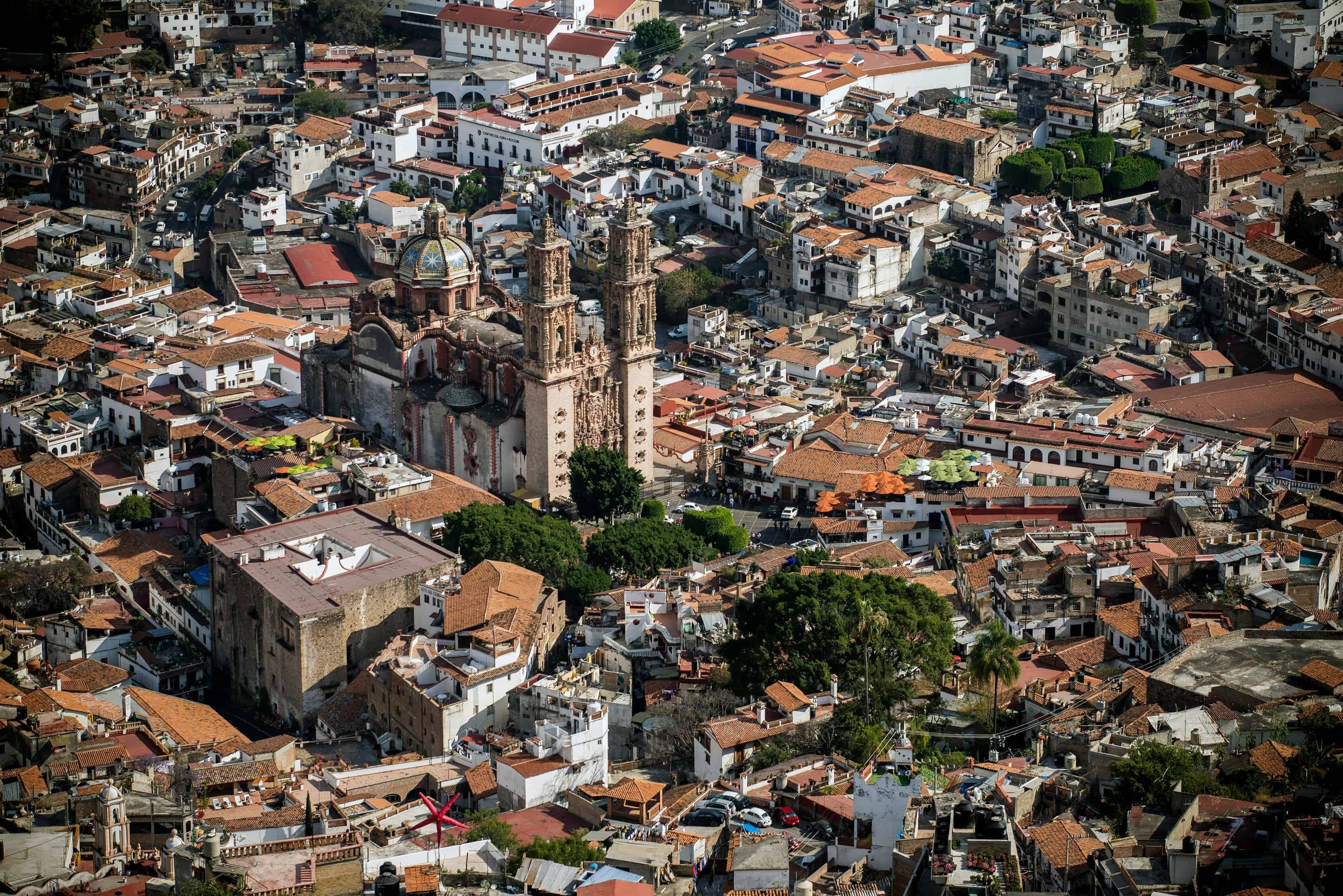
Taxco is a charming town nestled in the mountains, famous for its silver mining history. The town's narrow streets are lined with silver shops, and visitors can explore the beautiful Santa Prisca Church, a stunning example of baroque architecture. Taxco's picturesque setting and vibrant atmosphere make it a popular destination for tourists.
The Silver Market of Taxco
A visit to Taxco wouldn't be complete without exploring the silver market, where artisans showcase their handcrafted jewelry and silverware. Visitors can find unique pieces and learn about the traditional techniques used in silver crafting.
The Role of Religion in Colonial Towns
Religion played a significant role in the development of colonial towns in Mexico. The Spanish established churches as a means of converting indigenous populations to Christianity, and these churches often became the focal points of the towns.
The Architectural Grandeur of Colonial Churches
The churches built during the colonial era are architectural marvels, showcasing a blend of European styles and indigenous craftsmanship. Many of these churches are adorned with intricate carvings, colorful frescoes, and stunning altarpieces. They serve as reminders of the religious fervor that characterized the colonial period and continue to be important places of worship today.
Festivals and Religious Celebrations
Religious festivals are an integral part of life in Mexico's colonial towns. These celebrations often involve colorful parades, traditional music, and dance, bringing communities together in a vibrant display of faith and culture. Events such as Día de los Muertos (Day of the Dead) and Semana Santa (Holy Week) are celebrated with great enthusiasm, showcasing the rich cultural heritage of the region.
The Impact of Colonial Towns on Modern Mexico
The colonial towns of Mexico have left a lasting impact on the country's identity and culture. They serve as reminders of the complex history that shaped modern Mexico and continue to attract visitors from around the world.
Tourism and Economic Development
Tourism plays a crucial role in the economy of many colonial towns. Visitors flock to these towns to experience their unique charm, leading to the development of local businesses, restaurants, and artisan markets. The preservation of colonial architecture and cultural heritage has become a priority for many towns, ensuring that future generations can appreciate their history.
Preserving Cultural Heritage
Efforts to preserve the cultural heritage of colonial towns are essential for maintaining their identity. Local governments and organizations work to restore historic buildings, promote traditional crafts, and support cultural events. These initiatives not only protect the towns' history but also foster a sense of pride among residents.
Tips for Visiting Mexico’s Colonial Towns
Visiting Mexico's colonial towns can be a rewarding experience, offering a glimpse into the country's rich history and vibrant culture. Here are some tips to make the most of your visit:
1. Plan Your Itinerary
With so many beautiful colonial towns to choose from, it's essential to plan your itinerary in advance. Research the towns that interest you the most and allocate enough time to explore their unique attractions.
2. Embrace Local Culture
Take the time to immerse yourself in the local culture. Attend festivals, try traditional foods, and engage with residents to gain a deeper understanding of the town's history and customs.
3. Explore on Foot
Many colonial towns are best explored on foot. Stroll through the cobblestone streets, admire the architecture, and discover hidden gems along the way. Walking allows you to fully appreciate the beauty of the towns and interact with locals.
4. Respect Local Traditions
When visiting churches and participating in religious events, be respectful of local customs and traditions. Dress modestly and observe any guidelines set by the community.
5. Support Local Artisans
Purchasing handmade crafts and souvenirs from local artisans not only supports the economy but also allows you to take home a piece of the town's culture. Look for unique items that reflect the town's heritage.
Conclusion: The Timeless Allure of Mexico’s Colonial Towns
The colonial towns of Mexico are a testament to the country's rich history and cultural diversity. Their stunning architecture, vibrant traditions, and warm hospitality make them a must-visit destination for travelers seeking to experience the essence of Mexico. As you wander through the cobblestone streets and immerse yourself in the local culture, you'll discover the timeless allure of these enchanting towns, each with its own unique story to tell. Whether you're an art enthusiast, a history buff, or a food lover, Mexico's colonial towns offer something for everyone, inviting you to explore their beauty and history for years to come.