
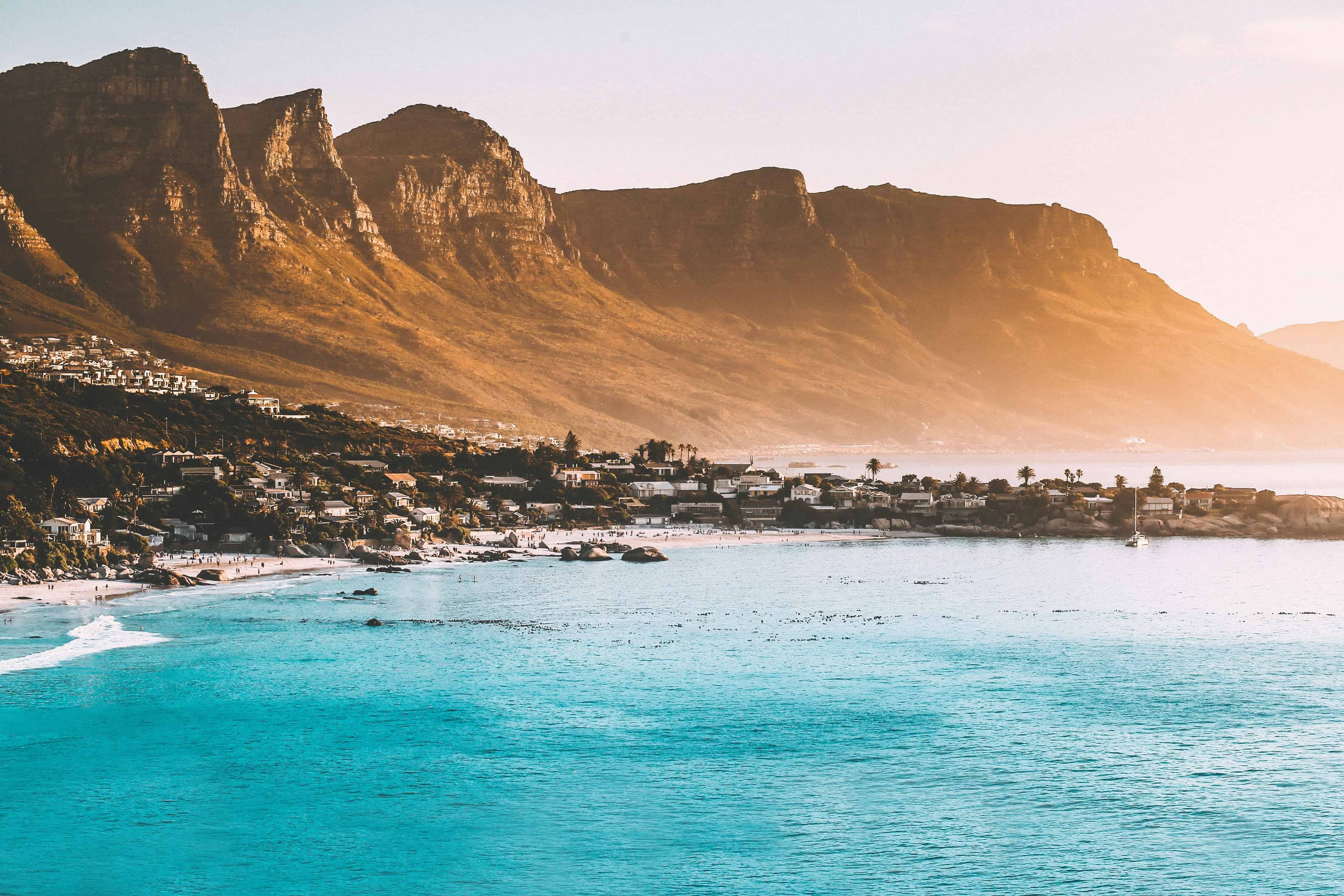
A Journey Through the Historic Sites of the Western Cape
A Journey Through the Historic Sites of the Western Cape
The Western Cape, a province in South Africa, is a treasure trove of history, culture, and breathtaking landscapes. From the vibrant streets of Cape Town to the tranquil vineyards of Stellenbosch, this region is steeped in stories waiting to be told.
This travel guide will take you on a journey through the historic sites of the Western Cape, revealing the rich tapestry of its past and the beauty of its present.
Understanding the Historical Significance of the Western Cape
The Western Cape is not just a picturesque destination; it is a region that has played a pivotal role in South Africa's history. From the indigenous Khoisan people to the arrival of European settlers, the province has witnessed significant events that have shaped its cultural landscape. Understanding this history is crucial for appreciating the sites you will visit.
The Indigenous Khoisan Heritage
Long before the arrival of Europeans, the Western Cape was home to the Khoisan people, who lived in harmony with the land. Their rich traditions, art, and way of life are an essential part of the region's heritage. Visiting sites like the Cango Caves and the rock art at the San Heritage Site in the Cederberg Mountains offers a glimpse into their ancient civilization.
The Arrival of European Settlers
In 1652, the Dutch East India Company established a refreshment station at the Cape of Good Hope, marking the beginning of European settlement in the region. This led to the establishment of Cape Town, which became a melting pot of cultures. Exploring the Company’s Garden and the Castle of Good Hope provides insight into this transformative period.
Top Historic Sites to Visit in the Western Cape
With a rich history to explore, the Western Cape boasts numerous historic sites. Here are some must-visit locations that should be on your itinerary.
1. Cape Town: The Mother City
Cape Town, often referred to as the Mother City, is the heart of the Western Cape. Its historic sites reflect the diverse cultures that have influenced its development.
The Castle of Good Hope
The Castle of Good Hope is the oldest surviving colonial building in South Africa. Built between 1666 and 1679, this star-shaped fort served as a military stronghold and a symbol of Dutch colonial power. Today, it houses museums that showcase the history of the Cape and its people. A guided tour will take you through its storied halls, revealing tales of battles, prisoners, and the daily life of soldiers.
Robben Island
A short ferry ride from Cape Town, Robben Island is a UNESCO World Heritage Site and a symbol of the struggle against apartheid. The island was home to political prisoners, including Nelson Mandela, who spent 18 years incarcerated here. A guided tour led by former inmates provides a poignant insight into the harsh realities of life on the island and the resilience of those who fought for freedom.
2. Stellenbosch: A Wine Heritage
Stellenbosch, known for its picturesque vineyards and oak-lined streets, is not just a haven for wine lovers; it is also rich in history.
Stellenbosch Village Museum
The Stellenbosch Village Museum consists of four historic houses that showcase the architectural styles of the 18th and 19th centuries. Each house is furnished with period pieces, offering a glimpse into the lives of early settlers. The museum provides guided tours that delve into the history of the town and its development.
The Old Burying Ground
Located in the heart of Stellenbosch, the Old Burying Ground is the final resting place of many of the town’s founders. The gravestones, some dating back to the 17th century, tell stories of the early settlers and their contributions to the region. This serene site is a reminder of the town's rich heritage.
3. The Cape Winelands: A Journey Through Time
The Cape Winelands, with its rolling vineyards and majestic mountains, is not only a paradise for wine enthusiasts but also a region steeped in history.
Franschhoek Huguenot Monument
Franschhoek, known as the French Corner, was founded by Huguenot refugees in the late 17th century. The Huguenot Monument commemorates their arrival and the impact they had on the region’s wine industry. The accompanying museum provides an in-depth look at the history of the Huguenots and their contributions to South African culture.
Groot Constantia
Groot Constantia is the oldest wine estate in South Africa, established in 1685. A visit to this historic estate offers a chance to explore the beautifully restored manor house and taste some of the finest wines in the country. The estate's history is intertwined with that of the Cape, making it a must-visit for history buffs and wine lovers alike.
4. The Overberg Region: A Coastal Heritage
The Overberg region, with its stunning coastline and charming towns, is rich in maritime history.
The Old Harbour in Hermanus
Hermanus, famous for its whale watching, has a fascinating maritime history. The Old Harbour, originally built for the fishing industry, is now a picturesque area lined with restaurants and shops. A stroll along the harbor offers stunning views of the ocean and the opportunity to learn about the town's fishing heritage.
Cape Agulhas: The Southernmost Point of Africa
Cape Agulhas is not only the southernmost point of Africa but also a site of historical significance. The Cape Agulhas Lighthouse, built in 1849, has guided countless ships safely to shore. The area is rich in shipwrecks, and a visit to the nearby shipwreck museum provides insight into the treacherous waters that surround this point.
5. The Cederberg Mountains: Ancient Rock Art
The Cederberg Mountains are not only known for their stunning landscapes but also for their ancient rock art, which dates back thousands of years.
Bushman Rock Art
The Cederberg is home to some of the best-preserved rock art in Southern Africa, created by the San people. Sites like the Wolfberg Cracks and the Stadsaal Caves offer guided tours that reveal the stories behind the paintings and their significance in San culture. This experience connects visitors to the ancient history of the region.
6. The Garden Route: A Scenic Heritage
The Garden Route is famous for its breathtaking scenery, but it also boasts a rich history.
Knysna: The Timber Town
Knysna, known for its lagoon and forests, has a history rooted in the timber industry. The Knysna Timber Route takes visitors through the town’s historical sites, including the Old Gaol and the Millwood House. This journey through Knysna's past highlights the importance of timber in the region's development.
The Ghosts of George
George, one of the oldest towns in the Western Cape, is steeped in history and folklore. The George Museum showcases the town's history, while ghost tours reveal the legends and stories of the past. Exploring the historic buildings and hearing tales of the town's ghosts adds a unique twist to your visit.
7. The West Coast: A Cultural Mosaic
The West Coast is known for its stunning landscapes and rich cultural heritage.
!Khwa ttu San Culture and Education Centre
!Khwa ttu is a unique cultural center that aims to preserve and promote the heritage of the San people. Visitors can learn about their history, culture, and traditional practices through interactive exhibits and guided tours. This experience fosters a deeper understanding of the indigenous people of the region.
Paternoster: A Fishing Village with History
Paternoster is a charming fishing village with a rich maritime history. The village's whitewashed cottages and fishing boats create a picturesque scene. Exploring the local museum offers insight into the fishing industry and the lives of the fishermen who have called this village home for generations.
8. The Karoo: A Journey into the Past
The Karoo, a semi-desert region, is known for its unique landscapes and historical significance.
Matjiesfontein: A Victorian Time Capsule
Matjiesfontein is a small village that serves as a time capsule of the Victorian era. The village's well-preserved buildings and the iconic Lord Milner Hotel transport visitors back in time. A guided tour reveals the history of the village and its role as a railway stop during the 19th century.
The Karoo National Park
The Karoo National Park is not only a haven for wildlife but also a site of historical significance. The park is home to ancient fossil beds, and guided tours provide insight into the geological history of the region. Exploring the park's landscapes connects visitors to the ancient past of the Karoo.
9. Cultural Experiences in the Western Cape
In addition to its historic sites, the Western Cape offers a wealth of cultural experiences that allow visitors to engage with its diverse heritage.
The Cape Malay Quarter
The Bo-Kaap, or Cape Malay Quarter, is a vibrant neighborhood known for its colorful houses and rich cultural heritage. A walking tour through the streets reveals the history of the Cape Malay people and their contributions to South African culture. Sampling local cuisine, such as bobotie and koeksisters, adds a delicious twist to your exploration.
The Arts and Crafts of the Western Cape
The Western Cape is home to a thriving arts and crafts scene. Visiting local markets, such as the Neighbourgoods Market in Cape Town, allows you to discover handmade crafts, art, and traditional foods. Engaging with local artisans provides insight into the region's creative spirit and cultural diversity.
10. Planning Your Historic Journey Through the Western Cape
To make the most of your journey through the historic sites of the Western Cape, careful planning is essential.
Creating Your Itinerary
Consider your interests and the sites you wish to visit. A well-rounded itinerary should include a mix of historical sites, cultural experiences, and natural beauty. Allocate enough time for each location to fully immerse yourself in the history and culture of the region.
Transportation Options
The Western Cape is well-connected by road, making it easy to explore the various regions. Renting a car provides the flexibility to visit remote sites at your own pace. Alternatively, guided tours are available for those who prefer a structured experience.
Accommodation Choices
From luxury hotels to cozy guesthouses, the Western Cape offers a wide range of accommodation options. Consider staying in historic buildings or charming towns to enhance your experience. Booking in advance is recommended, especially during peak tourist seasons.
Conclusion: Embracing the History of the Western Cape
A journey through the historic sites of the Western Cape is not just about visiting landmarks; it is about connecting with the stories and cultures that have shaped this remarkable region. Each site offers a unique perspective on the past, inviting you to explore, learn, and reflect. As you traverse the landscapes and immerse yourself in the history, you will come to appreciate the rich tapestry of the Western Cape and its enduring legacy. Whether you are a history enthusiast, a culture seeker, or simply a traveler looking for adventure, the Western Cape promises an unforgettable experience that will linger in your heart long after your journey ends.