
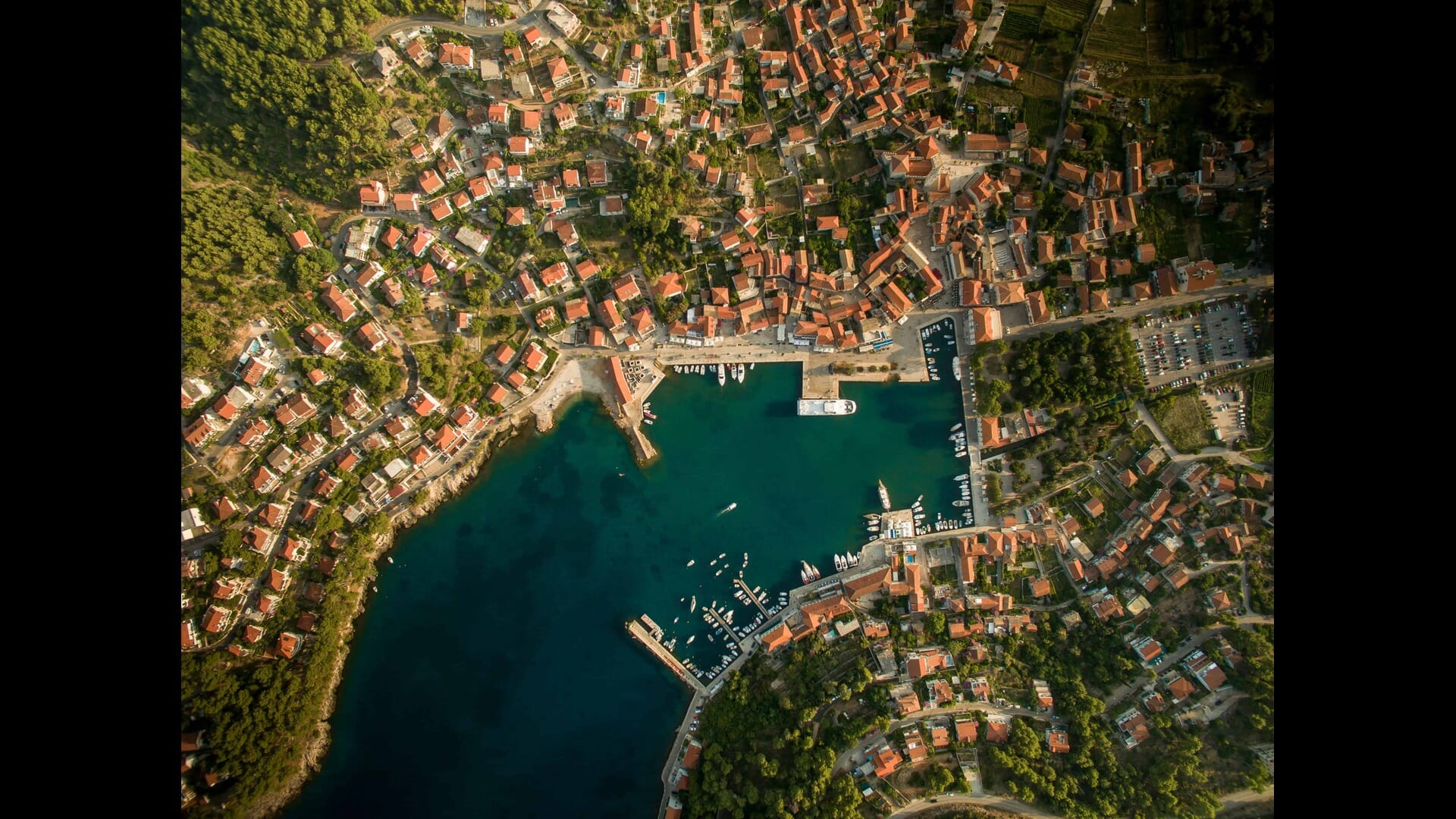
Exploring the Rich History and Culture of Rijeka: A Comprehensive Travel Guide
Exploring the Rich History and Culture of Rijeka: A Comprehensive Travel Guide
Rijeka, a port city nestled along the northern Adriatic coast of Croatia, is a hidden gem that combines rich history, vibrant culture, and stunning architecture. Known for its bustling harbor, Rijeka is the third-largest city in Croatia and offers a unique blend of Mediterranean charm and Central European influences.
This travel guide will take you through the historic streets of Rijeka, exploring its fascinating past, cultural landmarks, and culinary delights. Whether you’re a history buff, an architecture enthusiast, or a foodie, Rijeka has something to offer everyone.
The Historical Significance of Rijeka: A Brief Overview
Rijeka's history is as diverse as its architecture. Originally inhabited by the Romans, the city has seen various rulers, including the Venetians, Austrians, and Italians. Each of these cultures has left an indelible mark on the city, contributing to its unique character. The city’s strategic location along the Adriatic Sea made it a vital trade route, and its port has been a hub of commerce for centuries. Today, Rijeka is a testament to its rich past, with numerous historical sites and museums that tell the story of its evolution.
How to Get to Rijeka: Travel Tips and Transportation Options
Getting to Rijeka is relatively easy, thanks to its well-connected transportation network. The city is accessible by air, road, and rail. The nearest airport is Rijeka Airport (RJK), located about 30 kilometers from the city center. International flights connect Rijeka to major European cities, making it a convenient destination for travelers. Alternatively, you can reach Rijeka by bus or train from other Croatian cities, such as Zagreb or Split. Once in Rijeka, public transportation, including buses and taxis, makes it easy to navigate the city.
Top Attractions in Rijeka: Must-See Landmarks and Sites
Rijeka is brimming with attractions that showcase its rich history and culture. Here are some of the must-see landmarks:
1. Trsat Castle: A Glimpse into Rijeka's Medieval Past
Perched on a hill overlooking the city, Trsat Castle is a medieval fortress that dates back to the 13th century. The castle offers stunning panoramic views of Rijeka and the Kvarner Bay. Visitors can explore the castle’s towers, ramparts, and the charming chapel within its grounds. The castle is also a popular venue for cultural events and concerts, adding to its allure.
2. The City Tower: A Symbol of Rijeka
The City Tower, or Gradski Toranj, is one of Rijeka's most recognizable landmarks. Built in the 17th century, this clock tower stands at the entrance to the old town and is adorned with a baroque façade. Climb to the top for breathtaking views of the city and the harbor. The tower is a perfect spot for photography enthusiasts looking to capture the essence of Rijeka.
3. Rijeka Cathedral: A Testament to Religious Heritage
The Cathedral of St. Vitus, located in the heart of Rijeka, is a stunning example of baroque architecture. Its intricate façade and beautifully decorated interior make it a must-visit for anyone interested in religious history. The cathedral houses several important relics and artworks, including a magnificent altar and stunning frescoes that depict biblical scenes.
4. The Korzo: Rijeka's Vibrant Promenade
The Korzo is Rijeka's main promenade, bustling with life and energy. Lined with shops, cafes, and restaurants, it’s the perfect place to soak in the local atmosphere. Take a leisurely stroll along the promenade, enjoy a cup of coffee, and watch the world go by. The Korzo is also home to various events and festivals throughout the year, making it a lively hub of activity.
5. The Maritime and History Museum of the Croatian Coast
For those interested in maritime history, the Maritime and History Museum of the Croatian Coast is a must-visit. Housed in a beautiful baroque palace, the museum showcases Rijeka's rich maritime heritage through a collection of artifacts, ship models, and historical documents. The exhibits provide insight into the city’s naval history and its significance as a port.
6. The Croatian National Theatre Ivan pl. Zajc
The Croatian National Theatre Ivan pl. Zajc is a cultural gem in Rijeka, known for its stunning architecture and vibrant performances. The theatre hosts a variety of events, including opera, ballet, and drama. Attending a performance here is a fantastic way to experience Rijeka's cultural scene and appreciate its artistic heritage.
Exploring Rijeka's Neighborhoods: A Cultural Journey
Rijeka is made up of several distinct neighborhoods, each with its own character and charm. Exploring these areas will give you a deeper understanding of the city’s culture and history.
1. The Old Town: A Walk Through History
The Old Town of Rijeka is a maze of narrow streets and historic buildings that transport you back in time. Here, you can find charming squares, quaint shops, and local eateries. Don’t miss the opportunity to visit the Church of St. Mary of the Assumption, a beautiful baroque church with stunning interiors. The Old Town is also home to several art galleries and cultural institutions, making it a vibrant hub for creativity.
2. The Port Area: Where History Meets Modernity
The port area of Rijeka is a fascinating blend of historical significance and modern development. Here, you can see the remnants of Rijeka's industrial past, with old warehouses and factories juxtaposed against contemporary architecture. The waterfront promenade is perfect for a leisurely stroll, and you can enjoy fresh seafood at one of the many restaurants overlooking the harbor.
3. The Pećine Neighborhood: A Local Perspective
For a more local experience, head to the Pećine neighborhood. This residential area is known for its stunning views of the sea and the surrounding hills. Here, you can find local markets, bakeries, and cafes where you can sample traditional Croatian pastries and coffee. The neighborhood is also home to several parks and green spaces, perfect for a relaxing afternoon.
Culinary Delights: What to Eat in Rijeka
Rijeka's culinary scene is a reflection of its diverse cultural influences. From traditional Croatian dishes to international cuisine, there’s something for every palate. Here are some local specialties you must try:
1. Fresh Seafood
Being a port city, Rijeka is known for its fresh seafood. Visit one of the local fish markets or seaside restaurants to savor dishes like grilled fish, calamari, and seafood risotto. Pair your meal with a glass of local white wine for the perfect dining experience.
2. Šurlice: A Traditional Pasta Dish
Šurlice is a traditional pasta dish from the region, made from flour and water. It’s typically served with a rich meat sauce or a simple olive oil and garlic dressing. This hearty dish is a must-try for anyone looking to experience authentic Croatian cuisine.
3. Fritule: A Sweet Treat
For dessert, indulge in fritule, small fried doughnuts that are often flavored with lemon and dusted with powdered sugar. These delightful treats are popular during festivals and are a perfect way to satisfy your sweet tooth.
Cultural Events and Festivals in Rijeka
Rijeka is a city that loves to celebrate its culture and heritage. Throughout the year, various events and festivals take place, showcasing local traditions, music, and art.
1. Rijeka Carnival
The Rijeka Carnival is one of the largest and most famous carnivals in Croatia. Held annually in February, the carnival features colorful parades, elaborate costumes, and lively music. It’s a fantastic opportunity to immerse yourself in the local culture and experience the festive spirit of Rijeka.
2. Rijeka Summer Nights
During the summer months, Rijeka comes alive with the Rijeka Summer Nights festival. This cultural event features concerts, theater performances, and art exhibitions throughout the city. It’s a great way to enjoy the warm evenings while experiencing the vibrant arts scene.
3. The International Festival of Alternative and New Theatre (IFAN)
For theater enthusiasts, the IFAN festival is a must-visit. Held annually, this festival showcases innovative and experimental performances from local and international artists. It’s an excellent opportunity to discover new talent and engage with the contemporary theater scene.
Practical Tips for Visiting Rijeka
When planning your trip to Rijeka, here are some practical tips to ensure a smooth and enjoyable experience:
1. Best Time to Visit Rijeka
The best time to visit Rijeka is during the spring (April to June) and fall (September to October) when the weather is pleasant, and the tourist crowds are smaller. Summer can be hot and crowded, especially during the carnival season.
2. Currency and Payment
The currency used in Croatia is the Euro (EUR). Credit cards are widely accepted in most establishments, but it’s always a good idea to carry some cash for smaller vendors and markets.
3. Language
While Croatian is the official language, many locals speak English, especially in tourist areas. Learning a few basic Croatian phrases can enhance your experience and help you connect with the locals.
4. Safety and Health
Rijeka is generally a safe city for travelers. However, it’s always wise to take standard safety precautions, such as keeping an eye on your belongings and avoiding poorly lit areas at night. Make sure to have travel insurance that covers health emergencies.
Conclusion: Why Rijeka Should Be on Your Travel List
Rijeka is a city that beautifully blends history, culture, and modernity. Its rich heritage, stunning architecture, and vibrant atmosphere make it a destination worth exploring. Whether you’re wandering through the cobblestone streets of the Old Town, savoring delicious local cuisine, or enjoying the lively festivals, Rijeka offers a unique experience that will leave a lasting impression. So pack your bags and get ready to discover the historic city of Rijeka – a true hidden gem on the Adriatic coast.