
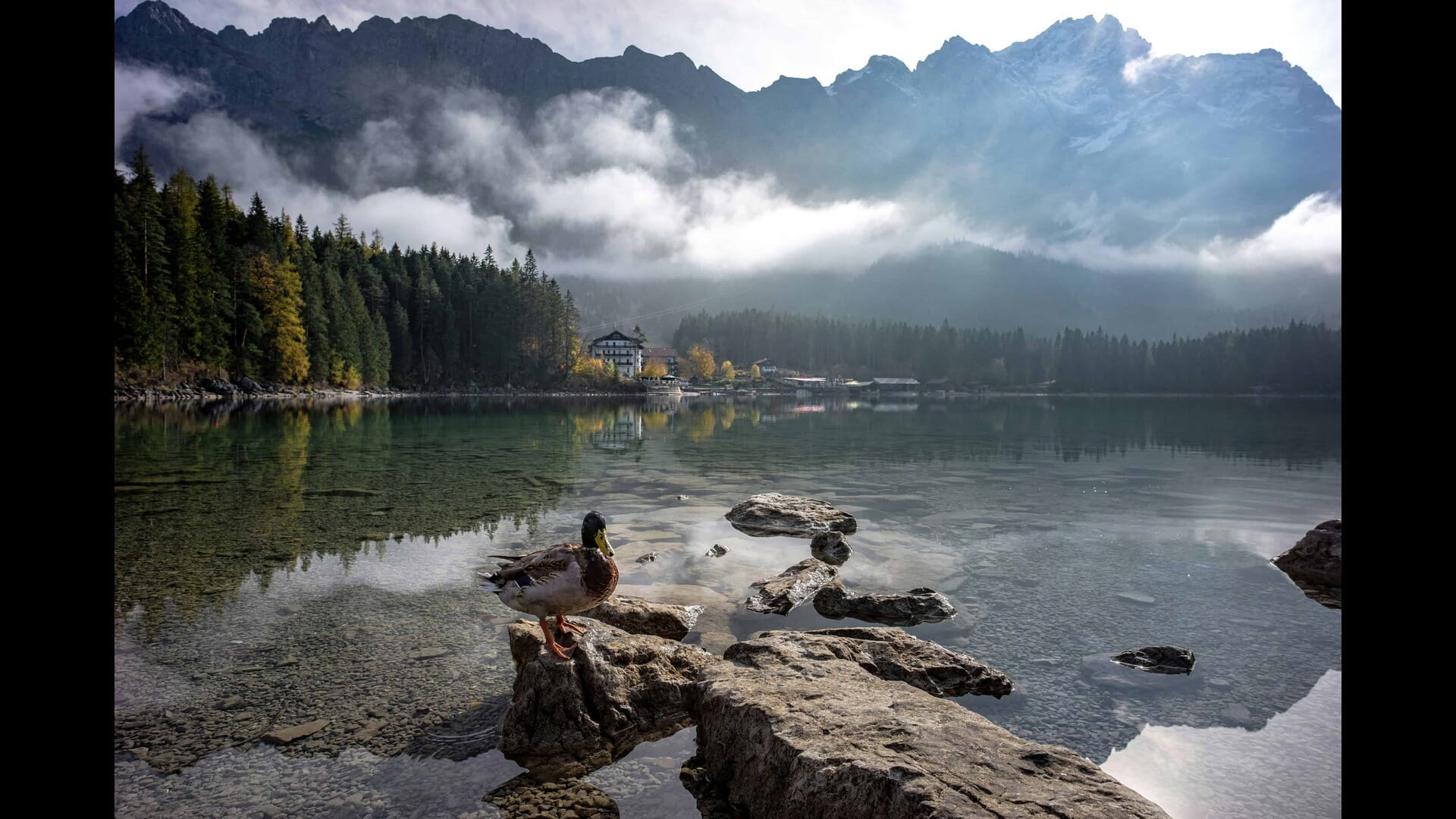
Hiking in the Black Forest: A Nature Lover’s Guide
Hiking in the Black Forest: A Nature Lover’s Guide
The Black Forest, or Schwarzwald as it’s known in German, is a stunning mountain range located in southwestern Germany. Renowned for its dense forests, picturesque villages, and rich folklore, the Black Forest is a paradise for nature lovers and hiking enthusiasts alike.
With over 23,000 kilometers of well-marked trails, this region offers something for everyone—from leisurely strolls to challenging hikes. In this comprehensive guide, we’ll explore the best hiking routes, essential tips, and hidden gems that make hiking in the Black Forest an unforgettable experience.
1. Understanding the Black Forest: Geography and Climate
The Black Forest spans approximately 6,000 square kilometers and is bordered by the Rhine River to the west. Its name derives from the dense canopy of fir and spruce trees that create a dark, shadowy landscape. The region is characterized by rolling hills, deep valleys, and charming villages that seem to have sprung from the pages of a fairy tale.
Geography of the Black Forest
The Black Forest is divided into several distinct areas, each offering unique landscapes and hiking opportunities. The highest peak, Feldberg, rises to 1,493 meters and provides breathtaking panoramic views. The region is also home to numerous lakes, rivers, and waterfalls, making it a haven for outdoor activities.
Climate Considerations
The climate in the Black Forest varies significantly with altitude. The lower elevations experience a temperate climate, while the higher areas can be quite chilly, especially in winter. The best time to hike in the Black Forest is during spring and autumn when the weather is mild, and the foliage is vibrant. Summer can be warm, but the dense forests provide ample shade.
2. Essential Hiking Gear for the Black Forest
Before embarking on your hiking adventure in the Black Forest, it’s crucial to equip yourself with the right gear. The terrain can vary from well-trodden paths to rugged trails, so preparation is key.
Footwear
Invest in a good pair of hiking boots that provide ankle support and have a sturdy grip. Waterproof boots are recommended, especially if you plan to hike during or after rain.
Clothing
Dress in layers to accommodate changing weather conditions. A moisture-wicking base layer, an insulating mid-layer, and a waterproof outer layer will keep you comfortable throughout your hike. Don’t forget a hat and sunglasses for sun protection.
Navigation Tools
While the trails are well-marked, carrying a map or a GPS device is advisable. Download hiking apps that work offline to help you navigate the trails easily.
Hydration and Snacks
Stay hydrated by carrying enough water for your hike. Energy-boosting snacks like nuts, dried fruits, and energy bars will keep you fueled along the way.
3. Best Hiking Trails in the Black Forest
The Black Forest is home to a variety of hiking trails that cater to different skill levels. Here are some of the best hiking trails that you should not miss:
3.1. Feldberg Summit Trail
Difficulty: Moderate
Distance: 12 km (7.5 miles)
Duration: 4 hours
Highlights: Panoramic views, diverse flora and fauna
The Feldberg Summit Trail takes you to the highest peak in the Black Forest. Starting from the Feldberg mountain station, the trail winds through lush forests and rocky outcrops. As you ascend, you’ll be rewarded with stunning views of the surrounding mountains and valleys. The summit offers a viewing platform where you can take in the breathtaking scenery.
3.2. The Westweg Trail
Difficulty: Challenging
Distance: 285 km (177 miles)
Duration: 10-14 days
Highlights: Scenic landscapes, historical sites
The Westweg is one of the most famous long-distance hiking trails in Germany. Stretching from Pforzheim to Basel, this trail takes you through the heart of the Black Forest. Along the way, you’ll encounter charming villages, ancient castles, and stunning vistas. The trail is well-marked, but be prepared for some steep ascents and descents.
3.3. The Schluchtensteig Trail
Difficulty: Moderate to challenging
Distance: 119 km (74 miles)
Duration: 5-7 days
Highlights: Gorges, waterfalls, diverse wildlife
The Schluchtensteig Trail is a circular route that takes you through the breathtaking gorges of the Black Forest. This trail is known for its dramatic landscapes, including steep cliffs and cascading waterfalls. Along the way, you’ll have the chance to spot various wildlife, including deer and rare bird species.
3.4. The Mummelsee Circular Trail
Difficulty: Easy
Distance: 4 km (2.5 miles)
Duration: 1 hour
Highlights: Scenic lake, folklore
For families or those looking for a leisurely hike, the Mummelsee Circular Trail is perfect. This easy trail encircles the picturesque Mummelsee, a glacial lake surrounded by legends of mermaids and mystical creatures. Enjoy the serene atmosphere and take a break at one of the lakeside cafes.
3.5. The Wutach Gorge Trail
Difficulty: Moderate
Distance: 12 km (7.5 miles)
Duration: 4 hours
Highlights: Unique rock formations, lush vegetation
The Wutach Gorge Trail is a hidden gem that showcases the natural beauty of the Black Forest. The trail follows the Wutach River through a narrow gorge, featuring stunning rock formations and diverse plant life. Keep an eye out for the vibrant colors of wildflowers in spring.
4. Safety Tips for Hiking in the Black Forest
While hiking in the Black Forest can be a thrilling experience, it’s essential to prioritize safety. Here are some tips to ensure a safe and enjoyable hike:
4.1. Stay on Marked Trails
To protect the environment and ensure your safety, always stick to marked trails. Venturing off the path can lead to dangerous situations and damage to the ecosystem.
4.2. Check Weather Conditions
Before heading out, check the weather forecast. Sudden changes in weather can occur, especially in the mountains. Be prepared for rain or cooler temperatures, even in summer.
4.3. Hike with a Buddy
Whenever possible, hike with a partner. Not only is it safer, but it also enhances the experience as you share the beauty of nature together.
4.4. Inform Someone of Your Plans
Let someone know your hiking route and expected return time. This is especially important for longer hikes or if you’re venturing into less populated areas.
4.5. Carry a First Aid Kit
Accidents can happen, so it’s wise to carry a basic first aid kit. Include items like band-aids, antiseptic wipes, and any personal medications you may need.
5. Family-Friendly Hiking in the Black Forest
The Black Forest is an excellent destination for families, offering a variety of easy and enjoyable hiking trails. Here are some family-friendly hikes that will keep both kids and adults engaged:
5.1. The Baumwipfelpfad (Treetop Walk)
Difficulty: Easy
Distance: 1.5 km (0.9 miles)
Duration: 1 hour
Highlights: Elevated views, educational exhibits
The Baumwipfelpfad is a unique treetop walk that allows families to explore the forest from above. The wooden walkway winds through the treetops, providing stunning views of the forest canopy. Along the way, there are educational exhibits that teach visitors about the local ecosystem.
5.2. The Gengenbach Nature Trail
Difficulty: Easy
Distance: 6 km (3.7 miles)
Duration: 2 hours
Highlights: Scenic views, picnic spots
This easy trail near the charming town of Gengenbach is perfect for families. The trail meanders through beautiful landscapes, with plenty of spots for a picnic. Kids will love spotting wildlife and enjoying the fresh air.
5.3. The Triberg Waterfalls Trail
Difficulty: Easy to moderate
Distance: 2 km (1.2 miles)
Duration: 1 hour
Highlights: Stunning waterfalls, interactive exhibits
The Triberg Waterfalls are among the highest in Germany, and the trail leading to them is family-friendly. The path is well-maintained, and there are several viewpoints to admire the cascading water. The area also features interactive exhibits about the local flora and fauna.
6. Discovering Local Flora and Fauna in the Black Forest
The Black Forest is not only known for its stunning landscapes but also for its rich biodiversity. As you hike through the region, you’ll encounter a variety of plant and animal species that call this area home.
6.1. Unique Plant Life
The Black Forest is characterized by its dense coniferous forests, but it also boasts a variety of deciduous trees, including beech and oak. In spring, the forest floor comes alive with wildflowers such as orchids, anemones, and violets. The region is also known for its medicinal herbs, many of which have been used in traditional medicine for centuries.
6.2. Wildlife Spotting
As you hike, keep an eye out for the diverse wildlife that inhabits the Black Forest. Common sightings include deer, foxes, and wild boar. Birdwatchers will be delighted by the variety of bird species, including woodpeckers, owls, and eagles. For a chance to see these animals in their natural habitat, consider hiking during the early morning or late afternoon.
7. Cultural Experiences Along the Hiking Trails
The Black Forest is rich in culture and history, and many hiking trails lead you through charming villages and historical sites. Here are some cultural experiences to enhance your hiking adventure:
7.1. Traditional Black Forest Villages
As you hike, take the time to explore the traditional villages that dot the landscape. Villages like Triberg, Gengenbach, and Baden-Baden are known for their half-timbered houses, cobblestone streets, and welcoming atmosphere. Stop by local bakeries to sample the famous Black Forest cake, a delicious chocolate dessert layered with cherries and whipped cream.
7.2. Historical Landmarks
The Black Forest is home to several historical landmarks worth visiting. The Hohenzollern Castle, perched on a hilltop, offers a glimpse into the region’s royal history. The ruins of the Zavelstein Castle provide stunning views and a sense of adventure as you explore the remnants of this medieval fortress.
7.3. Local Festivals and Events
Depending on when you visit, you may have the opportunity to experience local festivals celebrating the region’s culture. The Black Forest Carnival, held in various towns, features colorful parades, traditional costumes, and lively music. The Christmas markets in December are also a magical experience, with stalls selling handmade crafts and delicious treats.
8. Sustainable Hiking Practices in the Black Forest
As nature lovers, it’s essential to practice sustainable hiking to preserve the beauty of the Black Forest for future generations. Here are some tips for responsible hiking:
8.1. Leave No Trace
Follow the Leave No Trace principles by packing out what you pack in. Dispose of waste properly and avoid leaving any litter behind.
8.2. Stay on Designated Paths
Staying on marked trails helps protect the delicate ecosystems of the Black Forest. Avoid creating new paths, as this can lead to soil erosion and damage to native plants.
8.3. Respect Wildlife
Observe wildlife from a distance and do not feed or approach animals. Feeding wildlife can disrupt their natural behaviors and lead to dependency on human food.
8.4. Support Local Businesses
Consider supporting local businesses by purchasing handmade crafts or dining at local restaurants. This helps sustain the communities that rely on tourism while providing you with an authentic experience.
9. Preparing for Your Hiking Trip to the Black Forest
Planning your hiking trip to the Black Forest involves several steps to ensure a smooth and enjoyable experience. Here’s a checklist to help you prepare:
9.1. Research Hiking Trails
Before your trip, research the hiking trails that interest you. Consider the difficulty level, distance, and duration to find hikes that suit your skill level and time constraints.
9.2. Book Accommodations
If you plan to hike for multiple days, consider booking accommodations in advance. Options range from cozy guesthouses to hotels, providing various amenities to suit your preferences.
9.3. Transportation Arrangements
Plan your transportation to and from the Black Forest. The region is accessible by train, bus, and car, with several parking areas available near popular hiking trails.
9.4. Create an Itinerary
Draft an itinerary that includes your hiking routes, accommodations, and any cultural experiences you wish to explore. This will help you make the most of your time in the Black Forest.
10. Conclusion: Embrace the Beauty of the Black Forest
Hiking in the Black Forest is an experience that combines stunning natural beauty, rich culture, and a sense of adventure. Whether you’re a seasoned hiker or a family looking for a leisurely stroll, the Black Forest has something to offer everyone. By following this guide, you’ll be well-equipped to explore the breathtaking trails, discover hidden gems, and create unforgettable memories in this enchanting region. So lace up your hiking boots, pack your gear, and get ready to embrace the beauty of the Black Forest!
With its diverse landscapes, rich biodiversity, and cultural heritage, the Black Forest is a must-visit destination for nature lovers and hiking enthusiasts. From challenging mountain trails to family-friendly walks, this region offers endless opportunities for exploration and adventure. So, what are you waiting for? Start planning your hiking trip to the Black Forest today!