
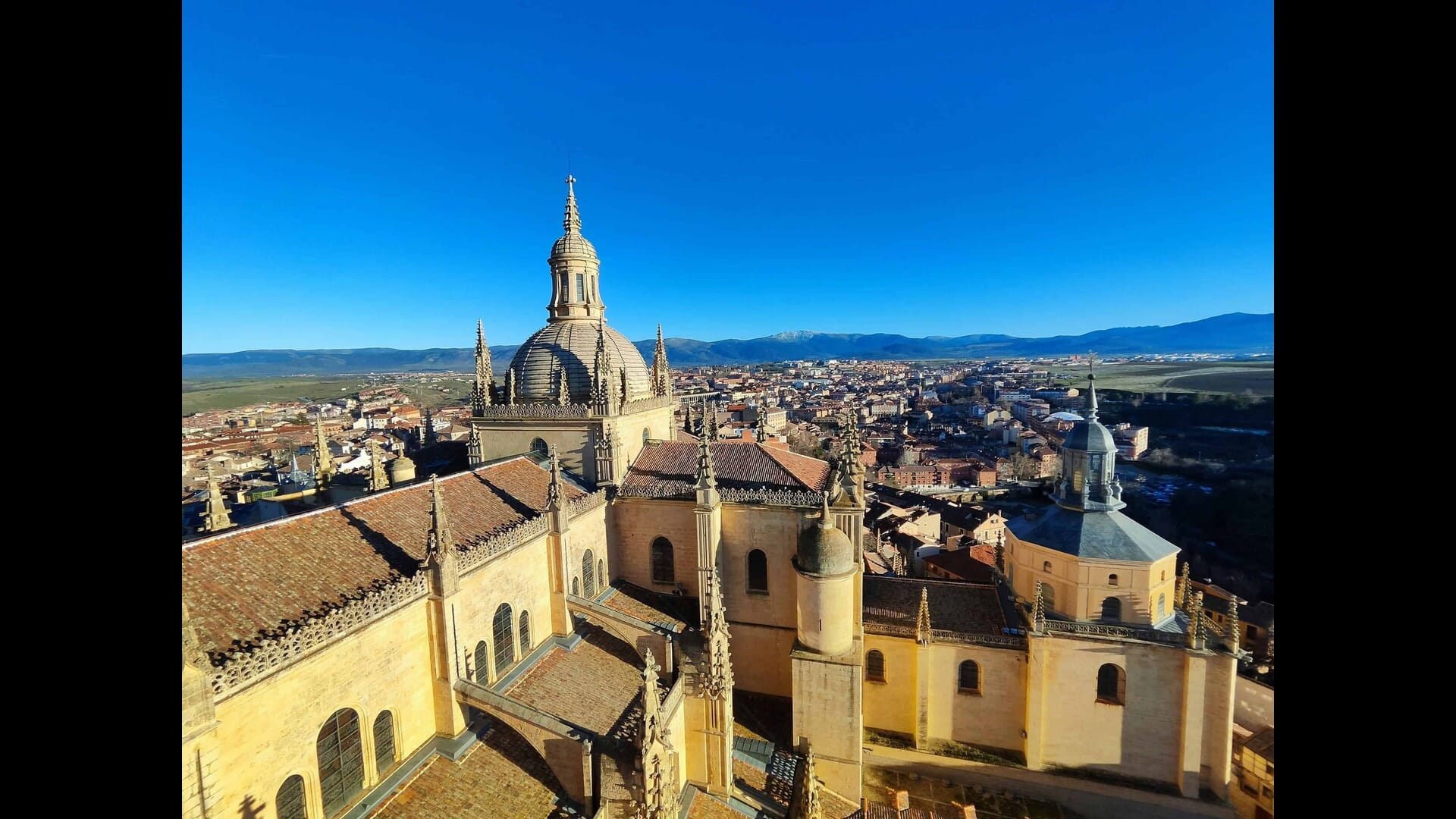
A Guide to Spain's Most Famous Landmarks
A Guide to Spain's Most Famous Landmarks
Spain is a country rich in history, culture, and breathtaking landscapes. From the majestic mountains of the Pyrenees to the sun-kissed beaches of the Costa del Sol, Spain is home to some of the most famous landmarks in the world. This guide will take you on a journey through Spain's iconic sites, exploring their history, significance, and the best ways to experience them.
Whether you are a history buff, an architecture enthusiast, or simply looking to soak in the vibrant culture, this guide will help you navigate through Spain's most famous landmarks.
1. The Alhambra: A Jewel of Moorish Architecture
The History of the Alhambra
The Alhambra, a UNESCO World Heritage Site, is a stunning palace and fortress complex located in Granada. Built during the mid-13th century by the Nasrid Dynasty, it reflects the artistic and architectural achievements of the Islamic Golden Age. The name 'Alhambra' translates to 'the red one,' a reference to the reddish hues of the clay used in its construction.
Architectural Marvels of the Alhambra
As you approach the Alhambra, the intricate details of its Islamic architecture become apparent. The complex is divided into several sections, including the Nasrid Palaces, the Generalife gardens, and the Alcazaba fortress. The delicate stucco work, ornate tile mosaics, and tranquil water features create a serene atmosphere that transports visitors back in time.
Visiting the Alhambra
To truly appreciate the Alhambra, it's recommended to book your tickets in advance, especially during peak tourist season. Guided tours are available, providing insights into the history and significance of this architectural wonder. Don't forget to explore the Generalife gardens, where you can enjoy breathtaking views of the city of Granada.
2. Sagrada Familia: Gaudí's Unfinished Masterpiece
The Vision Behind Sagrada Familia
The Basílica de la Sagrada Família in Barcelona is one of the most recognizable landmarks in Spain. Designed by the renowned architect Antoni Gaudí, construction began in 1882 and continues to this day. Gaudí's vision for the Sagrada Familia was to create a church that would reflect the glory of God through nature-inspired designs.
Architectural Features of Sagrada Familia
The Sagrada Familia is a fusion of Gothic and Art Nouveau styles, characterized by its towering spires and intricate facades. The Nativity Facade, adorned with biblical scenes, and the Passion Facade, depicting the crucifixion, are must-see features. Inside, the columns resemble trees, creating a forest-like atmosphere that enhances the spiritual experience.
Tips for Visiting Sagrada Familia
To avoid long lines, purchase your tickets online and consider opting for a guided tour. The best time to visit is early in the morning or late in the afternoon when the light filters through the stained glass, casting colorful reflections on the interior.
3. The Colosseum of Spain: The Roman Theatre of Mérida
A Glimpse into Roman History
The Roman Theatre of Mérida, located in the Extremadura region, is one of the best-preserved ancient theatres in the world. Built in 15 BC, it was used for theatrical performances and could accommodate up to 6,000 spectators. The theatre is a testament to the Roman Empire's architectural prowess and cultural influence.
Exploring the Roman Theatre
Visitors can walk through the ancient ruins, marveling at the impressive stage and seating areas. The theatre is still in use today, hosting performances during the annual Mérida Classical Theatre Festival, which attracts visitors from around the globe.
How to Get There
Mérida is easily accessible by train or bus from major cities like Madrid and Seville. Once in Mérida, the Roman Theatre is within walking distance of other historical sites, including the Roman Temple of Diana and the Alcazaba.
4. The Tower of Hercules: A Beacon of History
The Significance of the Tower of Hercules
The Tower of Hercules, located in A Coruña, is the oldest Roman lighthouse still in use today. Built in the 2nd century AD, it stands at 55 meters tall and has been designated a UNESCO World Heritage Site. The lighthouse has guided sailors safely into the harbor for centuries, making it an essential landmark in maritime history.
Climbing the Tower
Visitors can climb the 234 steps to the top of the tower for panoramic views of the Atlantic Ocean and the surrounding coastline. The journey to the top is well worth it, as the breathtaking vistas provide a unique perspective on the rugged beauty of Galicia.
Nearby Attractions
While visiting the Tower of Hercules, take the time to explore the nearby park, which features beautiful gardens and sculptures. The area is perfect for a leisurely stroll, allowing you to soak in the natural beauty of the coastline.
5. The Mezquita-Catedral: A Fusion of Cultures
The History of the Mezquita-Catedral
The Mezquita-Catedral in Córdoba is a stunning example of the coexistence of different cultures throughout history. Originally built as a mosque in the 8th century, it was converted into a cathedral in the 13th century. This architectural marvel showcases the intricate artistry of both Islamic and Christian influences.
Architectural Highlights
The Mezquita-Catedral is famous for its stunning arches and columns, which create a mesmerizing effect as you walk through the vast prayer hall. The Mihrab, a beautifully decorated niche that indicates the direction of Mecca, is a highlight of the mosque's original design. The juxtaposition of Gothic, Renaissance, and Baroque elements within the cathedral adds to its unique charm.
Visiting Tips
To fully appreciate the Mezquita-Catedral, consider joining a guided tour that delves into its rich history. Early morning visits are recommended to avoid crowds and enjoy the peaceful atmosphere.
6. Park Güell: Gaudí's Colorful Playground
The Vision of Park Güell
Park Güell, another masterpiece by Antoni Gaudí, is a public park located in Barcelona. Originally designed as a residential project, it was transformed into a public park in 1926. The park is a vibrant display of Gaudí's unique style, characterized by colorful mosaics, organic shapes, and whimsical structures.
Highlights of Park Güell
As you wander through Park Güell, you'll encounter the iconic serpentine bench, the colorful dragon fountain, and the enchanting Hypostyle Room, supported by 86 columns. The park offers stunning views of Barcelona, making it a perfect spot for photography and relaxation.
Tips for Visiting Park Güell
To access the monumental zone of Park Güell, where the most famous structures are located, you need to purchase a ticket. It's advisable to visit early in the morning or late in the afternoon to avoid the crowds and enjoy the tranquility of the park.
7. The Royal Palace of Madrid: A Glimpse into Royal Life
The History of the Royal Palace
The Royal Palace of Madrid is the official residence of the Spanish royal family, although it is primarily used for ceremonial purposes. Built in the 18th century, the palace boasts over 3,000 rooms and is one of the largest palaces in Europe. Its opulent architecture and rich history make it a must-visit landmark.
Exploring the Royal Palace
Visitors can explore the lavishly decorated rooms, including the Throne Room, the Royal Chapel, and the grand staircase. The palace also houses an impressive collection of art, including works by renowned artists such as Goya and Velázquez.
Tips for Visiting the Royal Palace
To avoid long lines, consider purchasing your tickets online. Guided tours are available, providing insights into the history and significance of the palace. Don't miss the beautiful gardens surrounding the palace, perfect for a leisurely stroll.
8. The Guggenheim Museum: A Modern Architectural Marvel
The Vision Behind the Guggenheim Museum
The Guggenheim Museum in Bilbao is a contemporary art museum designed by architect Frank Gehry. Opened in 1997, the museum's innovative design, characterized by its organic shapes and titanium cladding, has made it an iconic landmark in the Basque Country.
Exploring the Guggenheim Museum
The museum houses an impressive collection of modern and contemporary art, featuring works by artists such as Jeff Koons, Richard Serra, and Anish Kapoor. The museum's exterior is as much a work of art as the pieces it contains, making it a popular spot for photography.
Tips for Visiting the Guggenheim Museum
To make the most of your visit, consider joining a guided tour that provides insights into the architecture and the artworks on display. The museum also hosts temporary exhibitions, so be sure to check the schedule before your visit.
9. The Alcázar of Seville: A Royal Fortress
The History of the Alcázar
The Alcázar of Seville is a stunning royal palace originally developed by Moorish Muslim kings. Its intricate architectural style reflects the cultural fusion of Christian and Islamic influences. The Alcázar is a UNESCO World Heritage Site and is one of the oldest palaces still in use in Europe.
Architectural Highlights
As you explore the Alcázar, you'll be captivated by the stunning Mudéjar architecture, lush gardens, and intricate tile work. The Hall of Ambassadors, with its magnificent dome, is a highlight of the palace. The gardens, filled with fountains and exotic plants, provide a tranquil escape from the bustling city.
Visiting Tips for the Alcázar
To avoid long lines, book your tickets in advance. Guided tours are available, offering insights into the history and significance of the Alcázar. Early morning visits are recommended for a quieter experience.
10. The Camino de Santiago: A Pilgrimage of a Lifetime
The Significance of the Camino de Santiago
The Camino de Santiago, or the Way of St. James, is a network of pilgrimage routes leading to the shrine of the apostle Saint James in Santiago de Compostela. This ancient pilgrimage has been undertaken for centuries and is recognized as a UNESCO World Heritage Site.
Walking the Camino
The Camino offers various routes, each with its unique landscapes and cultural experiences. The most popular route, the Camino Francés, stretches over 780 kilometers from the French border to Santiago. Along the way, you'll encounter charming villages, historic landmarks, and breathtaking scenery.
Tips for Pilgrims
If you're considering walking the Camino, plan your route in advance and ensure you have the necessary gear. Many pilgrims choose to walk the Camino in stages, allowing for a more leisurely experience. Don't forget to collect your Compostela certificate upon reaching Santiago, a testament to your journey.
Conclusion: Embrace the Richness of Spain's Landmarks
Spain's famous landmarks are not just architectural marvels; they are windows into the country's rich history and diverse culture. From the intricate designs of the Alhambra to the modern innovation of the Guggenheim Museum, each site tells a story that reflects the spirit of Spain. As you embark on your journey to explore these iconic landmarks, take the time to immerse yourself in the local culture, savor the cuisine, and connect with the history that has shaped this beautiful country. Whether you're wandering through the streets of Barcelona or hiking the Camino de Santiago, Spain's landmarks will leave an indelible mark on your heart and soul.