
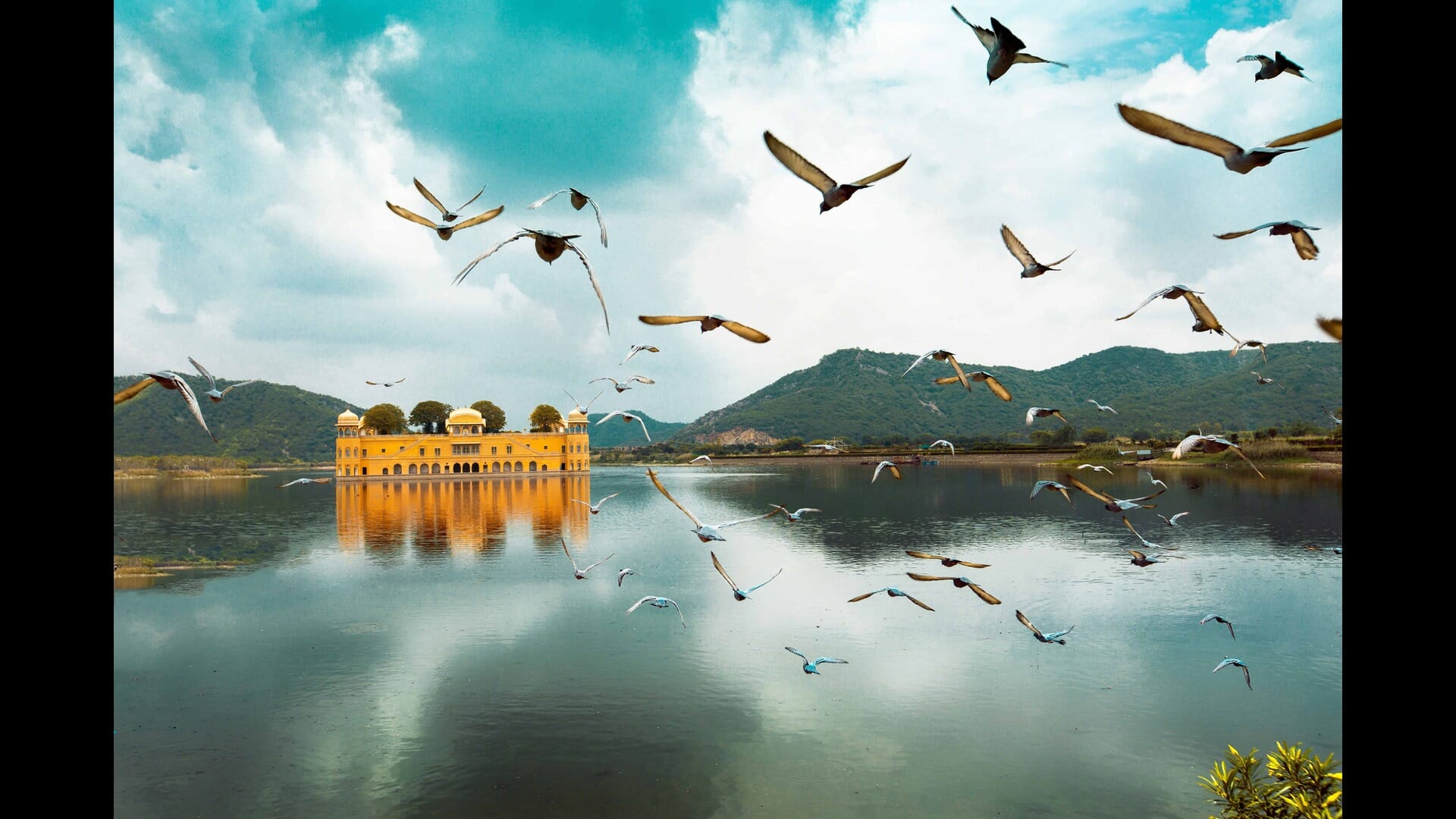
A Guide to India’s Most Beautiful Forts and Palaces
A Guide to India’s Most Beautiful Forts and Palaces
India, a land steeped in history and culture, is home to some of the most magnificent forts and palaces in the world. These architectural wonders tell stories of valor, romance, and the rich heritage of the Indian subcontinent. From the majestic forts of Rajasthan to the serene palaces of the South, this guide will take you on a journey through India’s most beautiful forts and palaces, showcasing their unique architecture, historical significance, and the experiences they offer.
The Allure of India’s Forts and Palaces
Forts and palaces in India are not just structures; they are the embodiment of the country’s rich history and culture. Each fort and palace has a story to tell, reflecting the grandeur of the dynasties that built them. The intricate carvings, expansive courtyards, and stunning frescoes are a testament to the craftsmanship of the artisans of yore. Whether you are a history buff, an architecture enthusiast, or a traveler seeking beauty, India’s forts and palaces offer something for everyone.
1. The Majestic Amber Fort in Jaipur
A Glimpse into Amber Fort’s History
Amber Fort, located just outside Jaipur, is a stunning example of Rajput architecture. Built in the 16th century by Raja Man Singh I, this fort is a UNESCO World Heritage Site and is known for its artistic blend of Hindu and Mughal styles. The fort is perched on a hill, offering breathtaking views of the surrounding landscape.
Architectural Marvels of Amber Fort
As you enter through the grand Suraj Pol (Sun Gate), you are greeted by a series of courtyards, gardens, and palaces. The Sheesh Mahal (Mirror Palace) is a highlight, adorned with intricate mirror work that reflects light in mesmerizing patterns. The fort’s walls are decorated with beautiful frescoes and intricate carvings, showcasing the artistic brilliance of the time.
Visiting Amber Fort
A visit to Amber Fort is incomplete without exploring its many chambers, including the Diwan-e-Aam (Hall of Public Audience) and the Diwan-e-Khas (Hall of Private Audience). Don’t forget to take an elephant ride up to the fort for a truly royal experience. The best time to visit is during the cooler months from October to March.
2. The Enigmatic Mehrangarh Fort in Jodhpur
The History Behind Mehrangarh Fort
Standing tall over the blue city of Jodhpur, Mehrangarh Fort is one of the largest forts in India. Built in 1459 by Rao Jodha, the fort is a magnificent example of Rajput military architecture. Its imposing walls and strategic location make it a formidable structure that has withstood the test of time.
Exploring the Fort’s Grandeur
As you enter the fort through the seven gates, each with its own story, you are transported back in time. The fort houses several palaces, including the Moti Mahal (Pearl Palace) and the Phool Mahal (Flower Palace), each adorned with exquisite carvings and intricate details. The fort also features a museum that showcases royal artifacts, weapons, and paintings.
Experiencing Mehrangarh Fort
The fort offers stunning panoramic views of Jodhpur and the surrounding desert landscape. Don’t miss the sunset from the fort’s ramparts, as the golden hues illuminate the blue houses below. The fort also hosts cultural events and music festivals, making it a vibrant hub of activity.
3. The Splendor of Udaipur’s City Palace
A Historical Overview of City Palace
The City Palace in Udaipur is a magnificent complex that reflects the grandeur of the Mewar dynasty. Built over a period of 400 years, the palace showcases a fusion of Rajasthani and Mughal architectural styles. Its intricate peacock mosaics and stunning courtyards make it a must-visit destination.
Architectural Highlights of City Palace
As you explore the City Palace, you will encounter several palaces within the complex, including the Zenana Mahal (Queen’s quarters) and the Durbar Hall (Royal court). The palace is adorned with beautiful glasswork, mirror inlays, and stunning paintings that depict the royal lifestyle.
Visiting the City Palace
The City Palace offers breathtaking views of Lake Pichola and the surrounding hills. A boat ride on the lake is a perfect way to experience the beauty of Udaipur. The best time to visit is during the winter months when the weather is pleasant.
4. The Grandeur of Fatehpur Sikri
The Historical Significance of Fatehpur Sikri
Fatehpur Sikri, a UNESCO World Heritage Site, was built by Mughal Emperor Akbar in the late 16th century. This city was once the capital of the Mughal Empire and is known for its stunning architecture and historical significance. The city was abandoned after just 14 years, making it a fascinating site to explore.
Architectural Wonders of Fatehpur Sikri
The city is a blend of Persian, Indian, and Islamic architectural styles. The Buland Darwaza (Victory Gate) is an impressive entrance that leads to the Jama Masjid, one of the largest mosques in India. The Panch Mahal, a five-story palace, offers stunning views of the surrounding landscape.
Experiencing Fatehpur Sikri
Walking through the ruins of Fatehpur Sikri, you can almost feel the presence of the Mughal emperors who once roamed these halls. The intricate carvings and beautiful courtyards provide a glimpse into the opulence of the Mughal era. The best time to visit is during the cooler months when the weather is more comfortable.
5. The Enchanting Mysore Palace
A Brief History of Mysore Palace
Mysore Palace, located in the city of Mysore, is one of the most visited monuments in India. Built in the 20th century, this palace is a stunning example of Indo-Saracenic architecture. It served as the residence of the Wadiyar dynasty and is known for its grandeur and opulence.
Architectural Features of Mysore Palace
The palace is adorned with intricate carvings, beautiful stained glass windows, and stunning domes. The Kalyana Mantapa (marriage hall) is a highlight, featuring exquisite chandeliers and intricate floral patterns. The palace is illuminated with thousands of lights during the Dussehra festival, creating a magical spectacle.
Visiting Mysore Palace
A visit to Mysore Palace is a journey into the royal past of Karnataka. The palace is surrounded by beautiful gardens, and the nearby Chamundi Hill offers panoramic views of the city. The best time to visit is during the Dussehra festival when the palace is at its most vibrant.
6. The Royal Heritage of Jaisalmer Fort
The History of Jaisalmer Fort
Jaisalmer Fort, also known as Sonar Quila or the Golden Fort, is a UNESCO World Heritage Site and one of the largest forts in the world. Built in 1156 by Rawal Jaisal, the fort is made of yellow sandstone, which gives it a golden hue, especially at sunset.
Architectural Wonders of Jaisalmer Fort
The fort is a living fort, with shops, hotels, and residences within its walls. The intricate carvings and beautiful Jain temples within the fort are a testament to the craftsmanship of the artisans. The fort’s ramparts offer stunning views of the Thar Desert.
Experiencing Jaisalmer Fort
Exploring the narrow lanes of Jaisalmer Fort is like stepping back in time. The fort comes alive during the Desert Festival, where you can witness traditional music, dance, and camel races. The best time to visit is during the winter months when the weather is pleasant.
7. The Serenity of Rani Ki Vav in Patan
A Historical Overview of Rani Ki Vav
Rani Ki Vav, located in Patan, Gujarat, is a stepwell that dates back to the 11th century. This UNESCO World Heritage Site was built by Queen Udayamati in memory of her husband, King Bhimdev I. The stepwell is an architectural marvel and a testament to the engineering skills of ancient India.
Architectural Features of Rani Ki Vav
Rani Ki Vav is adorned with intricate carvings and sculptures depicting various deities and mythological figures. The stepwell has seven levels, each with beautifully carved pillars and niches. The intricate detailing and craftsmanship make it a photographer’s paradise.
Visiting Rani Ki Vav
Visiting Rani Ki Vav is a unique experience, as you descend into the cool depths of the stepwell. The best time to visit is during the winter months when the weather is pleasant. The nearby Patan Patola Saree Weaving Center is also worth a visit to witness the traditional art of saree weaving.
8. The Grandeur of Golconda Fort in Hyderabad
A Brief History of Golconda Fort
Golconda Fort, located in Hyderabad, is a magnificent fortress that dates back to the 12th century. Originally a mud fort, it was later rebuilt in stone by the Qutb Shahi dynasty. The fort is known for its impressive architecture and historical significance.
Architectural Highlights of Golconda Fort
The fort is famous for its acoustics, with a clap at the entrance being heard at the top of the fort. The fort complex includes several palaces, gardens, and temples. The impressive Fateh Darwaza (Victory Gate) and the beautiful mosque within the fort are must-see attractions.
Experiencing Golconda Fort
Exploring Golconda Fort is a journey through history. The fort offers stunning views of the city and the surrounding landscape. The sound and light show in the evening narrates the history of the fort, making it a captivating experience. The best time to visit is during the cooler months from October to March.
9. The Beauty of Hampi’s Vijaya Vittala Temple
A Historical Overview of Vijaya Vittala Temple
Hampi, a UNESCO World Heritage Site, was once the capital of the Vijayanagara Empire. The Vijaya Vittala Temple is one of the most iconic structures in Hampi, known for its stunning architecture and intricate carvings. Built in the 15th century, the temple is dedicated to Lord Vittala, an incarnation of Lord Vishnu.
Architectural Wonders of Vijaya Vittala Temple
The temple is famous for its stone chariot, which is a symbol of Hampi. The musical pillars of the temple produce musical notes when struck, showcasing the engineering brilliance of the time. The intricate carvings and sculptures depict various deities and mythological scenes.
Visiting Vijaya Vittala Temple
A visit to Hampi is incomplete without exploring the Vijaya Vittala Temple. The surrounding landscape, dotted with boulders and ruins, adds to the charm of the place. The best time to visit is during the winter months when the weather is pleasant for exploration.
10. The Timeless Beauty of Red Fort in Delhi
A Brief History of Red Fort
The Red Fort, a UNESCO World Heritage Site, is one of the most iconic landmarks in India. Built in the 17th century by Mughal Emperor Shah Jahan, the fort served as the main residence of the Mughal emperors for nearly 200 years. Its massive red sandstone walls and stunning architecture make it a must-visit destination.
Architectural Highlights of Red Fort
The fort is a blend of Persian, Timurid, and Indian architectural styles. The Diwan-e-Aam (Hall of Public Audience) and Diwan-e-Khas (Hall of Private Audience) are highlights, adorned with beautiful marble inlays and intricate carvings. The fort also houses several museums that showcase the rich history of India.
Experiencing Red Fort
A visit to the Red Fort is a journey through India’s Mughal history. The fort comes alive during the Independence Day celebrations when the Prime Minister hoists the national flag. The best time to visit is during the cooler months from October to March.
Conclusion: Embracing India’s Rich Heritage
India’s forts and palaces are not just architectural marvels; they are a reflection of the country’s rich history and cultural heritage. Each fort and palace has its own unique story, waiting to be discovered. Whether you are exploring the majestic forts of Rajasthan, the serene palaces of Udaipur, or the historical significance of Fatehpur Sikri, you will find yourself captivated by the beauty and grandeur of India’s heritage. So pack your bags, embark on this journey, and immerse yourself in the timeless beauty of India’s forts and palaces.