
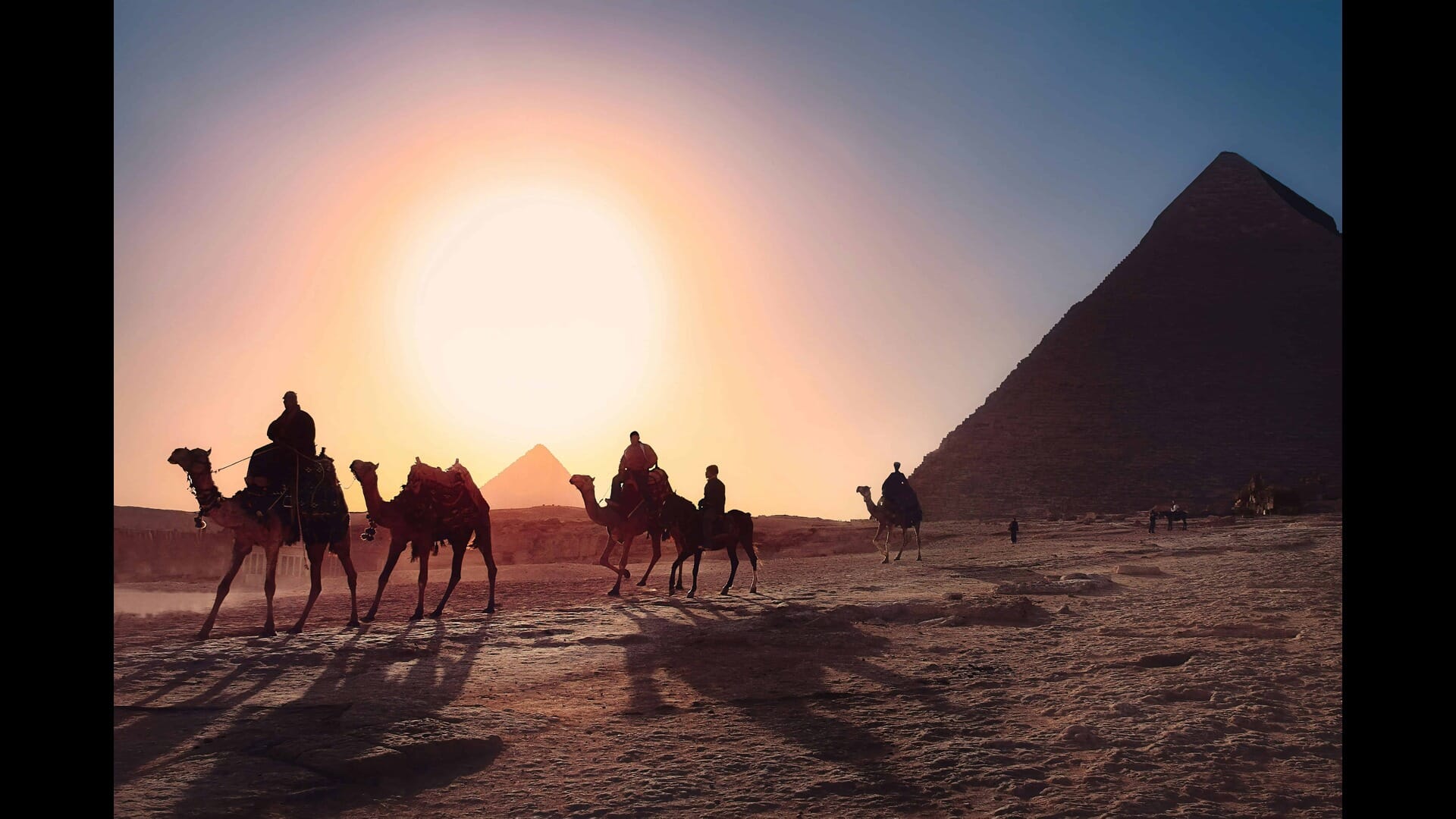
A Guide to the Most Famous Ancient Egyptian Tombs
A Guide to the Most Famous Ancient Egyptian Tombs
Egypt, a land steeped in history and mystery, is home to some of the most iconic ancient tombs in the world. These monumental structures not only reflect the grandeur of the pharaohs but also offer a glimpse into the beliefs and practices of ancient Egyptian civilization.
In this comprehensive guide, we will explore the most famous ancient Egyptian tombs, their historical significance, architectural marvels, and tips for visiting these awe-inspiring sites.
The Significance of Ancient Egyptian Tombs
Ancient Egyptian tombs were not merely burial sites; they were elaborate structures designed to ensure the safe passage of the deceased into the afterlife. The Egyptians believed in an eternal life beyond death, and thus, their tombs were filled with items that the deceased would need in the next world. This belief led to the construction of grand tombs, adorned with intricate carvings, paintings, and treasures.
The Valley of the Kings: A Royal Necropolis
Overview of the Valley of the Kings
The Valley of the Kings, located on the west bank of the Nile near Luxor, is perhaps the most famous burial site of ancient Egypt. This royal necropolis served as the final resting place for pharaohs and powerful nobles during the New Kingdom (1550-1070 BCE). The valley is home to over 60 tombs, including those of some of the most renowned pharaohs in Egyptian history.
Notable Tombs in the Valley of the Kings
Tomb of Tutankhamun (KV62)
Discovered in 1922 by Howard Carter, the tomb of Tutankhamun is one of the most significant archaeological finds of the 20th century. The tomb contained a wealth of artifacts, including the famous golden mask of the young pharaoh, which has become a symbol of ancient Egypt. The tomb's intricate decorations depict scenes from the Book of the Dead, illustrating the journey of the soul in the afterlife.Tomb of Ramses II (KV7)
Known as Ramses the Great, Ramses II reigned for 66 years and is often regarded as one of Egypt's most powerful pharaohs. His tomb, located in the Valley of the Kings, is one of the largest and most complex, featuring stunning wall paintings and inscriptions that celebrate his military victories and divine lineage.Tomb of Seti I (KV17)
The tomb of Seti I is renowned for its exquisite artwork and is considered one of the most beautiful tombs in the Valley of the Kings. The tomb features detailed reliefs and vibrant colors that depict the pharaoh's journey to the afterlife, including scenes from the Book of Gates and the Book of the Dead.
Visiting the Valley of the Kings
When visiting the Valley of the Kings, it's essential to plan your trip wisely. The site can be quite busy, especially during peak tourist seasons. Here are some tips for making the most of your visit:
- Purchase a ticket that allows access to multiple tombs: This will enable you to explore several tombs without having to buy individual tickets for each one.
- Visit early in the morning or late in the afternoon: These times tend to be less crowded and more comfortable in terms of temperature.
- Hire a knowledgeable guide: A guide can provide valuable insights into the history and significance of each tomb, enhancing your experience.
The Tomb of Tutankhamun: A Treasure Trove of Ancient Artifacts
The Discovery of the Tomb
The discovery of Tutankhamun's tomb in 1922 was a watershed moment in archaeology. Howard Carter's meticulous excavation revealed a wealth of artifacts, including jewelry, furniture, and the iconic golden sarcophagus. The tomb's contents provided invaluable insights into the burial practices and daily life of ancient Egyptians.
The Artifacts of Tutankhamun
The treasures found within Tutankhamun's tomb are nothing short of extraordinary. The most famous artifact, the golden funerary mask, is a masterpiece of ancient art, crafted from gold and inlaid with precious stones. Other notable items include:
- The Throne of Tutankhamun: A beautifully crafted throne adorned with intricate carvings and gold leaf.
- Chariots: Several chariots were found in the tomb, showcasing the advanced craftsmanship of ancient Egyptian artisans.
- Canopic Jars: These jars held the pharaoh's internal organs, carefully preserved for the afterlife.
The Legacy of Tutankhamun
Tutankhamun's tomb has left an indelible mark on popular culture and continues to captivate audiences worldwide. The treasures of Tutankhamun have toured museums globally, sparking interest in ancient Egypt and its rich history.
The Tomb of Ramses VI: A Hidden Gem in the Valley of the Kings
Overview of Ramses VI's Tomb
While the tomb of Ramses II often steals the spotlight, the tomb of Ramses VI (KV9) is a hidden gem that deserves attention. Discovered in 1907, this tomb is known for its stunning wall paintings and intricate designs that depict the pharaoh's journey to the afterlife.
Architectural Features
The tomb of Ramses VI features a long corridor leading to a burial chamber adorned with beautiful frescoes. The ceiling of the burial chamber is painted with a starry sky, symbolizing the pharaoh's ascent to the heavens. The walls are filled with scenes from the Book of the Dead, illustrating the trials faced by the deceased in the afterlife.
Visiting Ramses VI's Tomb
Ramses VI's tomb is often less crowded than other tombs in the Valley of the Kings, making it an excellent choice for those seeking a quieter experience. The tomb's intricate artwork and serene atmosphere provide a unique opportunity to appreciate the artistry of ancient Egyptian funerary practices.
The Tomb of Hatshepsut: A Woman's Legacy in Ancient Egypt
Overview of Hatshepsut's Tomb
Hatshepsut, one of the few female pharaohs of ancient Egypt, ruled during the 18th dynasty and is known for her remarkable achievements. Her mortuary temple, located near the Valley of the Kings, is a testament to her legacy. While her tomb is located in the Valley of the Kings (KV20), her temple is a must-visit site.
The Mortuary Temple of Hatshepsut
The mortuary temple of Hatshepsut is an architectural marvel, featuring terraces, colonnades, and stunning reliefs that depict her divine birth and successful reign. The temple is dedicated to the goddess Hathor and serves as a place of worship and remembrance for the pharaoh.
The Tomb of Hatshepsut
Hatshepsut's tomb, located in the Valley of the Kings, is less elaborate than those of her male counterparts but holds significant historical value. The tomb features intricate carvings and inscriptions that highlight her achievements and connection to the divine.
The Tomb of Nefertari: A Queen's Final Resting Place
Overview of Nefertari's Tomb
Nefertari, the beloved wife of Ramses II, is celebrated for her beauty and intelligence. Her tomb (QV66) in the Valley of the Queens is one of the most exquisite tombs in ancient Egypt, showcasing stunning artwork and intricate designs.
The Artistry of Nefertari's Tomb
Nefertari's tomb is renowned for its vibrant wall paintings that depict scenes from the afterlife. The colors are remarkably well-preserved, showcasing the skill of ancient Egyptian artisans. The tomb features depictions of Nefertari before various deities, emphasizing her divine status and connection to the gods.
Visiting Nefertari's Tomb
Due to its popularity, Nefertari's tomb has limited access to preserve its delicate artwork. Visitors are encouraged to book tickets in advance and be prepared for a more intimate experience, as only a small number of visitors are allowed inside at a time.
The Tomb of Akhenaten: A Revolutionary Pharaoh
Overview of Akhenaten's Tomb
Akhenaten, known for his radical religious reforms and the establishment of the worship of the sun disc Aten, has a tomb located in the Valley of the Kings (KV55). His reign marked a significant departure from traditional Egyptian beliefs and practices.
The Art and Symbolism of Akhenaten's Tomb
The tomb of Akhenaten features unique artwork that reflects his revolutionary ideas. The depictions of the pharaoh and his family are characterized by elongated forms and a sense of intimacy, contrasting with the more formal representations of previous pharaohs. The tomb's design and artwork provide valuable insights into the religious and cultural shifts of the time.
Visiting Akhenaten's Tomb
Akhenaten's tomb is less frequented by tourists, making it an excellent choice for those interested in exploring lesser-known sites. The tomb's unique artwork and historical significance offer a fascinating glimpse into a transformative period in ancient Egyptian history.
The Tomb of Merneptah: A Pharaoh's Legacy
Overview of Merneptah's Tomb
Merneptah, the son of Ramses II, ruled during the 19th dynasty and is known for his military campaigns and the famous Merneptah Stele, which contains the earliest known reference to Israel. His tomb (KV8) in the Valley of the Kings is notable for its size and intricate decorations.
Architectural Features of Merneptah's Tomb
The tomb of Merneptah features a long corridor leading to a burial chamber adorned with beautiful reliefs. The walls depict scenes of the pharaoh in battle, showcasing his prowess as a warrior and leader. The tomb's design reflects the grandeur associated with the 19th dynasty.
Visiting Merneptah's Tomb
Merneptah's tomb is often overlooked by tourists, making it a peaceful spot to explore. The tomb's impressive artwork and historical significance provide a unique opportunity to delve into the life of this lesser-known pharaoh.
The Tomb of Siptah: A Hidden Treasure
Overview of Siptah's Tomb
Siptah, a pharaoh of the 19th dynasty, ruled for a brief period and is often overshadowed by his more famous predecessors. His tomb (KV47) in the Valley of the Kings is a lesser-known site that offers a glimpse into the burial practices of the time.
The Art and Architecture of Siptah's Tomb
Siptah's tomb features a simple design, but its walls are adorned with beautiful carvings and inscriptions. The artwork reflects the pharaoh's connection to the divine and his aspirations for the afterlife. The tomb's understated elegance provides a contrast to the more elaborate tombs of other pharaohs.
Visiting Siptah's Tomb
Siptah's tomb is often quiet, allowing visitors to appreciate the artistry and history without the crowds. This hidden treasure is an excellent choice for those seeking a more intimate experience in the Valley of the Kings.
The Tomb of Amenhotep II: A Pharaoh's Grandeur
Overview of Amenhotep II's Tomb
Amenhotep II, known for his athletic prowess and military achievements, has a tomb (KV35) in the Valley of the Kings that showcases the grandeur associated with his reign. His tomb is notable for its impressive architecture and intricate decorations.
The Artistry of Amenhotep II's Tomb
The tomb of Amenhotep II features stunning wall paintings that depict the pharaoh in various scenes, including hunting and battle. The artwork reflects the pharaoh's strength and divine favor, emphasizing his status as a powerful ruler.
Visiting Amenhotep II's Tomb
Amenhotep II's tomb is less crowded than some of the more famous tombs, providing visitors with an opportunity to explore its beauty and significance at a leisurely pace. The tomb's impressive artwork and historical context make it a worthwhile stop in the Valley of the Kings.
Conclusion: The Enduring Legacy of Ancient Egyptian Tombs
The ancient Egyptian tombs are not just relics of the past; they are a testament to the civilization's beliefs, artistry, and architectural ingenuity. Each tomb tells a unique story, reflecting the life and aspirations of the pharaohs and nobles buried within. As you explore these magnificent sites, you will gain a deeper appreciation for the rich history of ancient Egypt and the enduring legacy of its remarkable tombs.
Whether you are a history enthusiast, an archaeology buff, or simply a curious traveler, the ancient tombs of Egypt offer a captivating journey into a world that has fascinated humanity for millennia. From the grandeur of the Valley of the Kings to the intimate beauty of lesser-known tombs, each visit is an opportunity to connect with the past and marvel at the achievements of one of history's greatest civilizations.