
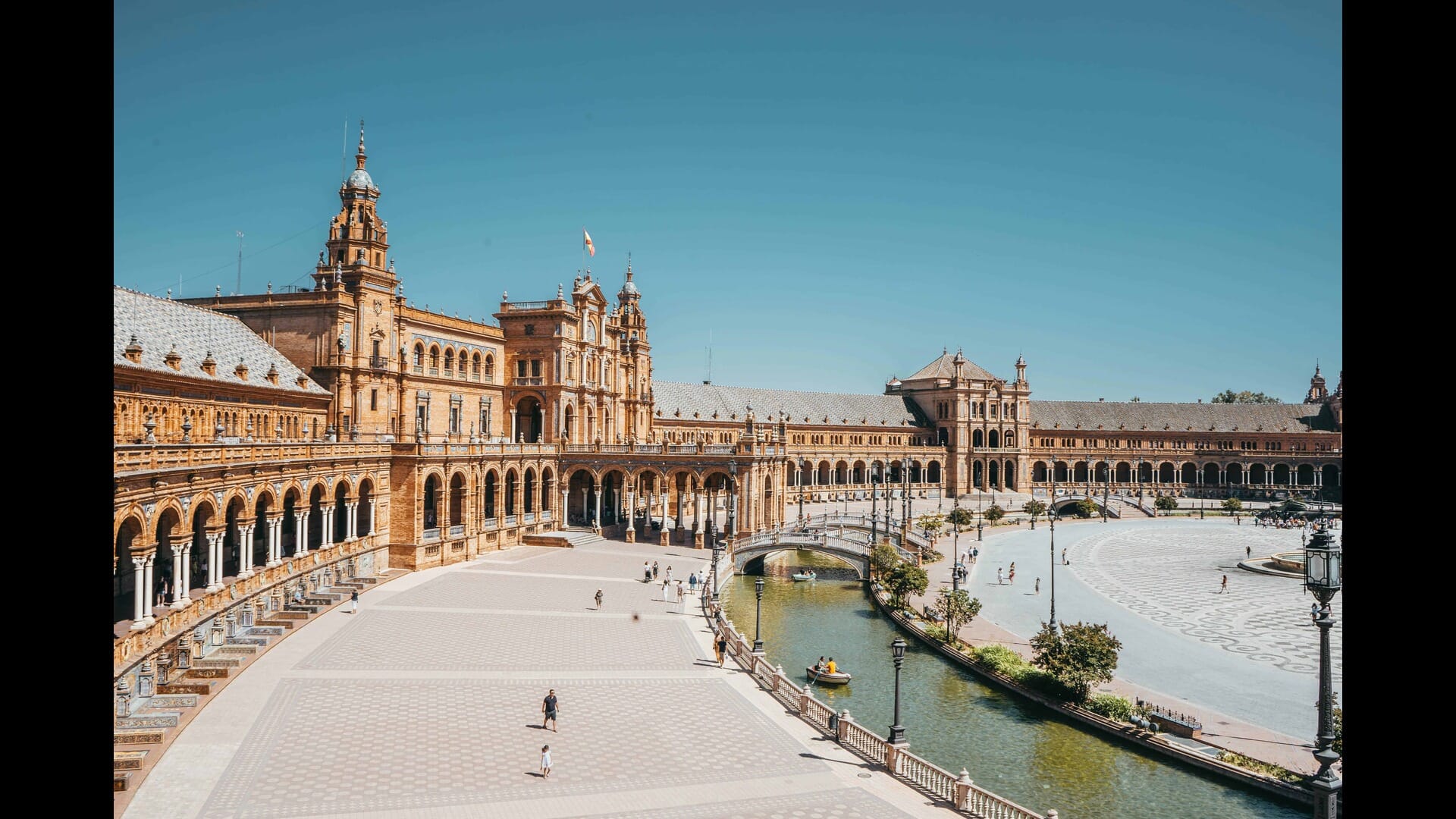
The Flamenco Experience in Andalusia: A Journey Through Passion and Tradition
The Flamenco Experience in Andalusia: A Journey Through Passion and Tradition
Andalusia, a region in southern Spain, is a land steeped in rich history, vibrant culture, and breathtaking landscapes. Among its many treasures, Flamenco stands out as a passionate expression of art that embodies the spirit of the Andalusian people.
This article takes you on an immersive journey through the Flamenco experience in Andalusia, exploring its origins, cultural significance, and the best places to witness this captivating art form.
Understanding the Roots of Flamenco: A Cultural Mosaic
Flamenco is not just a dance; it is a complex art form that encompasses music, singing, and dance, deeply rooted in the history of Andalusia. Its origins can be traced back to the 18th century, influenced by a rich tapestry of cultures, including the Gypsies, Moors, and Jews. The fusion of these diverse elements gave birth to a unique expression of emotion, often characterized by themes of love, sorrow, and longing.
The Historical Context of Flamenco
To truly appreciate Flamenco, one must understand the historical context in which it developed. The Gypsies, known as ‘Gitanos’, played a pivotal role in shaping Flamenco. They brought with them their own musical traditions, which blended with the local Andalusian folk music. The Moors, who ruled Spain for centuries, also contributed to the musical landscape with their intricate rhythms and melodies. The result was a vibrant and dynamic art form that resonated with the struggles and joys of life.
The Elements of Flamenco: Music, Dance, and Song
Flamenco is a multi-faceted art form that combines three primary elements: cante (singing), toque (guitar playing), and baile (dance). Each of these components plays a crucial role in conveying the emotional depth of Flamenco.
- Cante: The singing in Flamenco is characterized by its raw emotion and powerful delivery. The lyrics often tell stories of love, loss, and the human experience, drawing the audience into the performer’s world.
- Toque: The guitar is the backbone of Flamenco music. The intricate fingerpicking and strumming techniques create a rich tapestry of sound that complements the singing and dancing.
- Baile: The dance is perhaps the most visually striking aspect of Flamenco. With its rapid footwork, expressive movements, and intricate hand gestures, Flamenco dance is a powerful form of storytelling.
The Best Places to Experience Flamenco in Andalusia
Andalusia is home to numerous venues where you can experience authentic Flamenco performances. From intimate tablaos to grand theaters, each location offers a unique atmosphere that enhances the Flamenco experience.
1. The Tablaos: Intimate Venues for Authentic Flamenco
Tablaos are traditional Flamenco venues where you can enjoy live performances while savoring delicious Spanish cuisine. Some of the most renowned tablaos in Andalusia include:
- Tablao El Arenal (Seville): Located in the heart of Seville, this tablao is famous for its talented performers and intimate setting. The performances here are a perfect blend of traditional and contemporary Flamenco.
- Casa de la Memoria (Seville): This venue offers a more traditional Flamenco experience, showcasing local artists in a historic setting. The intimate atmosphere allows for a close connection between the performers and the audience.
- Tablao Flamenco Cordobes (Barcelona): Although not in Andalusia, this tablao is worth mentioning for its exceptional performances and vibrant atmosphere. It features some of the best Flamenco artists in Spain.
2. Flamenco Festivals: Celebrating the Art Form
Flamenco festivals are a fantastic way to immerse yourself in the culture and experience a variety of performances. Some notable festivals include:
- Festival de Jerez: Held annually in February and March, this festival is one of the most important Flamenco events in the world. It features performances, workshops, and masterclasses led by renowned Flamenco artists.
- Bienal de Flamenco (Seville): This prestigious festival takes place every two years and showcases the best of Flamenco talent. It attracts artists and audiences from around the globe, making it a must-visit for Flamenco enthusiasts.
- Festival de Flamenco de Granada: Set against the stunning backdrop of the Alhambra, this festival celebrates Flamenco with performances, workshops, and exhibitions, creating a magical atmosphere.
3. Theaters and Cultural Centers: A Broader Perspective
For those looking to explore Flamenco beyond the traditional venues, theaters and cultural centers offer a more comprehensive experience:
- Teatro Lope de Vega (Seville): This grand theater hosts large-scale Flamenco productions, featuring some of the most celebrated artists in the genre.
- Centro Cultural Flamenco (Seville): This cultural center offers workshops, exhibitions, and performances, providing a deeper understanding of Flamenco’s history and evolution.
Learning Flamenco: Dance Classes and Workshops
If you’re inspired by the Flamenco performances and want to learn the art form yourself, Andalusia offers numerous dance classes and workshops for all skill levels.
1. Flamenco Dance Schools: Where to Start
Many dance schools in Andalusia provide classes for beginners and advanced dancers alike. Some of the most reputable schools include:
- Flamenco Dance School (Seville): This school offers a range of classes, from beginner to advanced levels, taught by experienced instructors who are passionate about Flamenco.
- Fundación Cristina Heeren (Seville): Known for its professional training programs, this foundation offers intensive courses in Flamenco dance and music, attracting students from around the world.
2. Workshops with Renowned Artists
Participating in workshops led by renowned Flamenco artists can be a transformative experience. These workshops often focus on specific techniques and styles, allowing you to deepen your understanding of Flamenco.
- Flamenco Workshops at the Festival de Jerez: During this festival, many artists offer workshops that provide insights into their unique styles and techniques.
- Private Lessons: Many professional Flamenco dancers offer private lessons, allowing for personalized instruction and feedback.
The Cultural Significance of Flamenco in Andalusia
Flamenco is more than just a performance art; it is a vital part of Andalusian identity and culture. It reflects the region’s history, struggles, and triumphs, serving as a medium for storytelling and emotional expression.
1. Flamenco as a Form of Expression
For many artists, Flamenco is a way to express their innermost feelings and experiences. The intensity of the dance and music allows performers to convey emotions that words often cannot capture. This emotional depth resonates with audiences, creating a powerful connection between the performer and the viewer.
2. The Role of Flamenco in Community and Tradition
Flamenco is deeply embedded in the social fabric of Andalusian communities. It is often performed at family gatherings, celebrations, and festivals, reinforcing bonds and traditions. The communal aspect of Flamenco fosters a sense of belonging and cultural pride among the people of Andalusia.
The Evolution of Flamenco: From Tradition to Modernity
While Flamenco is rooted in tradition, it has also evolved over the years, incorporating contemporary influences and styles. This evolution has led to the emergence of various Flamenco sub-genres, each with its own unique characteristics.
1. Contemporary Flamenco: A Fusion of Styles
Contemporary Flamenco artists often blend traditional Flamenco with other genres, such as jazz, pop, and even classical music. This fusion creates a fresh and innovative sound that appeals to a broader audience. Artists like Paco de Lucía and Carmen Amaya have been instrumental in pushing the boundaries of Flamenco, introducing new elements while respecting its roots.
2. The Globalization of Flamenco
With the rise of social media and digital platforms, Flamenco has gained international recognition. Artists from around the world are now exploring Flamenco, incorporating it into their own cultural expressions. This globalization has led to a renewed interest in Flamenco, attracting new audiences and fostering cross-cultural collaborations.
Tips for Enjoying the Flamenco Experience in Andalusia
To make the most of your Flamenco experience in Andalusia, consider the following tips:
1. Research Before You Go
Familiarize yourself with the different styles and forms of Flamenco before attending performances. Understanding the nuances of the art form will enhance your appreciation and enjoyment.
2. Attend Multiple Performances
If possible, attend several performances at different venues. Each location offers a unique atmosphere and style, allowing you to experience the diversity of Flamenco.
3. Engage with the Artists
Many Flamenco performers are passionate about sharing their art. Don’t hesitate to ask questions or engage with them after the show. This interaction can deepen your understanding of Flamenco and its cultural significance.
4. Try Your Hand at Flamenco
If you have the opportunity, take a Flamenco dance class or workshop. Experiencing the dance firsthand will give you a greater appreciation for the skill and artistry involved.
Conclusion: Embracing the Flamenco Spirit
The Flamenco experience in Andalusia is a journey through passion, culture, and history. From the vibrant performances to the intimate dance classes, Flamenco offers a unique window into the soul of Andalusia. Whether you are a seasoned enthusiast or a curious newcomer, immersing yourself in the world of Flamenco will leave you with lasting memories and a deeper understanding of this captivating art form. So pack your bags, head to Andalusia, and let the rhythms of Flamenco sweep you off your feet!