
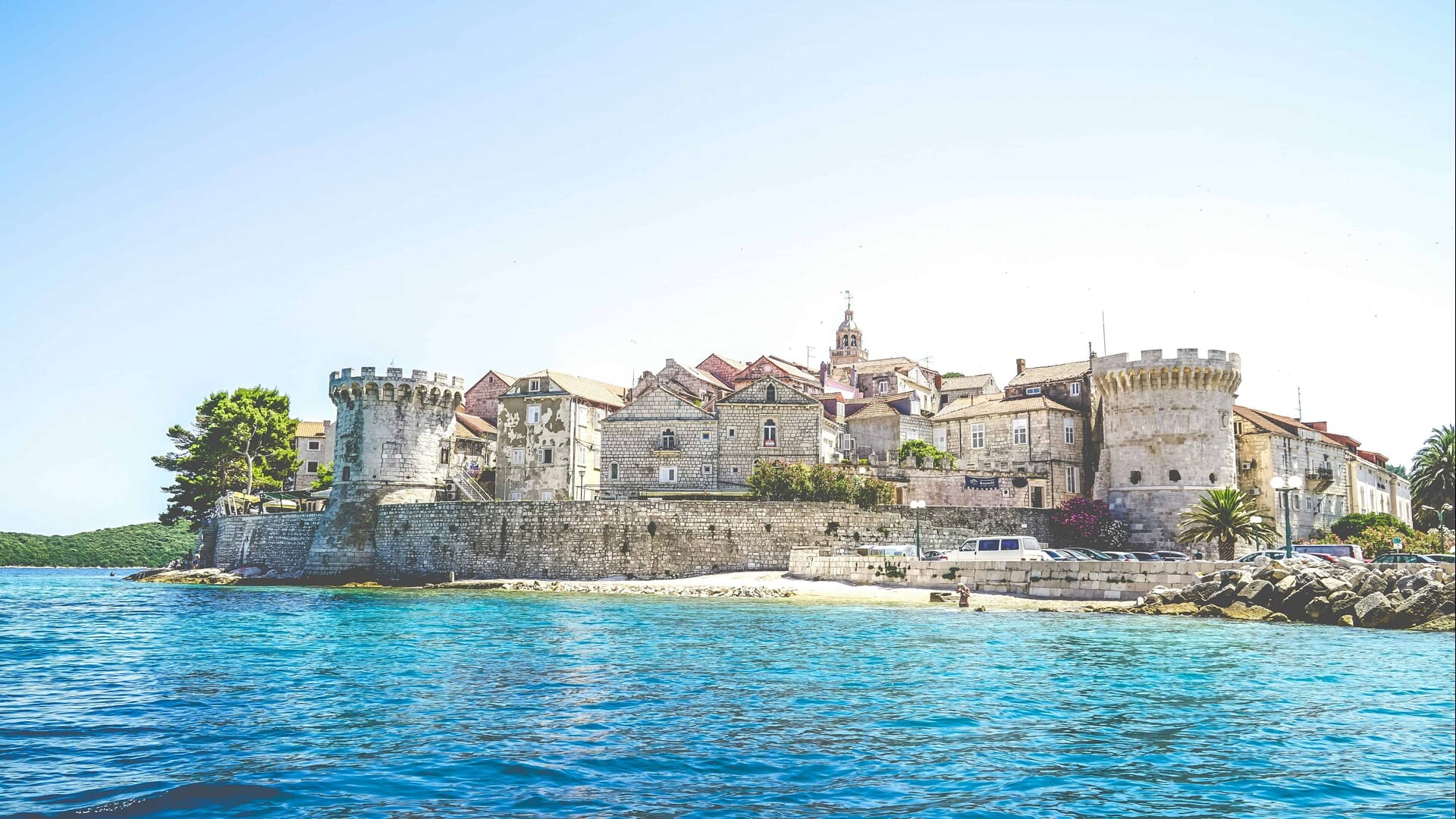
Festivals of Croatia: A Guide to Cultural Celebrations
Festivals of Croatia: A Guide to Cultural Celebrations
Croatia, a gem nestled in the heart of Europe, is not only known for its stunning landscapes and historical sites but also for its vibrant festivals that celebrate the rich cultural heritage of the nation. From the bustling streets of Dubrovnik to the serene shores of the Adriatic, each festival offers a unique glimpse into the traditions, music, art, and gastronomy of Croatia.
In this comprehensive guide, we will explore the most significant festivals across the country, providing insights into their history, significance, and the experiences they offer to both locals and visitors alike.
The Essence of Croatian Festivals: A Cultural Overview
Festivals in Croatia are more than just events; they are a celebration of life, community, and heritage. They bring together people from all walks of life, showcasing the country’s diverse traditions and customs. The essence of these festivals lies in their ability to foster a sense of belonging and pride among the Croatian people while inviting the world to partake in their joyous celebrations.
The Historical Roots of Croatian Festivals
Many Croatian festivals have deep historical roots, often dating back centuries. They are intertwined with the agricultural calendar, religious observances, and local customs. Understanding the history behind these festivals enriches the experience, allowing visitors to appreciate the significance of each celebration.
The Role of Music and Dance in Croatian Festivals
Music and dance are integral components of Croatian festivals. Traditional folk music, often accompanied by lively dances, reflects the regional diversity of the country. From the haunting melodies of the Dalmatian coast to the energetic rhythms of Slavonia, each region boasts its unique musical heritage that comes alive during festivals.
Culinary Delights: Food Festivals in Croatia
Food is a central theme in many Croatian festivals. Local delicacies, traditional recipes, and regional specialties are showcased, allowing attendees to indulge in the rich flavors of Croatian cuisine. Food festivals not only celebrate culinary traditions but also promote local farmers and artisans, creating a sustainable food culture.
Major Festivals in Croatia: A Detailed Exploration
1. Dubrovnik Summer Festival: A Cultural Extravaganza
The Dubrovnik Summer Festival, held annually from mid-July to mid-August, is one of the most prestigious cultural events in Croatia. This festival transforms the historic city of Dubrovnik into a vibrant stage for performances ranging from classical music concerts to theatrical plays and dance performances.
Highlights of the Dubrovnik Summer Festival
- Historical Venues: Performances take place in stunning locations such as the Rector’s Palace and the Sponza Palace, providing a breathtaking backdrop.
- International Artists: The festival attracts renowned artists from around the world, making it a melting pot of cultures.
- Local Talent: It also showcases local talent, giving Croatian artists a platform to shine on an international stage.
2. Sinjska Alka: A Unique Equestrian Tournament
Sinjska Alka is a traditional knightly tournament held in the town of Sinj every first Sunday in August. This UNESCO-recognized event commemorates the victory of the Sinj defenders over the Ottoman Empire in 1715.
What to Expect at Sinjska Alka
- Equestrian Skills: The tournament features skilled riders who compete in a race to hit a hanging target called the “alka” with a lance.
- Historical Costumes: Participants wear traditional 18th-century costumes, adding to the festival's historical ambiance.
- Local Celebrations: The event is accompanied by various cultural activities, including music, dance, and local food stalls.
3. Rijeka Carnival: A Festive Spectacle
The Rijeka Carnival is one of the largest and most colorful carnivals in Croatia, attracting thousands of visitors each year. Held in February, this festival is known for its elaborate costumes, vibrant parades, and lively atmosphere.
Key Features of the Rijeka Carnival
- Costume Parades: Participants don extravagant costumes, showcasing creativity and craftsmanship.
- Cultural Events: The carnival includes concerts, street performances, and various entertainment options for all ages.
- International Participation: The event draws participants from around the world, making it a truly global celebration.
4. Pula Film Festival: A Cinematic Celebration
The Pula Film Festival, held in July, is the oldest film festival in Croatia and a significant event in the Croatian cultural calendar. Set against the backdrop of the ancient Roman amphitheater, this festival celebrates both national and international cinema.
Highlights of the Pula Film Festival
- Open-Air Screenings: Films are screened in the stunning Arena of Pula, creating a magical atmosphere.
- Awards and Recognition: The festival honors outstanding achievements in film, providing a platform for emerging filmmakers.
- Cultural Exchange: It fosters cultural exchange through workshops, discussions, and networking opportunities.
5. Festival of Dalmatian Klapa Music: A Melodic Journey
The Festival of Dalmatian Klapa Music, held in the picturesque town of Omiš, celebrates the traditional a cappella singing style known as klapa. This festival typically takes place in late June and attracts klapa groups from across Croatia.
What Makes the Klapa Festival Special
- Traditional Music: Klapa music is characterized by harmonious vocal arrangements, often accompanied by the sounds of traditional instruments.
- Cultural Heritage: The festival promotes the preservation of this UNESCO-recognized cultural heritage.
- Community Spirit: It brings together locals and visitors, fostering a sense of community through music.
6. Folklore Festival in Vinkovci: A Celebration of Traditions
The Folklore Festival in Vinkovci, held in September, is a vibrant celebration of Croatian folklore, showcasing traditional costumes, music, and dances from various regions.
Highlights of the Folklore Festival
- Parades and Performances: The festival features colorful parades, dance performances, and traditional music concerts.
- Cultural Workshops: Attendees can participate in workshops to learn about traditional crafts, music, and dance.
- Local Cuisine: Food stalls offer a taste of regional delicacies, enhancing the cultural experience.
7. Advent in Zagreb: A Magical Christmas Celebration
Zagreb, the capital of Croatia, transforms into a winter wonderland during the Advent season. The Advent in Zagreb festival, running from late November to early January, is renowned for its festive atmosphere, Christmas markets, and cultural events.
What to Experience at Advent in Zagreb
- Christmas Markets: The city is adorned with beautifully decorated stalls offering handmade crafts, local delicacies, and mulled wine.
- Cultural Events: Concerts, theater performances, and art exhibitions take place throughout the city, celebrating the holiday spirit.
- Ice Skating: An ice skating rink in the city center adds to the festive fun for families and friends.
8. The Festival of the Sea in Opatija: A Nautical Celebration
The Festival of the Sea, held in Opatija during the summer months, celebrates the maritime heritage of the region. This festival is a blend of cultural, culinary, and entertainment events centered around the sea.
Key Attractions of the Festival of the Sea
- Seafood Delicacies: Local restaurants showcase their best seafood dishes, allowing visitors to indulge in the flavors of the Adriatic.
- Sailing Competitions: The festival features sailing regattas and competitions, attracting sailing enthusiasts from across the country.
- Cultural Performances: Traditional music and dance performances celebrate the maritime culture of the region.
9. The International Folklore Festival in Dubrovnik: A Global Gathering
The International Folklore Festival in Dubrovnik is a vibrant event that brings together folklore ensembles from around the world. Held in July, this festival showcases the diversity of global cultural expressions through music, dance, and traditional costumes.
Highlights of the International Folklore Festival
- Global Participation: Ensembles from various countries perform, allowing attendees to experience different cultures.
- Workshops and Masterclasses: The festival includes workshops where participants can learn traditional dances and crafts.
- Cultural Exchange: It promotes cultural understanding and appreciation among diverse communities.
10. The Festival of St. Blaise in Dubrovnik: A Religious and Cultural Celebration
The Festival of St. Blaise, held in early February, is one of the most important religious and cultural events in Dubrovnik. It honors the city’s patron saint and showcases the rich traditions of the local community.
What to Expect at the Festival of St. Blaise
- Religious Procession: The festival begins with a solemn procession through the streets of Dubrovnik, featuring clergy, local officials, and citizens.
- Cultural Events: Traditional music, dance performances, and local delicacies are part of the festivities.
- Community Spirit: The event fosters a sense of unity and pride among the residents of Dubrovnik.
Conclusion: Embracing the Festivals of Croatia
Croatia’s festivals are a testament to the country’s rich cultural heritage and the vibrant spirit of its people. Whether you’re drawn to the historical significance of Sinjska Alka, the artistic flair of the Dubrovnik Summer Festival, or the culinary delights of local food festivals, there’s something for everyone to enjoy.
As you plan your visit to Croatia, consider timing your trip to coincide with one of these incredible festivals. Immerse yourself in the local culture, meet the warm-hearted people, and create unforgettable memories that will last a lifetime. Croatia’s festivals are not just events; they are a celebration of life, love, and community, inviting you to join in the festivities and experience the magic of this beautiful country.