
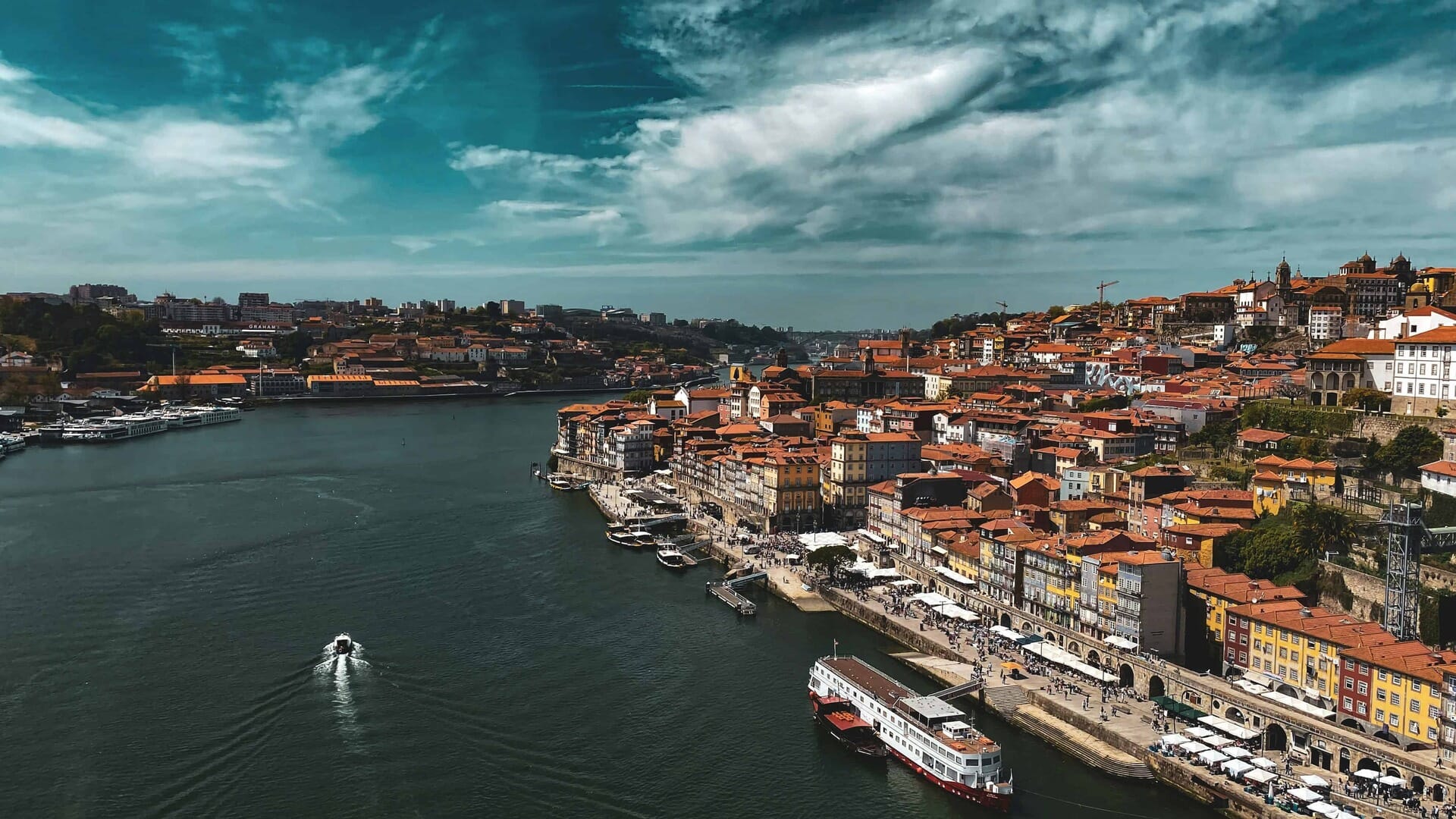
A Guide to Fado Music in Portugal: Discovering the Soul of Portuguese Culture
A Guide to Fado Music in Portugal: Discovering the Soul of Portuguese Culture
Fado music is often described as the heartbeat of Portugal, a genre that encapsulates the essence of Portuguese identity, culture, and emotion. With its roots deeply embedded in the history of Lisbon, Fado has evolved over the years, becoming a symbol of national pride and artistic expression.
In this comprehensive guide, we will explore the rich tapestry of Fado music, its historical significance, its evolution, and where to experience it in its most authentic form.
Understanding the Essence of Fado Music in Portugal
Fado, which translates to "fate" in Portuguese, is a genre characterized by its melancholic tunes and lyrics that often reflect themes of longing, love, and nostalgia. It is typically performed by a solo singer accompanied by the Portuguese guitar and sometimes other string instruments. The emotional depth of Fado is what sets it apart from other musical genres, making it a unique experience for both performers and audiences alike.
The Historical Roots of Fado Music in Portugal
Fado's origins can be traced back to the early 19th century in the working-class neighborhoods of Lisbon, particularly in Alfama and Mouraria. It is believed to have been influenced by various musical styles, including African, Brazilian, and Moorish music, reflecting Portugal's diverse cultural heritage. The genre gained popularity in taverns and small venues, where sailors and immigrants would gather to share their stories through song.
The Evolution of Fado: From Traditional to Contemporary
While traditional Fado remains a staple of Portuguese culture, the genre has evolved over the years. Contemporary Fado artists have begun to incorporate elements of jazz, pop, and world music, creating a fusion that appeals to a broader audience. This evolution has sparked a renewed interest in Fado, attracting younger generations and international listeners.
The Cultural Significance of Fado Music in Portugal
Fado is more than just music; it is a cultural phenomenon that reflects the soul of the Portuguese people. It has been recognized by UNESCO as an Intangible Cultural Heritage of Humanity, highlighting its importance in preserving cultural identity. Fado serves as a means of storytelling, allowing artists to convey their emotions and experiences while connecting with their audience on a profound level.
The Role of Fado in Portuguese Society
Fado plays a significant role in Portuguese society, serving as a form of expression for both the artist and the listener. It often addresses themes of saudade, a Portuguese word that encapsulates a deep emotional state of nostalgic longing for something or someone that one loves. This theme resonates with many Portuguese people, making Fado a powerful medium for exploring personal and collective experiences.
Iconic Fado Artists and Their Contributions
Throughout the years, many iconic Fado artists have emerged, each contributing to the genre's rich legacy. Notable figures include Amália Rodrigues, often referred to as the "Queen of Fado," who helped popularize the genre internationally. Other influential artists include Carlos do Carmo, Mariza, and Ana Moura, each bringing their unique style and interpretation to Fado music.
Where to Experience Authentic Fado Music in Portugal
If you're planning a trip to Portugal, experiencing Fado music is a must. Here are some of the best places to immerse yourself in this soulful genre:
Best Fado Restaurants in Lisbon
Lisbon is the heart of Fado music, and there are numerous restaurants where you can enjoy a meal while listening to live performances. Some of the best Fado restaurants include:
- Clube de Fado: Located in Alfama, this restaurant offers an intimate setting with traditional Fado performances.
- Tasca do Chico: A popular spot among locals, Tasca do Chico features live Fado music in a cozy atmosphere.
- Sr. Fado de Alfama: This venue combines delicious Portuguese cuisine with captivating Fado performances.
Fado Music Venues in Lisbon
In addition to restaurants, there are dedicated Fado venues where you can enjoy performances in a more traditional setting. Some notable venues include:
- O Faia: A historic Fado house that has been showcasing talent since 1947.
- A Tasca do Chico: Known for its lively atmosphere and spontaneous performances.
- Fado na Baixa: A venue that offers a unique blend of Fado music and contemporary influences.
Fado Festivals in Portugal
If you want to experience Fado on a larger scale, consider attending one of the many Fado festivals held throughout Portugal. These festivals celebrate the genre and feature performances from both established and emerging artists. Notable festivals include:
- Fado na Baixa: An annual festival held in Lisbon that showcases various Fado artists.
- Fado Festival de Coimbra: Celebrating the unique style of Coimbra Fado, this festival attracts fans from all over the world.
- Festival Internacional de Fado: A festival that brings together Fado artists from Portugal and beyond, celebrating the genre's global influence.
The Instruments Behind Fado Music
Fado music is characterized by its unique instrumentation, which plays a crucial role in creating its distinct sound. The primary instruments used in Fado include:
The Portuguese Guitar
The Portuguese guitar is the backbone of Fado music, known for its distinctive sound and intricate playing style. It features a rounded back and a flat front, with 12 strings arranged in six courses. The guitar's melodic lines complement the singer's voice, adding depth and emotion to the performance.
The Classical Guitar
In addition to the Portuguese guitar, the classical guitar is often used in Fado performances. It provides a harmonic foundation and enhances the overall sound of the ensemble.
Other Instruments in Fado
While the Portuguese and classical guitars are the primary instruments, Fado performances may also include the use of other string instruments, such as the viola and the bass guitar. These instruments contribute to the richness of the Fado sound, creating a more layered musical experience.
Learning Fado Music: Classes and Workshops
If you're inspired by Fado music and want to learn more about it, there are various classes and workshops available in Portugal. Many music schools and cultural centers offer courses in Fado singing and guitar playing, providing an opportunity to immerse yourself in this beautiful genre. Some notable places to consider include:
- Escola de Fado: Located in Lisbon, this school offers classes for aspiring Fado singers and musicians.
- Casa do Fado: A cultural center that provides workshops and performances, allowing participants to learn about Fado's history and techniques.
The Future of Fado Music
As Fado continues to evolve, it faces both challenges and opportunities. The genre's traditional roots are being preserved by dedicated artists and cultural organizations, while contemporary influences are attracting new audiences. The future of Fado music lies in its ability to adapt and resonate with the changing cultural landscape, ensuring that this beautiful genre remains a vital part of Portuguese identity.
Fado's Global Reach
In recent years, Fado has gained international recognition, with artists performing at festivals and venues around the world. This global reach has helped to introduce Fado to new audiences, fostering appreciation for its unique sound and emotional depth. As more people discover Fado, the genre's legacy continues to grow, bridging cultural divides and connecting people through music.
Conclusion: Embracing the Soul of Fado Music in Portugal
Fado music is a captivating journey into the heart of Portuguese culture. Its rich history, emotional depth, and cultural significance make it an essential experience for anyone visiting Portugal. Whether you're enjoying a meal at a traditional Fado restaurant, attending a festival, or simply listening to recordings of iconic artists, Fado offers a glimpse into the soul of a nation. As you explore the vibrant world of Fado music, you'll find that it is not just a genre; it is a celebration of life, love, and the enduring spirit of the Portuguese people.