
Exploring the Wine Regions of La Rioja: A Journey Through Spain's Premier Wine Destination
Exploring the Wine Regions of La Rioja: A Journey Through Spain's Premier Wine Destination
La Rioja, a name synonymous with exquisite wines, breathtaking landscapes, and rich cultural heritage, is a must-visit destination for wine enthusiasts and travelers alike. Nestled in the northern part of Spain, La Rioja boasts a unique blend of tradition and innovation, making it one of the most celebrated wine regions in the world.
This article will take you on an extensive journey through La Rioja’s wine regions, exploring its vineyards, wineries, and the culinary delights that accompany its world-class wines.
The Allure of La Rioja: An Introduction to Spain’s Wine Capital
La Rioja is not just a geographical location; it is a vibrant tapestry of history, culture, and gastronomy, woven together by the passion of its winemakers. The region is divided into three main sub-regions: Rioja Alta, Rioja Alavesa, and Rioja Baja, each offering distinct terroirs and wine styles. The allure of La Rioja lies not only in its wines but also in its picturesque landscapes, charming villages, and the warm hospitality of its people.
The Historical Roots of La Rioja Wine
The history of winemaking in La Rioja dates back to Roman times, with evidence of vineyards existing as early as the 1st century AD. The region’s unique climate, characterized by a combination of Mediterranean and continental influences, creates the perfect conditions for growing grapes. Over the centuries, La Rioja has evolved into a hub of winemaking excellence, with many wineries maintaining traditional practices while embracing modern techniques.
Understanding the Terroir of La Rioja: What Makes It Unique?
Terroir is a French term that encapsulates the environmental factors affecting a vineyard, including soil, climate, and topography. In La Rioja, the diverse terroirs contribute to the complexity and character of its wines.
The Three Sub-Regions of La Rioja
Rioja Alta: Located in the western part of the region, Rioja Alta is known for its cooler climate and higher altitude. The area produces elegant red wines, primarily from Tempranillo grapes, which thrive in the clay and limestone soils. The wines from this region are often characterized by their freshness and acidity.
Rioja Alavesa: Situated in the northern part of La Rioja, Rioja Alavesa is renowned for its high-quality vineyards and unique microclimates. The region’s wines are typically more robust and full-bodied, with a focus on Tempranillo and Garnacha grapes. The rocky soils and warm climate contribute to the intense flavors found in the wines.
Rioja Baja: This southern sub-region is warmer and drier, making it ideal for producing ripe, fruit-forward wines. Rioja Baja is known for its Garnacha and Tempranillo grapes, which yield wines with a rich, velvety texture and bold flavors.
The Best Wineries to Visit in La Rioja: A Wine Lover’s Paradise
La Rioja is home to numerous wineries, each offering unique experiences for visitors. Here are some of the best wineries to explore:
1. Bodegas Marqués de Riscal
Located in Elciego, Bodegas Marqués de Riscal is one of the oldest wineries in La Rioja, founded in 1858. The winery is famous for its innovative architecture, designed by Frank Gehry, and its exceptional wines, particularly the Marqués de Riscal Reserva. Visitors can enjoy guided tours, tastings, and even dine at the Michelin-starred restaurant on-site.
2. Bodegas Ysios
Bodegas Ysios, located at the foot of the Sierra de Cantabria, is known for its striking modern architecture and commitment to sustainable winemaking. The winery focuses on producing high-quality Tempranillo wines, and visitors can enjoy guided tours that include tastings of their exceptional vintages.
3. Bodegas Roda
Bodegas Roda, situated in Haro, is renowned for its artisanal approach to winemaking. The winery produces elegant and complex wines, primarily from Tempranillo grapes. Visitors can take part in guided tours that delve into the winemaking process and enjoy tastings of their exquisite wines.
4. Bodegas López de Heredia
Founded in 1877, Bodegas López de Heredia is one of the oldest wineries in La Rioja and is known for its traditional winemaking methods. The winery produces classic Rioja wines, including Viña Tondonia, which is celebrated for its aging potential. Visitors can explore the historic cellars and enjoy tastings of their iconic wines.
5. Bodegas Baigorri
Bodegas Baigorri is a modern winery located in the heart of Rioja Alavesa. The winery is known for its stunning architecture and commitment to organic farming practices. Visitors can enjoy guided tours that showcase the winemaking process and sample their exceptional wines, including the award-winning Baigorri Crianza.
Wine Tasting in La Rioja: What to Expect
Wine tasting in La Rioja is an experience like no other. Many wineries offer guided tastings that include a selection of their finest wines, often paired with local delicacies. Here’s what you can expect during your wine tasting journey:
The Art of Wine Tasting
Wine tasting is an art that involves engaging all your senses. Here are some tips to enhance your tasting experience:
Look: Observe the color and clarity of the wine. A deep ruby color often indicates a full-bodied red wine, while a lighter hue may suggest a more delicate wine.
Swirl: Swirling the wine in your glass releases its aromas. Take a moment to appreciate the bouquet before taking a sip.
Smell: Inhale deeply to identify the different aromas. Common notes in La Rioja wines include red fruits, spices, and earthy undertones.
Taste: Take a small sip and let the wine coat your palate. Pay attention to the flavors, acidity, and tannins.
Savor: After swallowing, notice the finish of the wine. A long, lingering finish is often a sign of a high-quality wine.
Pairing Wine with Local Cuisine
La Rioja is not only famous for its wines but also for its delectable cuisine. When wine tasting, consider pairing your wines with local dishes to enhance the experience. Here are some traditional dishes to try:
- Patatas a la Riojana: A hearty potato and chorizo stew that pairs beautifully with a young red wine.
- Pimientos Rellenos: Stuffed peppers filled with meat or fish, perfect with a crisp white wine.
- Cordero Asado: Roast lamb, a classic dish that complements the bold flavors of a Reserva red wine.
Exploring the Scenic Landscapes of La Rioja
Beyond its vineyards and wineries, La Rioja is blessed with stunning landscapes that invite exploration. From rolling hills to picturesque villages, the region offers a wealth of natural beauty.
The Sierra de Cantabria
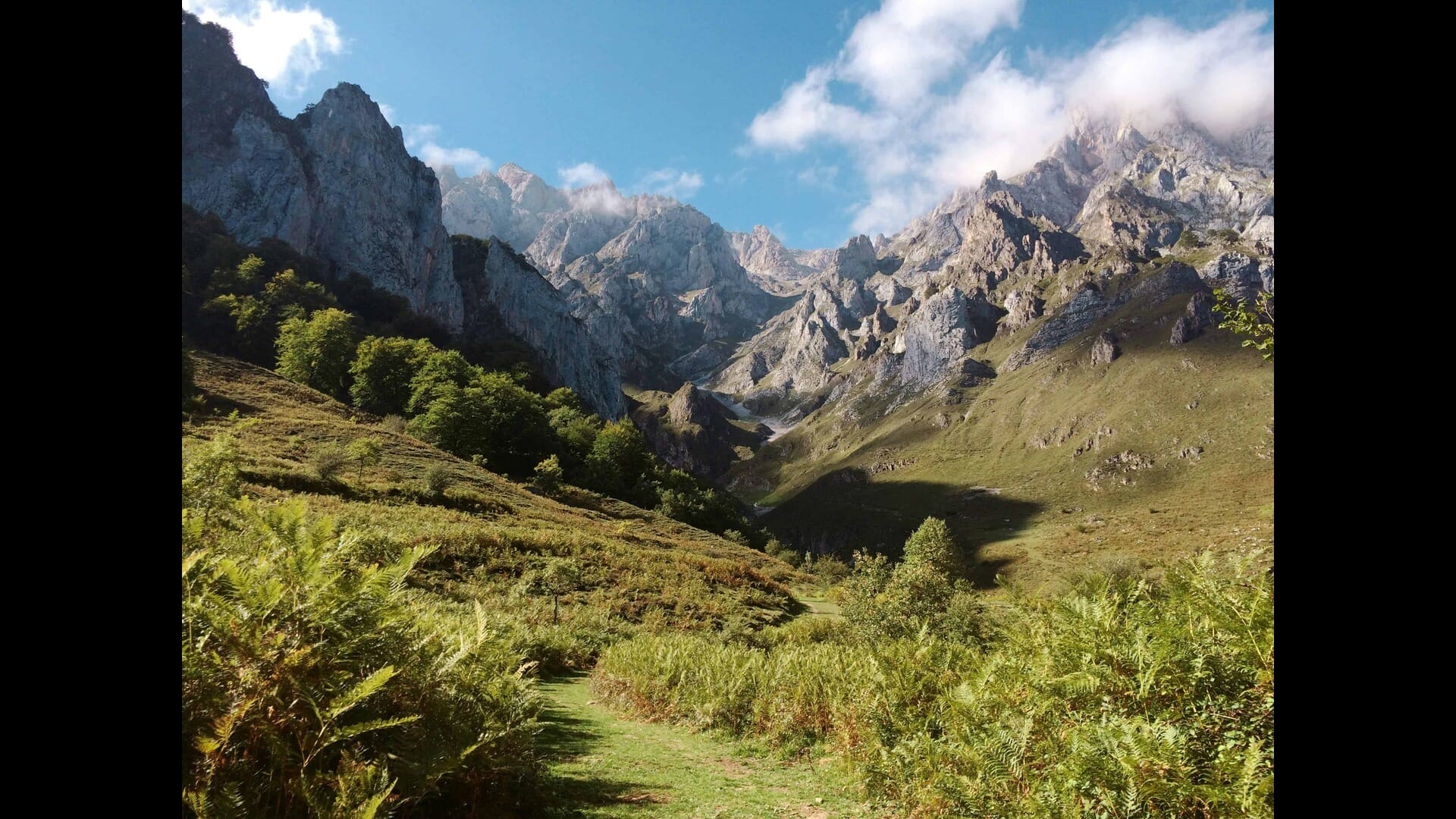
The Sierra de Cantabria mountain range provides a dramatic backdrop to the vineyards of La Rioja. Hiking trails wind through the mountains, offering breathtaking views of the vineyards below. The area is also home to diverse flora and fauna, making it a paradise for nature lovers.
The Ebro River
The Ebro River flows through La Rioja, creating fertile valleys that are ideal for viticulture. The riverbanks are dotted with charming villages, each with its own unique character. A leisurely stroll along the river is a perfect way to soak in the beauty of the region.
The Villages of La Rioja
La Rioja is home to several picturesque villages that are worth exploring:
- Haro: Known as the capital of Rioja wine, Haro is famous for its historic wineries and vibrant wine festivals.
- Briones: A charming medieval village with narrow streets and stunning views of the surrounding vineyards.
- La Guardia: A hilltop village with a rich history and beautiful architecture, offering panoramic views of the region.
Cultural Experiences in La Rioja: Beyond Wine
La Rioja is steeped in history and culture, offering visitors a chance to immerse themselves in the local traditions.
Wine Festivals and Events
La Rioja hosts several wine festivals throughout the year, celebrating the region’s rich winemaking heritage. One of the most famous events is the Fiesta de la Vendimia, held in September to mark the grape harvest. The festival features parades, music, and, of course, plenty of wine tastings.
Gastronomic Experiences
La Rioja is a culinary delight, with a rich tradition of gastronomy. Many wineries offer gourmet dining experiences, where visitors can savor local dishes paired with exquisite wines. Don’t miss the chance to try pintxos, small tapas-style dishes that are perfect for sharing.
Historical Sites and Landmarks
While wine is the star of the show, La Rioja is also home to several historical sites worth visiting:
- The Monastery of San Millán de la Cogolla: A UNESCO World Heritage site, this monastery is the birthplace of the Spanish language and features stunning architecture.
- The Castle of Briones: A historic castle that offers panoramic views of the surrounding vineyards and countryside.
- The Roman Ruins of Vareia: Explore the remnants of this ancient Roman settlement and learn about the region’s rich history.
Practical Tips for Visiting La Rioja: Your Ultimate Travel Guide
Planning a trip to La Rioja? Here are some practical tips to ensure a smooth and enjoyable experience:
Best Time to Visit La Rioja
The ideal time to visit La Rioja is during the spring (April to June) and fall (September to October) when the weather is mild, and the vineyards are at their most beautiful. The grape harvest in September is a particularly exciting time to visit, as many wineries host special events and tastings.
Getting to La Rioja
La Rioja is easily accessible by car, train, or bus. The nearest major city is Logroño, which is well-connected to other parts of Spain. Renting a car is a great option for exploring the region at your own pace.
Accommodation Options in La Rioja
La Rioja offers a range of accommodation options, from luxury hotels to charming guesthouses. Consider staying in a winery hotel for a unique experience, where you can enjoy stunning vineyard views and indulge in wine tastings right on-site.
Local Etiquette and Customs
When visiting wineries and restaurants, it’s customary to greet staff with a friendly “Hola” and to express gratitude with a “Gracias.” Tipping is appreciated but not mandatory; rounding up the bill is a common practice.
Conclusion: Embrace the Magic of La Rioja
Exploring the wine regions of La Rioja is a journey that transcends mere tasting; it is an immersion into a world of flavors, traditions, and breathtaking landscapes. Whether you are a seasoned wine connoisseur or a curious traveler, La Rioja offers an unforgettable experience that will leave you with cherished memories and a deeper appreciation for the art of winemaking. So pack your bags, raise a glass, and get ready to embrace the magic of La Rioja!