
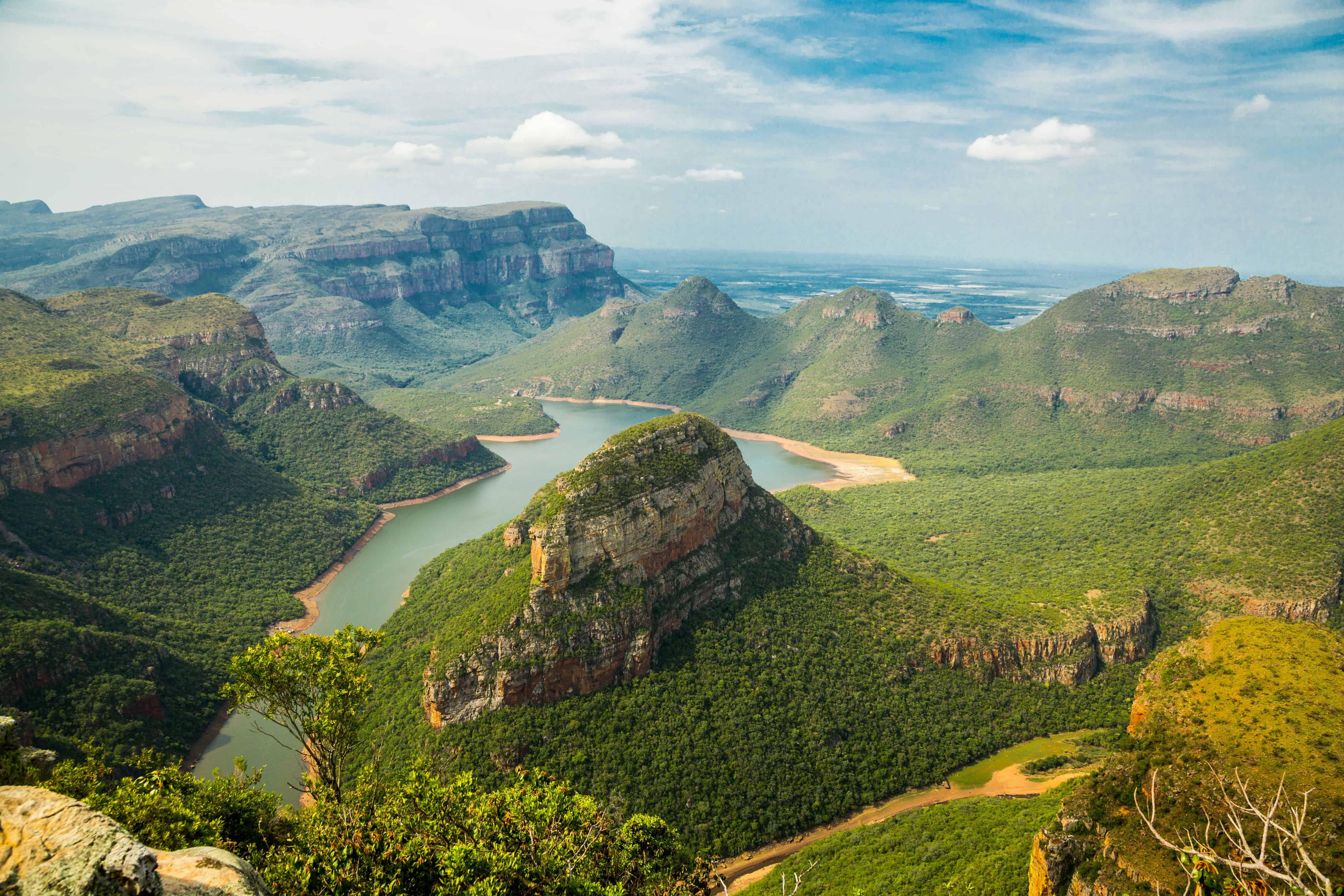
Exploring the Wild Beauty of Kruger National Park
Exploring the Wild Beauty of Kruger National Park
Introduction to Kruger National Park
Nestled in the heart of South Africa, Kruger National Park is a sprawling expanse of wilderness that beckons adventurers and nature lovers alike. Covering over 19,000 square kilometers, it is one of Africa's largest game reserves and a sanctuary for an astonishing variety of wildlife.
From the iconic Big Five—lions, leopards, elephants, buffalo, and rhinoceros—to a plethora of bird species and unique flora, Kruger offers an unparalleled experience for those seeking to connect with nature.
The History and Conservation of Kruger National Park
Established in 1898, Kruger National Park has a rich history that intertwines with the conservation of South Africa's natural heritage. Originally created to protect the region's wildlife from poaching and habitat destruction, the park has evolved into a model for conservation efforts worldwide. The park's establishment was a response to the alarming decline of wildlife populations due to hunting and habitat loss. Today, Kruger is not only a haven for wildlife but also a vital research area for conservationists and ecologists.
The Diverse Ecosystems of Kruger National Park
Kruger National Park is renowned for its diverse ecosystems, which range from savanna grasslands to dense woodlands and riverine forests. Each ecosystem supports a unique array of flora and fauna, making the park a biodiversity hotspot.
Savanna Grasslands
The savanna grasslands dominate much of Kruger, characterized by open plains dotted with acacia trees and tall grasses. This habitat is home to large herbivores like zebras, wildebeests, and elephants, which graze on the abundant vegetation. The open spaces also provide excellent opportunities for spotting predators like lions and cheetahs as they stalk their prey.
Woodlands and Thickets
As you venture deeper into the park, the landscape transforms into dense woodlands and thickets. These areas are rich in biodiversity, providing shelter for smaller mammals, birds, and reptiles. The thick foliage makes wildlife spotting more challenging but equally rewarding, as you may encounter elusive species like leopards and bushbabies.
Riverine Forests
The riverine forests along the banks of the park's rivers are lush and vibrant, offering a stark contrast to the arid savanna. These areas are teeming with life, from hippos lounging in the water to crocodiles basking on the banks. Birdwatchers will delight in the variety of species that inhabit these forests, including kingfishers, herons, and the majestic African fish eagle.
Wildlife Encounters: The Big Five and Beyond
One of the main attractions of Kruger National Park is the opportunity to see the Big Five in their natural habitat. However, the park is home to many other fascinating species that deserve attention.
The Big Five
- Lions: Known as the kings of the jungle, lions are often spotted lounging in the shade or on the prowl during the cooler hours of the day. Their social structure and hunting techniques are a marvel to observe.
- Leopards: Elusive and solitary, leopards are a highlight for many visitors. Their ability to adapt to various habitats makes them a common sight in the park, especially at dusk and dawn.
- Elephants: The gentle giants of Kruger, elephants can be seen in herds, often interacting with one another. Their intelligence and social behavior are fascinating to witness.
- Buffalo: Often found in large herds, buffalo are known for their unpredictable nature. Observing their interactions and the dynamics within the herd can be captivating.
- Rhinoceros: Both black and white rhinos inhabit the park, and conservation efforts have been crucial in protecting these magnificent creatures from poaching.
Other Wildlife Highlights
Beyond the Big Five, Kruger National Park boasts an impressive array of wildlife, including:
- Giraffes: Graceful and towering, giraffes can often be seen browsing on treetops, their long necks allowing them to reach foliage that other herbivores cannot.
- Cheetahs: The fastest land animals, cheetahs are a rare but thrilling sight. Their hunting prowess and agility make them fascinating to observe.
- Hippos and Crocodiles: Found in the rivers and waterholes, these creatures are often seen basking in the sun or submerged in the water, providing a unique glimpse into their behavior.
- Birdlife: With over 500 bird species recorded, Kruger is a birdwatcher's paradise. From colorful weavers to majestic raptors, the avian diversity is astounding.
Best Time to Visit Kruger National Park
Choosing the right time to visit Kruger National Park can significantly enhance your experience. The park has a subtropical climate, with distinct wet and dry seasons.
Dry Season (May to September)
The dry season is considered the best time for wildlife viewing. As the vegetation thins out and water sources become scarcer, animals congregate around rivers and waterholes, making them easier to spot. The cooler temperatures also make for comfortable game drives.
Wet Season (October to April)
The wet season brings lush greenery and vibrant landscapes, but wildlife viewing can be more challenging due to the thick foliage. However, this is also the time for newborn animals, making it a rewarding experience for those willing to explore the park's hidden gems. Birdwatching is particularly excellent during this time, as migratory species arrive.
Accommodation Options in Kruger National Park
Kruger National Park offers a range of accommodation options to suit every traveler's needs, from luxury lodges to budget-friendly campsites.
Luxury Lodges
For those seeking a more upscale experience, luxury lodges provide exceptional comfort and personalized service. Many lodges offer guided safari experiences, gourmet dining, and spa treatments, ensuring a memorable stay amidst the wilderness.
Rest Camps
The park's rest camps provide a more rustic experience, with self-catering facilities, restaurants, and shops. These camps are strategically located for easy access to game viewing and are perfect for families and groups.
Campsites
For the adventurous traveler, Kruger offers campsites where you can immerse yourself in nature. Camping under the stars, listening to the sounds of the bush, and cooking over an open fire create unforgettable memories.
Self-Drive Safari in Kruger National Park
One of the most popular ways to explore Kruger National Park is through a self-drive safari. This option allows visitors to set their own pace and explore the park's vast network of roads at their leisure.
Tips for a Successful Self-Drive Safari
- Plan Your Route: Familiarize yourself with the park's map and plan your route based on the areas you want to explore. Consider starting early in the morning for the best wildlife sightings.
- Stay Safe: Always adhere to park rules and regulations. Maintain a safe distance from wildlife and never exit your vehicle in the park.
- Pack Essentials: Bring plenty of water, snacks, a first-aid kit, and binoculars for wildlife viewing. A good camera is also essential for capturing the breathtaking scenery and wildlife encounters.
- Be Patient: Wildlife viewing requires patience. Spend time in areas where animals are known to frequent, and be prepared for unexpected sightings.
Guided Tours and Safari Packages in Kruger National Park
For those who prefer a more structured experience, guided tours and safari packages are available. These tours are led by experienced guides who possess in-depth knowledge of the park's ecosystems and wildlife.
Advantages of Guided Tours
- Expert Knowledge: Guides can provide valuable insights into animal behavior, plant life, and the park's history, enriching your experience.
- Access to Exclusive Areas: Some guided tours offer access to private concessions within the park, where you can enjoy a more intimate wildlife experience.
- Convenience: Guided tours often include transportation, meals, and accommodation, making it a hassle-free option for travelers.
Photography in Kruger National Park: Capturing the Wild
Kruger National Park is a photographer's dream, with stunning landscapes and incredible wildlife. Whether you're a professional photographer or an amateur, there are plenty of opportunities to capture breathtaking images.
Tips for Wildlife Photography
- Use the Right Equipment: A camera with a good zoom lens is essential for wildlife photography. Consider bringing a tripod for stability, especially in low light conditions.
- Be Patient and Observant: Wildlife photography requires patience. Spend time observing animal behavior and wait for the right moment to capture the perfect shot.
- Respect Wildlife: Always maintain a safe distance from animals and avoid disturbing their natural behavior. Ethical photography is crucial for conservation.
Eco-Tourism and Conservation Efforts in Kruger National Park
As a leader in conservation, Kruger National Park emphasizes eco-tourism and sustainable practices. Visitors are encouraged to engage in responsible tourism that supports conservation efforts and benefits local communities.
Supporting Local Communities
Many lodges and tour operators in and around Kruger National Park are committed to supporting local communities through employment and community development initiatives. By choosing eco-friendly accommodations and tours, visitors can contribute to the well-being of the region.
Conservation Initiatives
Kruger National Park is involved in various conservation initiatives aimed at protecting endangered species, restoring habitats, and combating poaching. Visitors can learn about these efforts through educational programs and guided tours.
Conclusion: The Magic of Kruger National Park Awaits
Exploring the wild beauty of Kruger National Park is an adventure that promises unforgettable experiences and profound connections with nature. Whether you're seeking thrilling wildlife encounters, breathtaking landscapes, or a deeper understanding of conservation, Kruger offers something for everyone. With careful planning and a spirit of adventure, your journey through this remarkable park will leave you with memories that last a lifetime. So pack your bags, grab your binoculars, and get ready to immerse yourself in the untamed wilderness of Kruger National Park!