
Exploring the Wild Beauty of Banff National Park
Exploring the Wild Beauty of Banff National Park
Banff National Park, nestled in the heart of the Canadian Rockies, is a breathtaking expanse of natural beauty that beckons adventurers, nature lovers, and photographers alike. With its towering peaks, turquoise lakes, and diverse wildlife, Banff offers an unparalleled experience for those seeking to immerse themselves in the wild.
In this comprehensive travel guide, we will explore the many facets of Banff National Park, from its stunning landscapes and thrilling activities to its rich history and essential travel tips.
The Allure of Banff National Park: A Brief Overview
Established in 1885, Banff National Park is Canada’s first national park and a UNESCO World Heritage Site. Spanning over 6,641 square kilometers, it is home to some of the most iconic landscapes in the world. Visitors flock to Banff to witness its majestic mountains, pristine lakes, and abundant wildlife. The park is a haven for outdoor enthusiasts, offering a plethora of activities year-round, including hiking, skiing, and wildlife watching.
Getting to Banff National Park: Your Gateway to Adventure
How to Reach Banff National Park from Major Cities
Banff National Park is conveniently located just a short drive from Calgary, Alberta. The most common way to reach the park is by car, with the journey taking approximately 1.5 to 2 hours. For those flying in, Calgary International Airport (YYC) serves as the primary gateway. From the airport, you can rent a car or take a shuttle service directly to Banff.
Best Time to Visit Banff National Park
The best time to visit Banff National Park largely depends on the activities you wish to pursue. Summer (June to September) is ideal for hiking, camping, and wildlife viewing, while winter (December to March) transforms the park into a snowy wonderland perfect for skiing and snowboarding. Spring and fall offer fewer crowds and unique opportunities for photography, with vibrant wildflowers in spring and stunning fall foliage.
Must-See Attractions in Banff National Park
1. Lake Louise: The Jewel of the Rockies
Lake Louise is perhaps the most iconic destination within Banff National Park. Known for its stunning turquoise waters surrounded by towering peaks, this glacial lake is a must-visit. Visitors can enjoy canoeing in the summer, hiking the surrounding trails, or simply soaking in the breathtaking views from the shore. The Fairmont Chateau Lake Louise offers luxurious accommodations with stunning views of the lake.
2. Moraine Lake: A Photographer's Paradise
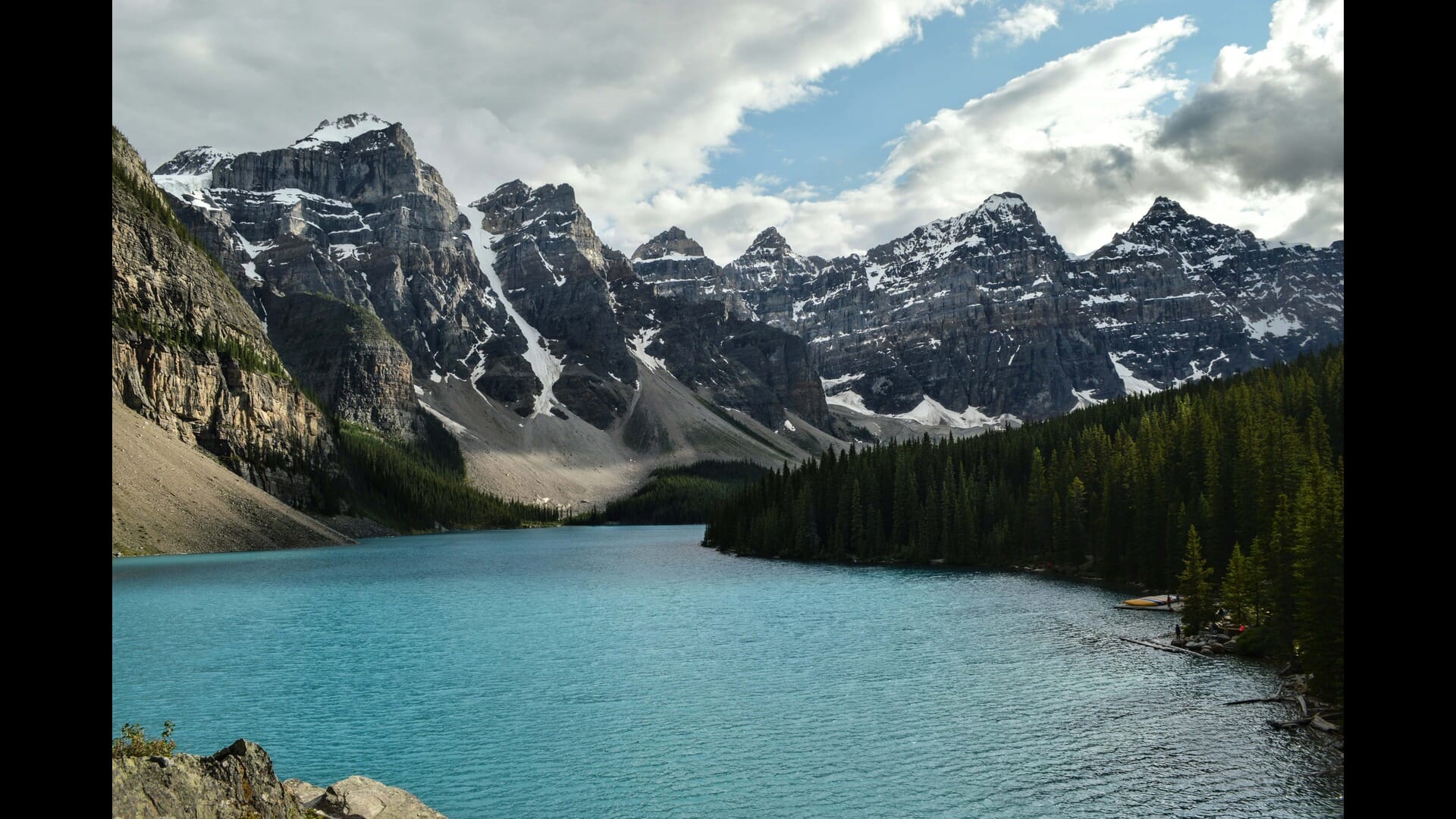
Moraine Lake, with its striking blue waters and the backdrop of the Valley of the Ten Peaks, is a favorite among photographers. The lake is accessible from late May to mid-October, and parking is limited, so arriving early is essential. The Rockpile Trail offers a short hike with panoramic views, making it a perfect spot for sunrise photography.
3. Banff Gondola: Soaring Above the Rockies
For those seeking a bird's-eye view of the stunning landscapes, the Banff Gondola is an experience not to be missed. The gondola ride takes you to the summit of Sulphur Mountain, where you can enjoy breathtaking views of Banff, the Bow Valley, and the surrounding peaks. At the top, there are several walking trails and viewing platforms to explore.
4. Johnston Canyon: A Natural Wonder
Johnston Canyon is a popular hiking destination known for its stunning waterfalls and unique rock formations. The trail follows the canyon, leading to the Lower and Upper Falls, where visitors can marvel at the beauty of cascading water. In winter, the canyon transforms into a magical ice wonderland, with frozen waterfalls and ice formations.
Outdoor Activities in Banff National Park
Hiking Trails for Every Skill Level
Banff National Park boasts an extensive network of hiking trails, catering to all skill levels. Here are a few notable hikes:
- Plain of Six Glaciers Trail: A moderate hike that offers stunning views of glaciers and Lake Louise.
- Larch Valley: Famous for its golden larch trees in the fall, this hike provides breathtaking views of Moraine Lake.
- Tunnel Mountain: A short but steep hike that rewards you with panoramic views of Banff and the surrounding mountains.
Wildlife Watching: A Chance Encounter with Nature
Banff National Park is home to a diverse array of wildlife, including elk, deer, bears, and bighorn sheep. The best times for wildlife watching are early morning and late afternoon. Popular spots include the Bow Valley Parkway and the Lake Minnewanka Loop. Remember to keep a safe distance and never feed the animals.
Winter Activities: Embrace the Snow
In winter, Banff National Park transforms into a playground for snow enthusiasts. Popular activities include:
- Skiing and Snowboarding: With three major ski resorts—Mount Norquay, Sunshine Village, and Lake Louise—there's something for every level of skier.
- Snowshoeing: Explore the winter wonderland on snowshoes, with numerous trails available.
- Ice Skating: Lake Louise offers a picturesque ice skating experience on its frozen surface.
Accommodations in Banff National Park
Where to Stay: Options for Every Budget
Banff National Park offers a variety of accommodations, from luxurious hotels to budget-friendly hostels. Here are some top picks:
- Fairmont Banff Springs: A historic castle-like hotel offering luxury and stunning views.
- Banff Park Lodge: A mid-range option with comfortable rooms and convenient access to downtown Banff.
- HI Banff Alpine Centre: A budget-friendly hostel with a communal kitchen and a vibrant atmosphere.
Camping in Banff National Park
For those looking to immerse themselves in nature, camping is a fantastic option. There are numerous campgrounds within the park, including:
- Tunnel Mountain Campground: Close to Banff townsite, with stunning views of the mountains.
- Two Jack Lakeside Campground: A picturesque campground located near Two Jack Lake, perfect for families.
The Rich History of Banff National Park
Indigenous Peoples and Their Connection to the Land
Long before Banff became a national park, the area was inhabited by Indigenous peoples, including the Stoney Nakoda, Ktunaxa, and Blackfoot Nations. Their deep connection to the land is reflected in their stories, traditions, and ongoing stewardship of the environment.
The Birth of Banff National Park
The establishment of Banff National Park was a pivotal moment in Canadian history. It began with the discovery of hot springs in the area, leading to the creation of the Banff Hot Springs in 1883. The park was officially established in 1885, making it Canada’s first national park and one of the first in the world.
Photography Tips for Capturing Banff's Beauty
Best Times and Locations for Stunning Shots
Banff National Park is a photographer's dream, with countless opportunities for capturing its beauty. Here are some tips:
- Golden Hour: The best time for photography is during the golden hour—shortly after sunrise and before sunset—when the light is soft and warm.
- Iconic Locations: Don’t miss spots like Lake Louise, Moraine Lake, and the Banff Gondola for breathtaking shots.
Essential Gear for Photographers
To make the most of your photography experience in Banff, consider bringing:
- A DSLR or mirrorless camera for high-quality images.
- A tripod for stability, especially during low-light conditions.
- Polarizing filters to enhance colors and reduce glare from water surfaces.
Essential Tips for Visiting Banff National Park
Planning Your Itinerary
To make the most of your visit to Banff National Park, consider the following:
- Prioritize Your Interests: Decide whether you want to focus on hiking, wildlife viewing, or photography, and plan your itinerary accordingly.
- Check the Weather: The weather in the Rockies can be unpredictable, so be prepared for changing conditions.
Safety Tips for Outdoor Adventures
Safety is paramount when exploring the wilderness. Here are some essential tips:
- Stay on Designated Trails: To protect the environment and ensure your safety, always stick to marked trails.
- Bear Safety: Familiarize yourself with bear safety protocols, including carrying bear spray and making noise while hiking.
Conclusion: Embrace the Wild Beauty of Banff National Park
Banff National Park is a treasure trove of natural beauty, adventure, and rich history. Whether you’re hiking through its stunning landscapes, capturing breathtaking photographs, or simply soaking in the tranquility of the mountains, Banff offers an unforgettable experience. As you plan your journey, remember to embrace the wild beauty that surrounds you and create memories that will last a lifetime. With this guide in hand, you’re well-equipped to explore all that Banff National Park has to offer. Happy travels!