
Exploring the History of Viking Culture in Norway
Exploring the History of Viking Culture in Norway
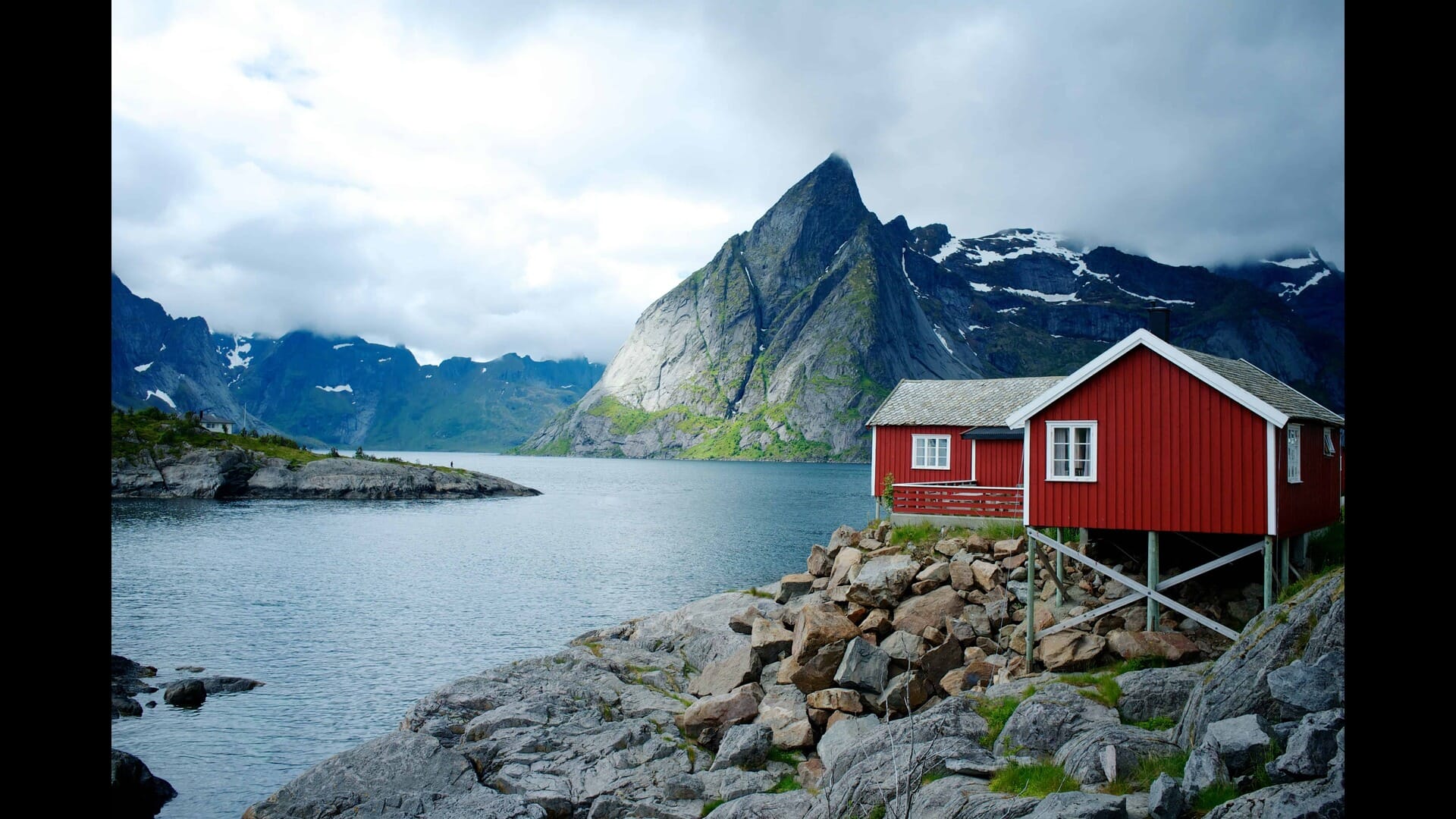
Norway, a land of breathtaking fjords, majestic mountains, and rich cultural heritage, is also the heartland of the Vikings, a seafaring people whose influence stretched far beyond the shores of Scandinavia. This article embarks on a journey through time, exploring the multifaceted history of Viking culture in Norway, from their early beginnings to their lasting legacy in modern society.
The Origins of Viking Culture in Norway
The Viking Age, which spanned from approximately 793 to 1066 AD, marked a significant period in Scandinavian history. The term 'Viking' is often associated with raiding and exploration, but it encompasses much more than that. The Vikings were skilled craftsmen, traders, and settlers who played a crucial role in shaping the cultural landscape of Norway.
The origins of Viking culture can be traced back to the early Germanic tribes that inhabited Scandinavia. These tribes were known for their warrior ethos, agricultural practices, and intricate social structures. As the climate warmed and trade routes expanded, these tribes began to evolve into the Viking society we recognize today.
The Viking Age: A Timeline of Key Events
To understand the history of Viking culture in Norway, it is essential to outline some key events that defined the Viking Age:
- 793 AD: The infamous raid on Lindisfarne, marking the beginning of the Viking Age.
- 800-1000 AD: The height of Viking exploration and settlement, with expeditions reaching as far as North America.
- 872 AD: Harald Fairhair unites Norway, establishing a centralized kingdom.
- 1000 AD: The conversion of Norway to Christianity, leading to significant cultural shifts.
- 1066 AD: The end of the Viking Age, marked by the Battle of Stamford Bridge.
These events laid the groundwork for understanding the complexities of Viking culture and its impact on Norway.
Viking Settlements in Norway: A Journey Through Time
Viking settlements in Norway were strategically located along the coast and inland waterways, facilitating trade and exploration. Some of the most notable Viking sites include:
1. Avaldsnes: The Viking King's Seat
Avaldsnes, located on the island of Karmøy, is often referred to as the 'Viking King's Seat.' This site features the Nordvegen History Centre, which showcases the maritime history of the Vikings. Here, visitors can explore reconstructed Viking houses, burial mounds, and artifacts that provide insight into the daily lives of these seafaring people.
2. Borg: The Largest Viking Longhouse
In the Lofoten Islands, the Borg site boasts the largest known Viking longhouse, measuring over 83 meters in length. This archaeological site offers a glimpse into the social and political structures of Viking society. The longhouse served as a communal living space, where families gathered for feasts and celebrations.
3. Kaupang: Norway's First Town
Kaupang, located in Vestfold, is considered Norway's first town and a significant trading hub during the Viking Age. Excavations have revealed a bustling marketplace where goods from across Europe and beyond were exchanged. The site is a testament to the Vikings' prowess as traders and their connections to the wider world.
Viking Artifacts: A Window into the Past
The discovery of Viking artifacts has played a crucial role in reconstructing their history and culture. These artifacts range from everyday items to intricate jewelry and weaponry, each telling a story of the Viking way of life.
1. Viking Ships: Masters of the Sea
The Viking longship is perhaps the most iconic symbol of Viking culture. These ships were marvels of engineering, designed for speed and agility. The Oseberg ship, unearthed in a burial mound in 1904, is one of the best-preserved Viking ships in the world. It serves as a testament to the Vikings' advanced shipbuilding techniques and their mastery of navigation.
2. Jewelry and Personal Adornments
Viking jewelry, often made from silver and bronze, was not only decorative but also served as a status symbol. Brooches, necklaces, and rings adorned the bodies of both men and women, reflecting their wealth and social standing. The intricate designs often featured Norse mythology and animal motifs, showcasing the artistic skills of Viking craftsmen.
3. Everyday Items: Tools and Utensils
Artifacts such as tools, cooking utensils, and household items provide insight into the daily lives of the Vikings. These items reveal their agricultural practices, cooking methods, and social customs. The discovery of spindle whorls, for example, indicates the importance of textile production in Viking society.
Viking Sagas: The Oral Tradition of Storytelling
The Vikings were not only warriors and traders but also storytellers. The sagas, epic tales of heroes and gods, were passed down through generations, preserving the history and culture of the Norse people. These stories provide valuable insights into Viking beliefs, values, and social structures.
1. The Prose Edda and The Poetic Edda
Two of the most significant sources of Norse mythology are the Prose Edda and the Poetic Edda. Compiled in the 13th century, these texts contain stories of gods like Odin, Thor, and Freyja, as well as tales of legendary heroes and mythical creatures. They offer a glimpse into the spiritual beliefs of the Vikings and their understanding of the world around them.
2. The Role of Skalds
Skalds were the poets of the Viking Age, responsible for composing and reciting poetry that celebrated the deeds of warriors and kings. Their performances were an integral part of Viking culture, fostering a sense of identity and community. The skaldic tradition highlights the importance of oral storytelling in preserving history and culture.
Norse Mythology: The Spiritual Beliefs of the Vikings
Norse mythology played a central role in Viking culture, influencing their worldview and daily lives. The pantheon of gods and goddesses, along with the belief in fate and the afterlife, shaped Viking society.
1. The Nine Realms of Yggdrasil
Central to Norse cosmology is Yggdrasil, the World Tree, which connects the nine realms of existence. Each realm represents different aspects of life, from the realm of the gods (Asgard) to the realm of the dead (Hel). This intricate belief system reflects the Vikings' understanding of the interconnectedness of all things.
2. The Importance of Runes
Runes were the written language of the Vikings, used for communication, rituals, and divination. The runic alphabet, known as the Futhark, consists of symbols that represent sounds and concepts. Runes were often inscribed on stones, weapons, and personal items, serving both practical and spiritual purposes.
Viking Exploration: The Reach of the Norsemen
The Vikings were renowned for their exploration and seafaring abilities. Their expeditions took them across vast distances, from the shores of North America to the rivers of Russia.
1. The Discovery of Vinland
One of the most remarkable achievements of Viking exploration was the discovery of Vinland, believed to be located in present-day Newfoundland, Canada. Led by Leif Erikson around the year 1000 AD, this expedition marked the first known European contact with North America. The remains of a Viking settlement, known as L'Anse aux Meadows, provide evidence of this historic journey.
2. Trade Routes and Cultural Exchange
The Vikings established extensive trade networks that connected Scandinavia to the Byzantine Empire, the Middle East, and beyond. They traded goods such as furs, timber, and iron for silver, spices, and textiles. This cultural exchange enriched Viking society and contributed to the development of their economy.
The Decline of Viking Culture: Factors Leading to Change
The Viking Age eventually came to an end due to various factors, including the rise of centralized kingdoms, the spread of Christianity, and changing economic conditions.
1. The Conversion to Christianity
The conversion of Norway to Christianity in the 10th and 11th centuries marked a significant turning point in Viking culture. The adoption of Christianity led to the decline of pagan practices and the integration of Christian beliefs into Viking society. This transition is exemplified by the construction of churches on former pagan sites, symbolizing the merging of two worlds.
2. The Rise of Nation-States
As Norway and other Scandinavian countries began to establish centralized kingdoms, the traditional Viking way of life started to fade. The consolidation of power led to the decline of raiding and exploration, as the focus shifted towards governance and trade.
The Legacy of Viking Culture in Modern Norway
Despite the decline of the Viking Age, the legacy of Viking culture continues to influence modern Norway. From language and place names to cultural traditions, the impact of the Vikings is still felt today.
1. Language and Place Names
Many Norwegian words and place names have their roots in Old Norse, the language spoken by the Vikings. For example, the word 'fjord' comes from the Old Norse 'fjǫrðr,' meaning 'to cross.' Place names like Oslo and Bergen also reflect the Viking heritage of the region.
2. Cultural Festivals and Celebrations
Modern Norwegians celebrate their Viking heritage through various cultural festivals and events. Viking reenactments, traditional crafts, and storytelling are just a few ways that the spirit of the Vikings lives on in contemporary society. Events like the Viking Festival in Gudvangen attract visitors from around the world, eager to experience the vibrant culture of the Norsemen.
Visiting Norway: A Guide to Viking Heritage Sites
For those interested in exploring the history of Viking culture in Norway, several key sites and museums offer immersive experiences:
1. Viking Ship Museum in Oslo
The Viking Ship Museum houses some of the best-preserved Viking ships in the world, including the Oseberg and Gokstad ships. Visitors can marvel at the craftsmanship and learn about the maritime culture of the Vikings through interactive exhibits.
2. The Norwegian Museum of Cultural History
This open-air museum in Oslo features a collection of traditional Norwegian buildings, including a stave church and reconstructed Viking houses. It provides a comprehensive overview of Norwegian history, including the Viking Age.
3. Historical Sites in Lofoten
The Lofoten Islands are home to several archaeological sites and museums dedicated to Viking history. The Lofotr Viking Museum offers visitors the chance to experience Viking life through reconstructed longhouses, traditional food, and cultural activities.
Conclusion: Embracing the Viking Spirit
Exploring the history of Viking culture in Norway is not just a journey through time; it is an opportunity to connect with the spirit of a people who shaped the world in profound ways. From their remarkable achievements in exploration and trade to their rich mythology and artistic expression, the Vikings left an indelible mark on history. As we delve into their legacy, we gain a deeper understanding of the complexities of human culture and the enduring power of storytelling.
Whether you are a history enthusiast, a lover of mythology, or simply curious about the past, Norway offers a wealth of experiences that celebrate the vibrant tapestry of Viking culture. So pack your bags, embark on an adventure, and immerse yourself in the captivating world of the Vikings.