
Exploring the Vibrant Culture of Nubian Villages
Exploring the Vibrant Culture of Nubian Villages
Nubian villages, nestled along the banks of the Nile River in Egypt and Sudan, are a treasure trove of rich culture, history, and tradition. These vibrant communities are known for their stunning architecture, colorful customs, and warm hospitality. In this article, we will embark on a journey to explore the unique aspects of Nubian culture, from their traditional crafts and music to their delicious cuisine and festivals.
Join us as we delve into the heart of Nubian life and discover what makes these villages a must-visit destination for travelers seeking an authentic cultural experience.
The Historical Significance of Nubian Villages
The Nubians are one of the oldest civilizations in the world, with a history that dates back thousands of years. The Nubian Kingdoms, such as the Kingdom of Kush, thrived along the Nile River, and their influence can still be seen today in the architecture and customs of Nubian villages. The historical significance of these villages is immense, as they represent a blend of ancient traditions and modern influences.
The Kingdom of Kush: A Glimpse into Nubian History
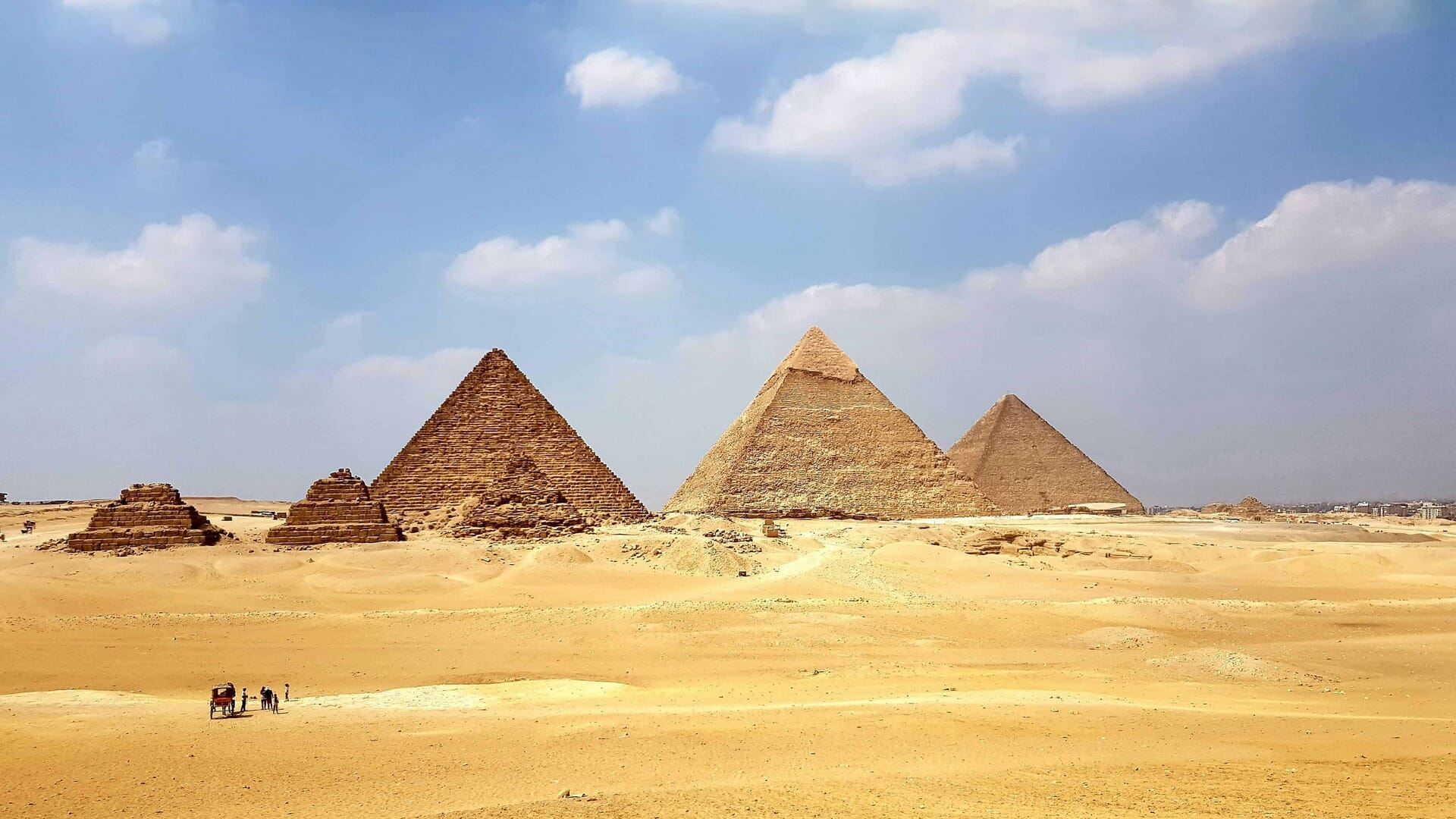
The Kingdom of Kush was a powerful ancient civilization that ruled over Egypt at various points in history. The Nubians were known for their impressive pyramids, which rival those of the Egyptians. Today, the remnants of these ancient structures can be found in Nubian villages, serving as a reminder of their rich heritage. Visitors can explore the archaeological sites and learn about the fascinating history of the Nubian people.
The Impact of the Aswan High Dam on Nubian Culture
In the mid-20th century, the construction of the Aswan High Dam led to significant changes in the Nubian way of life. The dam created Lake Nasser, which submerged many Nubian villages and forced the relocation of thousands of Nubians. Despite these challenges, the Nubians have managed to preserve their culture and traditions, adapting to their new surroundings while maintaining a strong sense of identity.
The Architectural Wonders of Nubian Villages
One of the most striking features of Nubian villages is their unique architecture. The houses are built using mud bricks and are often painted in vibrant colors, reflecting the lively spirit of the Nubian people. The architectural style is not only aesthetically pleasing but also practical, designed to withstand the harsh climate of the region.
Colorful Homes: A Symbol of Nubian Identity
The colorful homes of Nubian villages are a testament to the creativity and artistry of the Nubian people. Each house is adorned with intricate designs and patterns, often inspired by nature and daily life. The use of bright colors, such as blue, yellow, and red, creates a visually stunning landscape that is a feast for the eyes.
Traditional Building Techniques: A Link to the Past
The construction techniques used in Nubian villages have been passed down through generations. The use of locally sourced materials, such as mud and reeds, reflects a deep connection to the land. Visitors can witness the building process and even participate in workshops to learn about traditional Nubian construction methods.
The Rich Tapestry of Nubian Traditions
Nubian culture is a vibrant tapestry of traditions that have been preserved over centuries. From music and dance to storytelling and crafts, the Nubians have a rich cultural heritage that is celebrated in their daily lives.
Nubian Music: The Heartbeat of the Community
Music plays a central role in Nubian culture, serving as a means of expression and a way to bring the community together. Traditional Nubian music is characterized by the use of unique instruments, such as the oud and the tambourine. The rhythmic beats and melodic tunes create an atmosphere of joy and celebration during festivals and gatherings.
Dance as a Form of Expression
Dance is another important aspect of Nubian culture. Traditional dances are often performed during celebrations and social events, showcasing the vibrant spirit of the Nubian people. The movements are energetic and expressive, reflecting the joy and unity of the community.
Culinary Delights: A Taste of Nubian Cuisine
Nubian cuisine is a delightful fusion of flavors and ingredients that reflect the region's agricultural heritage. The food is often prepared using traditional methods, with an emphasis on fresh, locally sourced ingredients.
Traditional Nubian Dishes: A Culinary Journey
Some of the most popular dishes in Nubian cuisine include fatta, a rice and meat dish, and koshari, a hearty mix of lentils, rice, and pasta. The use of spices and herbs adds depth to the flavors, making each meal a unique experience. Visitors can participate in cooking classes to learn how to prepare these traditional dishes and gain insight into Nubian culinary practices.
The Importance of Hospitality in Nubian Culture
Hospitality is a cornerstone of Nubian culture. Visitors to Nubian villages are often welcomed with open arms and treated to traditional meals. Sharing food is seen as a way to build connections and strengthen relationships, making it an integral part of the Nubian experience.
Festivals and Celebrations: A Showcase of Nubian Culture
Nubian festivals are vibrant celebrations that bring the community together. These events are marked by music, dance, food, and traditional rituals, providing a glimpse into the rich cultural heritage of the Nubians.
The Nubian Wedding: A Colorful Celebration of Love
Nubian weddings are elaborate affairs that can last for several days. The celebrations are filled with music, dance, and traditional rituals that reflect the couple's cultural heritage. Guests are treated to a feast of delicious Nubian dishes, and the atmosphere is one of joy and unity.
The Festival of the Nile: A Celebration of Life
The Festival of the Nile is an annual event that celebrates the importance of the Nile River to Nubian culture. The festival features traditional music, dance performances, and cultural exhibitions, attracting visitors from all over the region. It is a time for the community to come together and celebrate their shared heritage.
The Role of Storytelling in Nubian Culture
Storytelling is a cherished tradition in Nubian culture, serving as a means of passing down knowledge and preserving history. Elders often gather with children to share tales of their ancestors, legends, and moral lessons.
The Art of Oral Tradition
The art of oral storytelling is a skill that is highly valued in Nubian communities. Stories are often told in a rhythmic and melodic manner, captivating the audience and transporting them to another time and place. This tradition not only preserves history but also fosters a sense of community and belonging.
Modern Storytelling: Blending Tradition with Innovation
In recent years, Nubian storytellers have begun to incorporate modern elements into their narratives, using technology and social media to reach a wider audience. This blending of tradition and innovation ensures that Nubian stories continue to thrive in the digital age.
The Resilience of Nubian Culture in a Modern World
Despite the challenges faced by the Nubian people, their culture remains resilient and vibrant. The Nubians have adapted to modern influences while staying true to their roots, ensuring that their traditions are passed down to future generations.
Education and Cultural Preservation
Education plays a crucial role in the preservation of Nubian culture. Many initiatives have been launched to teach young Nubians about their heritage, including language classes, cultural workshops, and community events. These efforts help to instill a sense of pride in their identity and encourage the continuation of traditional practices.
The Role of Tourism in Supporting Nubian Culture
Tourism has become an essential part of the Nubian economy, providing opportunities for cultural exchange and economic development. By visiting Nubian villages, travelers contribute to the preservation of traditions and support local artisans and businesses. Responsible tourism practices ensure that the cultural integrity of Nubian villages is maintained while providing visitors with an authentic experience.
Conclusion: Embracing the Vibrant Culture of Nubian Villages
Exploring the vibrant culture of Nubian villages is an enriching experience that offers a glimpse into a world steeped in history and tradition. From the colorful architecture and delicious cuisine to the lively music and dance, the Nubian people have created a unique cultural identity that is both captivating and inspiring. As travelers seek authentic experiences, Nubian villages stand out as a destination that embodies the spirit of resilience, creativity, and community. By embracing the vibrant culture of Nubian villages, we not only enrich our own lives but also contribute to the preservation of a rich heritage that deserves to be celebrated for generations to come.