
Exploring the Unique Geology of the Dominican Republic
Exploring the Unique Geology of the Dominican Republic
The Dominican Republic, a gem nestled in the heart of the Caribbean, is renowned for its stunning beaches, vibrant culture, and rich history. However, beneath its tropical allure lies a geological tapestry that tells a story of ancient forces, natural wonders, and breathtaking landscapes.
This article aims to take you on an extensive journey through the unique geology of the Dominican Republic, exploring its diverse formations, volcanic activity, and the impact of these geological features on the environment and local culture.
The Geological Formation of the Dominican Republic
The Dominican Republic occupies the eastern two-thirds of the island of Hispaniola, which it shares with Haiti. The island's geological history is a complex interplay of tectonic movements, volcanic activity, and erosion. The Dominican Republic's geology can be divided into several distinct regions, each showcasing unique characteristics shaped by millions of years of geological processes.
The Tectonic Origins of Hispaniola
Hispaniola's formation is primarily attributed to the collision of the North American and Caribbean tectonic plates. This tectonic activity has resulted in the creation of mountain ranges, valleys, and various geological formations. The island's geology is a testament to the dynamic nature of our planet, where the forces of nature have sculpted the land over eons.
The Role of Volcanism in Shaping the Landscape
Volcanism has played a significant role in the geological history of the Dominican Republic. The country is home to several dormant and extinct volcanoes, with the most notable being Pico Duarte, the highest peak in the Caribbean. This majestic mountain stands at 3,098 meters (10,164 feet) and is a popular destination for hikers and nature enthusiasts. The volcanic activity has not only shaped the landscape but has also contributed to the rich biodiversity found in the region.
Exploring the Mountain Ranges of the Dominican Republic
The Dominican Republic boasts several mountain ranges that are not only stunning but also geologically significant. These ranges are a result of tectonic uplift and volcanic activity, creating a diverse array of ecosystems and habitats.
The Cordillera Central: A Geological Marvel
The Cordillera Central is the backbone of the Dominican Republic, stretching from the northwest to the southeast of the island. This mountain range is home to Pico Duarte and features a variety of geological formations, including limestone, granite, and volcanic rock. The diverse geology of the Cordillera Central supports a wide range of flora and fauna, making it a hotspot for biodiversity.
Hiking in the Cordillera Central
Hiking in the Cordillera Central offers an unparalleled opportunity to experience the unique geology of the region. Trails wind through lush forests, past cascading waterfalls, and up to breathtaking viewpoints. The hike to Pico Duarte is particularly popular, attracting adventurers from around the world. Along the way, hikers can observe the distinct geological features, including ancient volcanic rock formations and unique soil types that support diverse ecosystems.
The Sierra de Bahoruco: A Biodiversity Hotspot
The Sierra de Bahoruco is another significant mountain range in the Dominican Republic, known for its unique geological features and rich biodiversity. This range is characterized by steep cliffs, deep valleys, and a variety of ecosystems, including cloud forests and dry forests. The geology of the Sierra de Bahoruco is primarily composed of limestone, which has been shaped by erosion over thousands of years.
Exploring the Caves of the Sierra de Bahoruco
One of the most fascinating aspects of the Sierra de Bahoruco is its extensive cave systems. The limestone formations have created a network of caves that are home to unique geological features, such as stalactites and stalagmites. Exploring these caves offers a glimpse into the geological processes that have shaped the region and provides an opportunity to learn about the unique ecosystems that thrive in these underground environments.
The Coastal Geology of the Dominican Republic
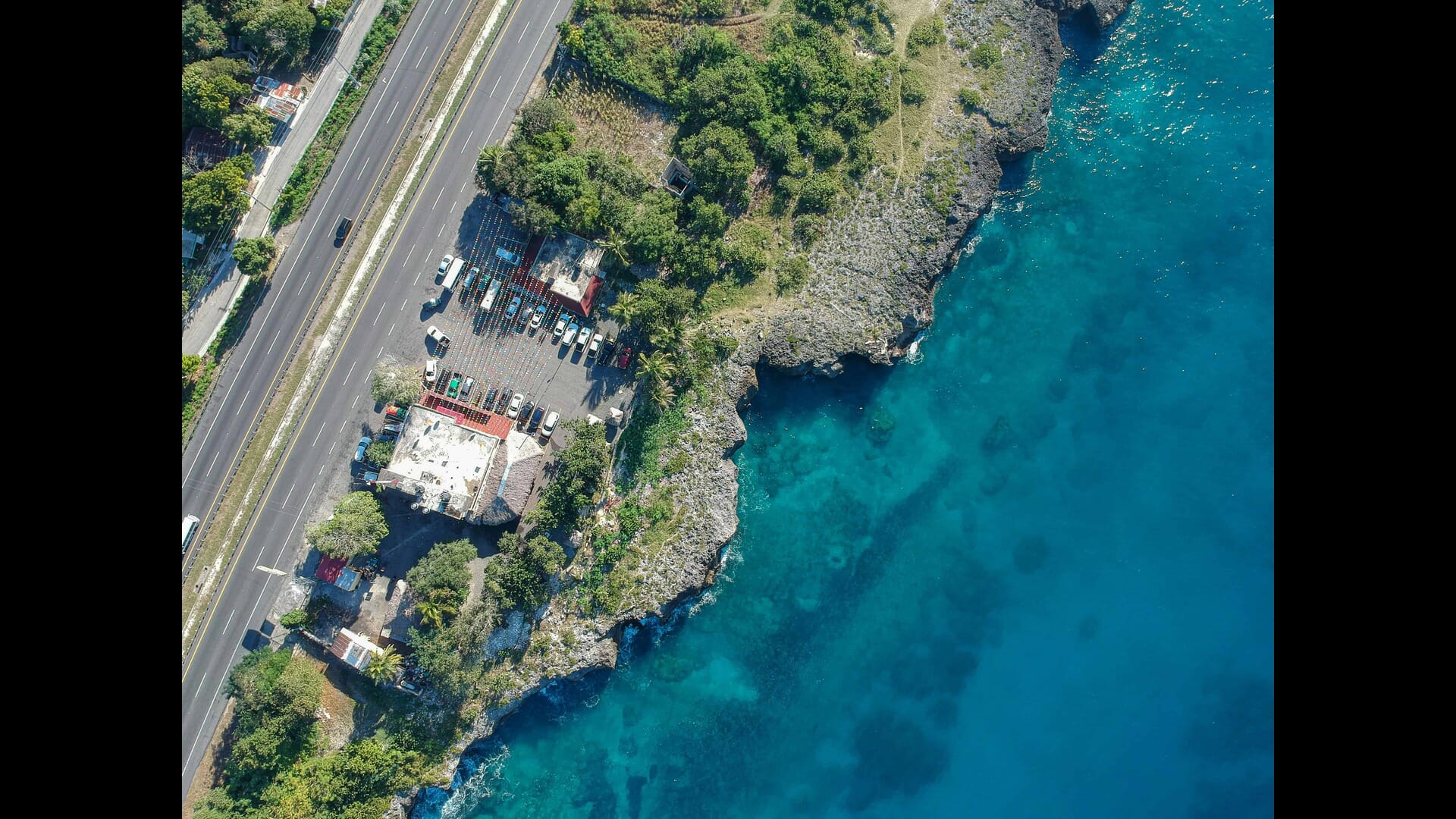
While the mountains of the Dominican Republic offer stunning geological features, the coastal regions are equally captivating. The interplay between land and sea has created a diverse array of geological formations, including cliffs, beaches, and coral reefs.
The Cliffs of Los Haitises National Park
Los Haitises National Park, located on the northeastern coast of the Dominican Republic, is a prime example of coastal geology. The park is characterized by its dramatic limestone cliffs, mangrove forests, and unique rock formations. The geological history of Los Haitises is marked by the erosion of limestone, which has created a landscape of caves, sinkholes, and unique karst formations.
Kayaking Through the Mangroves
Exploring Los Haitises National Park by kayak is a fantastic way to experience its unique geology. Paddling through the mangroves, visitors can observe the intricate relationship between the land and sea, as well as the diverse wildlife that inhabits the area. The park is home to numerous bird species, making it a popular destination for birdwatching enthusiasts.
The Coral Reefs of the Dominican Republic
The coastal waters surrounding the Dominican Republic are home to some of the most vibrant coral reefs in the Caribbean. These reefs are not only beautiful but also play a crucial role in the local ecosystem. The geology of the ocean floor, combined with the warm waters of the Caribbean, creates ideal conditions for coral growth.
Snorkeling and Diving Adventures
Snorkeling and diving in the Dominican Republic offer an incredible opportunity to explore the underwater geological features of the region. From colorful coral reefs to underwater caves, the marine environment is a treasure trove of geological wonders. Popular diving spots include the waters off Punta Cana and the Bayahibe area, where divers can encounter a diverse array of marine life and stunning geological formations.
The Impact of Erosion on the Dominican Republic's Geology
Erosion is a natural process that has significantly shaped the geology of the Dominican Republic. Factors such as rainfall, wind, and human activity contribute to the erosion of the land, creating unique geological features and landscapes.
The Role of Water in Erosion
Water is one of the most powerful agents of erosion, and its impact can be seen throughout the Dominican Republic. Rivers and streams carve through the landscape, creating valleys and canyons while transporting sediment to the coast. The process of erosion has also exposed various geological layers, providing insight into the island's geological history.
Human Impact on Erosion
Human activity has also played a role in the erosion of the Dominican Republic's landscapes. Deforestation, agriculture, and urban development have all contributed to increased erosion rates. Understanding the impact of human activity on the environment is crucial for preserving the unique geological features of the region.
The Rich Biodiversity of the Dominican Republic's Geology
The unique geology of the Dominican Republic has given rise to a rich biodiversity that is found nowhere else in the world. The diverse ecosystems, shaped by the island's geological features, support a wide range of plant and animal species.
Endemic Species of the Dominican Republic
The Dominican Republic is home to numerous endemic species, including plants, birds, and reptiles. The unique geological formations and varied ecosystems provide ideal habitats for these species, many of which are adapted to the specific conditions of their environment.
Conservation Efforts in the Dominican Republic
Conservation efforts in the Dominican Republic are crucial for protecting the unique biodiversity that thrives in the region. National parks and protected areas play a vital role in preserving the geological features and ecosystems that support the island's rich biodiversity. Organizations and local communities are working together to promote sustainable practices and raise awareness about the importance of conservation.
Eco-Tourism and the Geology of the Dominican Republic
Eco-tourism is a growing industry in the Dominican Republic, offering visitors the chance to explore the island's unique geology while supporting conservation efforts. From hiking in the mountains to snorkeling in the coral reefs, eco-tourism provides a sustainable way to experience the natural beauty of the Dominican Republic.
Sustainable Practices in Eco-Tourism
Sustainable practices in eco-tourism are essential for preserving the unique geological features and ecosystems of the Dominican Republic. Tour operators and local communities are increasingly adopting practices that minimize environmental impact, such as using renewable energy sources and promoting responsible waste management.
The Future of Eco-Tourism in the Dominican Republic
The future of eco-tourism in the Dominican Republic looks promising, with an increasing number of visitors seeking authentic experiences that connect them to the natural world. By promoting sustainable practices and raising awareness about the importance of conservation, the Dominican Republic can continue to be a leader in eco-tourism while preserving its unique geological heritage.
Conclusion: The Geological Treasure of the Dominican Republic
The Dominican Republic is a geological treasure trove, offering a diverse array of landscapes, formations, and ecosystems. From the towering peaks of the Cordillera Central to the vibrant coral reefs of the coast, the island's unique geology tells a story of ancient forces and natural wonders. By exploring the geological features of the Dominican Republic, visitors can gain a deeper appreciation for the natural world and the importance of preserving these unique landscapes for future generations.
As you plan your next adventure, consider the Dominican Republic not just for its stunning beaches and rich culture, but for the incredible geological experiences that await you. Whether you're hiking in the mountains, exploring caves, or diving in the ocean, the unique geology of the Dominican Republic promises to captivate and inspire.
In conclusion, the Dominican Republic is not only a paradise for beach lovers but also a haven for geology enthusiasts. The island's diverse geological features, shaped by millions of years of natural processes, offer a unique opportunity to explore the Earth's history and witness the beauty of nature in its rawest form. So pack your bags, lace up your hiking boots, and get ready to discover the geological wonders of the Dominican Republic!