
Exploring the Unique Geography of Spain: A Journey Through Diverse Landscapes
Exploring the Unique Geography of Spain: A Journey Through Diverse Landscapes
Spain, a country steeped in history and culture, is equally renowned for its diverse and unique geography. From the soaring peaks of the Pyrenees to the sun-kissed beaches of the Mediterranean, Spain's landscapes are as varied as its rich cultural tapestry.
This article aims to take you on a journey through the geographical wonders of Spain, exploring its mountains, rivers, coastlines, and everything in between.
The Diverse Landscapes of Spain: An Overview
Spain's geography is a mosaic of different landscapes, each with its own distinct character. The country is divided into several regions, each showcasing unique geographical features. The interplay of mountains, plains, rivers, and coastlines creates a rich tapestry that is both visually stunning and ecologically diverse. Understanding the geography of Spain is essential for appreciating its cultural and historical significance.
The Majestic Pyrenees Mountains: Spain's Natural Border
The Pyrenees mountains form a natural border between Spain and France, stretching over 430 kilometers from the Atlantic Ocean to the Mediterranean Sea. This mountain range is not only a geographical landmark but also a haven for outdoor enthusiasts. The peaks of the Pyrenees, including Aneto, the highest peak at 3,404 meters, offer breathtaking views and a plethora of activities such as hiking, skiing, and mountain biking.
Hiking Trails in the Pyrenees: A Hiker's Paradise
The Pyrenees are home to numerous hiking trails that cater to all levels of experience. One of the most popular routes is the GR11, which traverses the entire range from the Atlantic to the Mediterranean. Hikers can enjoy stunning vistas, diverse flora and fauna, and the chance to encounter traditional mountain villages along the way. The breathtaking landscapes of the Pyrenees are a testament to nature's artistry, making it a must-visit for any nature lover.
The Meseta Central: Spain's High Plateau
The Meseta Central, or Central Plateau, is a vast expanse of highland that covers a significant portion of Spain. This region is characterized by its flat terrain, rolling hills, and arid climate. The Meseta is divided into two main sections: the Northern Meseta and the Southern Meseta. This geographical feature plays a crucial role in Spain's agriculture, as it is one of the country's primary farming areas.
Agricultural Significance of the Meseta Central
The Meseta Central is known for its extensive wheat fields, vineyards, and olive groves. The region's climate, with hot summers and cold winters, is ideal for growing a variety of crops. The agricultural practices here have been shaped by centuries of tradition, and visitors can explore charming villages that showcase local produce and culinary delights. The Meseta is not just a geographical feature; it is a vital part of Spain's economy and cultural heritage.
The Coastal Regions of Spain: A Mediterranean Paradise
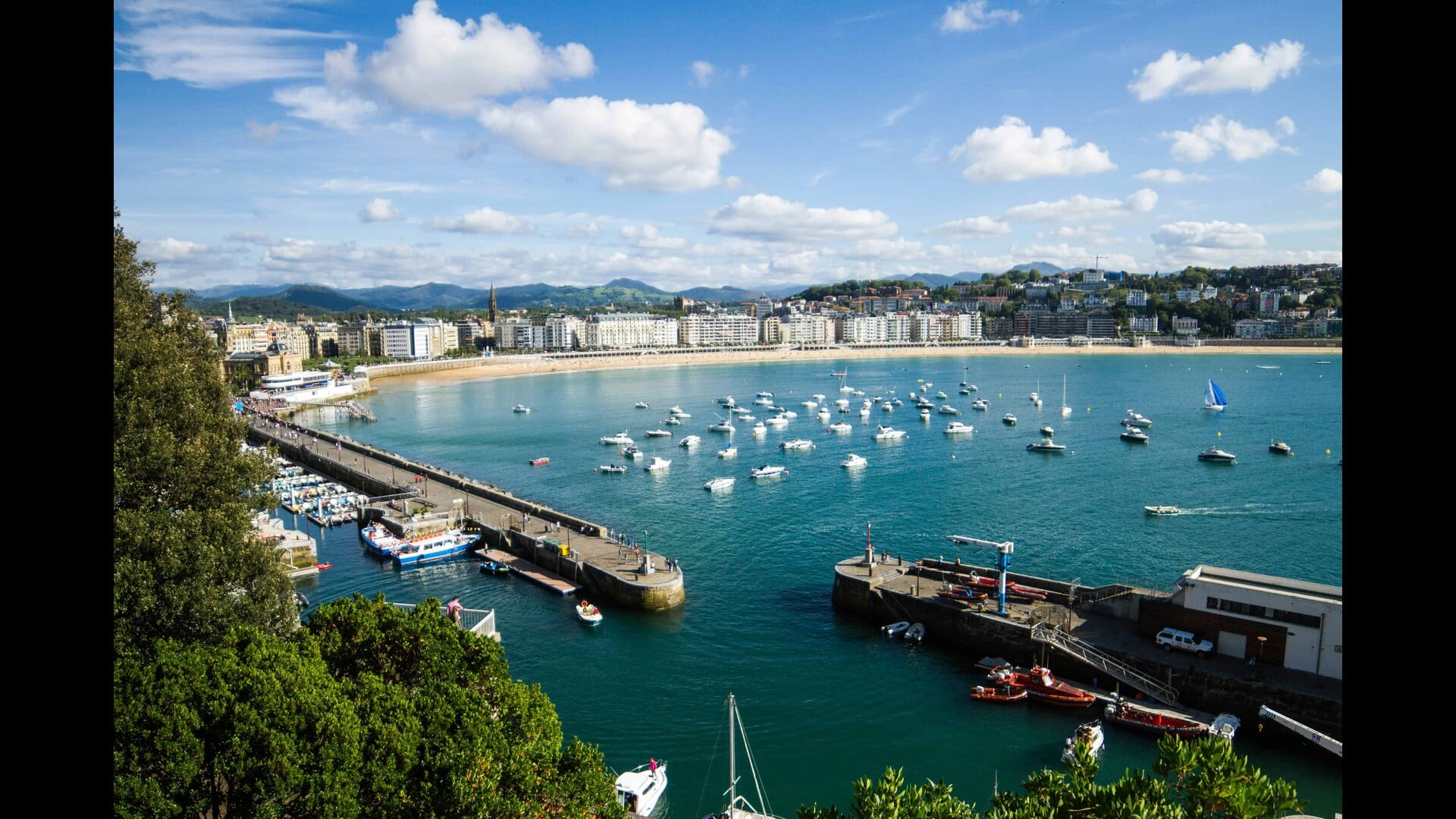
Spain's coastline stretches for over 4,000 kilometers, offering a diverse range of landscapes from rugged cliffs to sandy beaches. The Mediterranean coast is particularly famous for its warm climate, crystal-clear waters, and vibrant beach culture. Regions such as Costa Brava, Costa del Sol, and the Balearic Islands are popular destinations for tourists seeking sun and relaxation.
Costa Brava: A Jewel of the Mediterranean
Costa Brava, located in Catalonia, is known for its dramatic cliffs, hidden coves, and charming fishing villages. The region's rugged coastline is dotted with beautiful beaches and crystal-clear waters, making it a paradise for beachgoers and water sports enthusiasts. The picturesque town of Cadaqués, with its whitewashed buildings and artistic heritage, is a highlight of the Costa Brava. Visitors can explore the stunning Cap de Creus Natural Park, which offers breathtaking views and hiking opportunities.
The Balearic Islands: A Geographical Gem
The Balearic Islands, comprising Mallorca, Menorca, Ibiza, and Formentera, are a stunning example of Spain's geographical diversity. Each island has its own unique character, from the rugged mountains of Mallorca to the tranquil beaches of Menorca. Ibiza is famous for its vibrant nightlife, while Formentera offers a more laid-back atmosphere with pristine beaches and crystal-clear waters.
Exploring Mallorca's Diverse Landscapes
Mallorca, the largest of the Balearic Islands, boasts a diverse landscape that includes mountains, beaches, and charming villages. The Serra de Tramuntana mountain range, a UNESCO World Heritage site, offers breathtaking views and numerous hiking trails. The island's coastline is dotted with beautiful beaches, such as Cala Millor and Playa de Muro, where visitors can relax and soak up the sun.
The Rivers of Spain: Lifelines of the Landscape
Spain is home to numerous rivers that have shaped its geography and culture. The major rivers, including the Ebro, Duero, and Guadalquivir, play a crucial role in the country's agriculture, industry, and transportation. These rivers not only provide water for irrigation but also serve as vital trade routes throughout history.
The Ebro River: Spain's Longest River
The Ebro River, stretching over 910 kilometers, is the longest river in Spain. It flows from the Cantabrian Mountains to the Mediterranean Sea, passing through several regions, including La Rioja and Catalonia. The Ebro is known for its fertile valleys, which produce some of Spain's finest wines. Visitors can explore the picturesque towns along the river, such as Zaragoza, and enjoy the stunning landscapes that surround it.
Spain's National Parks: Preserving Natural Beauty
Spain is home to numerous national parks that showcase the country's diverse ecosystems and geographical features. These protected areas are vital for preserving Spain's natural heritage and offer visitors a chance to experience the country's stunning landscapes up close.
Picos de Europa National Park: A Natural Wonderland
Picos de Europa National Park, located in northern Spain, is a breathtaking example of the country's mountainous geography. The park is known for its dramatic peaks, deep gorges, and lush valleys. Hiking trails wind through the park, offering stunning views of the surrounding landscapes. The park is also home to diverse wildlife, including the Cantabrian brown bear and the Iberian wolf, making it a haven for nature enthusiasts.
The Canary Islands: A Unique Geographical Experience
The Canary Islands, located off the northwest coast of Africa, are an archipelago known for their unique geography and diverse landscapes. Each island has its own distinct character, from the volcanic landscapes of Tenerife to the lush greenery of La Gomera. The Canary Islands are a popular destination for tourists seeking adventure and natural beauty.
Exploring Tenerife's Volcanic Landscapes
Tenerife, the largest of the Canary Islands, is home to Mount Teide, Spain's highest peak and a UNESCO World Heritage site. The island's volcanic landscapes are a major draw for visitors, offering opportunities for hiking, stargazing, and exploring unique geological formations. The Teide National Park, with its otherworldly landscapes, is a must-visit for anyone traveling to Tenerife.
The Cultural Geography of Spain: A Tapestry of Influences
Spain's geography has played a significant role in shaping its culture and history. The diverse landscapes have influenced the way people live, work, and interact with their environment. From the agricultural practices of the Meseta to the fishing traditions of the coastal regions, the geography of Spain is intertwined with its cultural identity.
Regional Differences: A Reflection of Geography
Spain is divided into several autonomous communities, each with its own unique culture, traditions, and geography. The geographical features of each region have influenced local customs, cuisine, and dialects. For example, the mountainous regions of Asturias are known for their hearty cuisine, while the coastal areas of Andalusia are famous for their seafood dishes. Understanding the geographical context of each region enriches the experience of exploring Spain's diverse culture.
Conclusion: Embracing the Unique Geography of Spain
Spain's unique geography is a treasure trove of diverse landscapes, rich ecosystems, and cultural significance. From the majestic Pyrenees to the sun-drenched beaches of the Mediterranean, the country's geographical features offer endless opportunities for exploration and adventure. Whether you're hiking in the mountains, relaxing on the beach, or discovering the vibrant culture of its regions, Spain's geography is an integral part of its charm. Embrace the beauty of Spain's landscapes and let them inspire your journey through this remarkable country.