
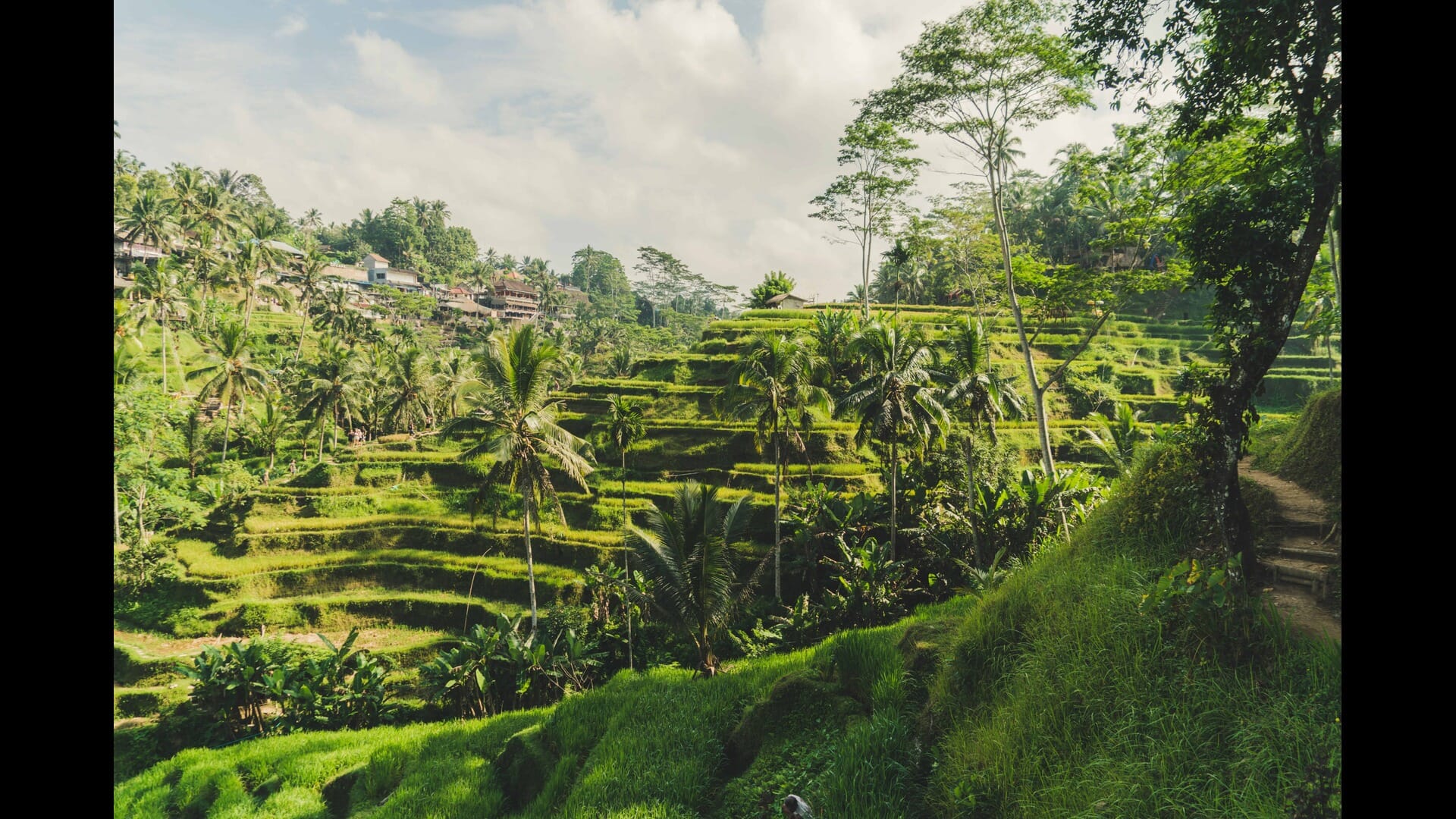
Exploring the Unique Flora and Fauna of Sumatra
Exploring the Unique Flora and Fauna of Sumatra
Sumatra, the sixth-largest island in the world, is a treasure trove of biodiversity, boasting some of the most unique flora and fauna on the planet. Nestled in the heart of Indonesia, this island is home to lush rainforests, towering mountains, and a variety of ecosystems that support an incredible array of wildlife.
From the critically endangered Sumatran orangutan to the vibrant Rafflesia arnoldii, Sumatra's natural wonders are both captivating and essential for the health of our planet. In this article, we will embark on a journey to explore the unique flora and fauna of Sumatra, uncovering the secrets of its ecosystems and the importance of conservation efforts to protect this biodiversity hotspot.
The Rich Biodiversity of Sumatra
Sumatra is one of the most biodiverse islands in the world, featuring a variety of ecosystems ranging from coastal mangroves to highland forests. The island's unique geographical position and its history of volcanic activity have contributed to the development of rich habitats that support a wide range of species. According to the World Wildlife Fund, Sumatra is home to approximately 10,000 species of flowering plants, 200 species of mammals, and 600 species of birds.
The Importance of Sumatra's Ecosystems
The ecosystems of Sumatra play a crucial role in maintaining the global environment. They act as carbon sinks, helping to mitigate climate change, and provide essential services such as clean water, soil fertility, and habitat for wildlife. Furthermore, these ecosystems support the livelihoods of millions of people who depend on them for food, medicine, and economic opportunities.
The Iconic Flora of Sumatra
The Rafflesia arnoldii: The World's Largest Flower
One of the most iconic plants found in Sumatra is the Rafflesia arnoldii, known for producing the largest single flower in the world. This parasitic plant can grow up to three feet in diameter and emits a strong odor resembling rotting flesh, which attracts pollinators like flies. The Rafflesia is not only a marvel of nature but also a symbol of the unique biodiversity that Sumatra has to offer.
The Sumatran Orchid: A Floral Gem
Sumatra is home to over 2,000 species of orchids, making it a paradise for orchid enthusiasts. The Sumatran orchid, or Dendrobium, is particularly noteworthy for its vibrant colors and intricate patterns. These orchids thrive in the humid, tropical climate of the island and can be found in various habitats, from lowland rainforests to montane forests.
The Medicinal Plants of Sumatra
The island's rich biodiversity also includes numerous medicinal plants that have been used for centuries by local communities. Plants such as Andrographis paniculata and Curcuma longa (turmeric) are known for their healing properties and are integral to traditional medicine practices. The knowledge of these plants is passed down through generations, highlighting the importance of preserving Sumatra's unique flora.
The Fascinating Fauna of Sumatra
The Sumatran Orangutan: A Critically Endangered Species
The Sumatran orangutan (Pongo abelii) is one of the most iconic and critically endangered species found on the island. With an estimated population of fewer than 14,000 individuals, these great apes are threatened by habitat loss due to deforestation and illegal logging. Conservation efforts are underway to protect their habitats and ensure their survival for future generations.
The Sumatran Tiger: The Last of Its Kind
Another emblematic species of Sumatra is the Sumatran tiger (Panthera tigris sumatrae), the smallest and most endangered subspecies of tiger in the world. With only around 400 individuals left in the wild, the Sumatran tiger faces threats from poaching and habitat destruction. Conservationists are working tirelessly to protect these majestic creatures and their habitats.
The Sumatran Elephant: Guardians of the Forest
The Sumatran elephant (Elephas maximus sumatranus) is a distinct subspecies of the Asian elephant and plays a vital role in maintaining the health of the forests. These elephants help disperse seeds and create pathways through dense vegetation, promoting biodiversity. However, habitat loss and human-wildlife conflict pose significant challenges to their survival.
Exploring Sumatra's National Parks
Bukit Barisan Selatan National Park
Bukit Barisan Selatan National Park is a UNESCO World Heritage Site that showcases the diverse ecosystems of Sumatra. Covering over 3,500 square kilometers, this park is home to a variety of wildlife, including the Sumatran tiger, orangutan, and numerous bird species. The park offers opportunities for trekking, wildlife watching, and experiencing the rich flora of the region.
Gunung Leuser National Park
Gunung Leuser National Park is another UNESCO World Heritage Site and is part of the larger Leuser Ecosystem. This park is renowned for its rich biodiversity and is one of the last remaining habitats for the Sumatran orangutan. Visitors can explore the lush rainforests, encounter unique wildlife, and participate in conservation initiatives aimed at protecting the park's natural resources.
Kerinci Seblat National Park
Kerinci Seblat National Park is the largest national park in Sumatra and is known for its stunning landscapes and diverse ecosystems. Home to the highest peak in Sumatra, Mount Kerinci, the park is a haven for trekkers and nature lovers. The park is also home to endangered species such as the Sumatran tiger and the Malayan sun bear, making it a critical area for conservation efforts.
The Role of Eco-Tourism in Conservation
Promoting Sustainable Practices
Eco-tourism in Sumatra plays a vital role in promoting sustainable practices that benefit both the environment and local communities. By providing economic incentives for conservation, eco-tourism helps protect the island's unique flora and fauna while offering visitors an opportunity to experience its natural beauty. Tour operators are increasingly adopting responsible practices, ensuring that wildlife is not disturbed and that local cultures are respected.
Community Involvement in Conservation
Local communities are essential partners in conservation efforts in Sumatra. Many indigenous groups have traditional knowledge about the land and its resources, making them valuable allies in protecting the island's biodiversity. By involving local communities in eco-tourism initiatives, they can benefit economically while actively participating in conservation efforts.
Challenges Facing Sumatra's Biodiversity
Deforestation and Habitat Loss
One of the most pressing challenges facing Sumatra's biodiversity is deforestation. Rapid industrialization, agriculture, and illegal logging have led to significant habitat loss, threatening the survival of many species. The palm oil industry, in particular, has been a major driver of deforestation, leading to calls for sustainable practices and responsible sourcing.
Climate Change and Its Impact
Climate change poses another significant threat to Sumatra's ecosystems. Rising temperatures and changing rainfall patterns can disrupt the delicate balance of the island's flora and fauna. Conservationists are working to mitigate these impacts by promoting sustainable land-use practices and protecting critical habitats.
How to Experience Sumatra's Flora and Fauna
Planning Your Trip to Sumatra
When planning a trip to Sumatra, it's essential to research the best times to visit, as the island experiences a tropical climate with a wet and dry season. The dry season, from May to September, is generally the best time for wildlife viewing and trekking.
Responsible Wildlife Watching
To ensure a positive impact on the environment, practice responsible wildlife watching. Maintain a safe distance from animals, avoid feeding them, and follow guidelines set by local conservation organizations. Consider joining guided tours led by knowledgeable local guides who can provide insights into the flora and fauna while ensuring minimal disturbance to wildlife.
Supporting Local Conservation Efforts
Consider supporting local conservation organizations and initiatives during your visit. Many organizations offer volunteer opportunities, allowing visitors to contribute to conservation efforts while gaining a deeper understanding of the island's biodiversity.
Conclusion: The Future of Sumatra's Flora and Fauna
Sumatra's unique flora and fauna are not only a source of wonder and inspiration but also a vital component of our planet's ecological health. As we explore the island's rich biodiversity, it is crucial to recognize the importance of conservation efforts to protect these natural treasures. By promoting sustainable practices, supporting local communities, and advocating for the protection of habitats, we can ensure that future generations will have the opportunity to experience the incredible flora and fauna of Sumatra. Together, we can make a difference in preserving this biodiversity hotspot for years to come.